Published: July 24, 2026 | Author: Aziz Rozi, tämbür player and muqam researcher
The first time I heard the Xinjiang Muqam performed in full, I was sixteen, sitting on a carpet in a Kashgar courtyard while an old master tuned his satar for nearly ten minutes before playing a single note. That patience told me everything. The Muqam is not a song you hum on the way home; it is a long, layered cycle of melody, poetry and dance that can run for hours. UNESCO inscribed the Uyghur Muqam of Xinjiang on its Representative List of the Intangible Cultural Heritage of Humanity in 2005, and I have spent the fifteen years since then playing in ensembles and tracking down the last village masters who still carry it. This guide is what I wish visitors understood before they walk into a performance.
What is the Xinjiang Muqam? A quick reference
If you take one thing away, take this: “muqam” is closer to a mode-plus-suite system than to a single tune. Each muqam sets a scale, a mood and a set of poems, then works through them in a fixed order. Here is the short version before we go deeper.
| Question | Short answer |
|---|---|
| What is it? | A large-scale suite of sung poetry, instrumental music and dance |
| The famous one | The Twelve Muqam (On Ikki Muqam), the classical Kashgar–Yarkand cycle |
| UNESCO status | Inscribed 2005 as Intangible Cultural Heritage of Humanity |
| Full length | All twelve muqams run over 20 hours; you will hear excerpts |
| Regional styles | Twelve Muqam, Dolan, Turpan, Hami, Kumul and Ili variants |
| Where to hear it | Urumqi troupe theatre, Kashgar teahouses, village meshrep, festivals |
| Best entry point | A one-hour staged excerpt, then seek out a village gathering |
The structure that took me years to hear properly
Most travellers assume the music wanders. It does not. Each of the Twelve Muqam is built in three big movements, and once you know them the whole thing snaps into focus. The opening is the chong näghmä, the “great music”: it begins with a free, unmetered vocal introduction called the muqeddime, sung slowly over a droning satar, then gathers pace through a chain of set pieces. The second part is the dastan, a narrative section where sung folk stories alternate with instrumental interludes. The third is the mäshräp, the fast dance finale that pulls everyone off the carpet and onto their feet.
The tempo climb is the whole point. When we perform, we start almost painfully slowly so the audience settles, then we let each section speed up until the mäshräp is a blur of frame drums and clapping. If you understand nothing else, watch for that acceleration. It is the emotional engine of the form, and it is the reason a two-hour excerpt never feels long once you surrender to it.
The instruments to listen for
You do not need to name every instrument, but a few will reward your attention. The satar is the tall bowed lute with a dozen sympathetic strings that shimmer under the melody; it usually carries the singer. The tämbür, my own instrument, is a long-necked plucked lute with a bright, ringing voice that drives the faster sections. The dutar is softer and often played at home. The ghijäk is a spike fiddle that wails high above the ensemble. Holding the rhythm is the dap, a large frame drum ringed with metal jingles that every player learns before anything else.
When I teach visitors, I ask them to pick one instrument and follow it for a whole section. Track the dap and you will feel the tempo shifts in your chest. This is a living tradition, not a museum piece, and you can hear more about how it fits into everyday life in this guide to Uyghur music and daily life.
Regional variants: it is not only the Twelve Muqam
The Twelve Muqam of the Kashgar and Yarkand oases is the classical, courtly line, standardised in the mid-twentieth century from the memory of masters like Turdi Akhun, who reportedly sang the whole cycle for recording in the 1950s. But the region holds several other living muqam traditions, and I find some of them more raw and moving.
The Dolan Muqam, from the Mekit and Awat area along the Yarkand River, is loud, earthy and built for communal dancing rather than the concert hall. The Turpan Muqam is lighter and quicker. The Hami (Kumul) Muqam has its own set of nineteen suites and a distinct court history. The Ili Muqam carries influences from the grassland north. Each grew from a different landscape and social setting, which is why I always tell people to hear more than one style before deciding what “muqam” sounds like to them.
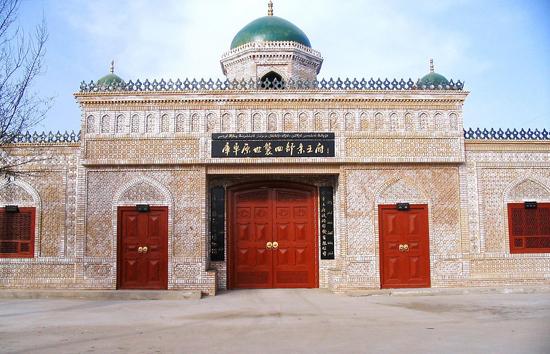
A night I keep coming back to
In the autumn of 2022 a colleague drove me out past Awat to a Dolan village where a family was holding a meshrep, the gathering that combines music, dance, shared food and gentle social rules. There was no stage. Men and women took turns dancing in the middle of the room while the elders played, and when the tempo rose an old farmer with cracked hands pulled me up to dance, laughing at my stiff shoulders. Someone pressed hot naan and tea into my hands between rounds. I have played in proper theatres in Urumqi, but that dusty room taught me that the Muqam is really a social technology for holding a community together. If you can find your way to a real meshrep, take it over any ticketed show.
Where and how to experience it today
You have three realistic options, in ascending order of authenticity. First, the staged version: the Xinjiang Muqam Art Troupe performs polished excerpts in Urumqi, and many hotels and cultural venues run shorter shows. This is the easiest entry point and a good one. Second, teahouses and old-town settings, especially in Kashgar Old City, where afternoon sessions are less rehearsed and closer to the ground. Third, a genuine village meshrep or a wedding, which you will almost never stumble on alone. For the third, hiring a trusted local guide who has village connections is the difference between watching and being welcomed in.
Best time to catch a performance
Staged shows run year-round in Urumqi and Kashgar, so timing is flexible for those. Living, community performances cluster around the warmer months and around festivals. Spring, especially around Nowruz in March, and the two Eids bring weddings, gatherings and open-air dancing. Autumn harvest celebrations are another strong window. If your trip can flex, line it up using the Xinjiang festivals calendar, because that is when the music leaves the theatre and returns to the courtyard.
Where to stay for the music
For staged performances, base yourself centrally in Urumqi near the theatre district, or in a courtyard guesthouse inside Kashgar Old City so you can walk to evening teahouse sessions. If you are chasing Dolan Muqam, small county-town hotels around Awat or Mekit put you close, though comfort is basic. My honest advice: keep Kashgar as your cultural hub and treat day or overnight trips out to the Dolan country as an add-on rather than your main base.
What to eat around a performance
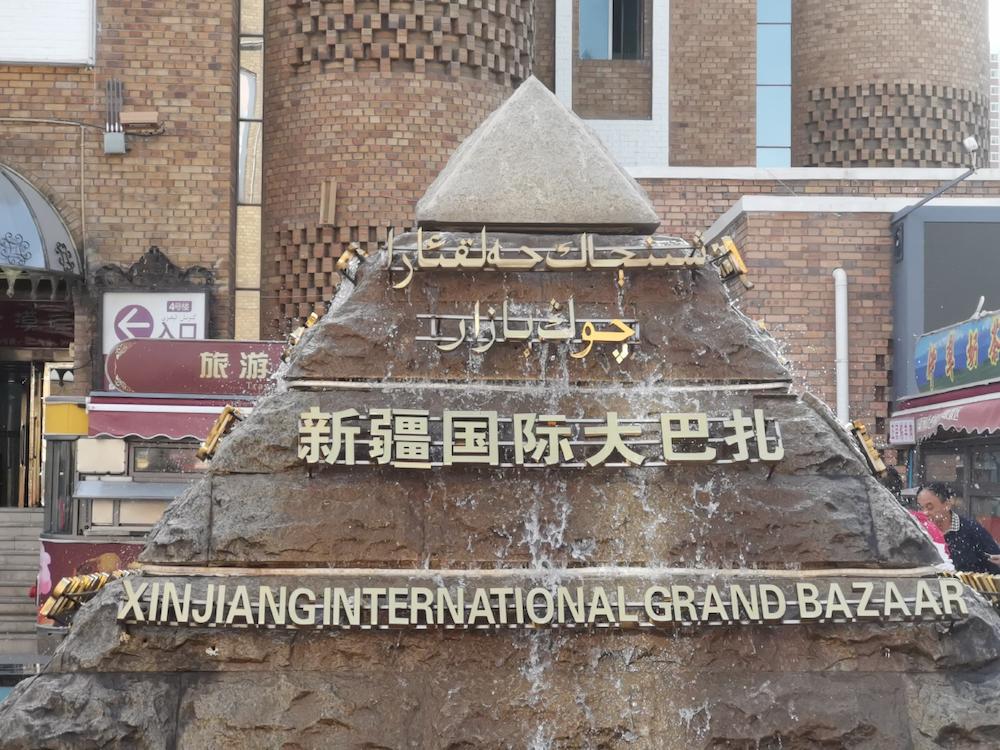
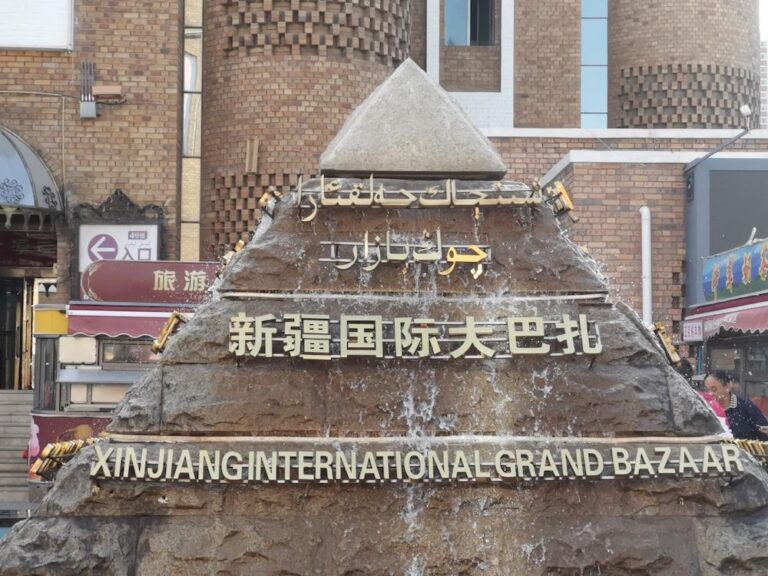
Music and food are inseparable here. A meshrep always comes with tea, naan and often a shared pot of polo (pilaf). At teahouse sessions in Kashgar you will be handed endless refills of tea and dried fruit while you listen. Before an evening show in Urumqi, I usually eat early at the Urumqi International Bazaar, where kebabs and samsa are quick and good. Do not eat heavily right before a village gathering, because your hosts will feed you whether you are hungry or not.
Practical tips from the ensemble side
- Ask before recording. At staged shows it is usually fine; at a private meshrep or wedding, always ask an elder first. A quiet request is never refused rudely.
- Sit low and stay put. In traditional settings people sit on carpets. Do not walk across the performance space, and keep your feet from pointing at the musicians.
- Do not clap on the offbeat. If the room is clapping, follow the dap, not your instinct. Uyghur rhythm often lands where a newcomer least expects it.
- Learn one line. If invited to dance, accept and mirror the person next to you. Effort matters far more than skill.
- Understand the length. No one performs all twelve muqams in one sitting today. Expect excerpts, and let the piece breathe rather than waiting for a “chorus”.
A sample three-day muqam-focused plan
Day 1 (Urumqi): Arrive, visit the regional museum for context on the instruments, then a staged Muqam Art Troupe excerpt in the evening as your gentle introduction.
Day 2 (Kashgar): Fly to Kashgar, wander the old city, and find an afternoon teahouse session where the playing is closer and more spontaneous. Read the broader context of Uyghur culture and traditions before you go so the music makes more sense.
Day 3 (Dolan country): With a guide, drive out toward Awat to hear Dolan Muqam in a village setting. Keep the day loose; the best sessions cannot be booked to a schedule.
Frequently asked questions
Is the Xinjiang Muqam the same as the Twelve Muqam? Not quite. The Twelve Muqam is the best-known classical cycle, but the region also has Dolan, Turpan, Hami and Ili traditions, all grouped under the wider term.
How long does a performance last? A staged excerpt runs about an hour. A full traditional cycle can take many hours, and all twelve together exceed twenty hours, so you will always hear selections.
Do I need to understand Uyghur to enjoy it? No. The poetry is beautiful, but the rising tempo and the dance carry the emotion. Focus on the arc rather than the words.
Can I take photos or video? At staged shows, generally yes. At private gatherings, always ask an elder first and respect a no.
Is it suitable for children? Yes. Village meshrep gatherings in particular are family events, and children are always part of the circle.
A note on trust
Disclaimer: Performance schedules, venues and ticket prices change often, and access to village gatherings depends on local circumstances and the season. Everything here reflects my own experience as a performer and researcher between roughly 2015 and 2026; please confirm current details locally and through official cultural and tourism channels before you travel. I have kept this account to music and living tradition and do not offer political commentary.
About the author
Aziz Rozi is a Kashgar-born tämbür player who has performed with regional muqam ensembles for over fifteen years and documented village masters across southern Xinjiang. He writes about Uyghur musical heritage for travellers who want to hear it the way it was meant to be heard, on a carpet rather than only on a stage.