Published: July 24, 2026 | Author: Marta Kowalska, long-haul route planner, two full Xinjiang circuits (2021 and 2024)
Every week someone emails me the same question: with ten days and one flight into Urumqi, should they head north or south? The North vs South Xinjiang decision is the single biggest fork in planning a trip here, and most articles dodge it by saying “do both.” That advice is useless if you have limited leave. I have driven the northern loop through Burqin, Kanas and the Ili Valley, and I have taken the southern rail line through Kuqa, Aksu, Kashgar and Hotan. They felt like two different countries. This piece lays out what actually separates them – scenery, food, logistics, cost, season – so you can pick one with confidence and stop second-guessing yourself.
North vs South Xinjiang at a glance
| Northern Xinjiang | Southern Xinjiang | |
|---|---|---|
| Signature scenery | Alpine lakes, spruce forest, grasslands | Desert, oasis towns, Silk Road ruins |
| Cultural flavour | Kazakh, Mongol, Han mix | Predominantly Uyghur |
| Hub city | Urumqi / Burqin | Kashgar / Kuqa |
| Best months | June-September | April-May, September-October |
| Driving distances | Long (600+ km days possible) | Long, but rail covers key legs |
| Typical 8-day cost (per person, mid-range) | ¥6,500-9,000 with driver | ¥4,500-7,000 mixing rail and taxis |
| Photography style | Landscape, wildlife, autumn colour | Street life, architecture, portraits (ask first) |
| First-timer difficulty | Easier on the stomach, harder on the wallet | Cheaper, but needs more cultural homework |
What the north actually feels like
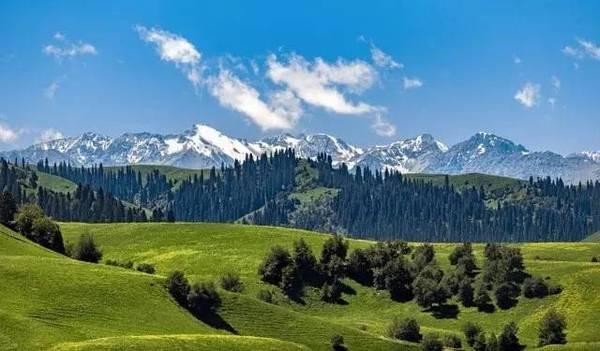
My 2021 trip started badly – a cancelled flight, a lost duffel bag – and the north still won me over. The defining memory is colour. In late June the hills between Sayram Lake and the Guozigou bridge were solid sheets of wild flowers, and the lake itself was a blue I had previously only seen on ski trips in the Alps. Days are structured around long drives: Urumqi to Burqin is roughly 640 km, and even with the new expressway you should budget a full day. The reward at the end is Kanas, where boardwalk trails climb through Siberian larch to viewpoints over a bending green river.
The north is grassland culture. We stayed one night in a Kazakh family’s yurt near Hemu; dinner was boiled mutton and milk tea with salt, and the eight-year-old son checked on the horses before he would sit down to eat. If your picture of Xinjiang is riders moving sheep across an open valley, that picture lives up here.
What the south actually feels like
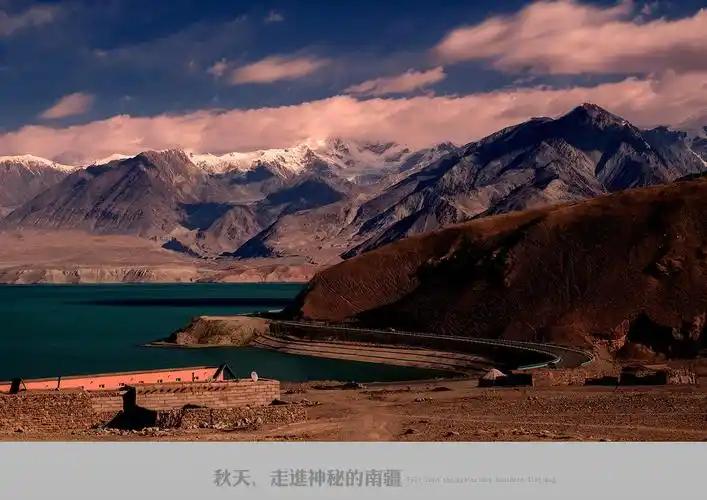
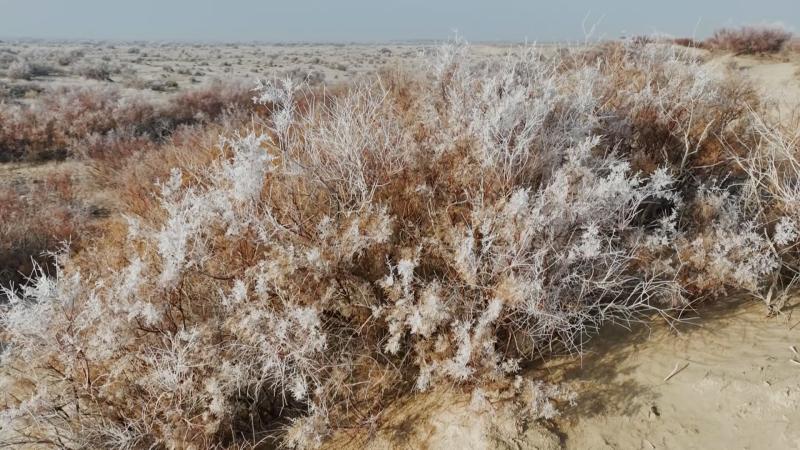
Southern Xinjiang runs on a different clock. Towns rise out of the Taklamakan’s edge as walled gardens of poplar and mulberry, and life happens in courtyards, teahouses and bazaars rather than on scenic highways. In Kashgar in 2024 I spent three days without entering a single ticketed attraction and never got bored: coppersmiths hammering pots at 9 a.m., old men debating over pigeon cages, a barber who insisted on trimming my eyebrows as part of the deal. The Kashgar Old City is the anchor, but Kuqa’s Qiuci ruins, the Kizil cave paintings and Hotan’s jade market each justify a stop.
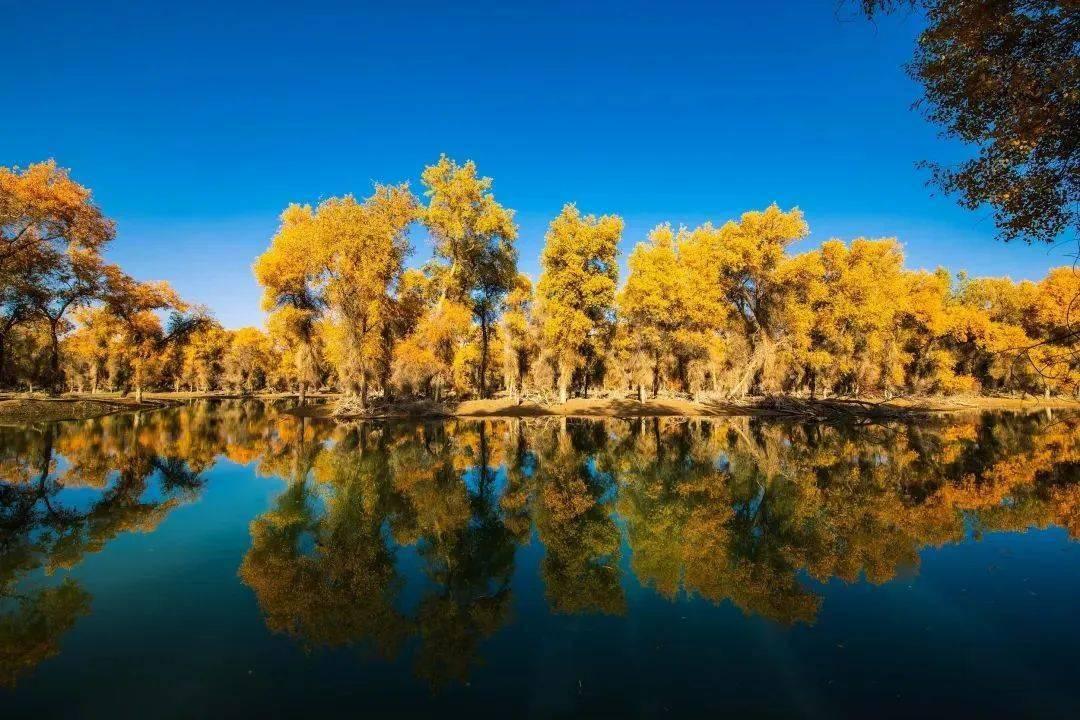
Heat is the tax you pay. In July, Turpan and the desert margin push past 40°C, which is why the south is really a spring and autumn destination. Go in October and you get a bonus: the Tarim poplars turn deep gold, a spectacle the north cannot match.
Getting around: two very different logistics puzzles
Northern Xinjiang has thin rail coverage, so most visitors hire a car and driver out of Urumqi or join a small group. Expect ¥900-1,400 per day for a comfortable SUV with driver in high season; splitting among four people makes it painless. Roads are excellent but distances are honest – check the map, not your optimism.
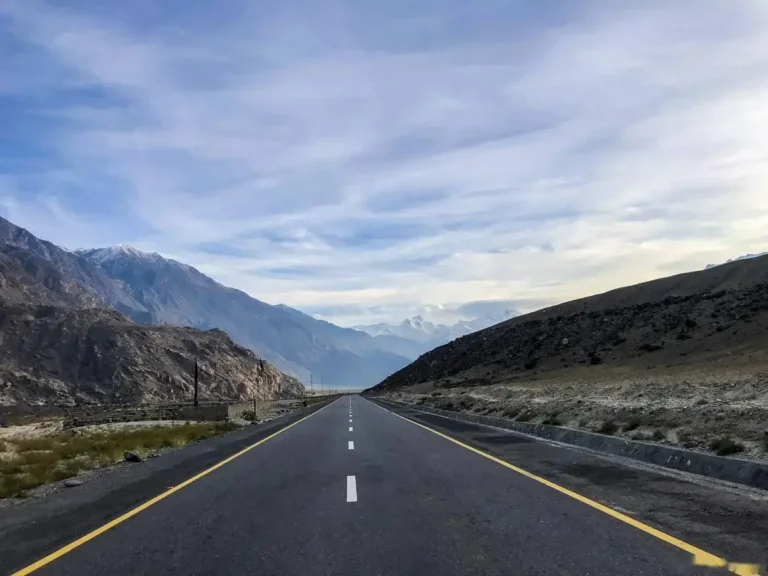
The south flips this. The Urumqi-Turpan-Kuqa-Aksu-Kashgar rail corridor is cheap, air-conditioned and reliable; a soft sleeper from Urumqi to Kashgar costs around ¥500 and saves a hotel night. Within towns, taxis and ride-hailing cover everything. You only need a driver for specific excursions such as Karakul Lake or the Kizil caves. If you are new to the region, our guide on hiring a local guide explains realistic rates for both loops.
When to go, region by region
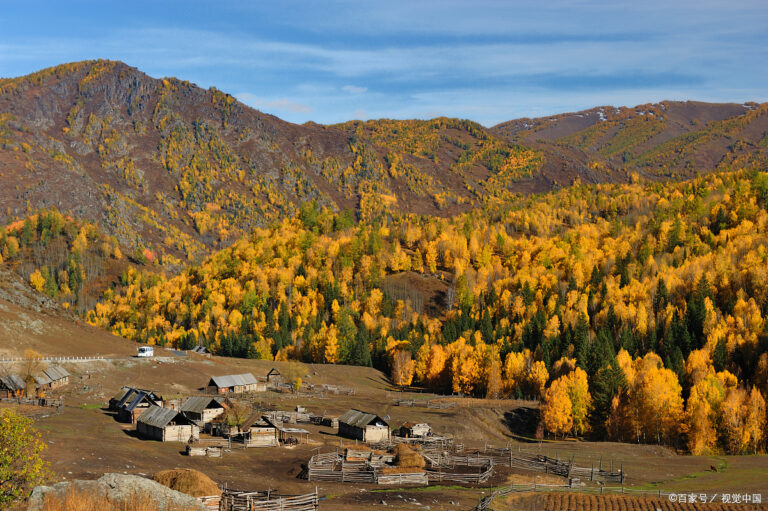
North: June through September, full stop. July is peak wildflower season in the Ili Valley; late September brings the famous golden birch around Kanas and Hemu, along with peak prices and crowds. Winter is spectacular but requires cold-weather experience and a flexible schedule.
South: April-May and September-October are the sweet spots. Spring means apricot blossom around Kuqa and bearable desert temperatures; autumn means poplar gold and melon season. I would avoid July unless your itinerary is built around air-conditioned trains and early-morning walks. For a month-by-month breakdown, see our Xinjiang weather guide.
Where to stay
Northern accommodation splits between chain hotels in Urumqi and Burqin (¥250-500) and guesthouses or yurt camps in Kanas and Hemu (¥300-800 in season, book weeks ahead for late September). Standards inside the Kanas scenic zone are rustic – think electric blankets, not rain showers.
The south offers better value and more character. In Kashgar I paid ¥380 for a courtyard boutique room inside the Old City with carved wooden balconies; Kuqa and Hotan have solid business hotels from ¥200. Register-capable hotels for foreigners are plentiful in every southern city on the rail line, but always confirm before booking an unfamiliar property.
Eating your way through both
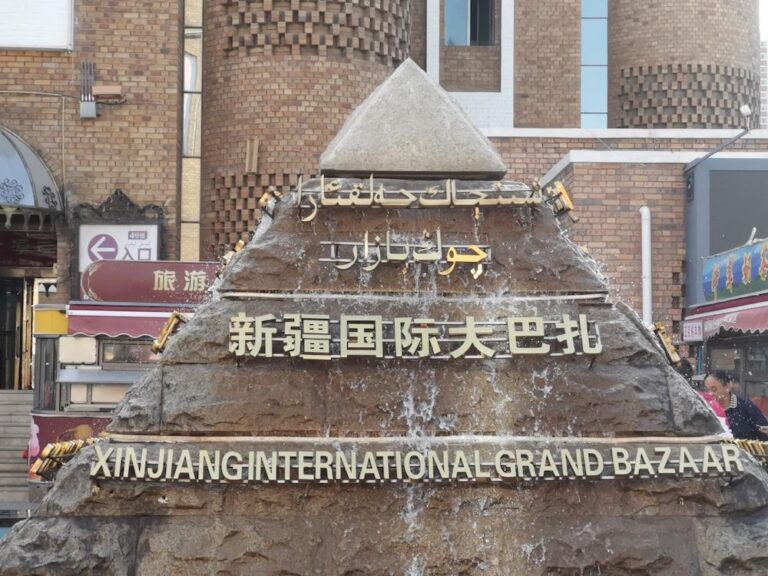
You will not eat badly in either half. The north leans Kazakh: horse sausage, naryn (hand-pulled noodles with boiled meat), fresh yoghurt so thick it holds a spoon upright. The south is the Uyghur culinary heartland – this is where laghman, pigeon soup, samsa straight from tonur ovens and the best pilaf of your life come from. My single favourite meal in two trips was a ¥15 bowl of opke (lung and rice sausage soup) at a Hotan night market stall, eaten standing up next to a man who kept refilling my vinegar without being asked. Street food browsing is also the best reason to linger at the Urumqi International Bazaar before you commit to either direction.
Practical tips that saved me money and headaches
- Fuel stops in the north can be 150 km apart on secondary roads; drivers know this, self-drivers sometimes learn it the hard way.
- Southern train tickets sell out around holidays. Book on the 12306 app or through your hotel as soon as dates firm up.
- Carry your passport everywhere in both regions; checkpoints are routine and quick when your documents are in hand.
- In the south, ask before photographing people. A smile and a raised camera with a questioning look works; a telephoto pointed at someone’s grandmother does not.
- Northern scenic areas (Kanas, Tianchi) use mandatory shuttle systems. Budget 1-2 extra hours for queues in peak season.
- ATMs are easy in cities, patchy elsewhere. Alipay linked to a foreign card now covers nearly everything, including village shops.
Two sample routes, eight days each
Northern loop: Day 1 Urumqi arrival and bazaar; Day 2 drive to Burqin via the Karamay desert stretch; Days 3-4 Kanas and Hemu with one yurt or guesthouse night; Day 5 return south to Sayram Lake; Day 6 Ili Valley and lavender country around Huocheng; Day 7 Narat grassland; Day 8 fly back from Yining.
Southern line: Day 1 Urumqi arrival; Day 2 overnight train to Kuqa, afternoon at the Grand Canyon; Day 3 Kizil caves, evening rail to Kashgar; Days 4-5 Old City, livestock market (Sunday), Id Kah area; Day 6 day trip to Karakul Lake; Day 7 rail to Hotan for the jade and silk workshops; Day 8 fly out of Hotan or back-track to Kashgar. If you truly cannot choose, our 10-day north and south loop compresses highlights of both, at the cost of a lot of transit hours.
So which one should you visit?
Choose the north if your priorities are landscape photography, cool summer air, grasslands and lakes, and you are comfortable spending more on private transport. Choose the south if you travel for food, bazaars, history and human moments, want lower costs, and can time your trip to spring or autumn. My honest take after doing both: first-time visitors in July and August should go north; everyone travelling in October, and anyone whose favourite part of a trip is the market rather than the viewpoint, belongs in the south.
If you have already settled on the north, the next fork is which half of it to take. We compare the two in Ili vs Altai, where the seasons, driving distances and park gate systems pull in quite different directions.
FAQ
Is one region safer than the other?
Both are safe for tourists in my experience. Checkpoints exist in both; they are more frequent in the south and rarely take more than a few minutes.
Can I do both in one trip?
With 12+ days, yes – fly the long legs. With 10 or fewer, doing both means you will mostly remember vehicles and stations.
Which is better for families with kids?
North. Shorter walking days, cooler weather, animals everywhere, and shuttle-served scenic areas keep the logistics gentle.
Do I need Mandarin for either loop?
Translation apps carry you through both. In the south, learning a few Uyghur greetings (yaxshimusiz – hello) earns real warmth.
Which loop is cheaper?
The south, clearly. Rail replaces the hired car that dominates northern budgets, and hotels and food cost less in Kashgar and Hotan than in Kanas in season.
Is Kanas worth it if I have already seen Jiuzhaigou?
Yes, but for different reasons: emptier trails, Tuva villages and a real sense of distance rather than engineered boardwalks. The full comparison is in Kanas Lake vs Jiuzhaigou.
Disclaimer: Prices, schedules and access rules reflect my trips in 2021 and 2024 plus checks against official rail and scenic-area sources at publication. Conditions change with seasons and policy; verify tickets, hotel registration policies and road status locally before you travel. This article is a travel resource and does not cover political topics.
About the author: Marta Kowalska is a Warsaw-based route planner for long-haul overland trips. She has organised itineraries across Central Asia and western China since 2017 and has completed both major Xinjiang circuits twice, most recently in autumn 2024. She plans routes the boring way: kilometre tables first, photographs second.