Published: July 24, 2026 | Author: Claire Devereux, alpine-travel writer who has visited both lakes
People ask me some version of the same question every autumn: is Kanas worth the extra flight when Jiuzhaigou is easier to reach? I have hiked around both, in different seasons, and the honest answer to the Kanas vs Jiuzhaigou debate is that they solve two different problems. One gives you a remote, lived-in mountain valley in the far north of Xinjiang. The other gives you a compact, almost engineered display of turquoise pools in northern Sichuan. This guide lays out what each place actually feels like on the ground so you can pick the one that fits your trip, not the one with the prettiest photo on a travel site.
Kanas vs Jiuzhaigou at a glance
Before the details, here is the comparison I wish someone had handed me the first time I planned this trip. Everything below reflects what I saw between 2021 and 2025, so treat prices and timings as a starting point and confirm before you book.
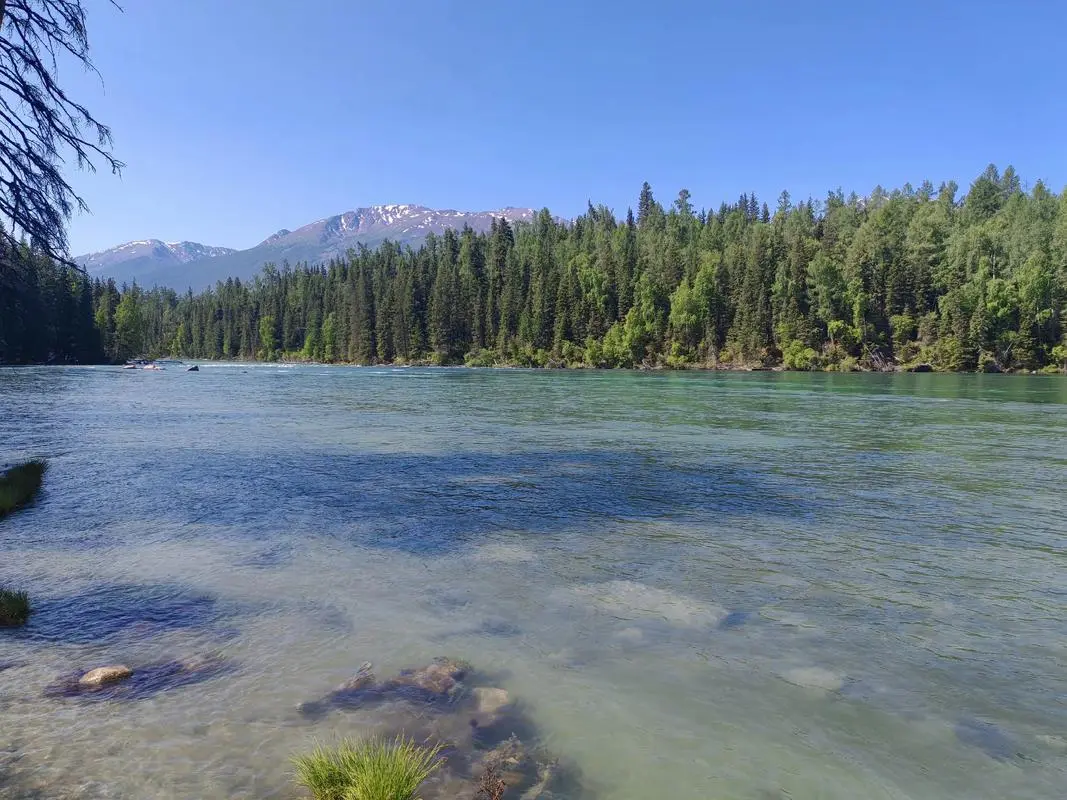
| Factor | Kanas (Xinjiang) | Jiuzhaigou (Sichuan) |
|---|---|---|
| Landscape type | Long glacial lake, birch and spruce forest, Tuvan and Kazakh villages | Chain of small terraced lakes, waterfalls, travertine pools |
| Elevation | ~1,370 m at the lake | 2,000–3,100 m across the valley |
| Nearest airport | Kanas (Burqin) or Altay, then a 2–4 hr drive | Jiuzhai Huanglong, then ~90 min drive |
| Time from a major hub | Long: fly Urumqi to Kanas/Altay, or drive from the north | Shorter: direct flights from Chengdu and other cities |
| Crowd level | Busy in peak weeks but spread across villages and trails | Very high in autumn; timed entry and shuttle buses |
| How you move around | Park shuttle plus real walking and horse trails | Boardwalks and a shuttle-bus loop; limited free walking |
| Best season | Mid-June greenery; late Sept to early Oct for gold | Mid-Oct for peak color; May–June for water volume |
| Overnight inside | Yes, in Kanas and Hemu villages | No; you sleep in Zhangzha town outside the gate |
What each place actually feels like
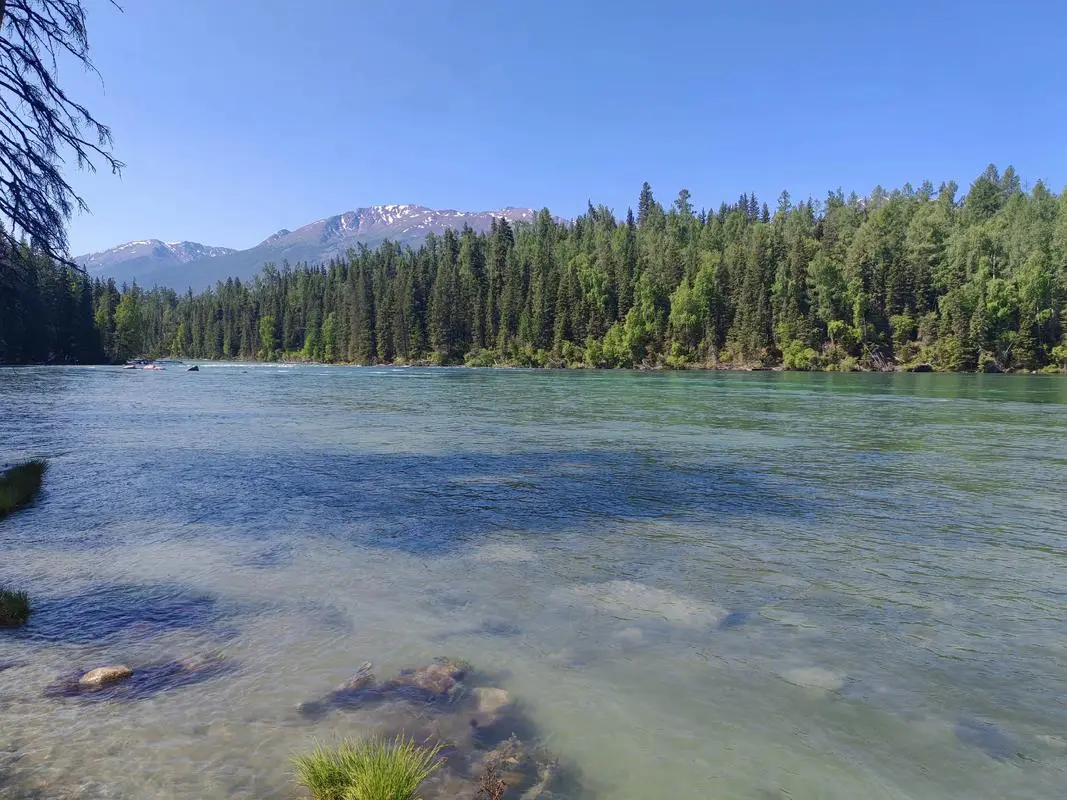
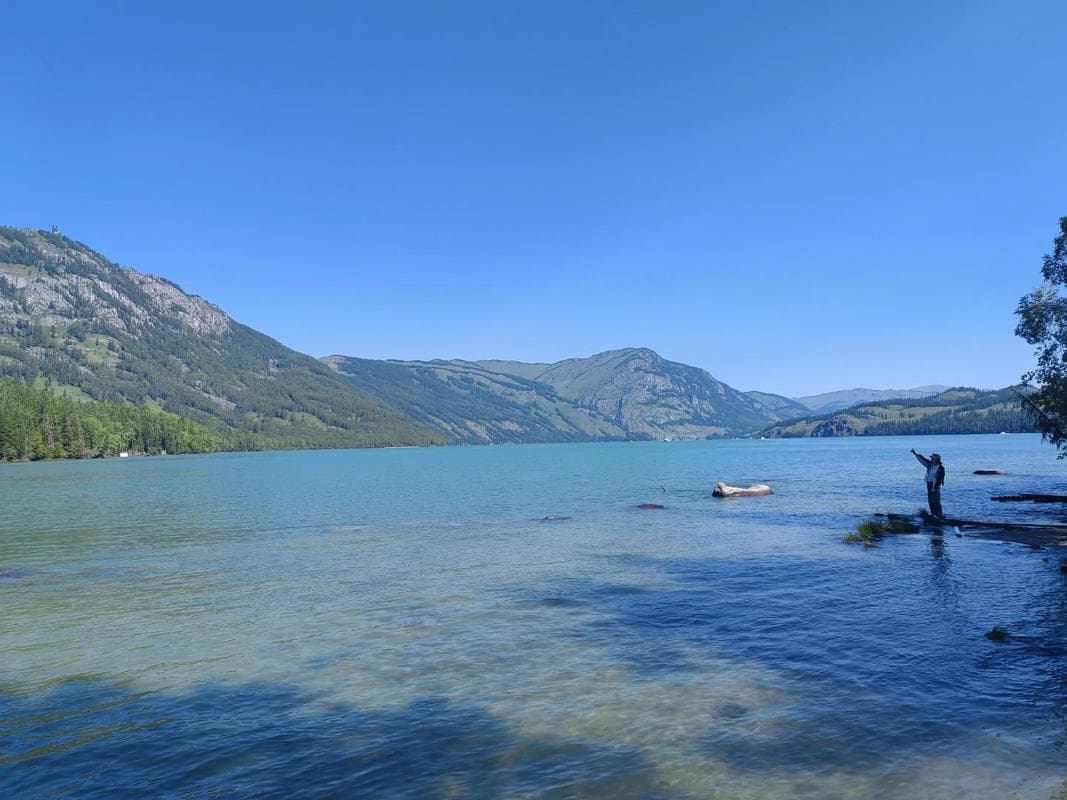
Kanas reads as a place where people still live. When I stayed two nights in Hemu in October 2023, cows walked the single dirt lane past my guesthouse at dusk, and smoke came off the wooden Tuvan cabins because families were cooking, not because anyone staged it for visitors. The lake itself changes color with the light and the season, from milky jade to a deep grey-green after rain. You can climb to Guanyu Pavilion for the classic overhead view, take a slow boat, or walk the river trail toward Moon Bay and Fairy Bay with almost no railing between you and the water.
Jiuzhaigou is a different experience, and I mean that as a compliment. It is one of the most efficiently run scenic areas I have visited in China. When I went in mid-October 2022, the whole valley worked like clockwork: buy a timed ticket, ride the green shuttle up the Y-shaped valley, then walk the boardwalks down past pool after pool. Five Flower Lake genuinely looks unreal, with submerged fallen trunks glowing under water so clear it flattens your sense of depth. The trade-off is that you rarely feel alone, and you follow the boardwalk the park lays out rather than wandering where you like.
Getting there
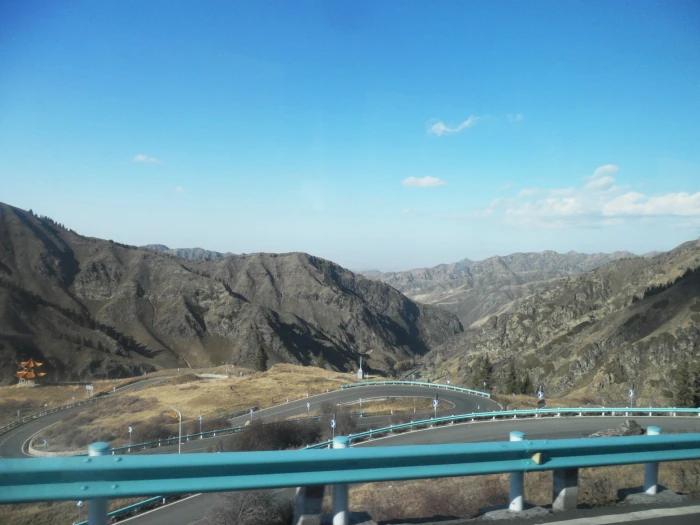
This is where the two really split. Reaching Kanas takes planning. Most travelers fly from Urumqi to Kanas Airport (seasonal) or to Altay, then drive two to four hours in on mountain roads. Many people fold Kanas into a longer northern loop by car, which is how I first did it. If that sounds like a lot, it is, and it is exactly why the valley stays less polished than parks closer to big cities. For the full picture of driving up here, our self-drive Xinjiang guide covers road conditions and fuel stops, and Habahe makes a logical stop on the way.
Jiuzhaigou is far simpler. Direct flights land at Jiuzhai Huanglong Airport from Chengdu, Chongqing, Xi’an and other cities, and it is roughly a 90-minute transfer to the valley gate. There are also long-distance buses from Chengdu, though the mountain drive is slow. If your holiday is short and you are based in central or western China, that access alone may settle the Kanas vs Jiuzhaigou question for you.
Best time to visit
Both peak in autumn, but not on the same calendar. Kanas turns gold from roughly the third week of September into the first week of October, when the birch and larch light up around the lake. Go too late and the leaves drop fast once the first hard frost hits. Summer, from mid-June, is green and mild and far less crowded. Winter closes much of the access. I lean toward late September for Kanas because you get color without the deepest cold.
Jiuzhaigou’s signature color peaks a little later, usually mid to late October, and that window draws serious crowds tied to the daily visitor cap. Spring and early summer bring the fullest water and thundering falls, with fewer people. If you want the postcard reflection shots, target a still, clear morning and enter at opening. For a wider month-by-month view of the region, our Xinjiang weather guide helps you line up the northern leg.
Where to stay
You can sleep inside the Kanas scenic area, which is a real advantage. I recommend a night in Hemu Village for the wooden-cabin atmosphere and a night near Kanas Lake itself so you can be at Guanyu Pavilion for first light before the day crowds ride up. Rooms range from simple family guesthouses to a few mid-range lodges, and standards are basic the further in you go. Book ahead for the autumn peak, because beds sell out.
At Jiuzhaigou you cannot stay inside the valley overnight. Everyone bases in Zhangzha, the strip of hotels just outside the gate, which runs from budget rooms to international-brand resorts. It is convenient and comfortable, but it also means an early bus queue each morning to get back in. Plan on two full days if you want to see all three arms of the valley without rushing.
Food
Around Kanas the food is northern and hearty: Kazakh and Tuvan cooking, grilled and stewed lamb, hand-pulled noodles, milk tea, and jars of local honey and sea buckthorn juice sold along the roads. Portions are large and the flavors are simple. If you continue into the rest of the region afterward, the food story gets much bigger, and our overview of north versus south Xinjiang explains how the north’s pastoral cooking differs from the south.
Jiuzhaigou sits in a Tibetan and Qiang area of Sichuan, so expect yak meat, barley, buttery Tibetan dishes and, once you drift toward Chengdu, the full weight of Sichuan spice. Inside the valley itself, dining is limited to a central rest area, so most travelers eat a proper dinner back in Zhangzha.
Practical tips from both trips
- Buy Jiuzhaigou tickets in advance. The daily cap sells out in peak autumn, and there is no walking in without a timed slot.
- Budget more transit time for Kanas. Weather can delay the small regional flights, so leave a buffer day on either side.
- Layer up for Jiuzhaigou’s altitude. The upper valley sits above 3,000 m and mornings are cold even in October. Read our note on altitude if you are sensitive.
- At Kanas, walk beyond the shuttle stops. The best moments came on the quiet river trail, not at the packed main platform.
- Carry cash for small villages near Kanas. Mobile pay works in most places but not every roadside stall.
- Consider a guide for the Xinjiang leg. A local guide smooths the long transfers and permits in the north.
A sample plan for each
Kanas (3 days): Day 1, fly to Kanas or Altay and drive in, overnight in Hemu. Day 2, sunrise walk in Hemu, then transfer to Kanas Lake, ride to Guanyu Pavilion, walk down to Moon Bay and Fairy Bay. Day 3, early boat or morning trail, then drive out. Fold this into a longer route using our 10-day north and south loop.
Jiuzhaigou (2 days): Day 1, enter at opening, ride to the far end of the Rize valley, walk the boardwalks down past Five Flower Lake and the Pearl Shoal falls. Day 2, cover the Shuzheng valley and Long Lake arm, then head out by early afternoon. Pair it with a couple of days in Chengdu on either side.
Frequently asked questions
Which is better for photography? Jiuzhaigou for saturated, close-up water color; Kanas for wide mountain-valley scenes with villages and forest. If you want both in one frame, Kanas gives more range.
Can I combine the two on one trip? Not easily. They are on opposite sides of the country, so most people pick one per holiday. If you are set on both, treat them as two separate journeys.
Which is more crowded? Jiuzhaigou during the mid-October peak is intense because of the visitor cap and shuttle system. Kanas gets busy too, but the crowds spread across trails and villages.
Is Kanas harder for older travelers? The long transfers are tiring, but the walking is gentle and you can use boats and shuttles. Jiuzhaigou’s altitude is the bigger concern for some.
First trip to Xinjiang overall? Read our first-time visitor guide before you commit the northern leg.
Disclaimer
Details here reflect my own visits between 2021 and 2025 and can change. Ticket prices, flight schedules, shuttle rules and the exact autumn color window shift every year, and access can be affected by weather or seasonal closures. Please confirm current information with the official scenic-area channels and your transport operator before you travel. This article is general travel guidance, not a substitute for up-to-date local advice.
About the author
Claire Devereux writes about alpine and remote-mountain travel across China and Central Asia. She first visited Jiuzhaigou in 2018 and has returned to the Kanas area three times since 2021, traveling by both self-drive loop and small regional flights. She writes from field notes and photographs taken on location, and updates her comparisons as access and conditions change.