Published: July 30, 2026 | Author: Margaret Ashworth, reviewed and edited by the Xinjiang Attractions editorial team
I spent thirty-four years as a chartered building surveyor in York, most of it crawling around listed buildings with a damp meter and a torch. So when my sister Carol suggested we skip the chain hotels on our Xinjiang trip and sleep in old courtyard houses instead, I said yes before she finished the sentence. Over thirteen nights in May 2026 we stayed in six Xinjiang guesthouses, all of them inside or on the edge of historic quarters: three in Kashgar’s old city, one in the Kazanqi district of Yining, one under a grape trellis in Turpan, and one in Kuqa that I will get to later because it taught us the most important lesson of the trip. This guide covers what these places actually cost, how to book them as a foreigner, and which quirks are charming versus which ones will ruin your sleep.
Quick Reference: Xinjiang Guesthouses at a Glance
| Question | Short answer |
|---|---|
| Typical price per night | ¥180 to ¥420 for a double in May 2026 |
| Can foreigners stay? | Only in licensed properties. Always confirm before booking |
| Best areas | Kashgar Old City, Kazanqi in Yining, Turpan’s vine-covered lanes |
| Booking channels | Trip.com (limited listings), WeChat direct, walk-in after 2pm |
| Breakfast included? | Usually naan, eggs, milk tea. Sometimes ¥15 extra |
| Biggest drawback | Solar hot water runs out, thin doors, 6am pigeons |
Why We Chose Courtyard Guesthouses Over Hotels
We had read our own site’s hotel guide covering everything from budget chains to five stars before the trip, and for two of our nights in Urumqi we did take a standard business hotel. It was fine. It was also identical to a business hotel in Leeds. The guesthouses were not fine in the same way. They were better and worse at the same time, which is exactly what I wanted.
The house we loved most in Kashgar was run by a family who had owned the plot for four generations. The grandmother still baked naan in a clay oven in the corner of the courtyard every morning, and the smell reached our room before the call to prayer did. Her grandson Alim, who studies engineering in Xi’an and handles the family’s WeChat bookings from his dormitory, told me the beams in our ceiling were poplar and roughly ninety years old. I tapped them. He was right about the poplar. I would put the beams closer to seventy, but I kept that to myself.
Kashgar Old City: The Rooftop Terrace Standard
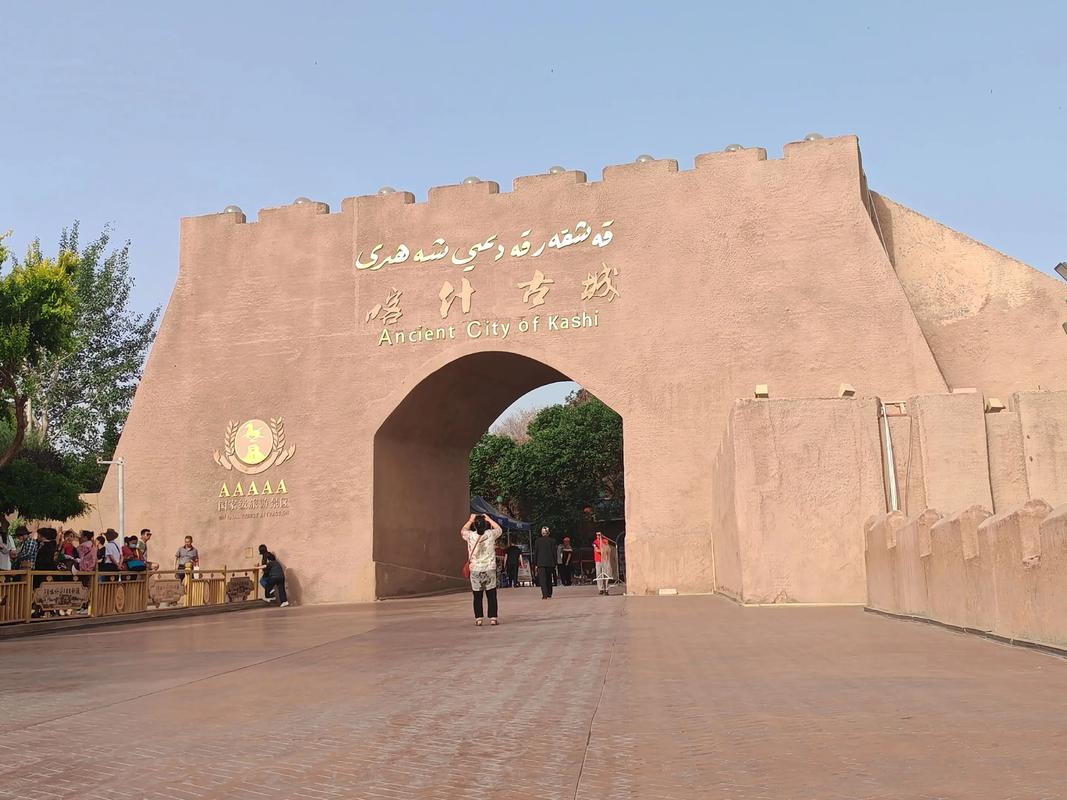
Kashgar has the largest cluster of old town guesthouses in the region and the widest quality range. We paid ¥260, ¥300 and ¥380 a night at our three stops. The ¥380 place had a rooftop terrace where Carol drank pomegranate juice every evening while I inspected the parapet mortar, a division of labour that has defined our relationship since 1978.
A few honest observations from those nine nights. First, the restoration work in the old city varies from careful to cosmetic. Some houses kept their original timber frames; others are concrete rebuilds with decorative wooden cladding. If original fabric matters to you, ask to see the room before you commit, and look at the ceiling, not the walls. Second, sound insulation barely exists. Our ¥260 room shared a lattice window with the corridor, and we could hear a German couple planning their day at 6:40 every morning. By day three we knew their itinerary better than ours. Third, the pigeons. Kashgar families keep them on the rooftops, and they start shuffling about at first light. Carol found it soothing. I did not.
Kazanqi in Yining: The Blue Quarter Nobody Books Ahead
Yining surprised us more than anywhere else. The Kazanqi district is a working neighbourhood of blue-painted houses, horse carts doing tourist loops, and apricot trees leaning over courtyard walls. Guesthouses here are newer to foreign visitors than Kashgar’s, and it shows in good ways. Prices were lower, ¥180 to ¥240 for rooms that would cost ¥350 in Kashgar, and our host seemed genuinely startled and pleased that two English women in their sixties had found her gate.

Her house had the best plumbing of the entire trip, which I say as a professional compliment. It also had a kang-style raised platform in the common room where her father napped every afternoon at two, and guests learned to lower their voices without being asked. If you are planning a wider Ili Valley route, this is a sensible base, and travelling on your own here felt easy; our notes match what our colleague found in the solo travel guide.
Turpan: Sleeping Under a Grape Trellis
Our Turpan guesthouse was a single-storey courtyard house east of the market, with vines trained over steel frames so the whole yard sat in green shade. In May the grapes were just pea-sized beads, but the shade already dropped the courtyard temperature by what felt like eight degrees compared with the street. The owner served dinner at a long table under the vines: laghman, cold tomato salad, and tea that kept arriving until we surrendered.
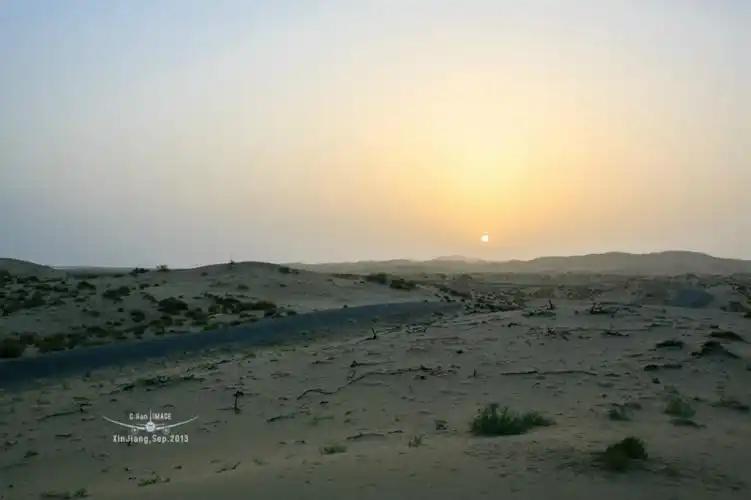
Two warnings. Turpan is seriously hot from June onward, and most courtyard houses rely on evaporative coolers rather than proper air conditioning. In May we were comfortable; in July I suspect I would have been a puddle. And dust gets everywhere when the wind picks up, so keep camera gear zipped away. For the sights themselves, the Turpan city guide on this site covers Jiaohe and the karez system better than I can.
The Kuqa Lesson: Licensing Is Not Optional
Now the important part. In Kuqa we booked a lovely-looking guesthouse through a Chinese app, arrived at 7pm, and were politely turned away. The owner was apologetic, the tea was excellent, but the answer was no: her licence did not permit foreign guests. She walked us two streets over to a hotel that could take us, refunded everything within the hour, and sent Carol a voice message the next day to check we were settled. Kindness was never the issue. Paperwork was.
The rule in plain terms: accommodation in China must hold a specific registration to host foreign passport holders, and small family guesthouses often do not have it. Booking platforms will sometimes accept your reservation anyway. So before you book any of the smaller Xinjiang guesthouses, message the property directly and ask, in simple English or translated Chinese: can you register foreign guests? A clear yes, ideally in writing, is your green light. This single habit would have saved us a stressful evening.
How to Book: Three Channels That Actually Work
Trip.com carries perhaps a fifth of the guesthouses that exist, mostly the larger ones in Kashgar, but everything listed there for foreigners generally can take foreigners. WeChat direct booking is how the best family places operate; you usually get the contact from a previous guest’s review or from your prior guesthouse host, who always knows someone in the next town. Walk-ins after 2pm worked twice for us in May, though I would not gamble on that during July, August or the October holiday week, when the region fills up fast, as covered in our holiday crowds guide.
Expect to pay cash or scan a QR code. Only one of our six places took a foreign card. Budget-wise, guesthouses sit comfortably inside the mid-range figures in the Xinjiang cost breakdown, and breakfast was included at four of our six stops.
When to Go and What to Eat
May and September are the sweet spots for old town stays in Xinjiang. Courtyards are pleasant, grape trellises are leafing or fruiting, and rooms hold a comfortable temperature without mechanical help. Winter is possible in Kashgar, where hosts fire up coal or electric heating, but many family places in Turpan and Yining simply close from November to March. Phone ahead.
Eating is the easiest part. Guesthouse neighbourhoods are exactly where the good food lives: samsa ovens, morning naan queues, and pulled noodles made by men who have done nothing else for twenty years. Ask your host where the family eats, not where tourists eat. In Kashgar, Alim’s grandmother pointed us to her nephew’s samsa stand with a hand-drawn map that we have kept and framed.
Practical Tips From Thirteen Nights
Bring a torch, because courtyard paving is uneven and lighting is romantic rather than functional. Shower before 9pm, since solar tanks empty and refill slowly. Pack earplugs for the pigeons and the German couples. Carry your passport to every check-in, and allow twenty minutes for registration the first time; the scanner and the software rarely cooperate. If stairs are difficult for you, ask for a ground-floor room when booking, as rooftop-terrace houses put their best rooms up narrow flights. And if a family invites you to eat with them, say yes. Those two dinners were worth more than every museum ticket we bought.
If your route includes the mountains or grasslands, consider mixing building types: a few nights in old town guesthouses, then a night in a yurt on the grasslands or with a Kazakh homestay family. The contrast teaches you more about the region than any single style of lodging could.
A Simple 8-Day Old Towns Route
Day 1 to 2: Fly into Urumqi, one hotel night, train to Turpan. Day 2 to 4: Turpan grape-trellis guesthouse, karez and Jiaohe visits in the cooler hours. Day 4 to 7: Fly or train to Kashgar, three nights across the old city, livestock market if your stay covers a Sunday. Day 7 to 8: Fly to Yining, one or two nights in Kazanqi, walk the blue lanes and take the horse cart once for the fun of it. This pacing gave us unhurried mornings, which is when courtyard houses are at their best.
Frequently Asked Questions
Are Xinjiang guesthouses safe for foreign travellers?
We felt entirely safe at every property. The practical risks are mundane: uneven steps, dim lighting, and the occasional over-friendly courtyard cat. Standard travel awareness applies.
Do guesthouse hosts speak English?
Rarely. Translation apps handled everything, and younger family members often manage bookings remotely in decent English. Learn the Chinese or Uyghur for thank you; it lands well.
Can I book a boutique stay in Xinjiang with private bathrooms?
Yes, mainly in Kashgar, where the upper tier of restored houses now offers en-suite rooms at ¥350 to ¥500. In Yining and Turpan, shared facilities remain common at family-run places.
Is a guesthouse workable with children?
Courtyards are wonderful for kids, but check stair safety and pool-free water features. Families we met with young children rated Turpan’s single-storey houses easiest.
What happens if a guesthouse cannot register foreigners?
You cannot stay, regardless of goodwill. Confirm registration ability in writing before booking, and keep a licensed hotel as a same-city backup, as we learned in Kuqa.
Disclaimer
We paid for all thirteen nights ourselves and have no commercial relationship with any property mentioned. Prices reflect May 2026 and will shift with season and demand. Licensing rules for foreign guests can change; verify directly with properties and official sources before travelling.
About the author: Margaret Ashworth is a retired chartered building surveyor from York, England, with 34 years of experience assessing historic and listed buildings. She travelled through Xinjiang for three weeks in May 2026 with her sister Carol, staying in six old town guesthouses across Kashgar, Yining, Turpan and Kuqa. Her notes were fact-checked and edited by the Xinjiang Attractions editorial team, who travel and re-verify routes in the region every year.