Published: July 30, 2026 | Author: Annelie du Toit | Reviewed and edited by the Xinjiang Attractions editorial team
I managed a tented lodge on the edge of the Namib for twelve years, so I arrived in China with strong opinions about generators, sand on canvas, and what a fair price for a hot shower in the middle of nowhere looks like. Last October my husband Johan and I spent eleven nights finding out what a Xinjiang desert camp actually delivers for the money. We slept at three very different camps: the tourist-friendly dune camp at Kumtag near Shanshan, the reed-hut-and-tent setup at Lop Nur People Village south of Korla, and the expedition-grade N39 camp on the western rim of the Taklamakan near Markit. Two of them I would book again tomorrow. One I would only recommend with caveats, and I will tell you exactly which and why.
Quick reference: Xinjiang desert camp basics
| Camps we tested | Kumtag (Shanshan), Lop Nur People Village (Yuli), N39 Taklamakan camp (Markit) |
| Price per night | 380 to 1,150 RMB for two, most rates include dinner and breakfast |
| Best months | Mid May to mid June, then September to late October |
| Our trip | 11 nights, October 2025, booked 2 to 3 weeks ahead |
| Booking channels | Trip.com for Kumtag, WeChat direct for Lop Nur and N39 |
| Night temperatures | 2 to 7 C in late October; electric blankets at two of three camps |
Three camps, three very different nights
Kumtag: dunes you can walk to before breakfast
The Kumtag camp sits a short walk from the scenic area gate outside Shanshan, about 90 minutes from Turpan by road. Our dome tent cost 520 RMB with half board, had a proper bed frame, a kettle, and a private bathroom bolted onto the back like an afterthought. The water ran hot for exactly eleven minutes. Johan timed it, because timing things is what retired diesel mechanics do on holiday.
What Kumtag does well is access. You wake at 7:40, walk ten minutes, and you are on a clean dune ridge with nobody in your photos. The same dunes that people ride down on boards in the afternoon are silent at dawn. If sliding down them appeals to you more than photographing them, a surf coach we know tested exactly that on the Kumtag sandboarding scene and his notes match what we saw. By 11:00 the day-trip buses arrive and the ridge gets loud. Plan your dune time around that rhythm and you will love the place.
Lop Nur People Village: the honest one
The camp at Lop Nur People Village, an hour south of Korla in Yuli county, is the least polished of the three and the one I keep thinking about. You sleep in a reed and poplar-wood hut or a canvas tent between the Tarim River and the start of the sand. Ours cost 380 RMB. The shower is a bucket system, five litres of warmed water per person, which made me laugh out loud because I rationed guests to eight litres in Namibia and thought I was being strict.
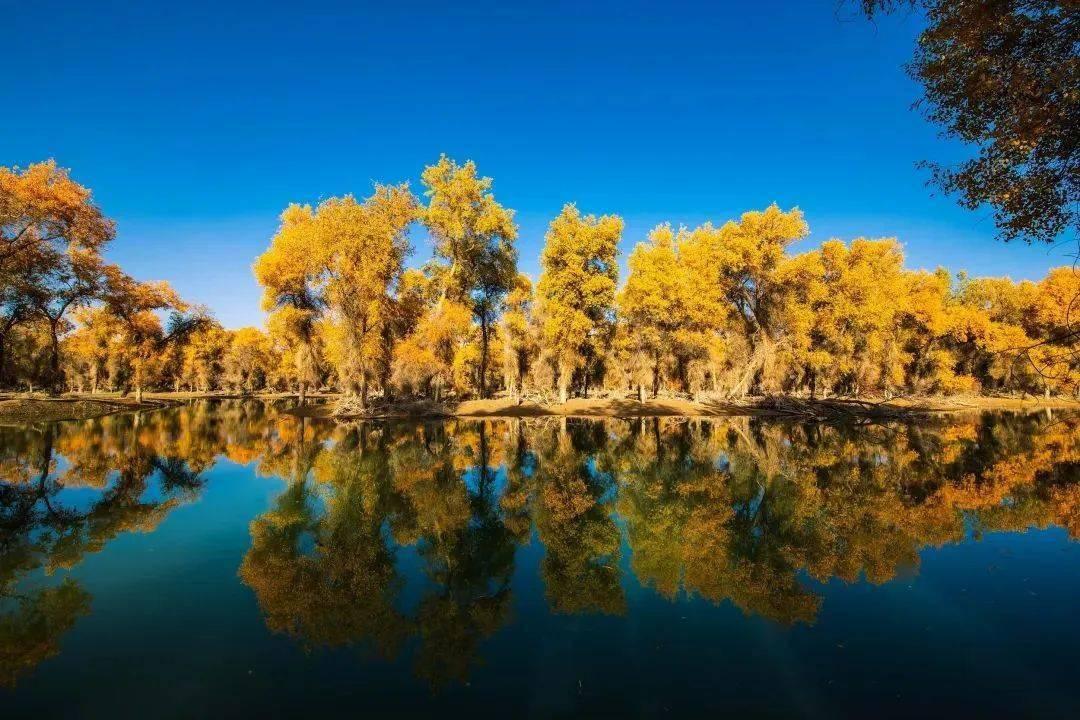
The compensation is the setting. In late October the desert poplars turn deep gold, and the walk from camp to the river at 18:30 was the best hour of our whole trip. An old Uyghur man who works there grilled river fish on tamarisk skewers over an open pit, split them flat in the local style, and refused to let Johan pay for the second one. If you want scenery like this without a camp stay, the golden forests along the Tarim get a full write-up in our Xinjiang desert landscapes guide.
N39: where the serious money goes
The N39 camp near Markit, three and a half hours from Kashgar, markets itself as the launch point for Taklamakan crossings, and the hardware backs that up. Our geodesic dome cost 1,150 RMB, came with underfloor heating, a real duvet, and a shower with no time limit. Johan inspected the generator shed uninvited, as he does, and announced it was cleaner than his own workshop ever was. Power runs 19:30 to midnight, then batteries take over for lights and heating.
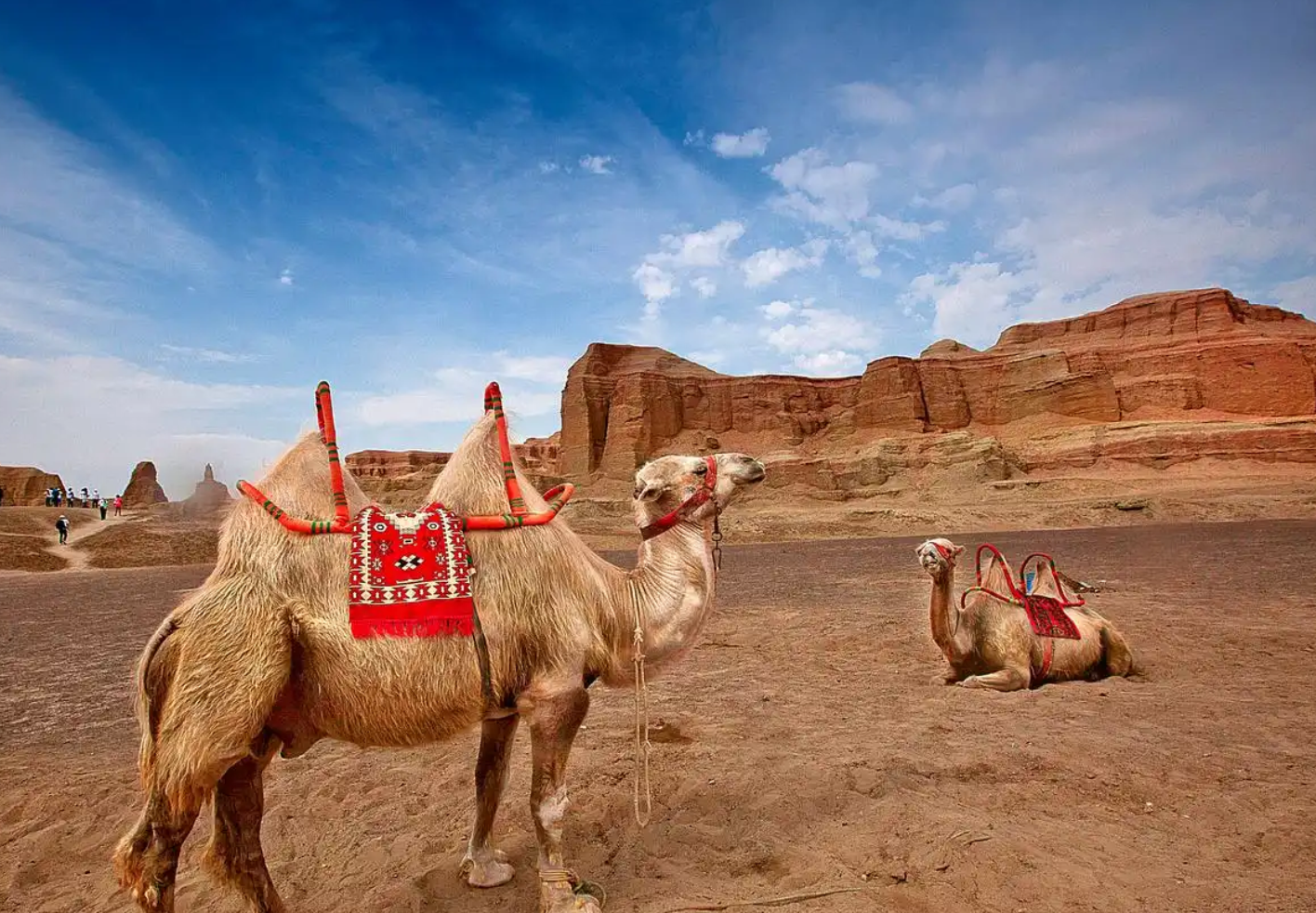
This is the camp for people who want the deep desert without the logistics degree. Camel strings leave most mornings for one-hour rides at 120 RMB or multi-day treks that need arranging well in advance. We did the one-hour version and my knees filed a complaint by minute forty. If a proper multi-day crossing tempts you, read our Taklamakan camel trek account first so you know what you are signing up for.
Getting to the camps
Kumtag is the easy one. High-speed trains from Urumqi reach Shanshan North in about 90 minutes, and camp staff arrange pickup for 50 RMB if you ask on WeChat a day ahead. For Lop Nur People Village, take a train or flight to Korla, then a taxi through Yuli, about 250 RMB one way; agree the price before the driver starts the engine. N39 requires effort: fly or train to Kashgar, then a transfer the camp organises for 400 RMB per vehicle. Between desert stops we based ourselves in cities, and our separate reviews of Xinjiang hotels across every budget and old town guesthouses cover those nights.
When to go
Skip July and August unless you enjoy 40 C afternoons trapped in canvas. Mid May to mid June gives warm days and manageable nights. September through late October is better still: daytime highs around 20 to 24 C, cold clear nights, and the poplar colour show at Lop Nur from roughly October 15 to November 5. Winter camps mostly close. Whatever month you pick, night skies are a genuine reason to stay over rather than day-trip; the Milky Way from N39 was the equal of anything I saw in Namibia, and our stargazing field guide lists which camps sit under the darkest skies.
Choosing your tent and booking it
Desert glamping Xinjiang operators use the word “tent” loosely. You will meet four types: geodesic domes with hard floors and bathrooms, safari-style wall tents with shared facilities, reed huts that are technically buildings, and basic pop-up tents that are just camping with a mattress. Ask for photos of the bathroom before you pay, not the sunset. Kumtag listings appear on Trip.com in English. Lop Nur and N39 needed WeChat and patience; the N39 manager answered in decent English, the Lop Nur contact used voice messages and a translation app, and both took payment on arrival. Foreign passports were no problem at any of the three, which is not something you can assume at every rural property, as we learned researching our yurt stay guide on the grasslands.
What you will eat
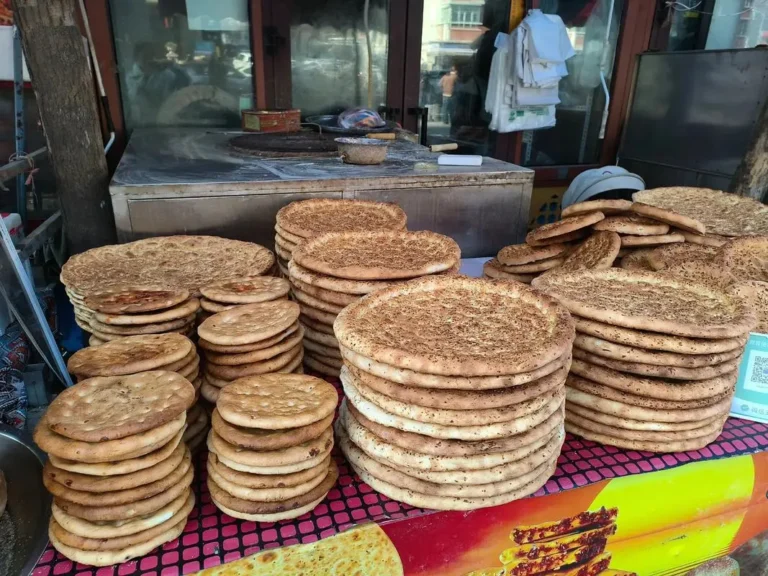
Dinner at Kumtag was a buffet built for tour groups: lamb skewers, big-plate chicken, too many cold dishes, perfectly fine. Lop Nur was the grilled Tarim fish plus naan, raisins and milk tea, simple and the best meal of the eleven nights. N39 did a set menu with lamb pilaf and pumpkin dumplings, and staged a dune-top dinner at sunset for 200 RMB extra per couple that felt touristy for the first ten minutes and then, once the wind dropped and the light went orange, entirely worth it. Vegetarians should message ahead at all three; the kitchens coped but needed notice.
Practical tips from someone who ran these operations
Bring silicone zipper spray or a plain candle to wax tent and duffel zips; Taklamakan sand is finer than Namib sand and it killed one of our zips in two days. Pack a headlamp because generator hours end. Charge power banks during the evening window. Take double the socks you think dignity requires, since sand goes everywhere and dinner in clean socks is a small luxury. Cash was unnecessary, WeChat Pay covered everything including the camel man. And check the wind forecast: camps rarely cancel for wind, but a 30 km/h day in the dunes is misery, and that is the day to be in a museum instead. If your budget will not stretch to any of this, wild camping is legal in fewer places than blogs claim, and our guide to camping safely in Xinjiang explains the rules that actually apply.
If you are based in the north
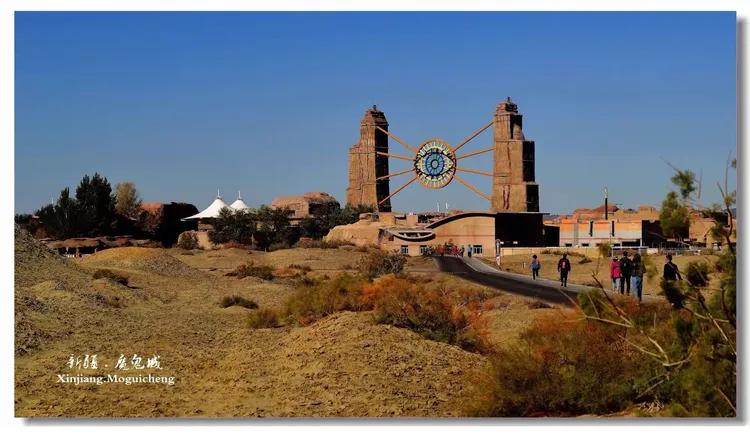
All three of our camps sit in the south and east. Travellers doing a northern loop have one good sand option worth knowing: the star-sky camp beside the Urho wind-eroded city outside Karamay, where domes face the rock formations rather than dunes. We visited for an afternoon without staying. The formations at sunset justified the detour on their own, and the camp looked well run, though I cannot vouch for the mattresses.
A workable 8-day desert camp route
Day 1: land in Urumqi, sleep in a city bed. Day 2: high-speed train to Shanshan, two nights at Kumtag, dawn dunes on day 3. Day 4: train to Korla via Turpan. Day 5: transfer to Lop Nur People Village, one night, poplar walk at golden hour. Day 6: back to Korla, fly to Kashgar. Day 7: transfer to N39, dune dinner. Day 8: camel ride at sunrise, return to Kashgar by evening. It is a lot of moving. If you have ten days instead, add the second night at N39; one night there is a tease.
Frequently asked questions
Is a Xinjiang desert camp suitable for children?
Kumtag and Lop Nur, yes, from around age five; short distances and staff who fuss over kids. N39 feels remote enough that I would wait until they are ten or so.
Do the camps have real toilets?
Kumtag and N39 have flush toilets in or beside the tents. Lop Nur has clean dry toilets a short walk away. Bring your own paper everywhere, a rule that never failed us in three weeks in China.
How cold does it get at night?
Late October gave us 2 to 7 C after midnight. Electric blankets at Kumtag and N39 handled it. At Lop Nur we slept in fleeces under two duvets and were fine, but light sleepers should aim for September.
Can foreigners book these camps directly?
Yes at all three we used, though only Kumtag was bookable on an English-language platform. For the others, ask your first-night hotel to make contact on WeChat, then continue the chat yourself with a translation app.
How does luxury camping in Xinjiang compare with Morocco or Namibia?
Hardware at the top end is newer than most Sahara camps I have seen photos of, and prices undercut Namibia by half or more. What you trade away is English-speaking staff and wine with dinner. For us that trade was easy.
Disclaimer
We paid our own way at every camp and have no commercial relationship with any operator named here. Prices and schedules are from October 2025 and will drift; treat them as a baseline and confirm current rates when you book. Camp facilities in this region change quickly, sometimes for the better.
About the author: Annelie du Toit spent twelve years managing a tented desert lodge near Swakopmund, Namibia, before semi-retiring into the far more relaxing business of testing other people’s camps. She travelled Xinjiang for three weeks in October 2025 with her husband Johan, a retired diesel mechanic who rates accommodation by the state of its generator shed. This article was fact-checked and edited by the Xinjiang Attractions editorial team.