Published: August 1, 2026 | Author: Daniel Reeve, a travel writer who has crossed Xinjiang in spring, high summer and again in late autumn
People ask me one question more than any other before they book: what is the best time to visit Xinjiang? I wish there were a single date I could hand over, but the honest answer is that it depends on which Xinjiang you want. This region is larger than most countries, and the Tianshan mountains split it into two climates that behave almost like separate places. The green grasslands of the north and the baking oasis towns of the south rarely peak at the same moment. I have been there in May when the passes were still snowed shut, in July when the lavender fields near Ili were in full colour, and in October when the birch forests at Kanas had turned gold. Each trip taught me something the guidebooks glossed over, so this guide walks through the year season by season, with the trade-offs I actually ran into.
Quick reference: when to go and why
Here is the short version before we get into detail. Use it to narrow things down, then read the season that matches your plans.
| Season | Months | Rough weather | Best for | Crowds & price |
|---|---|---|---|---|
| Spring | Apr–May | 10–22°C, changeable, mountain roads still closed | Apricot and apple blossom in the south, low prices | Low |
| Summer | Jun–Aug | North 18–28°C, south 35–45°C | Grasslands, lakes, lavender, melons | High, peak prices |
| Autumn | Sep–Oct | 8–22°C, dry and clear | Golden forests, desert poplars, photography | Medium, spikes at Golden Week |
| Winter | Nov–Mar | -25 to -5°C in the north | Skiing, snow villages, quiet old towns | Low, cheapest |
If you only remember one thing: for the classic northern scenery most visitors picture, aim for July for grasslands and flowers, or the last week of September into early October for autumn colour. Both are worth the extra planning. Leaf timing moves by a week or two each year, so our autumn foliage calendar tracks it valley by valley.
Summer (June to August): the reason most people come
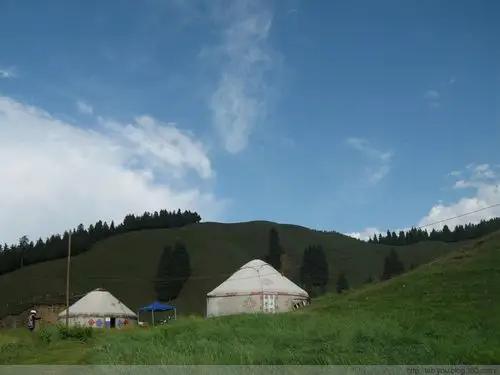
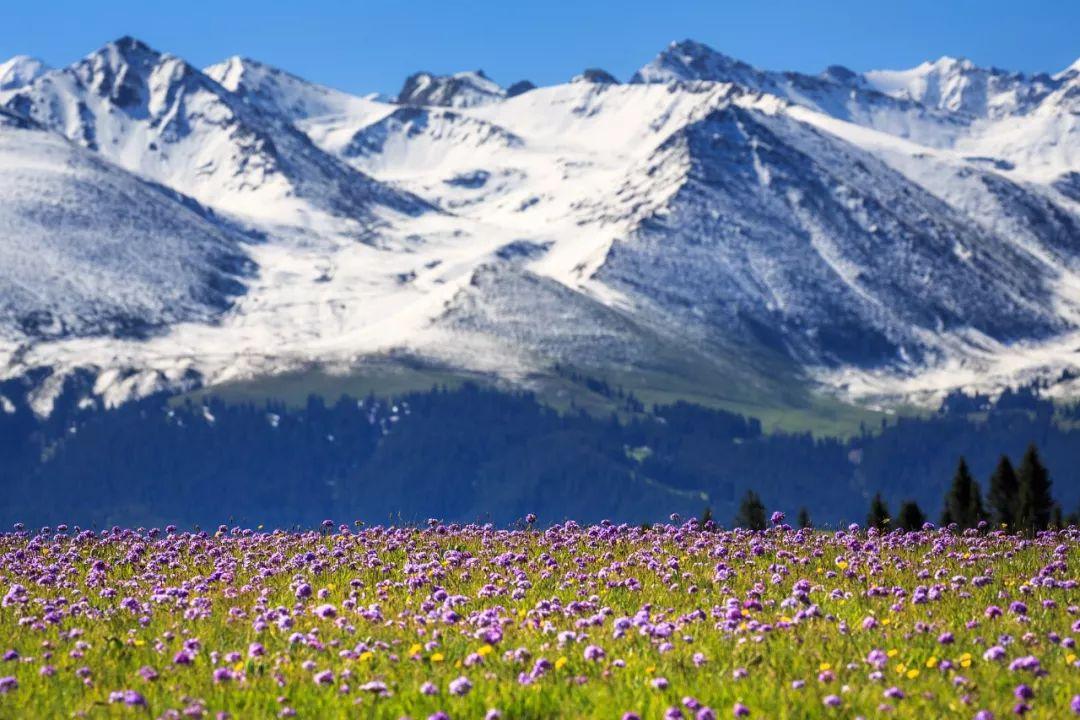
Summer is when northern Xinjiang looks the way it does on the postcards. When we drove the Ili valley in early July, the meadows at Nalati and Bayinbuluke were deep green, herders had moved their flocks up to the high pasture, and the light held until nearly ten at night because the sun keeps local hours out here. The lavender rows near Huocheng, west of Yining, usually open from around the third week of June into early July, so time that carefully if flowers are your goal; we arrived a few days late one year and caught the tail end rather than the full bloom.
The catch is the south. While the north sits in the low twenties, Turpan can climb past 43°C, and the Taklamakan fringe towns are punishing at midday. That is not necessarily a reason to skip them, because this is also when the fruit is at its best. If you want the region’s melons at their sweetest, plan the desert legs of your trip for morning and evening and read our notes on Hami melon and Xinjiang watermelon before you go.
One practical point that surprised us: summer is peak domestic travel season, overlapping with school holidays. Grassland yurts and popular hotels book out weeks ahead, and prices roughly double. If you can only travel in July or August, reserve accommodation early rather than winging it.
Autumn (September to October): my personal favourite
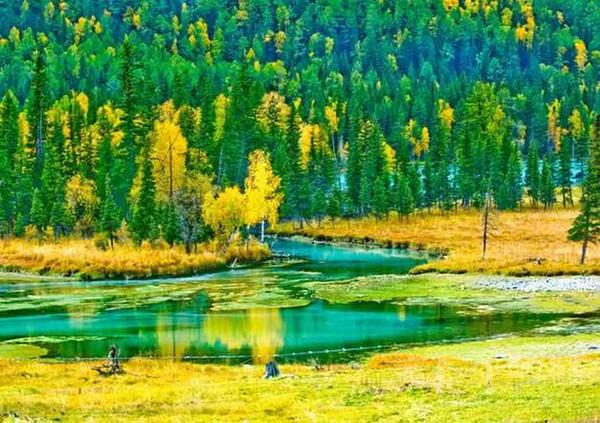
If someone forced me to pick one window, I would choose late September. The heat has broken, the air is dry and clear, and the north turns colour fast. At Kanas and the nearby village of Hemu, the birch and larch usually peak from around the last week of September into the first week of October. Further south, the desert poplars near Luntai and along the Tarim hold their gold a little later, generally mid-October, which lets you chase autumn twice on a single trip if your timing is good.
The one date to watch is the National Day holiday, October 1 to 7. Domestic tourism surges, roads clog, and the best viewpoints get busy at sunrise. We made the mistake of visiting Kanas during that week once and spent more time in shuttle-bus queues than we expected. Travelling in the ten days after the holiday gives you the same colour with a fraction of the crowd. For a fuller picture of how Chinese holidays reshape a trip, our guide to public holidays and travel crowds is worth a read.
Spring (April to May): quiet, cheap, and a bit of a gamble
Spring is the shoulder season, and it rewards flexible travellers. In the south, the apricot and apple orchards around Kashgar and the Ili valley blossom from late March into April, which is a genuinely lovely and underrated sight. Prices are low, the old towns are calm, and you rarely queue for anything.
The gamble is the high country. Many mountain roads, including the famous Duku Highway that links Dushanzi and Kuqa, stay closed under snow until early June, and weather in April can swing from warm sun to sleet within a day. When we went in early May, we had to reroute twice because passes had not opened. Spring works well if you focus on lower-altitude oasis towns and treat any alpine scenery as a bonus rather than a plan.
Winter (November to March): empty, cold, and quietly rewarding
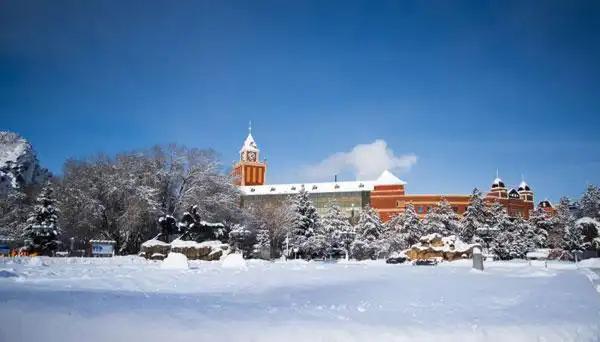
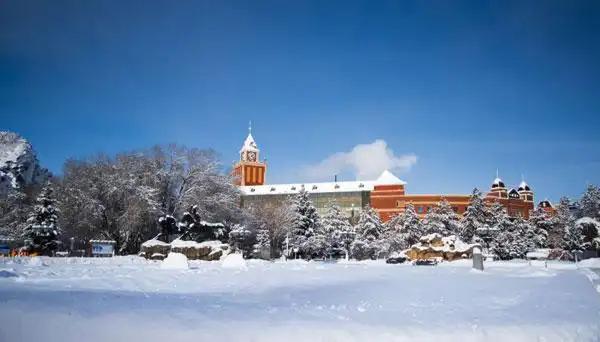
Winter is not the obvious choice, and that is exactly its appeal. Temperatures in the Altay region and around Kanas can drop below -25°C, but the ski resorts are excellent value, the snow villages feel genuinely lived-in rather than staged, and Kashgar’s old town is peaceful without the tour groups. Sayram Lake freezes into vast ice, and flights and hotels fall to their cheapest of the year. You need real cold-weather gear and a tolerance for short daylight, but if you want the region to yourself, this is the season. For ideas beyond the pistes, see our piece on Xinjiang winter adventures.
Getting around, and why timing affects it
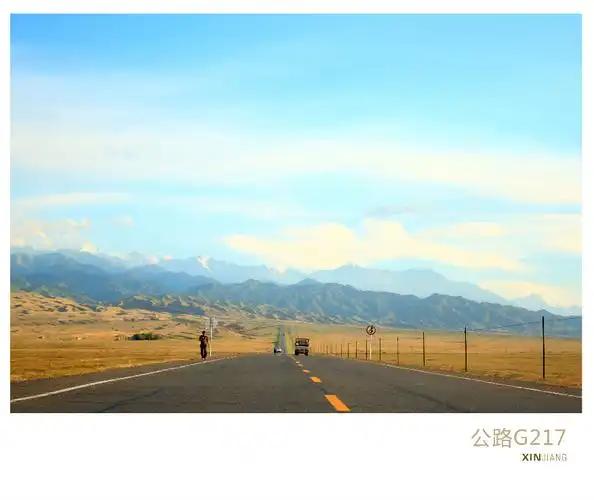
Season shapes logistics more than first-time visitors expect. Urumingqi’s Diwopu airport is the main hub, with regional flights to Kashgar, Yining, Kanas and Altay that save long overland days in summer. The high-speed rail line to Turpan and beyond runs year-round, but scenic mountain roads are seasonal: the Duku Highway is generally only open from early June to early October, and heavy autumn snow can close it early. If a specific drive is central to your plan, confirm it is open before you lock in dates rather than assuming.
Where to stay in each season
In summer, grassland yurts and lakeside guesthouses are the experience, but they fill fast and are basic on comfort. In autumn, town hotels in Buerjin (the gateway to Kanas) or Yining make comfortable bases. Winter travel is easiest from city hotels with reliable heating. Whatever the season, I book the first and last nights near the airport and stay flexible in between. Our overview of Xinjiang hotels from budget to luxury breaks down what to expect at each price point.
Food follows the seasons too
What lands on the table shifts through the year. High summer means melons, apricots, figs and grapes, especially around Turpan and Hotan. Autumn brings walnuts, pomegranates and the first of the winter lamb. Cold months lean into hearty polo (pilaf), hand-pulled laghman noodles and slow-cooked mutton that make sense when it is freezing outside. Whenever you go, a bowl of noodles and a skewer of lamb from a street grill is rarely a bad decision.
Practical tips I wish I had known
- Two clocks, one region. Official schedules run on Beijing time, but locals use unofficial Xinjiang time about two hours behind. Always confirm which one a driver or guide means for pickups.
- Distances are enormous. A “short hop” between towns can be a six-hour drive. Build in slack, especially in summer when you may want daylight photo stops.
- Pack for range. Even in July, grassland nights get cold and mornings need a fleece, while the desert bakes by noon. Layers beat a single heavy coat.
- Sun is fierce. The altitude and dry air mean strong UV in every season, including winter snowfields. Sunscreen and lip balm are not optional.
- Carry documents. Registration checks are routine; keep your passport handy rather than buried in a bag.
A flexible sample plan for the peak windows
If you have around ten days and are targeting the best scenery, this rhythm has worked well for us in both July and late September:
- Days 1–2: Arrive Urumqi, adjust to the time and distances, day trip to Tianchi (Heavenly Lake).
- Days 3–5: Fly to Kanas, base in Buerjin, explore Kanas Lake and Hemu village.
- Days 6–8: Head to the Ili valley for Nalati grassland, Sayram Lake and, in summer, the lavender fields.
- Days 9–10: Return via Urumqi or continue south to Turpan if you can handle the heat.
Frequently asked questions
What is the single best month to visit Xinjiang?
For most visitors, September is the strongest all-round choice: comfortable weather, clear skies and the start of autumn colour, without the summer crowds. July is the pick if grasslands and flowers are your priority.
Is winter really worth it?
Yes, if you want low prices, quiet sites and snow scenery, and you are prepared for serious cold. It is not the trip for anyone chasing green landscapes.
When do the lavender fields bloom?
Near Huocheng in the Ili valley, roughly the third week of June into early July. Bloom timing shifts year to year, so check locally before committing.
Can I see autumn colour and avoid crowds?
Travel in the ten days after the October 1–7 holiday. You keep most of the colour and lose most of the queues.
Are the mountain roads always open?
No. Scenic routes like the Duku Highway typically open only from early June to early October, and snow can close them without much warning. Confirm before you build a trip around a specific drive.
A note before you book
Disclaimer: Conditions in Xinjiang change with the weather and with policy, and this guide reflects our own trips and research as of August 2026. Bloom dates, road openings, transport schedules and entry requirements can shift, so treat the timings here as a starting point and verify the details for your specific dates through official channels before you travel. We do not exaggerate the highs or hide the awkward parts; the aim is to help you choose a season that fits what you actually want.
About the author: Daniel Reeve is a travel writer who has made three separate trips to Xinjiang, in spring, mid-summer and late autumn, covering the Ili valley, the Altay region and the southern oasis towns. He focuses on practical, first-hand travel guidance for independent visitors. For more seasonal planning help, browse our related guides to common Xinjiang travel questions.