Published: August 6, 2026 | Author: Dan Whitfield, landscape photographer, four trips to Xinjiang between 2021 and 2026
The hardest part of a Xinjiang photography itinerary is not deciding where to point the camera. It is arithmetic. Xinjiang runs on Beijing time while sitting two to three hours of longitude west of it, so in early autumn the sun comes up near eight in the morning and, in Kashgar, does not set until almost nine at night. Stack five-hour drives on that and you get the mistake I made on my first visit: reaching a well-known viewpoint at two in the afternoon, sun straight overhead, with six empty hours before anything worth exposing for.
So this page is a timetable rather than a location list. Where the good frames are, which lenses earn their weight and what the drone rules say are covered in our Xinjiang photography guide, and I am not repeating any of it. What follows answers four questions per day: what time to be standing somewhere, which way the sun will be, how long the transfer takes, and what you shoot instead when the sky closes in.
What this schedule covers, and what it leaves out
Every time below is Beijing time, because that is what your train ticket, your hotel breakfast and your driver all use. Locals in the south often quote an unofficial “Xinjiang time” two hours behind, so if someone says meet at six, ask which six. The sun figures are for the last week of September and drift a minute or two a day either side.
Two things are deliberately absent. Night work has its own driving plan and lives in our Xinjiang stargazing and astrophotography guide. Which week the poplars turn is answered region by region in the autumn foliage calendar. This page assumes you have picked your dates and now need to survive them.
Xinjiang photography itinerary at a glance
| Day | Base | Be in position by | Evening window | Driving |
|---|---|---|---|---|
| 1 | Urumqi | Arrival day, no dawn call | 19:40 to 21:00 | Airport transfer only |
| 2 | Sayram Lake | 07:50 (lake edge) | 20:10 to 21:15 | Approx. 6 h from Urumqi |
| 3 | Sayram Lake | 07:50 (north shore) | 20:10 to 21:15 | Under 1 h, local only |
| 4 | Nalati / Ili valley | 07:45 (grassland ridge) | 20:00 to 21:05 | Approx. 5 h |
| 5 | Bayinbuluke | 07:45 (Kaidu river bend) | 19:55 to 21:00 | Approx. 3.5 h |
| 6 | Duku Road, north-bound | 08:00 (pass viewpoints) | Roadside, variable | 7 to 9 h with stops |
| 7 | Burqin | 07:40 (Irtysh gravel bar) | 19:50 to 20:55 | Transfer day |
| 8 | Kanas | 07:20 (Guanyu Pavilion) | 19:45 to 20:50 | Shuttle only |
| 9 | Hemu | 07:15 (village overlook) | 19:45 to 20:50 | Approx. 2 h plus shuttle |
| 10 | Back to Urumqi | 07:15 if you want one more | Travel | Flight or 10 h drive |
The “be in position by” column is not sunrise. It is sunrise minus roughly forty minutes, because the twenty minutes before the sun clears the ridge is usually the best part, and you will need the rest to find your feet in the dark.
Which month gives which light
June and July give the longest days and the flattest light. Sunset in Kashgar creeps past 21:30, which sounds generous until you realise the harsh middle of the day now runs from ten in the morning to seven at night.
Late September through mid-October is what this schedule is built for: lower sun, side light lasting an hour instead of twenty minutes, and morning valley fog in the north. Winter flips the maths again, with the Kanas sun rising near 10:20 and setting before 19:00, so you shoot all day in effectively permanent golden hour, but half the roads are shut.
How I built these timings, and the two mornings they failed
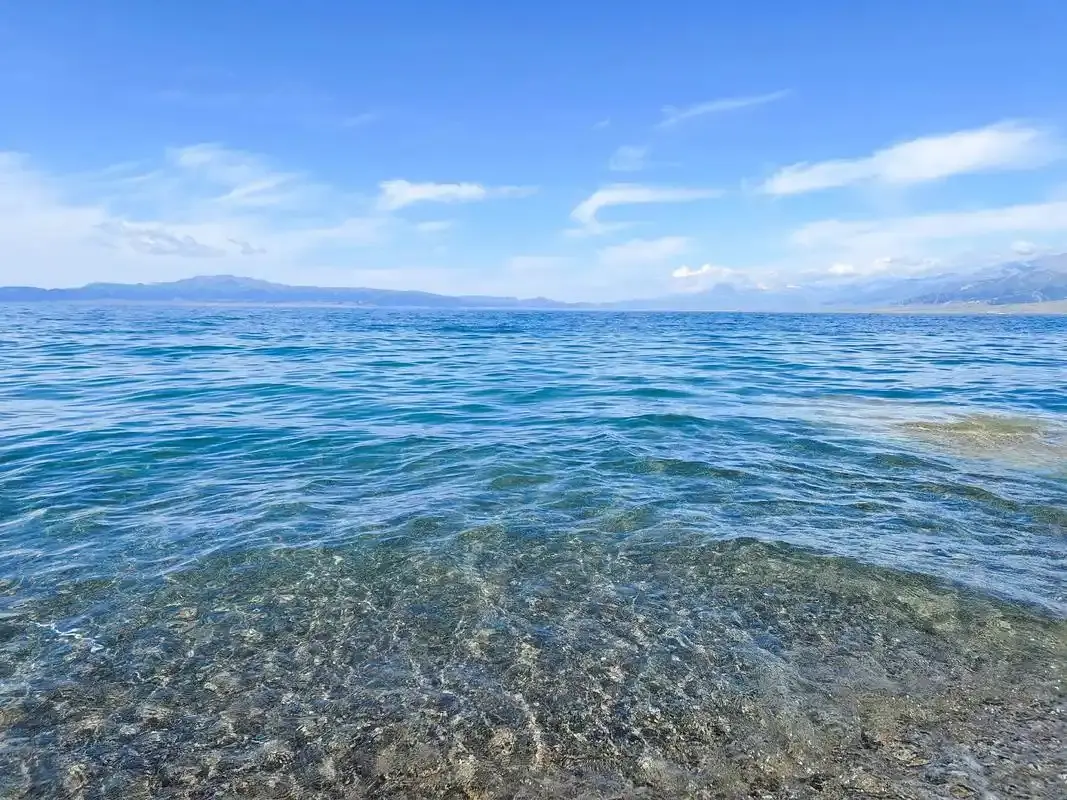
The first version came out of a notebook I kept in 2023, where I logged the actual minute the sun hit each subject rather than the minute the app predicted. At Sayram Lake the app said 07:57; light did not reach the eastern shore until 08:26, because the Boro Khoro range was in the way. Anywhere you shoot east across a valley, add twenty to thirty minutes to whatever your phone says.
Two mornings went wrong badly enough to pass on. At Bayinbuluke I set up for the river bend at first light and found the basin under a metre of ground fog that did not lift until half ten; the unplanned fallback, close work on frost-rimed grass, turned out to be better material. The second failure was Hemu: one night booked, cloud came in, nothing to show. Next trip I booked two and got the smoke-through-fog morning on the second. That extra night is the one budget decision here that reliably pays for itself.
I also stopped treating midday as dead time. Between roughly 11:00 and 17:00 I do the unglamorous work: bazaar interiors, card backups, and scouting the evening position on foot.
Days 1 to 3: the north-west, with the sun behind you
Day one is a write-off photographically. Most international arrivals reach Urumqi late morning on a domestic connection; buy a SIM, confirm the car, sleep.
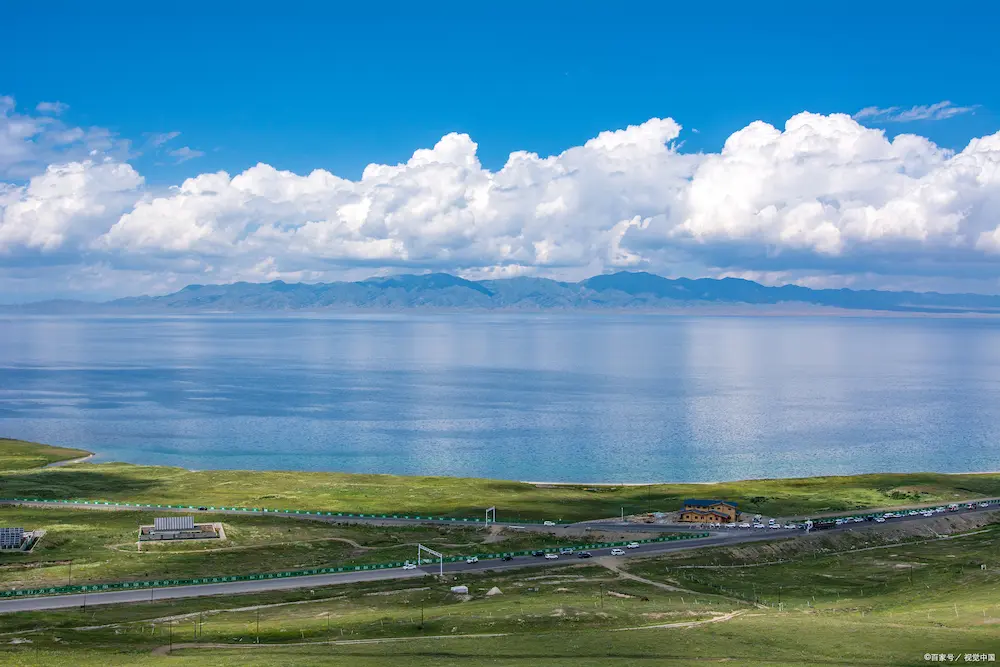
Day two is the long one. Leaving Urumqi at 07:00 puts you at Sayram Lake in early afternoon, exactly the wrong light, so treat the drive as scouting and shoot the evening. The wind usually drops about an hour before sunset, and that lull from 19:15 to 20:10 is when the water goes glassy. The reflection frames people come for are an evening subject, because the range flanking the lake blocks early sun from the eastern shore.
Day three is the reward for not moving. Shoot the north shore at dawn with light over your shoulder onto the peaks, then return to the same evening spot with the composition already solved. Two evenings at one location beats two locations with one evening each.
Days 4 to 6: the Ili run and the afternoon problem
The transfer from Sayram to the Nalati area runs about five hours and holds the day’s central trap. Leave after breakfast and you arrive at two in the afternoon with the grassland lit like a car park. Leaving at 05:30 in the dark gets you there for a late-morning shoot with some modelling still in the hills. I have done it both ways; the early start is worth the discomfort.
Bayinbuluke on day five is where I break my own rule and shoot from one fixed spot for two hours. The Kaidu river meanders enough that the setting sun multiplies across every bend. Be there by 18:30, accept that you will be cold, and do not pack up at sunset; the best colour on the water lands about fifteen minutes after.
Day six is the Duku Road, the day most likely to break the schedule. The mountain highway is slow, with roadworks, livestock and queues at the tunnels; nine hours is realistic once you stop for frames. Treat it as a light-of-opportunity day. If you are driving yourself, read up first in our guide to renting a car in Xinjiang.
Days 7 to 10: Kanas fog and the last gold
Burqin is a stopover rather than a destination, but the Irtysh gravel bars at dawn are quiet, and it is one of the few mornings where you can walk to your position from the hotel.
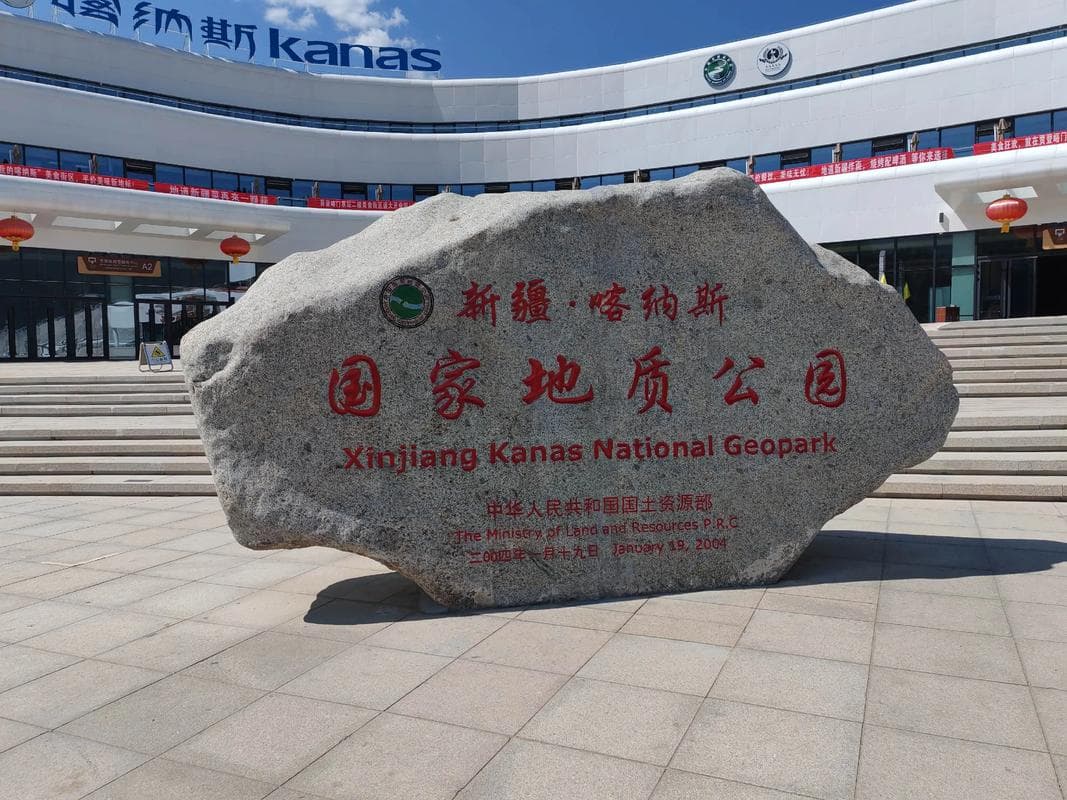
At Kanas the timing is unusual because you are not fighting the sun, you are fighting the shuttle bus. Internal park transport does not always run early enough to reach the high viewing pavilion before first light, so the practical answer is to sleep inside the park boundary and take the earliest service or walk. The river bends work from around 07:40 as fog separates from the water; by 09:30 the fog has gone and so has the picture.
Hemu on day nine is the same phenomenon in another key, with chimney smoke mixing into river fog, best from the overlook above the village and finished by nine. This is the frame that justifies the extra night. Day ten is travel, though if your flight from Kanas or Altay is in the afternoon there is a dawn slot, and I would take it.
Transfer maths: the drives that decide whether you make the light
Three transfers are long enough to eat a shoot. Urumqi to Sayram is about 600 km and six hours with one meal stop. Sayram to Nalati is five. Bayinbuluke to Burqin over the Duku Road is the monster, and two days is more comfortable than one.
My rule now: never schedule a transfer that ends within two hours of sunset. Either arrive with four hours to spare so you can scout, or accept the dark and shoot the next morning. If photography is a secondary interest, the more relaxed pacing in our Xinjiang 10-day itinerary may suit you better. Trains between Urumqi and Yining are restful but remove your ability to stop at 07:50 for something unexpected.
Bad weather substitutions I actually use
Roughly one morning in three will not deliver, and deciding the substitution in advance keeps the day from collapsing.
Flat grey light on the grassland sends me to livestock and herders at close range, where overcast becomes a large soft source instead of a problem. Rain at Kanas sends me onto the birch forest boardwalks, where saturated colour holds in a way direct sun would ruin. Spring dust haze in the south means giving up on distance and working the old town lanes instead.
The one condition worth the alarm even on a poor forecast is a clearing storm. Twice in 2023 the app said rain and what arrived was ten minutes of broken cloud with light through the gaps.
Where to sleep so you can be first on the ridge
Proximity beats comfort here. At Sayram Lake the yurt camps on the northern shore put you fifteen minutes from the water, while the far nicer hotel an hour away costs you the morning. Take the yurt.
At Kanas, sleeping inside the scenic area at Jiadengyu or in the village is the most useful accommodation decision on the route, because outside visitors are held at the gate until opening. Hemu’s timber guesthouses are basic, cold and perfectly placed. Book both well ahead for late September; the autumn window is short and Chinese photographers know about it too.
Eating around the light windows
Meal timing is a genuine logistical problem here. Kitchens in the north often do not open before nine, which is after your morning shoot ends, and many close by nine at night, when you are walking back from the evening one.
Ask your guesthouse the night before for bread and boiled eggs to take away; almost everyone obliges. Nan keeps for days in a camera bag and is good cold. In the evenings, lamb kebabs and hand-pulled laghman cook fast enough that a kitchen will still make them late. In Burqin, Irtysh fish grilled whole with cumin is worth building a failed-light evening around.
Frequently asked questions
Do I need to be up before dawn every day?
No. Four mornings genuinely matter: Sayram day three, Bayinbuluke, Kanas and Hemu. Sleep through the others.
How much does the time difference affect planning?
It affects services rather than light. The sun does what it does; shops, ticket offices and kitchens run late relative to the clock. Expect scenic areas to open around 09:00 or 10:00 Beijing time, often after first light.
Can I do this route without hiring a driver?
Self-drive works and is increasingly common, though it needs a Chinese licence or a temporary permit arranged in advance. Public transport reaches the main bases but will not put you on a ridge at 07:40.
What about permits and restricted areas?
Most stops here are ordinary scenic areas with no special paperwork. Border zones near the Kazakh, Russian and Mongolian frontiers are a different matter and the rules change, so ask locally rather than trusting anything written months earlier, including this page.
Disclaimer
Sun times here are calculated for the last week of September and rounded to five minutes; verify them for your own dates. Drive times come from my 2023 and 2025 trips and vary with roadworks, weather and checkpoints. Access rules, seasonal closures and park opening hours change without much notice, and the Duku Road is shut for roughly half the year. Confirm conditions with local authorities, your accommodation or official park sources before travelling. Nothing here is sponsored.
About the author
Dan Whitfield is a landscape photographer based in Wellington, New Zealand. He has made four trips to Xinjiang since 2021, three of them in autumn, and logs the real minute light arrives at each location rather than trusting a forecast. He shoots a 24-70mm and a 100-400mm, travels without an assistant, and has driven around 6,000 km inside the region.