Published: August 14, 2026 | Author: Karl Huang
The first time I stepped off the night train in Urumqi in early July, the thing that hit me was not the heat. It was the air. Within a day my lips had split, my nostrils felt like sandpaper, and on the second morning I woke to a nosebleed that would not quit. That experience is why I take Xinjiang dry climate health seriously, and why this guide is built from what actually happened to me and the fixes that worked.
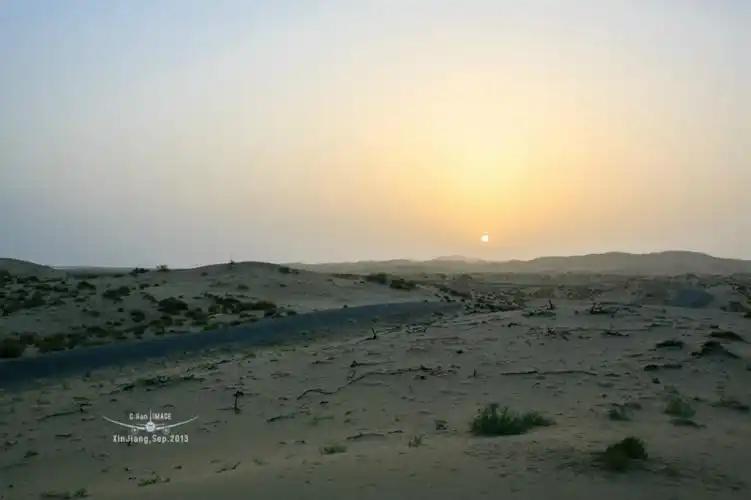
Xinjiang sits deep inside a continent, far from any ocean. That geography makes the air hold almost no moisture, and the high elevation across much of the region thins it further. Add a sun that sits at a steep angle for long hours, and you get a combination that catches almost every first-time visitor off guard. This is not medical advice dressed up as travel writing. It is a field report, with the practical steps I now use on every trip.
Xinjiang Dry Climate Health: What Actually Happens to Your Body
Most travelers expect to worry about altitude. Fewer expect their nose to start bleeding at 800 meters above sea level, which is roughly Urumqi’s elevation. The cause is simple: when humidity drops below 30 percent, the delicate lining inside your nose dries out and cracks. A tiny blood vessel breaks, and you are holding tissue to your face. The same dryness pulls moisture from your skin and lips, and the intense ultraviolet light does the rest.
Here is the short version of what to expect, and what to do about it.
| What you feel | Why it happens | What fixes it fast |
|---|---|---|
| Nosebleed or dry crusty nostrils | Mucous membranes dry and crack | Saline nasal spray 3-4 times a day; sleep with a cup of water near the bed |
| Cracked, bleeding lips | Low humidity plus wind | Petroleum jelly or a thick balm, reapplied hourly outdoors |
| Sunburn despite a cool breeze | UV reflection off sand and snow | SPF 50, reapply every 2 hours, wear a brimmed hat |
| Constant thirst, headaches | Hidden water loss through skin and breath | Drink 2.5-3 liters a day; scale up in heat |
| Static shocks, itchy skin | Air too dry for comfort | Moisturizer after showers; ask hotel for a humidifier |
My First Week: A Personal Account
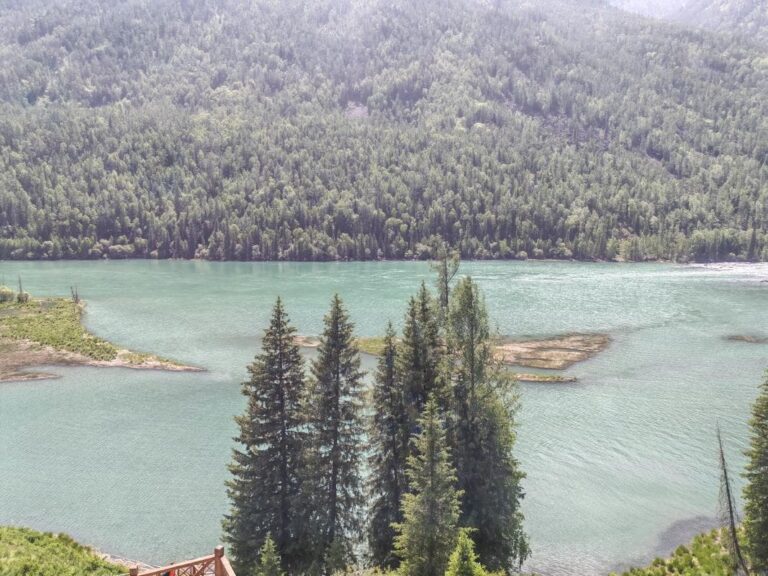
We arrived in Urumqi and spent the first afternoon walking the International Bazaar. The sun felt mild, so I skipped sunscreen. By evening my cheeks were pink. The next day we drove toward Sayram Lake, climbing past 2,000 meters. The wind off the water was cold, but the UV burned straight through my jacket collar. That night the nosebleed started.
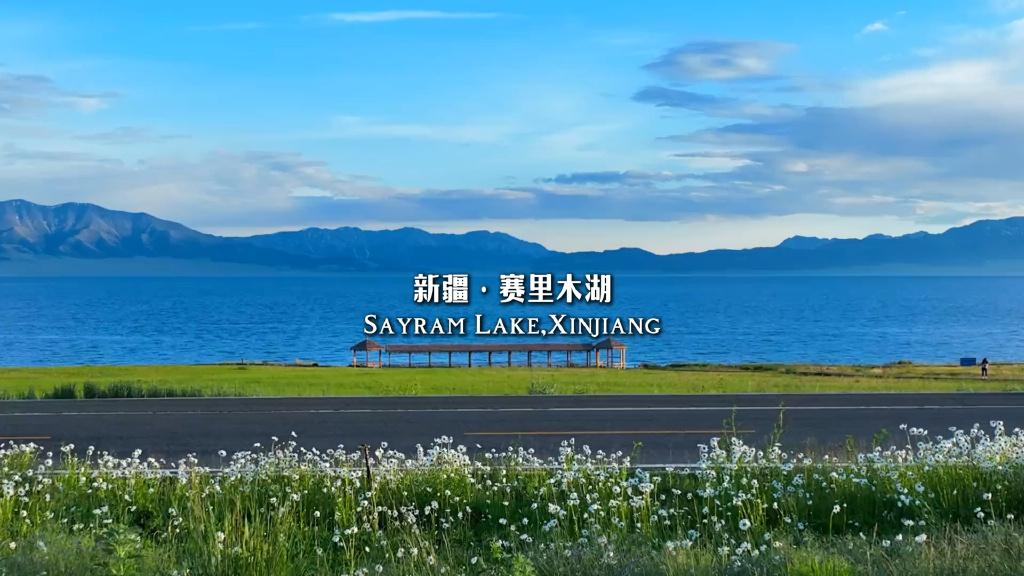
I learned three lessons that week. One: the breeze lies. Wind makes 30 degrees feel like 22, so you do not notice the burn until it is done. Two: water disappears from your body without warning. I was urinating pale and still felt parched because I was breathing out moisture on every mountain pass. Three: a small bottle of saline spray from a Urumqi pharmacy cost less than a dollar and ended the nosebleeds in two days. I have carried one ever since.
If your route goes higher, into the Pamir or the Tianshan passes, the thin air stacks on top of the dryness. Read our altitude sickness guide before you go, because dehydration makes altitude symptoms worse.
Getting There: The Climate on the Move
Long transfers are where people slip up. The train from Xi’an to Urumqi runs about 24 hours, and the cabin air is drier than the desert outside. I now board with a 1.5-liter bottle and refill at station stops. Buses across the south, from Kashgar toward the Pamir, sit in full sun for hours with weak air conditioning. On those rides I keep the blinds half-closed and the water bottle in hand.
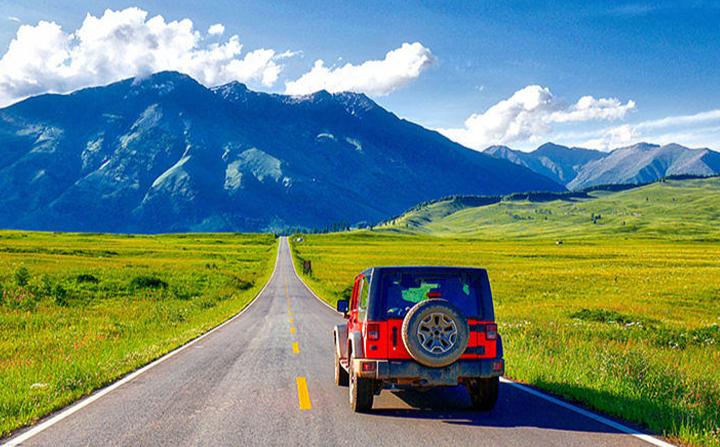
If you are self-driving the Dushanzi-Kuqa section or the road to Karakul Lake, the wind through a cracked window will sandpaper your throat. Close it, sip often, and pull over before you feel tired. Fatigue in this climate arrives early and quietly.
Best Time to Travel for Sensitive Skin and Sinuses
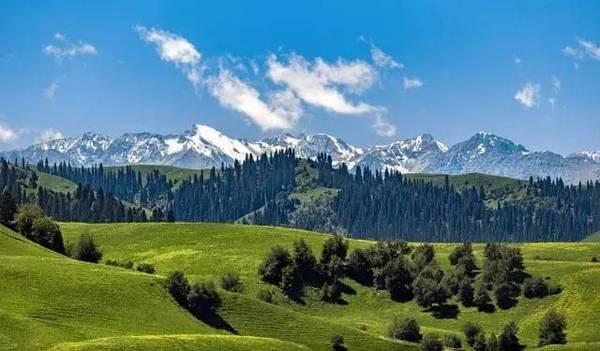
Spring brings dust storms and the strongest winds of the year, which I find the hardest on the nose. Summer is hot but the low humidity means evenings cool fast; this swing is rough on the skin. Autumn, especially late September through October, is the gentlest: cooler sun, calm air, and the poplar forests at their best. Winter is bone dry and the indoor heating makes hotel rooms worse than the street, so pack heavier balm and a travel humidifier.
For a full seasonal breakdown, see our piece on winter in Xinjiang, which covers how the dry cold affects your body and what to add to your bag.
Where You Sleep: Hotels and Humidity
Most mid-range hotels in the region run powerful central heating in the cold months and leave the air conditioning running in summer, both of which strip moisture from the room. When I check in, I ask the front desk for a humidifier; in better hotels they have one, and in smaller ones they may lend a kettle trick of leaving a half-filled bowl of water near the vent. A travel-size ultrasonic humidifier that fits a water bottle is worth the luggage space if you have sensitive airways.
I also keep the bathroom door open after a hot shower so the steam spreads into the room. Small habit, real difference by morning.
Eating and Drinking: Use the Local Menu
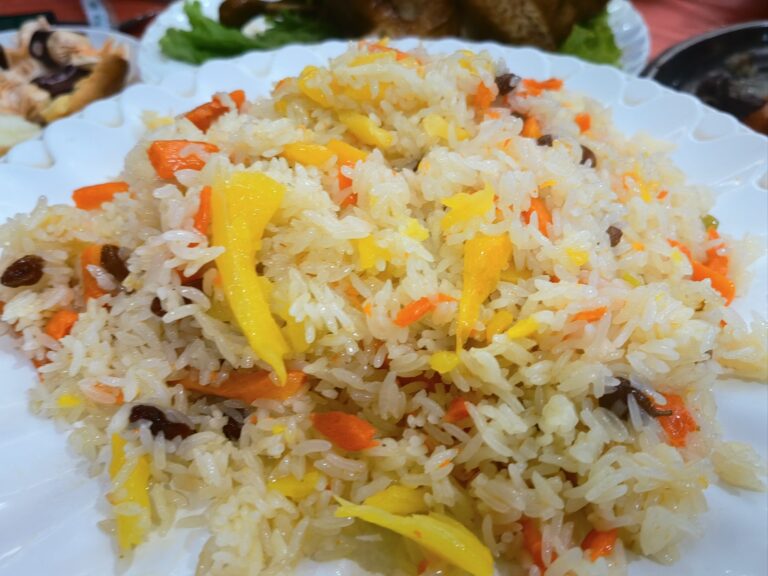
The local diet already solves part of the problem. Turpan grows melons and grapes with a water content that helps, and a bowl of laghman or a plate of juicy packed snacks between meals keeps energy steady. I drink the milk tea (süt chay) in the north and plain green tea in the south, both warm and lightly salty at times, which the body absorbs better than cold fizzy drinks in this heat.
Two things I avoid in the first three days: too much alcohol, which compounds dehydration, and overly salty roadside food late at night. After the body adjusts around day four, normal eating is fine.
Practical Tips I Actually Use
This is the checklist I run through now, and it has kept me bleed-free on three return trips.
- Carry a pocket saline spray and use it before bed and on every long drive. The pharmacy brand works as well as the imported one.
- Apply lip balm the moment you wake, not after the cracks appear. Once split, it takes days to heal in this air.
- Wear sunglasses with UV protection even when it is cloudy. The glare off pale desert and snow is what tires the eyes.
- Set a phone reminder to drink. Thirst lags behind water loss here, so do not wait to feel it.
- Pack a light scarf. Locals use one to cover the mouth on dusty spring days, and it cuts the wind on open passes.
- Moisturize after every shower and keep a small tube in your daypack for midday tops-ups.
- Watch children and older travelers closely. They show dryness later and crash harder.
A Sample Day on the Road
To make the advice concrete, here is how I structure a typical dry-climate day in the region.
07:00 – Glass of water before coffee. Nasal spray and lip balm before leaving the room.
09:00 – First sightseeing block. Hat on, sunscreen applied, scarf handy.
11:30 – Water break even if not thirsty. Refill bottle at any shop; they are everywhere.
13:00 – Long lunch with soup or tea. Rest in shade during the harshest sun.
16:00 – Second sunscreen pass if still outside. Another water top-up.
21:00 – Moisturize, run the humidifier, and place water by the bed.
Frequently Asked Questions
Do I really need sunscreen if it is not hot?
Yes. The burn comes from UV, not temperature. I have burned on a 14-degree day near a lake because the surface reflected the light back at me.
Is the tap water safe to drink?
I do not drink it straight. Bottled water is cheap and sold at every stop, and it is the easy choice for staying hydrated without stomach trouble.
Will the dryness ruin my trip?
Only if you ignore it. A few cheap items and a habit of drinking solve nearly all of it. Most visitors feel normal by day three.
Are children more at risk?
They are, because they notice thirst late. I keep my nephew’s spray and bottle in plain sight and make drinking a game on long drives.
Disclaimer
This article is based on personal travel experience and general knowledge of the region’s climate. It is not a substitute for professional medical advice. If you have a heart, lung, or skin condition, or if symptoms persist or worsen, consult a doctor before and during travel. Weather, elevation, and individual health vary, so use your own judgment and local guidance.
About the Author
Karl Huang is a travel writer who has spent multiple seasons crossing Xinjiang by train, bus, and rented car, from the bazaars of Urumqi to the Pamir passes above Kashgar. He focuses on practical, first-hand guidance for international visitors and tests every tip in the field before publishing. For more preparation, read his 20 things to know before you go.