Published: August 14, 2026 | Author: Karl Huang
Why you can trust this guide
When we first started helping foreign travellers plan trips across Xinjiang, the single most common money question we received was about Xinjiang tipping. Visitors from the United States or parts of Europe often assume a 15 to 20 percent gratuity is built into every meal and taxi ride. It is not. Across China, and Xinjiang is no exception, tipping is not part of daily life. This guide comes from notes we took over several trips, plus conversations with local drivers, hotel staff and restaurant owners in Urumqi, Kashgar and Turpan. We are not telling you to abandon your habits, but we want you to know what actually happens so you neither offend anyone nor overpay.
Quick reference
| Situation | Expected tip | What really happens |
|---|---|---|
| Restaurant meal | None | Price is the price; rounding up is optional and rare |
| Taxi or rideshare | None | Pay the meter or quoted fare; no rounding expected |
| Hotel housekeeping | None | Not expected; a note and small bill is a surprise, not a duty |
| Private tour guide or driver | Optional | Appreciated for real extra effort, never demanded |
| Bellhop or concierge (4–5 star) | 10–20 yuan | Accepted in international hotels, never required |
| Bazaar purchase | None | You haggle instead of tipping — see our bargaining guide |
What we found on the ground
We spent about a month travelling between Urumqi, Kashgar and the Ili valley, and the pattern held in every city. At a hand-pulled noodle shop in Kashgar old town we tried to leave a 10 yuan note on the table. The owner came to the door and pressed it back into my hand, laughing, saying the meal was already paid and the tip would confuse his staff. On a guided run to the Karakoram Highway, our driver first refused any cash, then accepted a small amount after we framed it as thanks for fixing a flat tyre at altitude without complaint. Those two moments sum up the region: ordinary service does not expect a tip, but genuine effort is quietly appreciated.
The confusion usually starts at hotels. In a five-star tower in Urumqi, the bellhop who carried our bags to the room said nothing about money, yet a 20 yuan note was clearly welcome and slipped into a pocket without fuss. At a family guesthouse in Hemu, the same gesture would have embarrassed the host. Reading the room matters more than following any printed rule, and most of the time the safest move is to do nothing. We also learned that tipping inside a state-run cafe at a scenic spot is unheard of; the staff are on salary, and any cash would be handed to a manager rather than kept by the person serving you.
Xinjiang tipping at restaurants, kebab stalls and teahouses
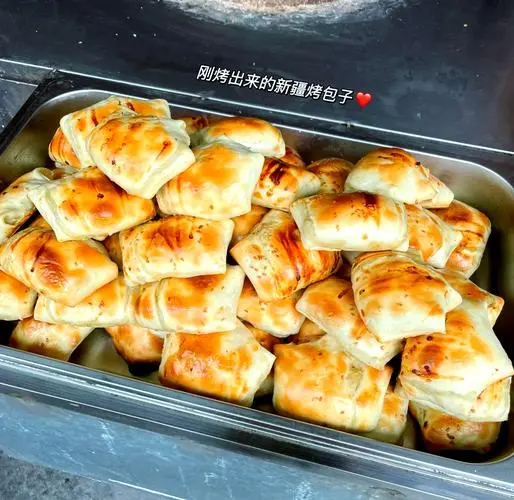
Food is where visitors most want to tip, and it is also where it matters least. Sit-down restaurants add no service charge, so the bill you receive is the full amount. Leaving coins or rounding up is unusual but harmless. At a kebab stall (chuanr) on a night market, the cook is focused on the grill; a tip would confuse the people waiting behind you. In a Uyghur teahouse, buying another round of tea for the table is a far better gesture than leaving loose change.
One exception we saw in person: a wine bar in Urumqi that caters to expats had a tip jar by the till, and there a few yuan fitted the setting. Match the venue. If there is no jar and no international clientele, skip it. For context on what to eat and how places are run, our guide to Xinjiang tea and spice shopping covers the market side of dining out.
Getting around: drivers, taxis and guides
Taxis and rideshare apps such as DiDi charge a metered or quoted fare. Drivers do not expect a tip, and rounding to the next yuan is not a local habit. We once added 5 yuan to a long airport run; the driver looked puzzled, then pocketed it without comment. No harm done, but no need to repeat it.
Private car and driver hires are different. If you book a multi-day self-drive or a guide through an agency, a tip at the end for strong service is normal in the international travel world, and many Xinjiang drivers who work with foreign clients have come to expect a small one. We cover the logistics of arranging your own vehicle in our guide to renting a car in Xinjiang. For moving between cities, see how to get to Xinjiang, which explains trains and flights with no gratuity involved at any step.
A good rule we follow: tip the guide or driver only if the service went beyond the contract, and do it in private, not in front of other passengers or their colleagues.
Does the season change anything?

Not much, but festivals shift the mood. During Navruz in spring, or the summer flower seasons in Ili, you may be invited to a family table. Bringing a gift — a bag of fruit or sweets — means more than cash ever would. In winter, when towns are quiet and heating matters, small kindnesses from staff stand out, and a modest tip at a hotel that kept you warm through a power cut is a fair thank-you. The amount never needs to be large; intent carries it.
Hotels and guesthouses
International-chain and four- or five-star hotels in Urumqi and Kashgar are the only places where a tip is quietly understood. Bellhops, concierge staff who print your tickets, and a doorman who flags a cab might each receive 10 to 20 yuan. Housekeeping does not expect it; if you leave a note and a small bill, treat it as a pleasant surprise for the cleaner, not an obligation. If you stay several nights, a small tip to a specific helpful receptionist on departure is acceptable in top hotels, but only if they went out of their way to help with a booking or a problem.
At budget hotels, homestays and yurts on the grassland, do not tip. The hosts treat you as a guest in their home, and money on the pillow reads as a transaction rather than warmth. A written review or a photo sent later lands far better, and costs you nothing.
Practical tipping tips
- Carry small bills. If you do tip, 10 or 20 yuan notes avoid the awkwardness of large amounts changing hands.
- Tip in private. Hand it over quietly; public tipping can embarrass the receiver in front of colleagues.
- Never tip a government worker, border officer or police checkpoint. It can be read as a bribe and create real trouble.
- Match the setting. No jar, no international crowd, no tip.
- When in doubt, buy the person a tea or a snack instead of leaving cash on the table.
A sample day and where tipping fits
To make this concrete, here is a day we logged in Kashgar, with gratuity noted only where it actually appeared:
- 08:00 Taxi from hotel to Id Kah Mosque. Fare 8 yuan, paid exactly. No tip.
- 10:00 Bazaar walk, bought a knife after haggling (see our Xinjiang bazaar bargaining guide). No tip; the discount was the win.
- 13:00 Laghman lunch at a local canteen. 25 yuan, paid by scan. No tip.
- 15:00 Private driver to Karakul Lake. 400 yuan for the day. At drop-off, 30 yuan tip for changing a tyre en route.
- 20:00 Rooftop restaurant dinner. 180 yuan, card paid. No tip; we left a good review online instead.
Total tips for the day: 30 yuan out of roughly 640 yuan spent. That ratio is about what we saw across the whole trip, and it lines up with the broader advice in our Xinjiang travel tips piece.
Frequently asked questions
Will I offend someone by not tipping?
Almost never. Not tipping is the local norm. Staff will not think you rude.
Is it rude to tip?
Not rude, just unfamiliar. A small, private tip for clear extra effort is fine and sometimes welcome in hotels.
Should I tip tour guides?
On packaged international tours, a group tip is often collected. For a private guide who helped a lot, 50 to 100 yuan is reasonable, given through the agency or in private.
What about food delivery or rideshare?
No tip. The apps have no tipping feature, and adding cash complicates the driver’s records.
Can tipping get me in trouble?
Only if you offer it to officials or at checkpoints. Keep tips for hospitality staff and guides.
Disclaimer
This article reflects our travel observations and conversations with local service workers between 2023 and 2026. Customs change, and individual businesses differ. Nothing here is legal advice. Always follow the instructions of local authorities, hotels and tour operators. Prices and expectations may shift; confirm with your accommodation or agency when unsure. We are not responsible for any misunderstanding arising from gratuity given or withheld.
About the author — Karl Huang
Karl has spent the last several years building practical travel resources for visitors to China’s northwest. He has driven the Xinjiang highways, sat in Kashgar tea houses and logged what real travellers actually pay. His writing focuses on clear, experience-based advice rather than brochure promises. When he is not on the road, he maintains XinjiangAttractions.com and answers reader questions about planning a trip.