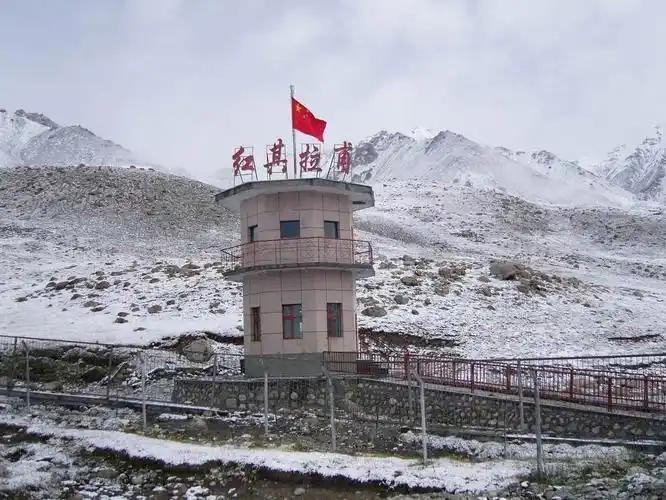
Published: 14 August 2026 | Author: Karl Huang
Why you can trust this guide
The chances of a serious emergency on a Xinjiang trip are small, but the region is enormous and the gaps between towns can stretch for hundreds of kilometres. The one habit that has saved us the most trouble is knowing the correct Xinjiang emergency numbers before a problem appears, not after. I have led small group tours across the north and south since 2019, and I have stood in enough hospital waiting rooms here to know which advice actually holds up. This page is a working list of the numbers that connect, the hospitals we have used, and the small routines that turn a bad day into a manageable one.
Quick reference: save these before you leave the hotel
| Service | Number | Notes |
|---|---|---|
| Police | 110 | Works everywhere, even from a locked phone |
| Ambulance | 120 | Emergency medical response, not routine care |
| Fire | 119 | Also rescue for entrapment and floods |
| Traffic accident | 122 | Report crashes and road blockages |
| Immigration hotline | 12367 | English service; visa and entry questions |
| Local service line | 12345 | Non-emergency help, complaints and info |
| Your embassy | Varies | Save the Beijing or Urumqi contact in advance |
Put these in your phone contacts and take a screenshot as well. A flat battery or a lost signal is exactly when a paper copy matters, and the numbers above connect even from a handset with no credit left.
The night our driver cut his hand on the Duku Highway
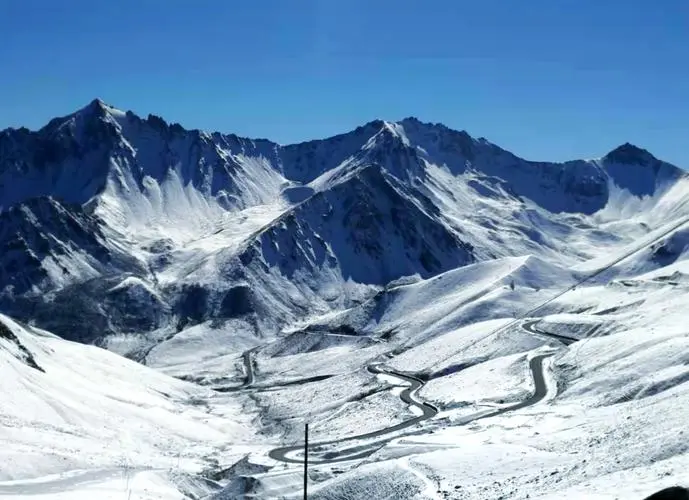
In June 2024 we were descending the northern stretch of the Duku Highway when a stone flicked up and smashed the side window. Our driver caught the broken edge with his palm and the cut was deep enough to need stitches. We were near Dushanzi, with maybe forty minutes of road before the next town. I dialled 120 on my own phone, gave the location as best I could, and the operator stayed on the line until the county hospital confirmed they were ready. He was seen within half an hour of arrival and stitched without fuss. The bill was paid at the desk and later claimed through his travel insurance. Nothing about that evening was romantic, but the system did exactly what it is supposed to do.
How to actually reach help
Calling 110 or 120 is the start, not the finish. In a city, an ambulance usually arrives fast. Out on a county road or a mountain pass, the nearest vehicle may be a long way off, so a taxi or your own car can be quicker for getting to a clinic. If you are driving, swap the wheel to someone unhurt and go. For crashes and blocked roads, 122 connects you to the traffic police, who also clear landslides and close passes in bad weather.
Once you reach a hospital, the flow is different from a Western A&E. You register at a desk, pay a deposit at the cashier, then see a doctor, and the major hospitals in Urumqi take foreign cards or WeChat Pay. Staff are used to travellers and will find someone to translate if you ask. Keep your passport handy because registration asks for it.
Foreign travellers should know that most 110 and 120 operators speak little English. The fastest fix is to hand the phone to a local, or ask your hotel reception to call for you. The immigration hotline 12367 does have English-speaking staff and is the right number for visa, registration and entry problems rather than a medical crisis. Our full notes on Xinjiang checkpoints and ID checks explain why carrying your passport at all times matters when the police ask.

When emergencies are most likely
Risk is not spread evenly through the year. Winter brings snow and ice on the passes, and a breakdown up high can turn cold fast; keep the engine running for heat and call 122 or 120 rather than walking off for help. Summer is the opposite problem: heatstroke and dehydration on long drives, especially south of the Tian Shan. Altitude sickness shows up on the Karakoram Highway and the roads toward Tashkurgan above 3,000 metres. None of this should stop a trip, but it is worth matching your plans to the season and telling someone your route each morning.
The dry air and strong sun catch first-time visitors off guard more than anything else. Our guide to staying well in Xinjiang covers the small daily habits, like saline spray and a hat, that stop a minor issue becoming a clinic visit.
The Turpan basin is its own case. Temperatures there pass 40°C in July and the air is bone dry, so heat exhaustion on a midday walk is common. We now start sightseeing before eight and carry two litres of water per person. Sandstorms are rare but they do close the roads, and the traffic line 122 is the one to watch for closures.
Your hotel is part of your safety net
In China, every guest must register at the front desk with their passport, and that record works in your favour. If you fall ill or lose documents at night, the reception has your details and a phone. Pick hotels in the city centre rather than the far edge of town when you travel alone, and give the desk a copy of your itinerary. On two separate trips a receptionist called a doctor for one of our guests and translated the whole conversation; we would not have managed that on our own.
Write the hotel name and address in Chinese characters in your notes app as well as English. A taxi driver or a passer-by will understand the characters when the English name means nothing to them, and that single line has got more than one lost guest back to bed.
Food, water and a sick stomach
Most stomach trouble in Xinjiang comes from a sudden change in diet and from unboiled tap water, not from dirt. Street food is generally safe and worth eating, but go easy for the first couple of days and wash fruit you buy from a stall. The question we get most is whether the water is drinkable; the short answer is no, and you can read the full reasoning in our piece on tap water safety in Xinjiang. Carry a refill of bottled or filtered water in the car, because the remote stretches between towns have few shops.
We keep activated charcoal and oral rehydration salts in the car at all times. They will not fix everything, but they turn a rough night into a travel day you can keep.
Practical habits that prevent panic
- Save the numbers above and a screenshot of them before day one.
- Keep your passport on you and a photo of it in cloud storage.
- Buy travel insurance that covers medical evacuation, and store the policy number in your phone notes.
- Carry a basic kit: plasters, rehydration sachets, antihistamine, and any personal medicine with the prescription copied.
- Share your daily route with someone outside Xinjiang who will notice if you go quiet.
- Learn two words: “yīyuàn” (hospital) and “jǐngchá” (police). Saying either to a local will get you pointed the right way.
If you do have to call, the operator will ask where you are. Learn to read the name of your current town from a map app and say it slowly, or just pass the phone. Saying the road number, like the G217 for the Duku Highway, helps more than a landmark name.
Your first-day setup plan
If you only do one thing on arrival, do this. Within the first 24 hours: register at your hotel and confirm they have your passport scanned; buy a local SIM so you can call and use maps; save 110, 120, 119, 122, 12367 and your embassy number; and note the nearest hospital to your accommodation. That single afternoon of setup is worth more than any kit you pack. If you are still planning the route, our 20 things to know before you go and the guide to getting to Xinjiang cover the practical basics.
Frequently asked questions
Will 110 or 120 operators speak English?
Usually not. In Urumqi and other big cities you may reach someone with basic English, but plan to use a translation app or pass the phone to a local. Your hotel can call on your behalf.
Do I need travel insurance for Xinjiang?
Strongly yes. Care is good and cheap by Western standards, but evacuation from a remote pass or a flight home after a serious injury is not. Buy a policy that includes medical evacuation before you fly.
Is there good hospital care outside Urumqi?
Yes. Kashgar, Yining, Turpan and Aksu all have prefecture-level hospitals with 24-hour emergency departments. They are smaller than Urumqi’s tertiary hospitals but capable with routine trauma and illness.
What if I lose my passport?
Call 12367 for the immigration hotline and contact your embassy. File a report with the local police (110) for insurance, then visit the public security bureau to start a replacement. Keep a photo of the passport page to speed this up.
Disclaimer
This guide reflects our travel experience and was written in August 2026. Emergency numbers and hospital services change, and this page is not a substitute for professional medical advice. Always confirm details with your embassy and insurer before you travel, and call the local emergency number for any life-threatening situation. We are not responsible for how the information is used.
About the author
Karl Huang has organised small-group and self-drive trips across Xinjiang since 2019, covering the Duku Highway, the Karakoram route and the Silk Road cities. He focuses on practical, first-hand travel information for foreign visitors and writes from real time spent on the region’s roads. He can be reached through the Xinjiang Attractions editorial team.