Published: August 15, 2026 | Author: Karl Huang
Most visitors arrive in Xinjiang for the lakes and the desert highways, and they leave without realizing they drove straight through the homeland of one of the great migration stories in Central Asian history. I almost did the same. On a June trip to the Bosten Lake area, a driver from Korla mentioned the Mongols of Bayingolin and the “journey east” his grandmother still sang about. That offhand comment sent me down a rabbit hole that ended with me standing in a yak-hair yurt at 2,500 meters, holding a bowl of salted milk tea I was far too polite to refuse.
This is a practical field guide to the Xinjiang Mongols, specifically the Torgut (Torghut) branch who live in Bayingolin Mongol Autonomous Prefecture. It is written for travelers who want more than a postcard of a grassland, and who are curious about the people who turned a 2,000-kilometer march home into a reason to throw a festival every summer.
The Torgut at a glance
| Detail | What you should know |
|---|---|
| Who they are | Torgut (Torghut), a subgroup of the Oirat Mongols |
| Where they live | Bayingolin Mongol Autonomous Prefecture, southern Xinjiang (seat: Hejing County) |
| How they got here | Moved west to the Volga in the 1600s, then returned east in 1771 under Ubashi Khan |
| Language | Oirat, a Mongolic language; many elders also read traditional Mongolian script |
| Main livelihood | Pastoralism: sheep, horses, yaks, camels, and dairy |
| Best time to visit | June to early September, when the high pastures are green |
| Don’t miss | A local Naadam (wrestling, horse racing, archery) and a yurt meal |
What I saw inside a Bayanbulak yurt
I reached Bayanbulak in the afternoon after a long drive from Hejing, and a family I had been put in touch with by a guesthouse owner in Korla took me in without a second thought. Their home was a round ger covered in felt and yak hair, with a stove in the center and a low table already laid out with bowls. The father, a quiet man named Bater (a common Mongol name meaning “hero”), poured me suutei tsai, milk tea with a pinch of salt and a slab of yak butter melting on top. It tasted nothing like the sweet milk tea I had grown used to farther south, and I drank all of it.
What struck me was the order of the space. Every object had a place dictated by custom: the northwest corner for the family altar, the door-side seats for guests, the heights reserved for elders. Bater’s daughter, maybe nine years old, practiced her archery stance with a child’s bow in the yard while the sheep grazed a few meters away. This was not a performance for tourists. It was a Tuesday.
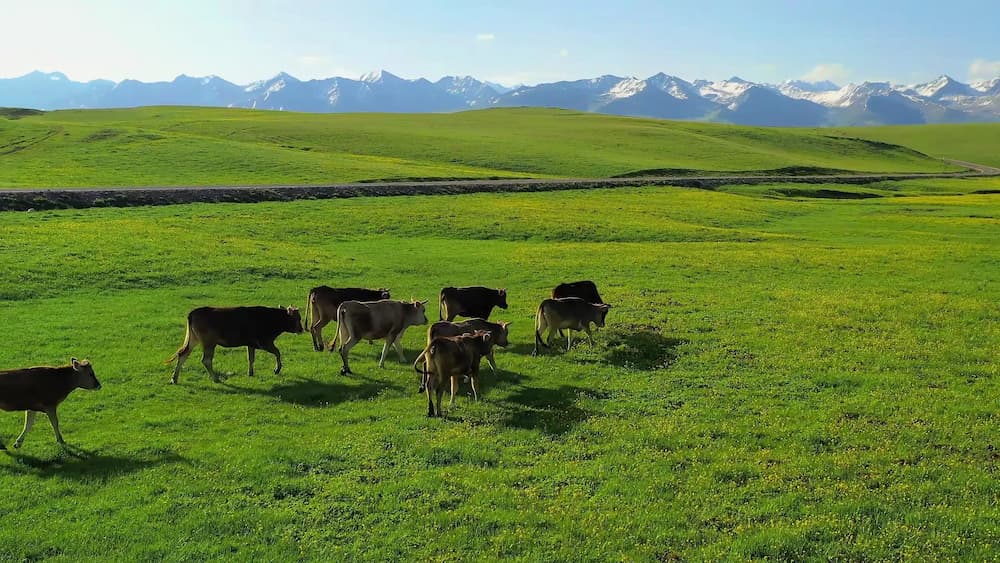
Later that evening the family’s horses were brought in from a distant summer pasture, and I finally understood why horses sit at the center of Torgut identity. A good horse is wealth, transport, and status all at once. When Bater spoke about a foal born that spring, he used the same tone other people reserve for a newborn child.
Getting to Bayingolin
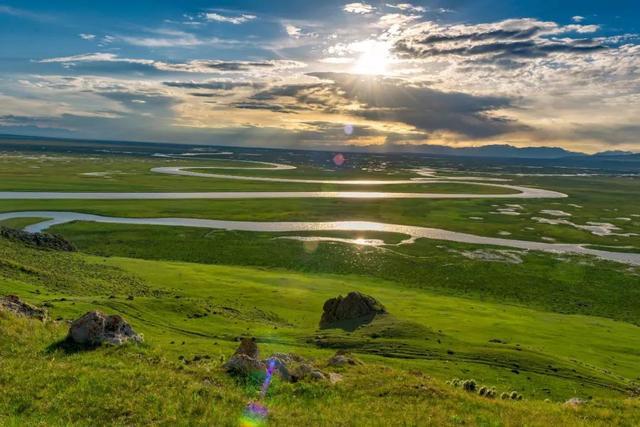
Bayingolin is enormous. At roughly 471,000 square kilometers it is the largest prefecture-level administrative region in China, larger than many European countries, and it spans the Taklamakan desert, the Kunlun range, and the green high pastures of Bayanbulak. Most travelers enter from Korla (库尔勒), the prefectural capital, which has a real airport with flights from Urumqi and a fast train connection.
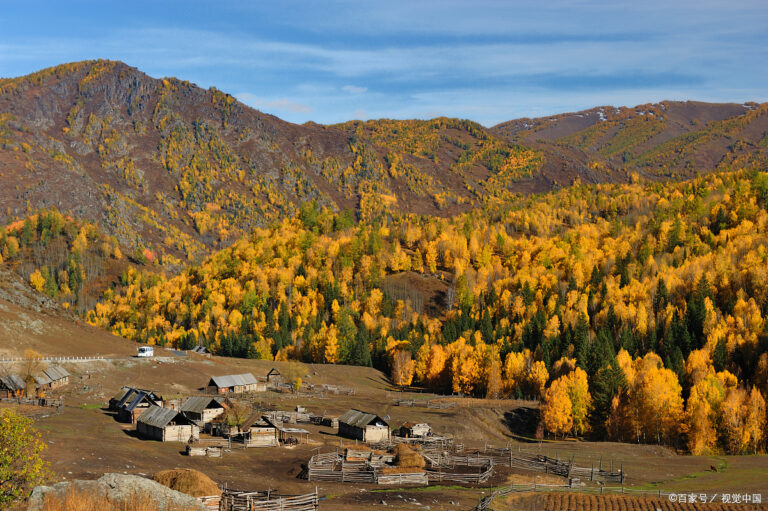
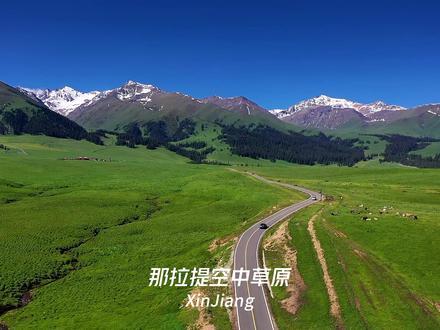
From Korla you drive north to Hejing County (和静县), then continue into the Bayanbulak grasslands. The final stretch is the slow part: the road climbs through the Tianshan and the last 60 kilometers crawl because of the terrain and altitude. If you are coming from the north, the Duku Highway is the more dramatic approach, a single mountain road that links the Dzungarian and Tarim basins and drops you close to the pastures. It is only open roughly June through September, so plan around it.
When to go
The window is short and that is part of the appeal. The grasslands are under snow for most of the year, and the families move down to lower winter camps when the cold sets in. Aim for July and August if you want green hills and the chance to catch a Naadam. If you prefer fewer crowds and still-decent weather, early June or early September both work. I have written about the shoulder-season timing for Xinjiang elsewhere, but for Bayanbulak specifically, June is the earliest I would bother making the climb.
Where to stay
In Hejing town you will find ordinary Chinese hotels at ordinary prices, usually between 150 and 300 yuan a night, clean and unremarkable. The memorable option is a yurt stay on the grassland itself. These range from basic (a thin mattress on the felt floor, a shared toilet block a walk away) to surprisingly comfortable setups with wood stoves and proper beds. Book through your Korla or Hejing guesthouse rather than showing up, because the herding families who host guests change location with the seasons and you cannot simply drive until you find one.
Bring warm clothes regardless of the month. At 2,500 meters the temperature drops hard after dark even in July, and the yurt that felt cozy at dinner can feel like a refrigerator by 2 a.m. I slept in every layer I owned and still considered the stove.
What the Torgut eat
The diet is what you would expect from people who live with livestock at altitude: meat, dairy, and more dairy. A typical yurt meal starts with suutei tsai and a plate of aaruul, sun-dried curds that look like small white stones and taste like sour yogurt compressed into a crunch. The main dish is often khorkhog, mutton steamed with hot stones inside a sealed metal container, which comes out tender and faintly smoky. Buuz, steamed dumplings filled with mutton, show up at every celebration.
If you are offered airag, fermented mare’s milk, treat it as both a drink and a test of character. It is sour, lightly alcoholic, and an acquired taste I am still acquiring. Say yes anyway. Refusing food in a Torgut home reads as cold, and the family has spent the afternoon preparing it.
For a broader look at the region’s pastures and what grows on them, the Kalajun grassland in neighboring Ili makes a strong companion trip, and the steppe culture there overlaps with what you will find in Bayingolin.
Practical tips before you go
A few things I wish someone had told me. First, altitude. Bayanbulak sits around 2,500 meters, high enough that some visitors get a mild headache on the first day; move slowly and drink water. Second, respect the inside of the yurt. Do not step on the threshold, do not point your feet at the altar, and let the eldest person take the seat of honor. Third, ask before photographing people. The Kazanqi quarter in Yining taught me that a simple “may I?” turns a stolen shot into a shared moment, and the same courtesy applies here.
Cash helps in the smaller villages, though Alipay and WeChat Pay now reach most towns. Fuel up in Hejing before heading into the pasture, because the next reliable pump may be a long way off. And tell someone your route, because cell coverage thins out fast once you leave the county road.
A three-day sample plan
Day 1: Fly or take the train to Korla, pick up a car, and drive to Hejing. Spend the evening walking the town and eating at a local hand-pulled noodle shop. Sleep low.
Day 2: Drive up to Bayanbulak in the morning. Walk the wetlands, watch the swans if the season is right, and arrange a yurt stay through your host family. Eat khorkhog for dinner and stay up talking by the stove.
Day 3: Catch a small local Naadam if one is running, or simply spend the morning with the horses and the dairy, then descend to Hejing and continue north on the Duku Highway or back to Korla. Three days is enough to meet the people without rushing the grasslands.
Frequently asked questions
Are the Torgut the same as the Kalmyks?
Yes, broadly. The Torgut who moved to the lower Volga in the 1600s became the Kalmyks of present-day Russia. The branch that returned to Qing China in 1771 is the group living in Bayingolin today. They share ancestry, language roots, and a lot of food.
Can I visit a Naadam?
Usually yes, in summer. The bigger ones are announced locally rather than nationally, so ask your Hejing guesthouse a week or two ahead. Smaller wrestling and horse-racing gatherings happen through July and August.
Do I need a special permit?
Bayingolin is open to foreign visitors in the usual way Xinjiang is, but rules shift, and some border-adjacent zones need extra paperwork. Check current conditions with your hotel before driving far north or west.
Is the food halal?
Torgut Mongols are not Muslim, so you will find pork absent by custom rather than by rule, and the meat is almost all mutton, beef, and horse. The preparation is distinct from the Uyghur halal kitchens farther south.
Disclaimer
This article is based on the author’s personal travel in Bayingolin and on publicly available historical sources; it is not an official travel advisory. Opening dates for the Duku Highway, permit requirements, and the schedule of local festivals change from year to year and were accurate to the best of the author’s knowledge at the time of publication. Always confirm current conditions with your accommodation and the relevant authorities before you travel, and respect local customs and private property. The author is not a historian by profession; where dates or figures are cited, they reflect commonly published accounts and may differ in specialist literature.
About the author
Karl Huang is a travel writer focused on western China. He has spent several seasons driving, hiking, and eating his way across Xinjiang, from the Pamir Plateau to the Dzungarian Basin, and prefers long conversations with locals over checklist sightseeing. His work on this site aims to give foreign visitors practical, first-hand guidance they can actually use on the ground.