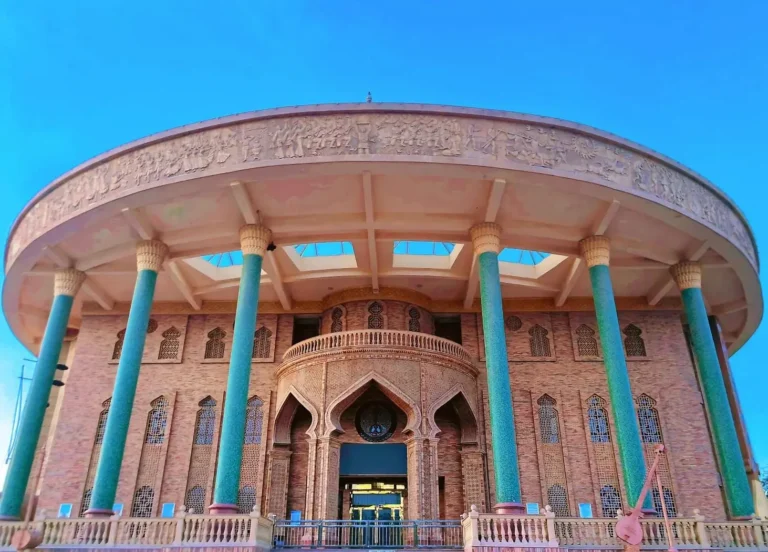
Published: August 21, 2026 | Author: Karl Huang
Baicheng is the kind of county that only shows up on a Xinjiang map if you are already looking for the route between Kuqa and the Ili Valley. Most travelers never stop here. They funnel west from Kuqa toward Aksu and Kashgar, or they climb over the Tianshan via the Duku Highway to Yining. Baicheng sits underneath both of those arcs, on the south side of the range, and it holds the southern trailhead of one of the most important historical crossings in the Tianshan: the Muzart Pass.
I am writing this as someone who rode a Korla-Kuqa-Aksu minibus in June, then doubled back north to walk part of the Wusun Ancient Road, and who has driven the Duku Highway in both directions. The aim of this guide is practical: where Baicheng is, why anyone going to the Ili Valley should care about it, how to actually get there, and what the logistics look like in 2026.
| Quick Fact | Detail |
|---|---|
| Full Name | Baicheng County (拜城县), Aksu Prefecture |
| Distance from Kuqa | ~70 km west (1 hr 20 min by car) |
| Distance from Aksu City | ~245 km east (3 hrs by car) |
| Population | ~230,000 (2024 estimate) |
| Elevation (County Seat) | ~1,230 m |
| Key Attraction | Kizil Thousand Buddha Caves |
| Best Season | May to mid-October |
| Currency Used | CNY (cash, WeChat Pay, Alipay) |
What We Found Driving into Baicheng
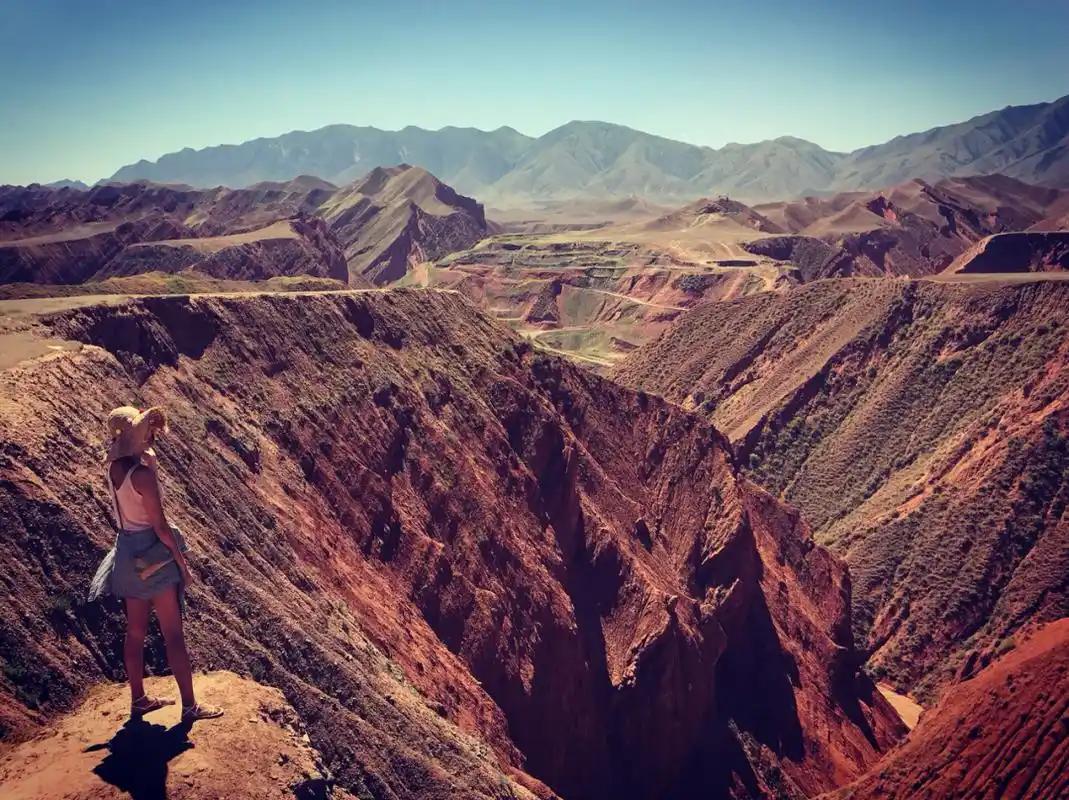
The first thing that struck me on the approach from Kuqa was how flat and quiet the oasis felt. After two days of Kuqa’s old-city alleys and the red-rock silhouettes of Kuqa Grand Canyon, Baicheng reads as a working agricultural town. Rice paddies line the road, the Maijishan peaks rise to the north, and the new highway overpasses cut cleanly through the older irrigated plots.
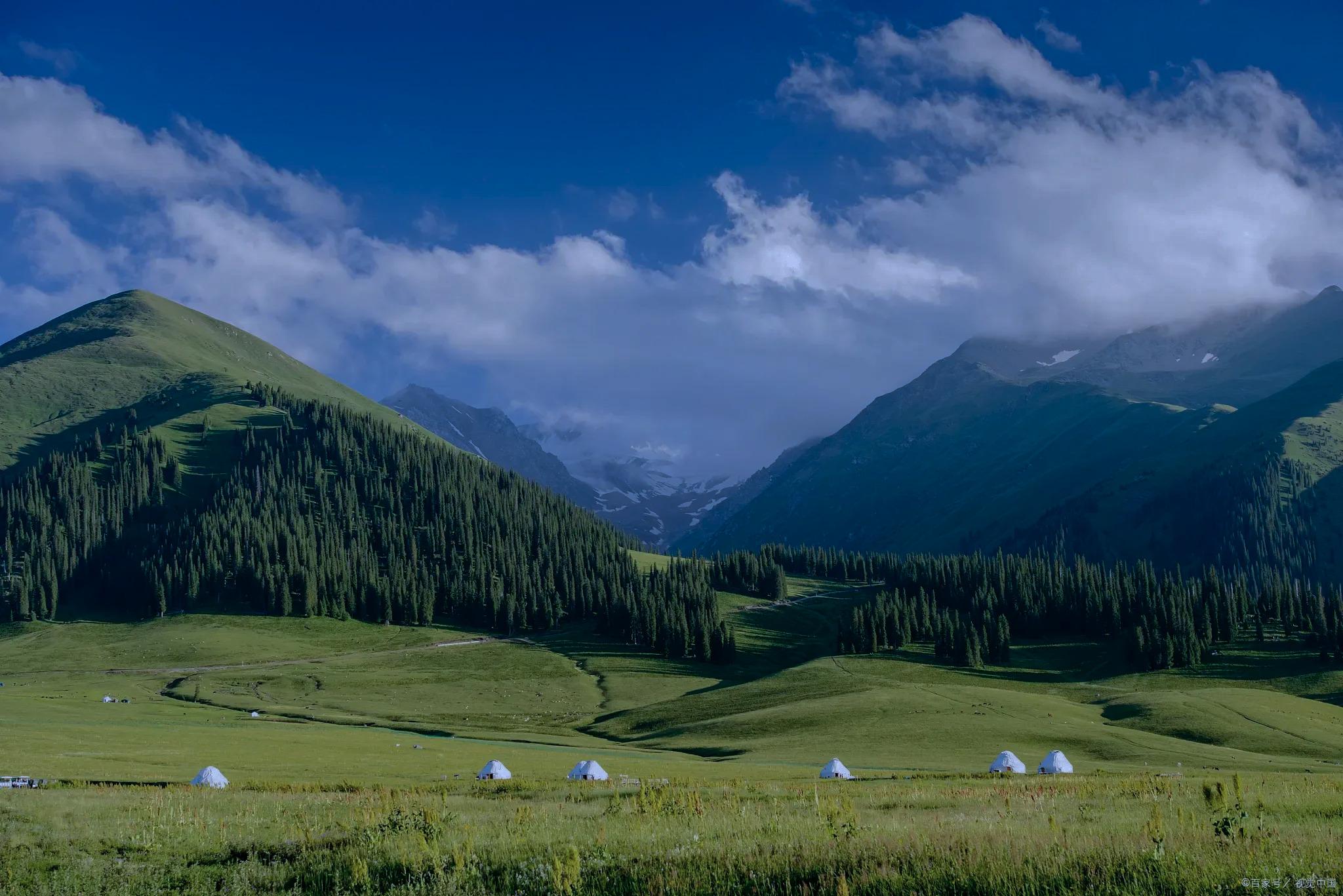
We stayed three nights, partly because the Kizil Grottoes deserved more than a half-day, and partly because we wanted to talk to local drivers about the current state of the northbound Muzart trekking corridor. The town itself is functional: a few mid-range hotels, a long covered night market along the main road, and very little English. The draw is not the county seat, it is what Baicheng sits underneath – the south wall of the Tianshan, and the historical road that climbed over it.
How to Reach Baicheng
There is no airport and no high-speed rail stop in Baicheng. Almost everyone arrives overland. Your decision tree is really about where you are coming from and where you are going next.
From Kuqa (east, ~70 km): The G3012 expressway passes through Baicheng on its way from Korla to Kashgar. S307 and S209 are the older parallel roads. Kuqa to Baicheng in a private car is roughly 1 hour 20 minutes; by intercity bus allow 1.5 to 2 hours, with services every 30 to 60 minutes from Kuqa’s long-distance bus station. The Kuqa rail station on the Southern Xinjiang line also has slow trains that stop at Baicheng station; check the schedule, as not every service halts here.
From Aksu (west, ~245 km): S307 is the scenic option. Aksu to Baicheng is about 3 hours by car. Buses run hourly in summer, less in winter. Aksu has the closest commercial airport (AKU) with regular flights to Urumqi and Chengdu.
From the Ili Valley (north): This is the part most travelers miss. Historically, the Muzart Pass connected Baicheng directly to Zhaosu (Mongolkure) in the Ili Prefecture. There is no through road today, and the 3,500+ m pass is closed by snow roughly November through April. The Wusun Ancient Road trek – a guided multi-day route – is one of the few legal ways for foreign travelers to cross on foot. Outfitters operate from Tekes or Yining on the north side and arrange the permit and pickup from Baicheng on the south side.
Public transport inside the county: Limited. Kizil Caves is about 60 km from the county seat on S307, served by 2 to 3 local buses per day. The Kizil Reservoir and the Tailan River gorge are accessible only by car or chartered minivan. If you are not on a guided Wusun trek, the simplest way to see the northern side is to hire a driver for the day from the county seat (around 350 to 500 CNY in 2026, depending on mileage and waiting time).
Best Time to Visit
May, June, September, and early October are the comfortable windows. The south side of the Tianshan is hot in July and August (mid-30s C in Baicheng town), and the Muzart pass area is prone to afternoon thunderstorms that can close the trailhead access road without warning.
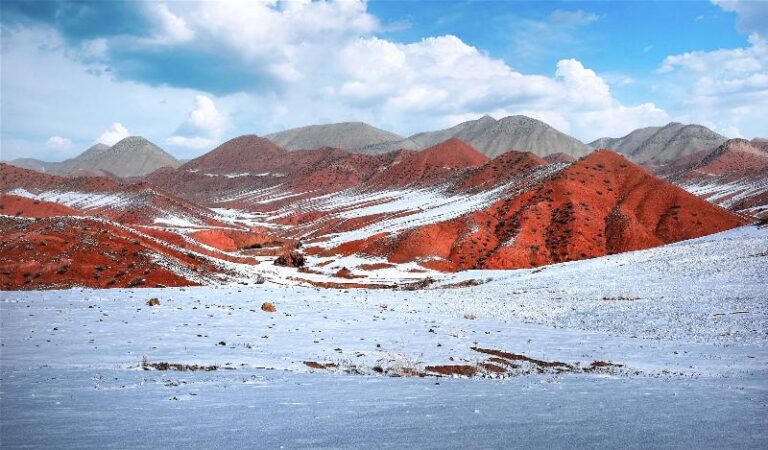
Spring (late March to mid-May) brings apricot blossoms in the foothill villages. I have seen them on a bus ride between Kuqa and Baicheng in early April and the light was worth a slow camera. Autumn is the harvest – rice fields, walnut groves, and the first dusting of snow on the high peaks, usually by the second week of October. Winters are quiet: most county hotels stay open, but the Kizil Caves have reduced hours and the Wusun corridor is fully snowbound.
Where to Stay
Accommodation in Baicheng town is basic but functional. Most options target Chinese business travelers and domestic tour groups. Foreign passports are accepted at the larger mid-range hotels, though the staff are not always confident in the registration process; bring patience and a printed booking confirmation in Chinese.
Inside Baicheng town: Two or three domestic chain hotels (Jinjiang, Hanting, and a local 4-star), all within a 10-minute walk of the bus station. Room rates in 2026 run 250 to 450 CNY for a clean twin with hot water and wifi. Bookings can be made on WeChat or via the usual Chinese apps (Trip.com works).
At Kizil Caves: There is a small guesthouse near the scenic area entrance, basic rooms, no English, and it fills up in July and August. Most visitors base themselves in Baicheng town and do a half-day trip.
On the Tianshan side (Wusun trekkers): Camping is the norm. Outfitters provide tents and stoves for the multi-day Muzart traverse. The Kazakh herder families in the summer pastures sometimes offer homestay meals and a felt-mat sleeping spot; agree the price in advance (150 to 250 CNY per person, including a simple dinner and breakfast, is reasonable in 2026).
What to Eat
Baicheng sits in a rice-growing belt, which sets it apart from the noodle-heavy food culture of the rest of southern Xinjiang. The two dishes I would not miss:
Rice polo with lamb (抓饭): Carrots, onions, and fatty mutton braised in oil, served over steamed local rice. In Baicheng it tends to come with a side of yogurt and sometimes a strip of dried apricot – the county is also an apricot producer. You can find good versions at the night market stalls and at any of the small Uyghur restaurants on the main road.
Kuqa-style baked buns (库车烤包子): Crispy outside, lamb and onion inside, eaten hot out of the tandoor. The best ones in Baicheng are at the small bakery stalls near the central bazaar, not at the big hotels.
Kuqa-style baked buns (库车烤包子): Crispy outside, lamb and onion inside, eaten hot out of the tandoor. The best ones in Baicheng are at the small bakery stalls near the central bazaar, not at the big hotels.
Yogurt and dried fruits: Apricots, walnuts, raisins, and mulberries are grown locally and are much cheaper than in Kuqa or Kashgar. Stock up if you are heading into the northern Tianshan or the Ili Valley.
Practical Tips from the Road
- Bring CNY cash. Some small restaurants and the Kizil Caves ticket window are flaky on mobile payment, especially in shoulder season.
- Pack layers even in summer. The Muzart trailhead and the high-altitude sections of S307 are 10 to 15 C colder than Baicheng town, and afternoon wind picks up fast.
- Cell signal drops out north of the reservoir. Download offline maps (Gaode / Amap) before driving S307 north toward the trailhead.
- Register at your hotel on the same day. The police registration system is digital and fast, but the front desk occasionally needs a photo of your passport. Most chains handle it without you noticing; smaller guesthouses may not.
- For the Wusun trek: Book through a Yining or Tekes-based outfitter at least 30 days ahead. Permits are issued locally and depend on weather and herder conditions. Solo crossings are not allowed for foreign visitors as of 2026.
Sample 3-Day Itinerary from Kuqa
This is a good base itinerary if you are already based in Kuqa and want to add Baicheng without backtracking. It assumes a private car or chartered minivan.
Day 1 – Kuqa to Baicheng, Kizil Caves afternoon: Leave Kuqa after breakfast (~09:00), drive west to Baicheng, check into a hotel, then continue 60 km to Kizil Thousand Buddha Caves. Allow 2 to 3 hours for the caves and the small museum. Return to Baicheng town for the night market.
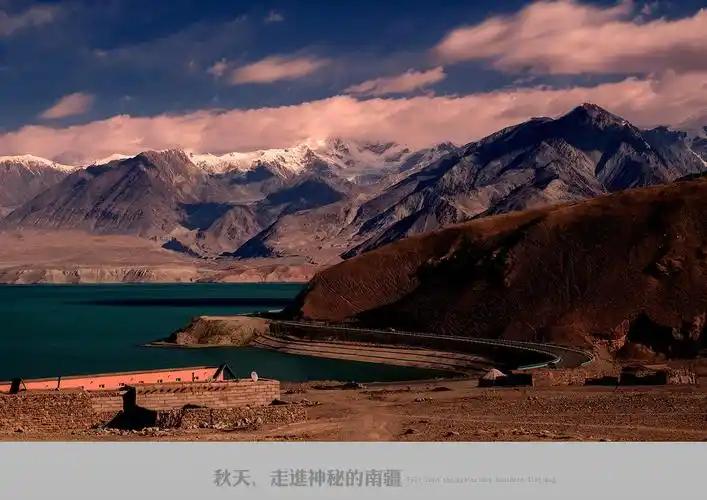
Day 2 – Tailan River gorge and reservoir: Drive north on S307 for ~80 km to the Kizil Reservoir and the Tailan River gorge. The road climbs from 1,400 m to around 2,200 m. Lunch in a Kazakh herder’s tent if weather permits. Back to Baicheng for the night.
Day 3 – Wusun trailhead or back to the highway: If you are not crossing the range, drive to the southern trailhead of the Wusun Ancient Road for a half-day hike (the lower 8 km of the trail are open to self-guided day walks in 2026, no permit required). Otherwise, head west on G3012 toward Aksu and on to Kashgar, or east back to Kuqa and pick up the Duku Highway from the north gate.
FAQ
Is Baicheng safe for foreign tourists? Yes. The county is on the standard Aksu Prefecture tourist circuit and is considered low-risk. Hotels in town accept foreign passports, and the main scenic sites have staff who have handled foreign visitors before.
Do I need a separate permit to visit Kizil Caves? No. Your passport is enough. The site is on the regular tourist route and the entrance fee is 70 CNY (2026).
Can I cross from Baicheng to the Ili Valley by road? No public road crosses the Muzart Pass. The only legal way for foreign travelers is via a guided trek (Wusun Ancient Road). Independent road crossings are not permitted.
How does Baicheng differ from Kuqa? Kuqa is bigger, has the famous old city, and the better-preserved Uyghur culture. Baicheng is quieter, more agricultural, and is the gateway to the northern Tianshan side of the county.
What is the closest city with a major airport? Kuqa has a small commercial airport (KCA) with limited flights. For more options, Aksu (AKU) is the regional hub, and Urumqi (URC) is 1.5 hours by air from Aksu.
Sources: Baicheng County Government tourism portal (2025 update); Aksu Prefecture cultural heritage office; field notes from two trips in 2024-2025; cross-referenced with the Wusun Ancient Road trekking outfitter list maintained by the Yining Outdoor Club.
Disclaimer: Travel information in this article reflects conditions as of August 2026. Road closures, permit rules, and hotel policies in Xinjiang change without notice, especially for the Tianshan cross-border routes. Always confirm current requirements with a registered local outfitter or your hotel before attempting the Muzart Pass or the Wusun trek. We do not accept responsibility for itinerary changes caused by weather, road conditions, or regulatory updates.
About the Author
Karl Huang has been traveling in Xinjiang since 2017, with a focus on the south slope of the Tianshan and the Kuqa-Baicheng corridor. He has crossed the Duku Highway three times, hiked the lower Wusun Ancient Road from Baicheng, and writes regularly on regional logistics, mountain passes, and Silk Road sites for xinjiangattractions.com.