Published: August 21, 2026 | Author: Karl Huang
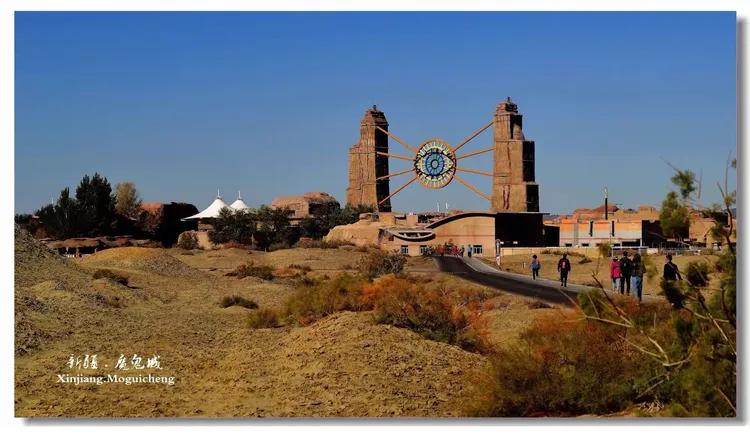
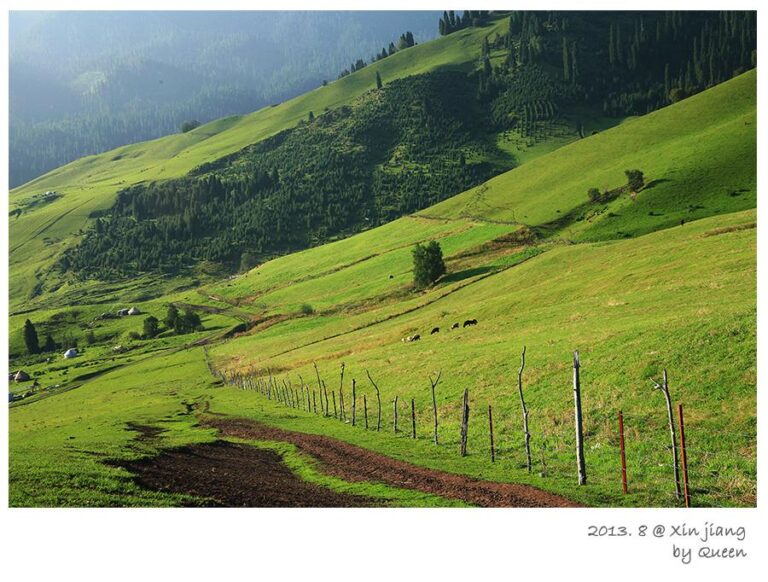
Most travelers speeding down the G3012 toward Kashgar blow past a small county called Wushi, marked as Uchturpan on older maps, and that is their loss. Wushi Uchturpan sits at the southwestern foot of the Tianshan, roughly an hour northwest of Aksu city, where a line of sulfur hot springs runs straight into one of the oldest frontier roads in Central Asia. I spent three days there in late April, partly to soak in the water and partly to walk a short stretch of the Bedel Pass road that once tied the Tarim Basin to the high pastures of Issyk-Kul. This guide comes from that trip, plus the half-translated answers I got from minibus drivers and the old man running the teahouse next to the county bell tower.
Wushi (Uchturpan) at a Glance
| Item | Detail |
|---|---|
| Location | Southwestern Tianshan, Aksu Prefecture, Xinjiang |
| Distance from Aksu city | About 56 km northwest (1 to 1.5 hours by road) |
| Best known for | Sulfur hot springs, the Bedel (Bedel) frontier pass road, walnut and sea-buckthorn groves |
| Hot spring temperature | 40–60°C at the source, sulfur-rich |
| Best season | April–May and September–October |
| Border crossing | Bedel Pass (closed to regular tourists; military and trade only) |
| Languages | Uyghur and Mandarin; little English |
| Our visit | Late April, 3 days, self-arranged |
When we rolled into Wushi after the Aksu bus dropped us at the county station, the first thing I noticed was the smell. Not a bad one. A warm, mineral tang drifting off the canals that carry spring water straight through town. The second thing was the noise of running water everywhere. Wushi sits on a fault line where groundwater surfaces hot, so the whole place is threaded with open channels that stay steamy even when the night temperature drops near freezing. We dumped our bags at a guesthouse and walked straight to the public soaking pools before doing anything else, and I would do the same again.
How to Reach Wushi
There is no train to Wushi itself. The practical gateway is Aksu, and from there it is a short hop. We flew Urumqi to Aksu (Aksu Hongqipo Airport, flight code AKU, about 1.5 hours) and caught a minibus at the Aksu south bus station; departures run through the morning and the ride cost us under 30 yuan per person. A taxi for the whole car runs around 150–200 yuan if you are in a group and do not want to wait.
If you are already touring the region by road, Wushi makes an easy detour. It sits in the same mountain corridor as Baicheng, the pass town to the northeast, so a loop Aksu – Wushi – Baicheng – Kuqa works well if you have a driver for two or three days. The road from Aksu is paved and flat; the interesting climbing only starts once you turn north toward the pass.
The Old Frontier Road and the Bedel Pass
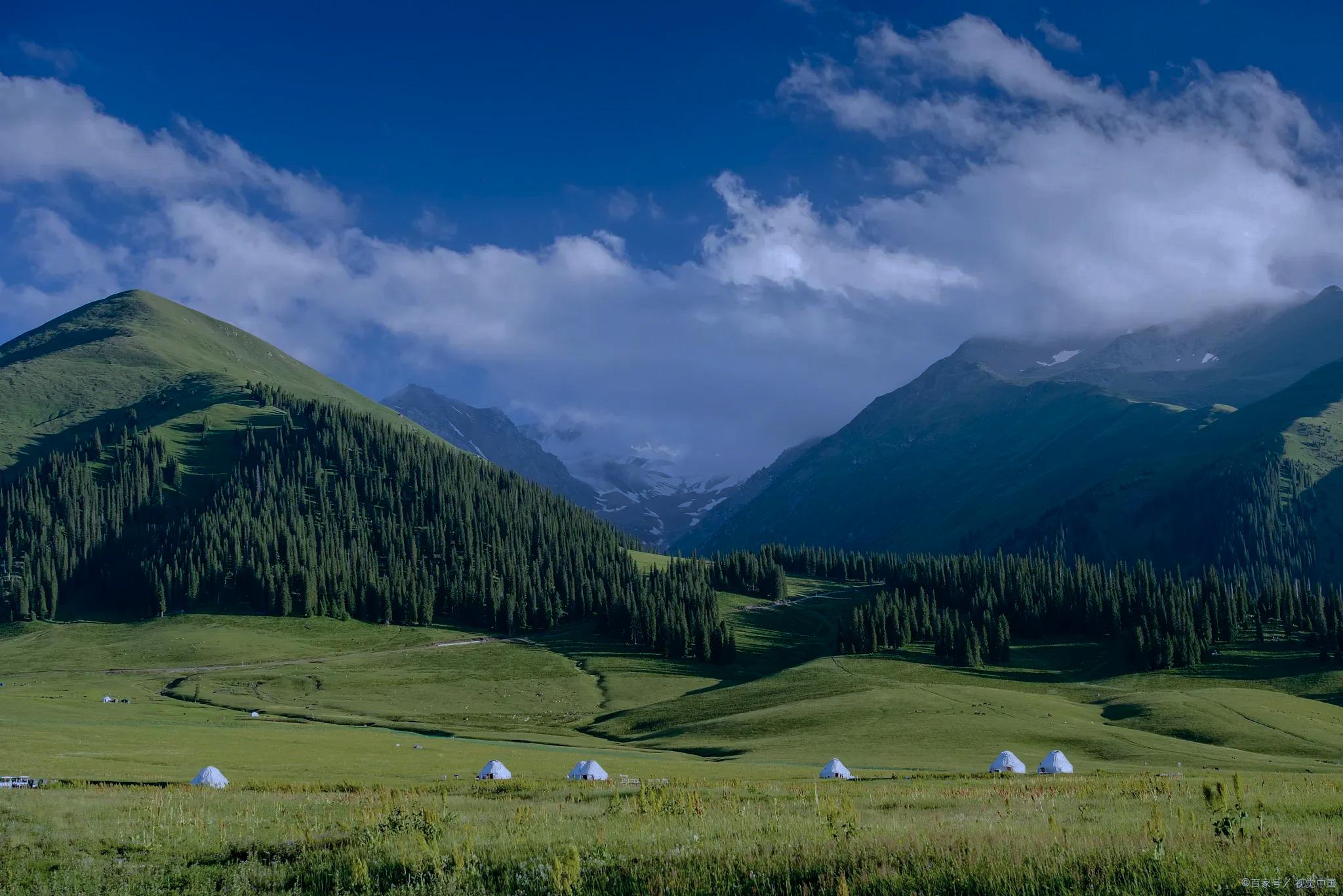
Wushi’s real claim to fame is not the springs. It is the Bedel Pass, called Biedali in local usage, a gap in the Tianshan that drops north into Kyrgyzstan. For well over a thousand years this was a working trade and pilgrimage route. Caravans hauling silk and jade south, and horses and felt moving north, crossed here; the Silk Road had more than one spine, and this was one of the quieter ones. The physical road is still there in sections, a packed-earth track that switchbacks up a side valley, and you can walk the lower part on a day trip from the county without any permit.
We hired a local pickup to take us about 20 km up the valley to the trailhead, then walked another two hours along the old bed. The walls close in, the water turns from warm spring to cold mountain torrent, and the silence is the kind you only get far from a highway. Bring a permit question to the border itself and the answer is firm: the pass is a working frontier post, not a tourist crossing. You can stand at the last teahouse and look north, but you will not walk through.
Best Time to Visit
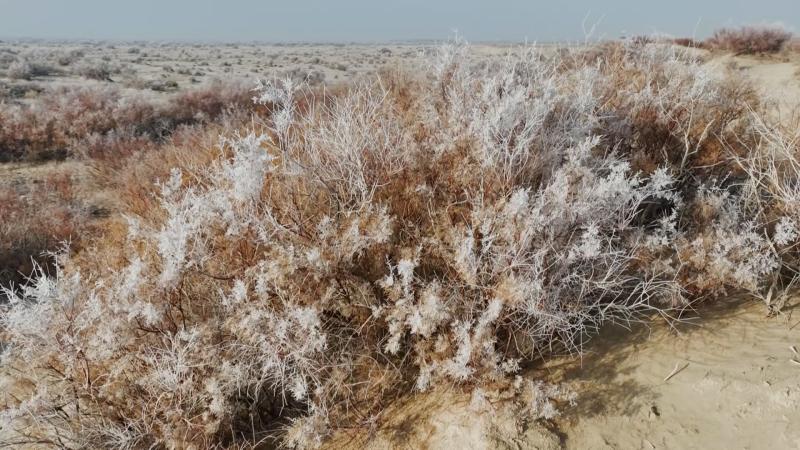
Wushi splits cleanly into two good windows. Late April and May are my pick: the canals are full, the apricot and walnut groves are green, and the air is mild before the basin heat builds. We hit it perfectly, with daytime highs around 22°C and cold, clear nights that made the hot pools feel better. September and October are the second window, with sharp mountain light and fewer tourists than the peak summer months.
Summer (June to August) is workable but the basin gets hot, often above 35°C, though the springs stay pleasant and the higher valleys stay cool. Winter is cold and some guesthouses close, but the locals say soaking in snow is the best version of the experience. If you want the regional context for timing, our piece on visiting Xinjiang in May covers the shoulder-season logic in more detail.
Where to Stay
The county town has a handful of mid-range hotels and several budget guesthouses; do not expect international chains. We stayed in a basic but clean place near the main crossroads for about 160 yuan a night, with the bonus that the public spring pools were a five-minute walk away. If the point of your trip is the water, ask specifically for a room at one of the hot-spring hotels out by the source, where a few resorts pipe the sulfur water straight into private tubs. Book ahead in May and October, when domestic tour groups show up.
For a quieter night, the village guesthouses up the Bedel valley offer thick quilts and wood stoves, but confirm heating is working if you go before May. There is no camping infrastructure worth mentioning, and wild camping near the border is off limits.
What to Eat
Wushi eats like the rest of southern Xinjiang, with a couple of local twists. The laghman noodles here come with a brighter tomato-and-pepper sauce than you find further east, and the Tarim Basin staples of polo (rice with carrot and lamb), kebab, and fresh naan are on every corner. Two things to try that are genuinely local: sea-buckthorn juice pressed from the wild groves along the canals, and the walnuts, because Aksu produces some of the best in China and the roadside stalls near Wushi sell them cheap and fresh.
We ate most nights at a hole-in-the-wall near the teahouse, where the owner would bring a plate of grilled river fish he caught that morning in the cold tributaries. No menu, no sign, just point at the grill. That is the kind of meal you remember longer than the scenic overlooks.
Practical Tips
- Carry cash. The spring resorts and small eateries often do not take foreign cards, and Alipay can be finicky for short-term visitors. Aksu has the nearest ATMs that reliably accept international cards.
- Pack for two climates. The basin is warm by day and cold at night, and the pass valley is colder still. Layers beat a single heavy coat.
- Do not rely on English signage. Download an offline map and a translation app before you leave Aksu. The bus station announcements are in Uyghur and Mandarin only.
- Ask before photographing people, especially at the springs and in village courtyards. A smile and a gesture goes further than a long lens.
- Treat the border as serious. Drones are a bad idea anywhere near the Bedel Pass, and wandering past the marked trailhead will end your day with a conversation you do not want.
- The sulfur water stains light clothing and jewelry. Wear old swimwear and leave the watch in the room.
Sample 2-Day Itinerary
Day 1 – Springs and town. Morning minibus from Aksu. Drop bags, walk the canal system, and soak at the public pools. Afternoon at the Qing-dynasty bell tower and the old teahouse. Dinner at a grill spot near the crossroads.
Day 2 – The frontier road. Hire a pickup to the Bedel valley trailhead (agree the price before getting in). Walk the lower old road for two hours each way. Afternoon back in town for sea-buckthorn juice and walnuts, then the bus to Aksu or onward to Baicheng.
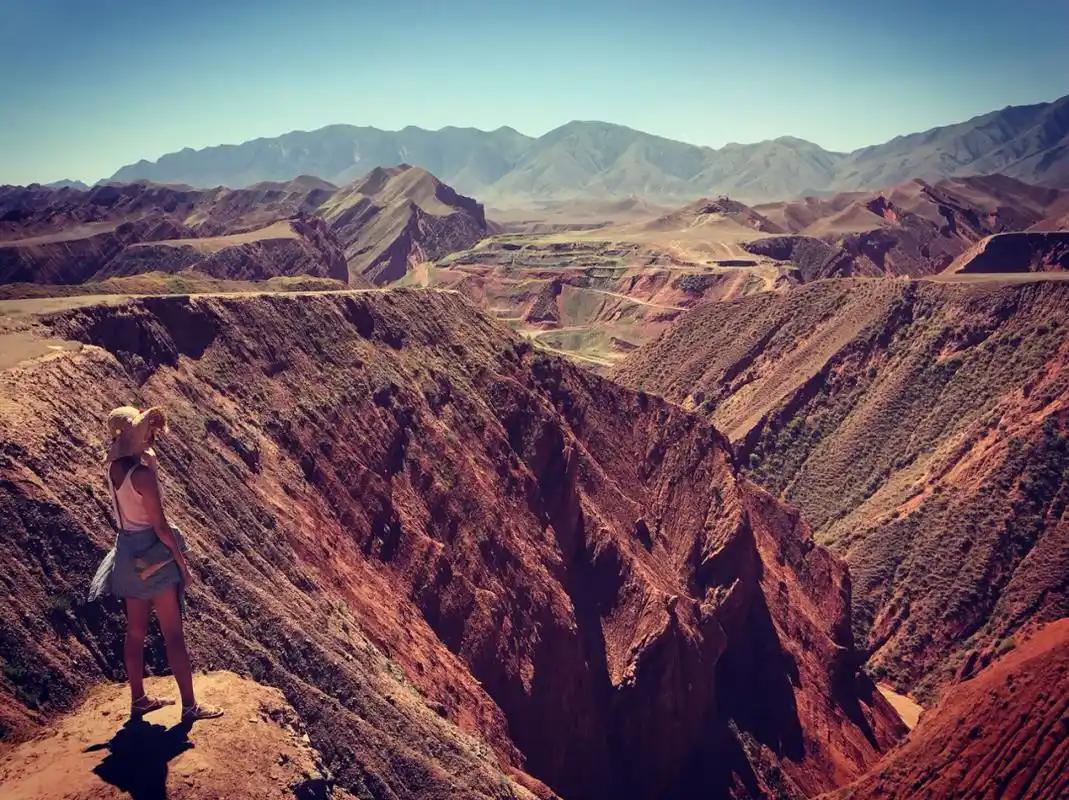
If you have a third day, the granite gorges and side canyons north of the county make an easy half-day drive, though the rock here is limestone and red clay rather than the granite you find up north, so manage your expectations.
FAQ
Can I cross into Kyrgyzstan at the Bedel Pass? No. It is a working border post for trade and official movement, not a tourist crossing. Plan your Kyrgyzstan entry through Torugart or Irkeshtam instead.
Are the hot springs safe to soak in? The public and resort pools are managed and fine for normal bathing. If you have heart or blood-pressure issues, check with a doctor before long sulfur soaks, as the locals do.
Is Wushi worth a full day or just a stop? A stop of a few hours works if you are driving the Aksu–Kashgar corridor, but an overnight lets you soak twice and catch the valley at dawn, which is the better version.
Do I need a permit for the Bedel valley trail? The lower trail from the county side needs no special permit for a day walk, but always confirm at the guesthouse or bus station, because rules on frontier zones change.
Disclaimer
This article is based on a personal visit in April 2026 and on conversations with local residents; it is a travel account, not official advice. Border rules, pool opening times, bus schedules, and prices change without notice. Verify the current status of the Bedel Pass, permits, and transport with the relevant authorities or your hotel before you travel, and use the hot springs at your own risk. Distances and temperatures here are approximate and meant as planning aids only.
About the Author
Karl Huang is a travel writer focused on off-the-map corners of Xinjiang. He has driven, bussed, and walked across the region for over a decade, and prefers a working teahouse to a viewpoint. He writes from first-hand experience and pays his own way.