Published: September 10, 2026 | Author: Karl Huang, who has spent four trips and more than a year of field time in Xinjiang, most of it in the oasis towns south of the Taklamakan.
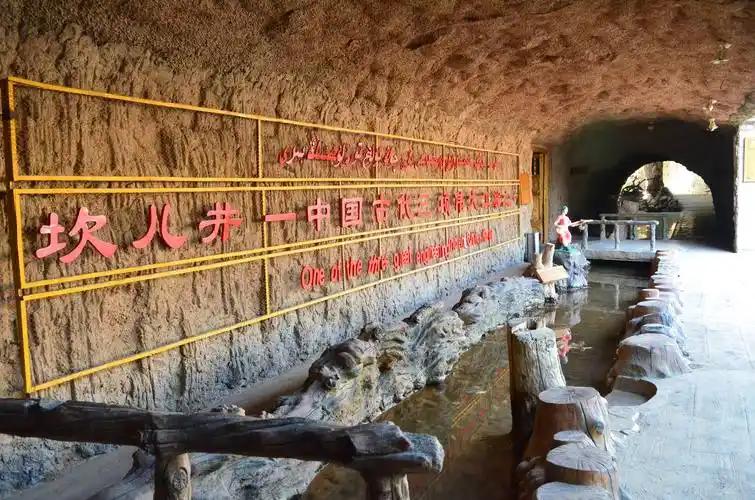
Karakax County in Xinjiang is the stretch of green you cross on the highway west of Hotan city, and almost nobody gets off. Chinese signs say Moyu; the Uyghur name, Karakax, means black jade, after the river that runs through it. On our second Hotan trip we gave the county a full day instead of a glance through a bus window, and it rewarded us: a workshop street where paper is still boiled from mulberry bark, water mills still grinding flour, and a wetland where the reeds start exactly where the sand gives up.
Quick reference: Karakax County at a glance
| Item | What you need to know |
|---|---|
| Location | Hotan Prefecture, immediately west and north of Hotan city, southern Xinjiang |
| Size and population | About 25,789 sq km (only 846 sq km of it is oasis); roughly 571,600 people across 21 ethnic groups |
| County seat | Karakax Town, about 27 km from Hotan city by road |
| Best months | April to early June and September to October; July and August are brutally hot |
| Getting there | Slow train from Hotan (16 to 18 min, 4 to 8 yuan), taxi on the G315, or fly to Hotan and drive 25 km from the airport |
| Known for | Black jade river, mulberry paper (national intangible heritage), 28 water mills, a 1,400-year-old tree, Lalikun wetland, walnuts and red dates |
| Costs | Old Town and the paper street are free; the wetland and Qina garden charge modest local fees |
Why the county is named after a river stone
Two rivers leave the Karakoram and Kunlun mountains and fan out onto the desert floor here. The Yurungkash, the white jade river, passes through Hotan city; the Karakax, the black jade river, defines this county. Both have tumbled nephrite boulders down for centuries, and the dark stone from the Karakax gave the place its name in both languages. We wrote separately about hunting for jade on the Yurungkash; the black-jade side is quieter, but the gravel bars here get worked just as hard after every flood.
The Karakax runs about 808 km from the Karakoram’s northern slopes down to its meeting with the Yurungkash, where the two become the Hotan River and strike north across the Taklamakan. Roughly 2.1 billion cubic meters of water, mostly snowmelt, come down in an average year, and nearly all of it arrives between June and late August. Come in July you will see a brown, muscular river; come in April you could almost step across it. Every orchard in the county hangs off that pulse.
Our day in the county seat
We took the 08:35 slow train from Hotan, the one that costs 4 yuan and takes seventeen minutes, and walked from Moyu station into town before nine. Karakax Town feels like Hotan did fifteen years ago: tricycles, walnut shells cracking underfoot outside the markets, old men in doppa caps playing cards in doorways, and no English signage. A shared-taxi driver named Ablimit guided us most of the morning for less than a city cab charges for twenty minutes, mostly, we suspect, because he was curious about us.
Getting to Karakax from Hotan
The train is the charm: at least four departures a day cover the hop from Hotan to Moyu station in sixteen to eighteen minutes, hard seat 4 to 8 yuan, and the station sits just 3 km from the county center. By road, the G315 runs straight between the two seats, about 27 km and forty minutes; a Didi from Hotan lands between 30 and 50 yuan. Hotan Airport is 25 km from Karakax Town. Only hire a car if you plan to push on to the wetland, where distances jump fast.
Moyu Old Town and the streets around it
The old town quarter, rated 3A in 2020 and free to enter, sits a kilometer from the county government building. It is not a ticketed reconstruction; families live in these lanes, and restoration has mostly meant fixing facades and drains. We liked it best between ten and noon, when bakers were pulling samsa from tandoor ovens. Shops sell atlas silk, embroidered hats, carpets, carved walnut wood and, inevitably, pouches of river jade of wildly varying honesty. If you are serious about stone, read our guide to buying jade in Hotan before you hand over cash for anything called black mutton-fat.
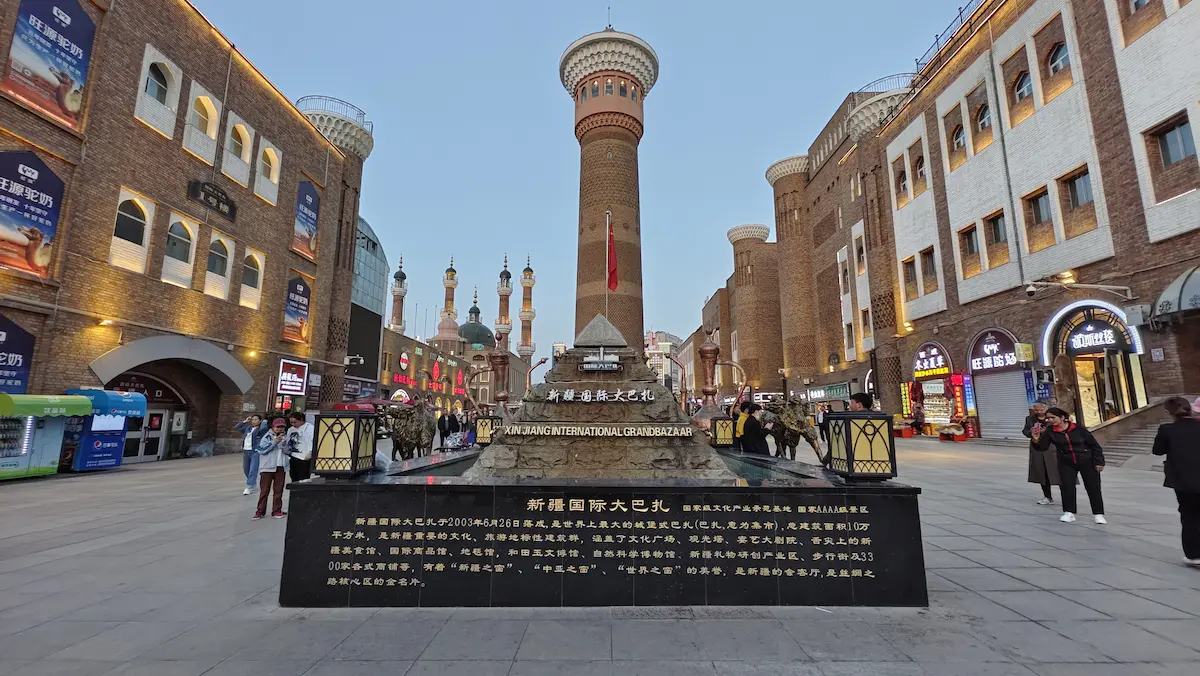
Food here leans harder into desert cooking than Hotan city does. Famous street snacks include the trio locals call three eggs and a star, roasted chicken, goose and pigeon eggs done in tandoor ash, plus watermelon-roasted lamb, where the meat cooks inside the fruit. We settled for red-willow skewers and pilaf at a nameless place near the market and spent 38 yuan for two.

Mulberry paper in Buda village
Six kilometers from the county government, in Puchakchi township, sits the reason we came: the mulberry paper street of Buda village. Paper has been made from mulberry bark in this oasis for roughly a thousand years, and in 2006 the craft entered China’s first batch of national intangible cultural heritage. The process has never been modernized because it cannot be: strips of one- and two-year-old branches are soaked, boiled, pounded on stone, fermented with poplar-wood ash, filtered, floated on screens and sun-dried. The finished paper is pale ochre, tough as cloth, and famously immune to insects and fading, which is why restoration projects tied to the Palace Museum have sought it out.
Watching it made, we finally understood the word workshop. One woman in a twelfth-generation paper family told us, through Ablimit, that she finishes about ten square meters a day, and that her grandmother’s generation made ledgers and window sheets, while her own folds the stock into lampshades, coasters and tiny flower hats for visitors. The heritage center will let you pound pulp for a few minutes; do it. The street runs about 500 meters.
The twenty-eight water mills
In the same township, twenty-eight wooden mills straddle an irrigation canal. Each is a two-storey timber box set over a sluice: water turns a horizontal wheel on the ground floor, grindstones upstairs turn slowly and coolly, and the wheat keeps more of its flavor than it would in a hammer mill. Locals call the row the twenty-eight pan water mills, and they were the county’s flour engines well into living memory; a few still grind for nearby families. We stood on the plank walkway between them for half an hour.
A tree older than the county
South of town in Aksaray township, about 18 km out, Qina folk garden protects a single phoenix tree claimed to be more than 1,400 years old. Skeptics will note that dating a tree this size is part science and part civic pride. But the numbers on the sign are fun: about 30 meters tall, a trunk over 11 meters around, seven adults linking hands to encircle it. The garden around it holds a grape arbor and makes a pleasant hour with tea under the trellis.
Lalikun wetland, where the oasis meets the sand
About 40 km north of the county seat, Lalikun National Wetland Park is the county’s strangest landscape: 978 hectares of reed beds, lakes and marsh sitting directly against the Taklamakan’s southern rim. Approved as a national wetland park in December 2018 and rated 3A the following year, locals call it the lake of tulips for the wild spring blooms. In an hour on the boardwalk we counted egrets, coots and a harrier working the reed line, with dunes glowing across the water. It sits 8 km off the G315, about 35 km from Hotan airport.
Red-White Mountain, deep in the sand
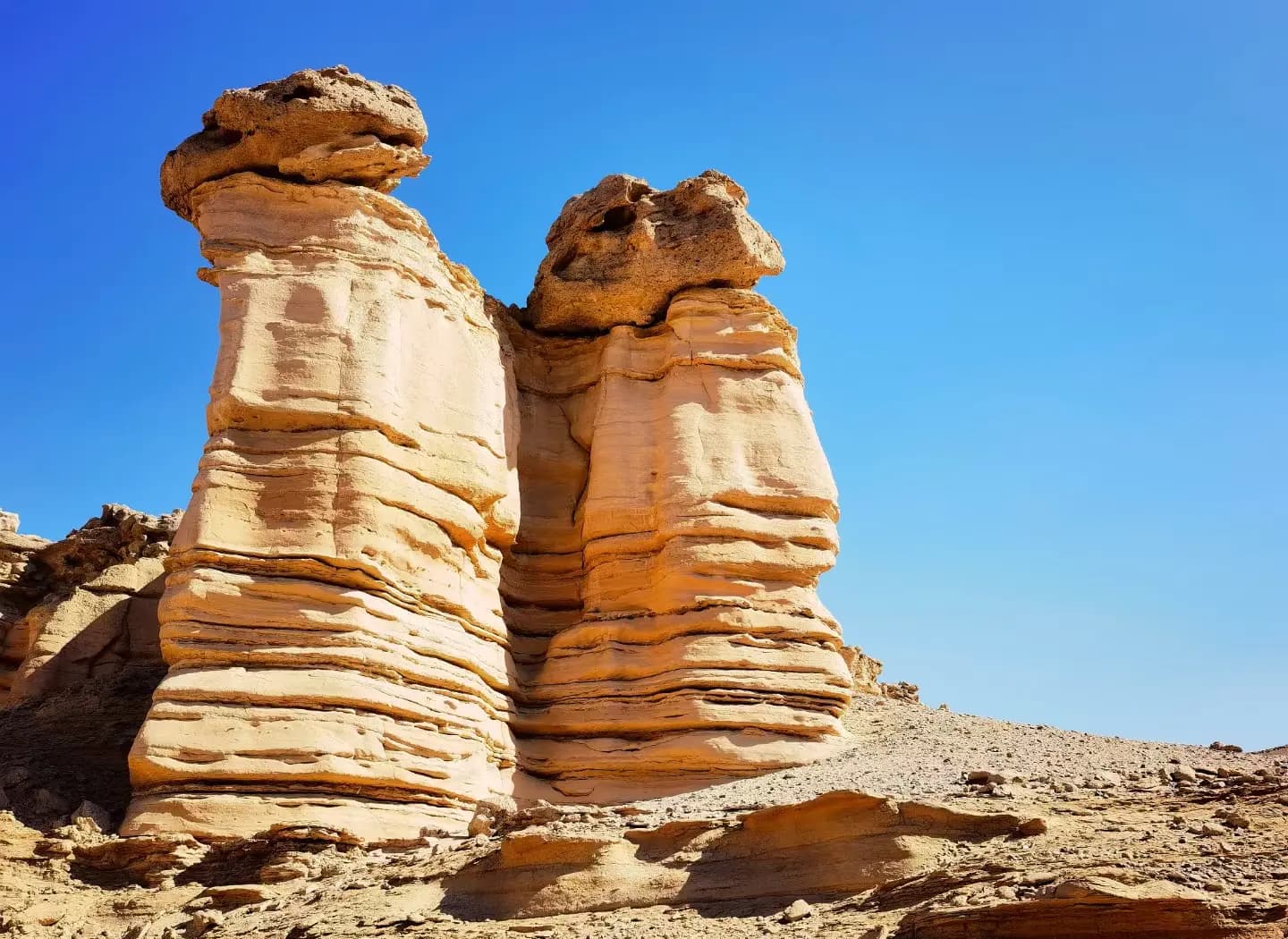
We did not make it to Hongbaishan, the red-white mountain ridge about 180 km into the desert from the county seat, and we will say so plainly. It runs about 90 km long to roughly 1,570 meters, uplifted bedrock marooned in the Taklamakan, protected for the artifacts found around it. Reaching it means a full off-road day with drivers who know the tracks. If your itinerary already crosses the desert toward Luntai it slots in there; otherwise the desert interior around Lop County gives a similar taste of deep sand with easier logistics.
Walnuts, dates and the harvest calendar
Karakax is a farming county wearing a tourism face. Its title collection includes hometown of mulberry paper, of jade dates, of Uyghur medicine and of longevity, but the money grows on trees: walnuts above all. The county sits in the core belt of the Hotan thin-shell walnut, a protected geographical indication, alongside red dates and seedless grapes, and the oasis’s 846 square kilometers of green are thick with orchards. September is the moment. The husks split, the roadside becomes a drying floor, and every bus out of town smells faintly green. We bought a sack from a family cart for a fraction of the Urumqi price.
When to go, and when not to
The climate numbers explain the rhythm. Mean annual temperature is 11.3 degrees Celsius, January averages minus 6.5, July 24.8, and the county gets only 36 to 37 mm of rain a year against more than 2,200 mm of evaporation, with 177 frost-free days and 2,655 hours of sun. Practically: April to early June and September to October are comfortable, July and August are furnace hours, and late winter into spring brings the dust events locals call black wind, when the sky goes brown and flights wobble. If a storm rolls in, do what residents do, close the window and have another plate of pilaf.
Where to stay
Options are simple: a handful of mid-range business hotels around the county seat, generally 120 to 250 yuan for a clean twin, with the usual southern-Xinjiang quirks like hard beds and enthusiastic heating. Many travelers sleep in Hotan and treat Karakax as a day trip. That trade is reasonable, but you will miss the county’s early mornings, which are its best hours. Our compromise the second time was one night in town, one night back in Hotan.
A one-day loop from Hotan that actually works
Take the 08:35 train, reach Karakax Town before nine, and spend the first hour in the old quarter while the bakeries are hot. Get a taxi for the morning: Buda village paper street and the water mills, six kilometers out, then south to the Qina tree after lunch. Eat skewers and pilaf in the county seat, rest through the hottest hours, and finish at Lalikun wetland in the golden hour before rolling back on the G315 for dinner in Hotan. It is a full day, roughly 120 km of driving beyond the train, and every stop is real. For a longer southern route, the natural partners are the Hotan Sunday bazaar and the western run toward Pishan, which we covered in a separate guide.
Practical tips before you go
Bring cash in small notes; market stalls and village carts may not scan foreign cards. Friday is prayer day and the town slows until mid-afternoon. Carry more water than seems reasonable, use a translation app, and dress modestly. Ask before photographing people, and remember the paper workshops are working businesses, so stay away from the drying racks unless invited. For archaeology with your oasis, the Rawak Stupa east of Hotan pairs naturally with this trip.
Karakax County FAQ
Is Karakax worth visiting if I only have one day in Hotan? If that is your only Hotan day, spend it in Hotan. If you have two, give the second to Karakax; the paper street and water mills exist nowhere else in China.
What is the difference between Moyu and Karakax? Same place. Moyu is the Chinese name, Karakax the Uyghur one, both referencing the black jade river. Signs and the train station use Moyu.
Can you see jade being panned in the Karakax river? After flood season, yes, crews work the gravel bars along the G315 near the bridge. Watch from the bank and ask before photographing.
Is the mulberry paper expensive? A plain sheet costs tens of yuan; lamps and painted pieces run higher. Prices are posted and the makers set them, so there is no haggling theater.
Disclaimer: This article reflects our personal visit and research, with details checked against Karakax County government publications as of 2026. Prices, train times and opening arrangements change without notice; verify locally. We hold no commercial relationship with any business named here.
About the author: Karl Huang has traveled and written about Xinjiang since 2022, focused on the oasis counties of the southern Silk Road. He visits the places he writes about, often more than once.