Published: 22 August 2026 | Author: Karl Huang
Most Xinjiang trip planning mistakes are the same handful of errors, made by nearly every first-time visitor, and we made almost all of them on our first two drives through the region. This page is the list we wish someone had pressed into our hands before we landed in Urumqi with a folded paper map, too little cash, and the firm belief that the Duku Highway would already be open in early May. Everything below comes from trips we actually took between 2022 and 2025, including a 14-day loop and a 21-day run that nearly blew our budget.
Why should you trust a list of mistakes? Because we have driven more than 6,000 km across the province, slept in yurts above 2,400 m, and once waited out a closed mountain pass for three full days. The advice here is not lifted from a tourism brochure. It is the stuff we got wrong, and the fixes that actually worked on the road.
Quick reference: the mistakes at a glance
| Mistake | What we did | The fix |
|---|---|---|
| Underestimating distances | Planned 300 km as a 4-hour hop | Budget 6 to 7 hours with checkpoints and 80 km/h limits |
| Wrong Duku timing | Arrived 1 May, road still closed | Book the pass for after 1 June |
| Ignoring altitude | Felt rough at Bayanbulak (2,500 m) | Rest a day, drink water, skip heavy meals |
| No local cash | Card declined at a remote pump | Carry 500 to 1,000 yuan in small notes |
| Late bookings | Paid triple for a Hemu guesthouse | Reserve peak-season beds 3 to 4 weeks out |
What we got wrong on our first drive
Our first Xinjiang drive left Urumqi at 7 a.m. with a plan to reach Sayram Lake by noon. We did not make it until after 6 p.m. The map said 540 km. What the map did not say was the expressway gives way to two-lane mountain road, that a security checkpoint outside Shihezi ate 40 minutes, and that a stretch of G30 slows to a crawl behind a line of trucks. We arrived in the dark, tired, and out of snacks. The single biggest Xinjiang trip planning mistake is treating the map distance as drive time. In this province, 100 km is rarely under 90 minutes once you leave the main arteries.
Our second day was worse. We aimed for Turpan, figured 200 km, and forgot the G30 construction near the eastern edge that funneled everyone into a single lane for 20 km. By the time we reached the grape fields the afternoon heat had closed the shade houses, and the famous Sunday market had already packed up by noon. We learned to treat the published drive time as a floor, never a ceiling, and to start every long leg before 8 a.m. so a delay costs an hour rather than the whole day.
Transport: the distance trap behind Xinjiang trip planning mistakes
We now plan every leg around a simple rule: assume half the speed you would at home. A self-drive route that looks like a pleasant afternoon can swallow a full day once you add fuel stops, photo pulls, and the inevitable wait at a gate. Renting a car with a Chinese licence is straightforward, but foreign visitors need a temporary Chinese permit, which takes about a week to arrange, so sort it before you fly.
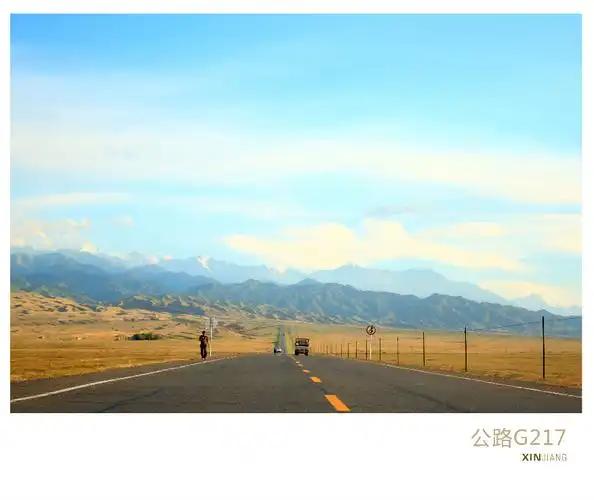
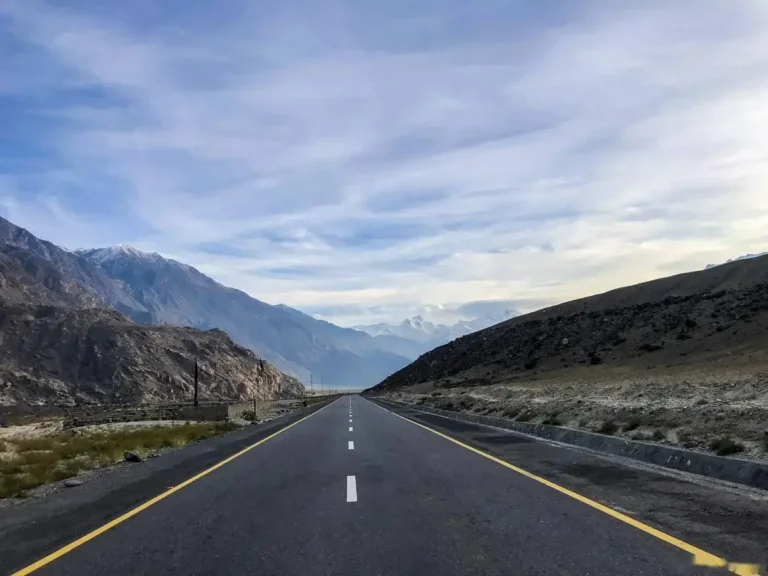
The Duku Highway deserves its own warning. It is one of the most beautiful roads we have driven, but it opens only around 1 June and closes by early October, weather permitting. We built a May itinerary around it and lost three days rerouting through the plains. If your trip is before June, do not put Duku on the plan. If you are flying in, read up on getting to Xinjiang before you book, because the international and domestic terminals sit far apart in Urumqi and a missed connection is easy.
The Duku Highway timing mistake
This one stung enough to deserve its own section. The Duku road climbs from warm grassland to snow at 3,400 m and back down, and the maintenance crews simply cannot keep it clear before late spring. Locals told us the opening date shifts each year with the snow line. Our advice: treat any date before 10 June as a gamble, and keep a backup north-south route ready. The same logic applies to any high pass, not just Duku.
Best time: we picked the wrong week
Our second mistake was the calendar. We chased golden autumn in Kanas and hit a cold snap that shut the shuttle buses. The sweet spot we now recommend is the shoulder season in May, when grasslands are green, crowds are thin, and prices sit at their yearly low. July and early August are gorgeous but packed, and every bed near the lakes triples in price. If you must travel in peak summer, book the headline spots first and build the rest of the loop around them.
We later caught Kanas in early October on a second trip and it was worth the cold, but only because we had booked the shuttle and a heated room in advance. The lesson is not “avoid autumn” but “respect the closing dates and pack for snow.” A warm jacket and a reserved bed turn a risky week into the best photos of the year.
Altitude: we ignored it
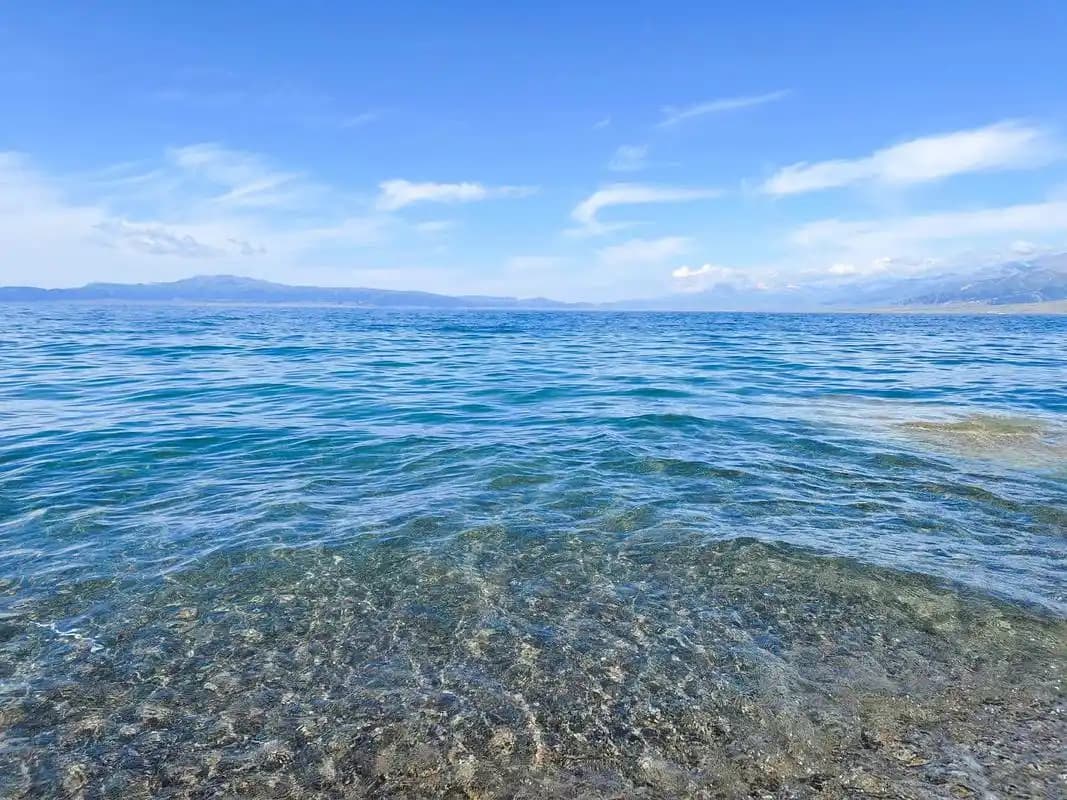
Bayanbulak sits near 2,500 m, and after a long drive we walked straight up to the boardwalk, felt light-headed, and spent the evening queasy. The fix was boring and effective: one rest day, constant water, and no big dinner. Most of Xinjiang is low, but the Pamir and the high pastures are not, so check the elevation of every overnight stop and plan a gentle first night wherever you go above 2,400 m.
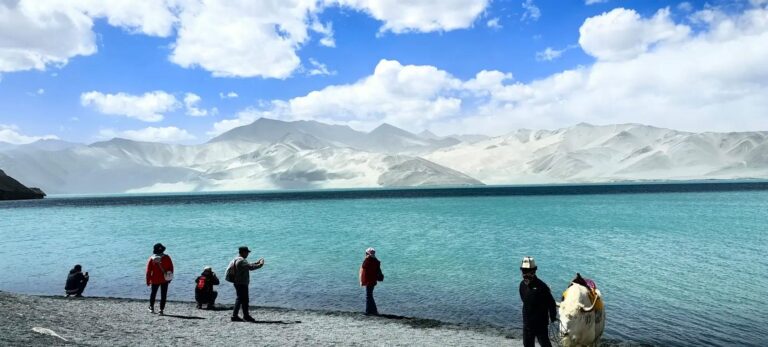
On the Pamir, the air at 3,600 m in Tashkurgan was a different challenge altogether, and we were glad we had spent a night in Kashgar first to acclimatise. The body adapts slowly, and a rushed ascent is the one mistake no amount of planning can undo once you are on the plateau. Give yourself that buffer night and the rest of the trip goes smoother.
Accommodation: we booked too late
In July we rolled into Hemu expecting to find a room and ended up paying three times the normal rate for a wooden cabin with thin walls. The popular villages, Kanas, Hemu, and the lake resorts, sell out weeks ahead in summer. The lesson: lock your headline stays first, then fill the gaps. In the quiet months you can wing it, but peak season is unforgiving. Guesthouses inside the scenic areas also save you the dawn shuttle scramble, which is worth the premium if your dates are fixed.
One pleasant surprise was the yurt stays above the grasslands. They are basic, often without private baths, but the starlight and the morning milk tea made up for it. Book these through your driver or a village contact rather than a foreign-card booking site, because many never appear on international platforms and the best ones fill by word of mouth.
Money: we assumed cards worked everywhere
We landed confident that a Visa card and a phone would cover everything. They did not. Alipay and WeChat Pay need a Chinese bank account, and a foreign card was refused at a fuel station near the desert. Carry 500 to 1,000 yuan in small notes for parking, roadside melons, and the occasional pump that takes cash only. Major hotels and city restaurants take foreign cards, but the moment you leave the centre, cash is king.
ATMs inside the big cities dispense cash easily, but the desert towns can run short on small bills during a holiday week, so break large notes when you can. We also found that some scenic-area ticket offices take only WeChat Pay, another reason to sort a local payment method before you leave home. A friend back in China who could top up our wallet once saved a stalled day at a gate.
Food: we played it too safe
Our first night we ordered the most familiar thing on the menu and missed the point of the trip. Xinjiang food is the highlight, not a side note: hand-pulled laghman, skewered mutton, fresh naan, and the red rice of the south. Nearly every eatery is halal, so pork is off the table by default, and that is fine once you know. Try the local breakfast of tea and flatbread early, because the best stalls close by mid-morning. The one regret we hear most from other travelers is not eating more freely while they had the chance.
A dish we still talk about is the southern red rice with yogurt, found in Hotan and nowhere else we travelled. We almost skipped it because the stall looked plain, and that is exactly the kind of call this list exists to prevent. The unmarked places, the ones with plastic stools and a queue of locals, are where the region actually tastes like itself.
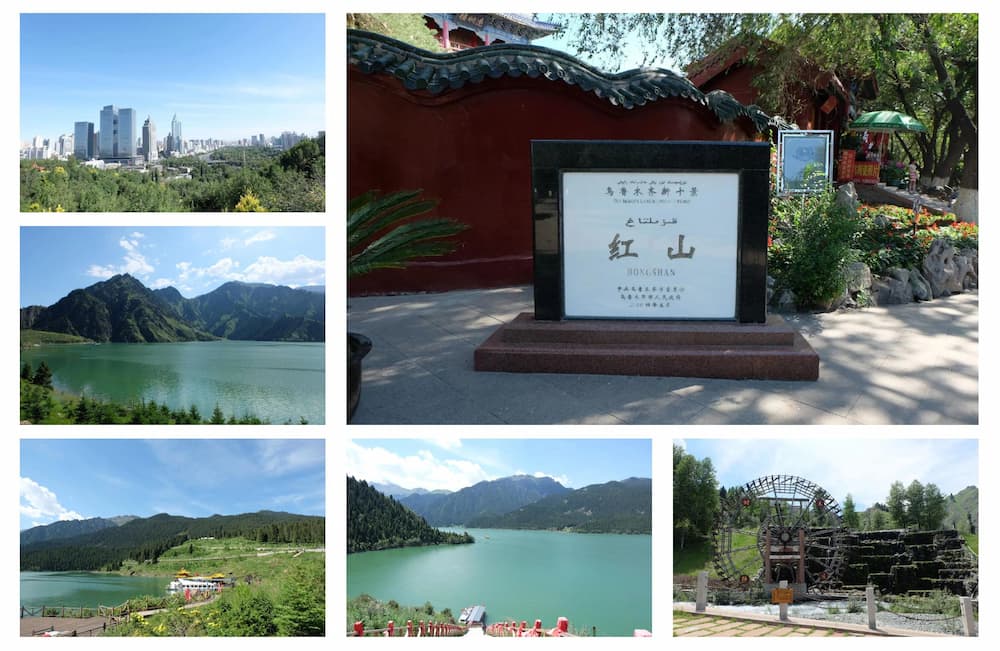
Practical tips we learned the hard way
- Get a local SIM or an eSIM before you arrive. A foreign phone number barely works for maps and bookings once you are outside the cities.
- Pack for two seasons. We started a day at 28°C in Turpan and needed a down jacket by evening in the mountains.
- Keep your passport handy. Checkpoints are normal and routine; having it ready keeps the line moving.
- Download offline maps. Signal vanishes for long stretches on the desert highways and in the deep valleys.
- Share your route with someone. Cell coverage is patchy, and a daily check-in costs nothing.
A sample 10-day loop that avoids the mistakes
This is the route we wish we had taken first: Urumqi (rest day, SIM and car) to Sayram Lake (2 nights), on to Yining and the Ili grasslands, then up to Kanas and Hemu (booked ahead, 3 nights), and a final drive back via the northern expressway. It keeps daily legs under 400 km, sits the high stops after a low-altitude night, and leaves buffer days for weather. For a longer version, add Kashgar and the Pamir after the lakes, but only if your how many days you actually need math supports it.
Frequently asked questions
Is Xinjiang safe for foreign tourists?
Yes. The heavy police presence is aimed at routine security, not visitors. Follow the checkpoint routine, carry ID, and you will move around without trouble. The bigger risks are sunburn, dehydration, and bad planning, not personal safety.
Can I rely on trains instead of driving?
The high-speed network is excellent between the big cities, and a train saves you the licence hassle. But trains do not reach the lakes and villages, so a car or a tour is still needed for the headline scenery.
Do I really need cash?
In cities, no. Out on the road, yes. We treat cash as insurance, not a primary method, and it has bailed us out more than once.
Disclaimer
This article reflects our personal travel experience and was written in August 2026. Road openings, permit rules, prices, and border policies change from year to year and can shift with weather. Always confirm current conditions with official sources, your embassy, and local operators before you travel. We are not responsible for any decisions made on the basis of this page alone.
About the author
Karl Huang is a travel writer who has spent several seasons driving across Xinjiang, from the Gobi edge to the Pamir. He focuses on practical, first-hand guidance for independent travelers and has contributed planning notes to a series of regional guides. When he is not on the road, he researches off-season routes and writes about getting the logistics right the first time.