Published: August 25, 2026 | Author: Karl Huang
On my fourth trip through northern Xinjiang I pulled over on a dirt road outside Qinghe County because the ditch was glowing orange. Bushes heavy with Xinjiang sea buckthorn lined the slope, and a local woman was spreading a plastic sheet while her son knocked the frozen branches with a short stick. That was the moment I stopped thinking of sea buckthorn as a health-food label and started treating it as a crop, a landscape, and a reason to travel. This guide explains what foragers and curious visitors can actually pick in Xinjiang, where the real harvest happens, and why most of what you will eat has already been picked for you.
Quick reference: Xinjiang sea buckthorn and wild fruit
| What you are looking for | Where it grows | When to find it | How to try it |
|---|---|---|---|
| Sea buckthorn (沙棘) | Altay (Qinghe County), Barkol, Yiwu, northern oases | Aug–Oct fresh; Dec–Jan frozen winter harvest | Juice bars, original juice, jam, oil capsules |
| Wild apple (Malus sieversii) | Xinyuan Wild Fruit Forest (Almaly township) | Mid-Aug–Sept, protected area | From licensed vendors, jams, not picked wild |
| Wild apricot | Ili Valley (Tuergen, Xinyuan), Tacheng | Blossom Apr; small fruit Jul–Aug | Roadside orchards, dried apricots |
| Wild walnut | Gongliu Wild Walnut Reserve | Sept–Oct | Markets in Yining, licensed sellers |
| Jujube, rose, melon | Hotan, Ruoqiang, Jiashi, Hami | Summer–autumn | Bazaars, direct from orchards |
Where Xinjiang sea buckthorn actually comes from
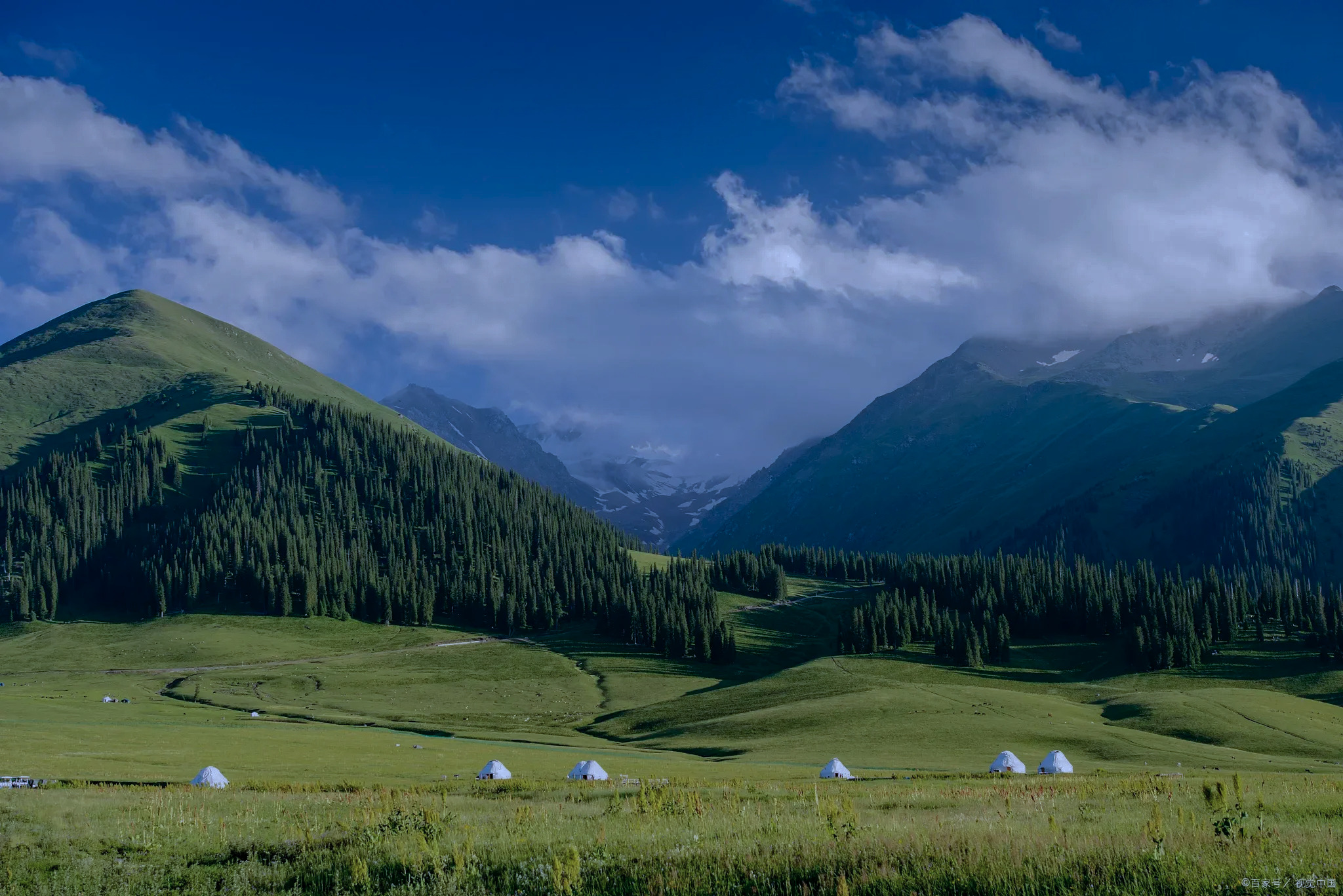
Most travellers associate Xinjiang with melons and grapes, but the province is also one of China’s largest sea buckthorn producers. The real centre is not Bosten Lake, where sea buckthorn is planted mainly as a windbreak, but the cold northern edge of the Altai range. Qinghe County alone had around 72,000 mu of sea buckthorn in 2025, with 42,000 mu fruiting and an expected output above 5,000 tonnes. The county markets itself as China’s home of the large-fruit sea buckthorn variety, and the numbers back it up.
What impressed me was the two-stage harvest. In late August and September workers hand-pick ripe orange berries. The bushes are thorny, the berries burst easily, and a single labourer might collect only 60–70 kg per day. To avoid waste, growers leave some fruit on the branch until temperatures drop below minus 20 Celsius, then spread tarps and tap the frozen berries loose. In Barkol and Yiwu I saw night crews wearing headlamps, earning roughly 300 yuan for a few hours of frozen harvesting. The cold keeps the berries firm and preserves the vitamin C that makes the crop valuable.
My own sea buckthorn picking attempt
I tried hand-picking near Akeqikazihan in Qinghe on a September morning and gave up after ten minutes. The thorns went through my jacket, the juice stained my fingers yellow, and I had collected perhaps a handful. The woman I met later, using a pair of pruning shears and a bucket lined with soft cloth, made it look effortless. She told me her family sells the fresh berries to a local processor for about 1.5 yuan per kilogramme in a good year, and that tourists sometimes pay double at the farm gate just to take photographs. Her practical advice: do not pick without gloves, do not fill plastic bags more than halfway, and never pick after rain because the fruit turns mushy within hours.
Why wild fruit foraging is more complicated than it looks
The word foraging sounds romantic, but Xinjiang is not an open larder. The famous wild apple forest in Xinyuan is a protected gene bank. The wild walnut groves of Gongliu have been a managed reserve since 1982. Even the sea buckthorn bushes beside village roads usually belong to somebody, either a household contracted to the land or a company leasing the slope. That does not mean the experience is off limits. It means the honest way to do it is to pay for an organised farm visit, buy from the family that owns the trees, or stick to products already processed and sold in licensed shops. The best wild fruit I tasted in Xinjiang was not picked secretly in a forest; it was a jar of wild apple jam bought from a woman who told me the exact valley her husband collects from.
Getting to the sea buckthorn and wild fruit regions
The two main zones are far apart, so you usually choose one per trip.
Qinghe and the Altai sea buckthorn belt
Qinghe sits in the far northeast of Xinjiang, roughly 300 km east of Altay City and 450 km north of Urumqi by road. Altay Airport and the train to Altay City are the usual gateways; from there you hire a car or join a local driver for the half-day drive. The S18 expressway and G216 make the journey straightforward in summer. Winter brings heavy snow, which is partly why the frozen berry harvest works so well logistically: the roads are open but the fruit is hard enough to transport.
Xinyuan and the Ili wild fruit forests
Xinyuan County, about 30 km east of the county town in Almaly township, holds the largest surviving wild fruit forest in Eurasia. Covering roughly 100,000 mu at 1,000–1,600 metres, it is dominated by Malus sieversii, the ancestor of most cultivated apples, plus wild apricots, walnuts, cherries and rose hips. Some trees are over 500 years old. Since 2023 the area has been governed by the Ili Wild Fruit Forest Protection Regulations, which means casual foraging inside the core reserve is not permitted. Visitors can walk the marked trails, photograph the blossom in late April, and buy processed products from licensed vendors.

Best time to look for Xinjiang sea buckthorn and wild fruit
Late August through October is the practical window. Sea buckthorn ripens first in the warmer northern oases and later in the high Altai valleys. Autumn is also when wild walnuts, apricots and jujubes reach the markets. If you want blossom rather than fruit, the Xinyuan wild apple flowering period around 1 May lasts only about a week and draws photographers from across the region. Winter, from December to January, is for the frozen sea buckthorn harvest and for seeing the industry in action; it is not a comfortable season for casual visitors.
Where to stay
Qinghe has a small selection of budget hotels and guesthouses around the county centre. I stayed in a family-run place near the bus station for 180 yuan per night, which included breakfast and reliable hot water. In Almaly township, near the Xinyuan wild fruit forest, the better option is to base yourself in Xinyuan County town or in nearby Nalati and drive out for the day. Farmstays do exist in the villages, but English is rare and booking ahead through a Chinese platform is essential.
What to eat and drink
Sea buckthorn is aggressively sour straight from the branch. The local way to enjoy it is as a chilled original juice, diluted with a little water and sometimes honey. I drank it at a small bar in Yining after a long drive and found it more refreshing than orange juice, though my travelling companion winced at the first sip. Bottled sea buckthorn juice, oil capsules and jam are sold at airports, bazaars and the growing number of farm shops in Qinghe.
Pair the drink with the regional foods that grow in the same landscapes: dried apricots from the Ili Valley, walnuts from Gongliu, and rose jam from Hotan. In Qinghe, Kazakh families serve the juice with homemade bread and sheep’s-milk cheese. If you prefer alcohol, a few Xinjiang wineries near Yanqi produce fruit wines, though sea buckthorn wine remains a niche product.
Practical tips for foragers
- Do not assume wild means free to pick. The Xinyuan reserve, Gongliu walnut forest and most commercial orchards have rules or owners.
- Ask before picking anything from a roadside tree. Many trees belong to families who sell the harvest.
- Wear thick gloves for sea buckthorn; the thorns are sharper than they look.
- Carry cash. Small farm gates and village sellers rarely take cards or foreign mobile payment.
- Fresh sea buckthorn perishes in one to two days; buy processed products if you are travelling onward.
- Check customs rules before taking dried fruit or plant products out of China; some items need inspection certificates.

A sample three-day sea buckthorn and wild fruit trip
Day 1: Fly or train to Altay City, collect a hired car, and drive to Qinghe. Stop at a roadside sea buckthorn plantation for photographs and a tasting.
Day 2: Visit a processing cooperative in Akeqikazihan or Aredai to see how berries become juice and oil. Buy small bottles for the trip. Drive back toward Altay in the afternoon.
Day 3: Return to Altay City, visit the local market for dried fruits, then fly out or continue to Kanas.
If your interest is the wild fruit forest rather than sea buckthorn, swap Qinghe for a base in Xinyuan or Nalati and spend two days walking the reserve trails in late spring or early autumn.
FAQ
Can foreigners pick sea buckthorn in Xinjiang?
Yes, if you are on private land with the owner’s permission or at a farm that offers a picking experience. Do not pick inside commercial plantations without asking.
Is sea buckthorn expensive?
At the farm gate, fresh berries are cheap. A bottle of original juice in a city café costs 15–30 yuan. Oil capsules and cosmetics are the expensive end of the market.
Can I visit the Xinyuan wild fruit forest?
Yes, the reserve has trails and basic visitor infrastructure. Blooming season in late April is the busiest time; autumn is quieter but the fruit is not freely picked.
What should I bring home?
Sea buckthorn juice, dried apricots, walnuts and rose jam are the most practical souvenirs. Juice bars in Urumqi or Kashgar often stock sealed bottles that travel better than farm-fresh products.
Disclaimer
The information here is based on my own travel experience in Xinjiang and publicly available reports from county agriculture bureaus and the Ili Wild Fruit Forest Protection Regulations. Harvest dates, prices and access rules change from year to year. Always ask local landowners or reserve staff before picking anything, and check current Chinese customs rules before exporting plant products.
About the author
Karl Huang is a Xinjiang travel writer who has been travelling the region since 2018, focusing on food, seasonal routes and lesser-known counties. He researches routes on the ground, cross-checks details with local tourism offices, and updates articles when conditions change.