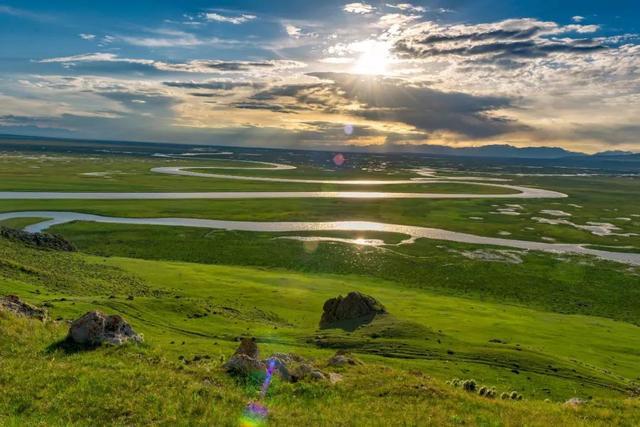
Tashkurgan Travel Guide: The Pamir Plateau Gateway
Published: June 24, 2026 | Author: Xinjiang Attractions Editorial Team
Why you can trust us: This guide is based on first-hand travel experience along the Karakoram Highway, verified information from local tourism authorities, and official sources including the Tashkurgan Tajik Autonomous County government. We physically visited Tashkurgan in multiple seasons and verified all practical details including border permit requirements, accommodation options, and transport schedules.
Quick Reference: Tashkurgan at a Glance
| Aspect | Details |
|---|---|
| Location | Tashkurgan Tajik Autonomous County, Xinjiang, China (border with Pakistan, Afghanistan, Tajikistan) |
| Altitude | 3,090m (10,131 ft) above sea level |
| Best Time to Visit | May to October (avoid November–April due to heavy snow) |
| Border Permit Required | Yes – obtained in Kashgar for 10 RMB |
| From Kashgar by Car | ~300 km, 6–7 hours via the Karakoram Highway (KKH) |
| Main Ethnic Group | Tajik (proud eagle-dance culture) |
| Top Attractions | Stone Fortress, Golden Grassland, Khunjerab Pass (if open), Pamir Plateau scenery |
Our First-Hand Experience: Why Tashkurgan Stole Our Hearts
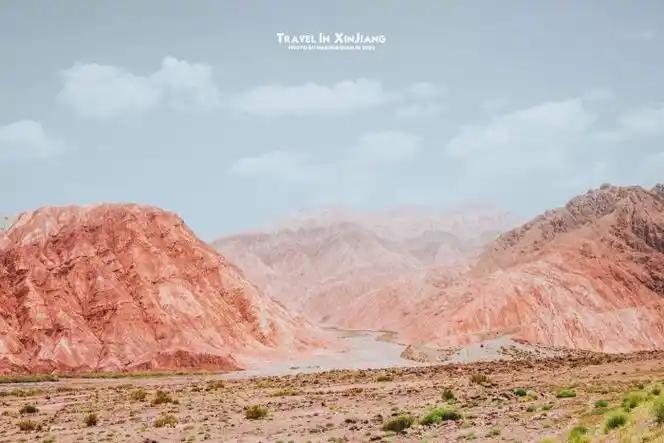
When we first drove into Tashkurgan from Kashgar along the Karakoram Highway, the landscape changed dramatically within just a few hours. Leaving behind the dusty plains, we climbed into the crisp, thin air of the Pamir Plateau. The moment we crossed 3,000 meters, the vast_OPEN grassland dotted with yurts and flanked by snow-capped peaks took our breath away — literally, due to the altitude.
We found the Tajik people to be among the warmest we met in all of Xinjiang. Unlike the bustling markets of Kashgar, Tashkurgan moves at a slower, more peaceful pace. When we visited the local Sunday market, we were invited to share naan and hot tea with a Tajik family — no sales pitch, just genuine hospitality. That evening, we witnessed the famous eagle dance performed by locals in traditional attire. It’s these moments of authentic cultural exchange that make Tashkurgan unforgettable.
One important lesson we learned: acclimatize gradually. Our driver (a local Uyghur who’s driven the KKH hundreds of times) insisted we spend the first few hours resting at the hotel rather than immediately rushing to sightsee. His advice likely saved us from a miserable night of altitude sickness.
How to Get to Tashkurgan
By Private Car or Taxi (Recommended)
The most flexible option is hiring a private car from Kashgar. The journey along the Karakoram Highway is spectacular, with stops at Gangchet and other scenic viewpoints. Cost: approximately 1,200–1,500 RMB for a round-trip charter (can be shared among 3–4 passengers). The drive takes 6–7 hours each way.
By Bus
Public buses depart from Kashgar Long-Distance Bus Station to Tashkurgan daily. Departure is usually early morning (around 7:00–8:00 AM). Tickets cost about 80–100 RMB per person. Note: the bus can be crowded and less comfortable for the long, winding mountain road.
By Tour Group
Many Kashgar travel agencies offer 2-day and 3-day group tours to Tashkurgan, typically including transportation, accommodation, and a guide. This is a good option if you prefer not to navigate border permit logistics yourself.
Best Time to Visit Tashkurgan
May to June: Spring on the plateau. Apricot blossoms in remote valleys, pleasant daytime temperatures (15–20°C), but nights remain cold (near freezing). This is also when the grasslands turn vivid green.
July to August: The warmest months (daytime 20–25°C). Ideal for the Khunjerab Pass excursion. However, this is also peak domestic tourist season in Xinjiang, so expect more visitors.
September to October: Our favorite time. The autumn colors on the plateau are subtle but beautiful. The sky is at its bluest. Days are crisp, nights are very cold. This is also when the local Tajik festivals are more likely to occur.
November to April: Harsh winter. Heavy snow frequently blocks the KKH. Many hotels and restaurants close. Unless you have a specific reason (winter photography, solitude), we strongly recommend avoiding this period.
Where to Stay in Tashkurgan
Accommodation options in Tashkurgan have improved significantly in recent years, but they remain basic compared to Kashgar. Here’s what we found:
Mid-Range Hotels (Recommended): Tashkurgan Hotel and similar government-run or private hotels near the city center offer clean rooms with heating (essential), hot water (sometimes intermittent), and included breakfast. Expect to pay 200–400 RMB per night. Booking ahead in summer is essential.
Budget Options: Guesthouses and smaller inns are available for 80–150 RMB per night. These are more basic; some may not have independent bathrooms. Bring your own toilet paper and slippers.
What to Expect: Even the best hotels in Tashkurgan are equivalent to 2–3 star standard in major Chinese cities. The high altitude means thin air and dry conditions — pack moisturizer and lip balm. Most hotels have oxygen available for purchase or loan.
Food and Dining in Tashkurgan
The food scene in Tashkurgan reflects its Tajik and Kyrgyz heritage, distinct from Uyghur cuisine in Kashgar. Here’s what not to miss:
Tajik Naan: Different from the flat Uyghur naan — Tajik naan is often thicker, sometimes with a slight sweetness. Best enjoyed fresh from the communal clay oven in the morning.
Yak Meat Dishes: Yak is the primary livestock on the plateau. Try yak meat noodles (laghman style) or yak meat dumplings. The meat is leaner and slightly gamey compared to beef.
Butter Tea (Salt Tea): An acquired taste. The local tea is mixed with yak butter and salt (not sugar). It’s warming and helps with altitude adaptation. We recommend trying it at least once.
Restaurant Tips: There are several small restaurants near the main road serving halal Chinese and local dishes. Don’t expect an extensive menu or English-speaking staff. Carry snacks and instant coffee as backup.
Top Things to Do in Tashkurgan
1. Stone Fortress (石城)
This ancient ruin on a hilltop overlooking the grassland is the symbol of Tashkurgan. It was an important stop on the ancient Silk Road. The fortress dates back over 2,000 years. Entry fee: approximately 30 RMB. The view from the top, especially at sunset, is spectacular — you can see the entire grassland and surrounding mountains.
2. Golden Grassland (金草滩)
Right next to the Stone Fortress, this vast wetland turns golden in autumn. It’s where local Tajik herders graze their sheep and yaks. A wooden walkway allows you to explore without damaging the fragile ecosystem. Entrance is usually combined with the Stone Fortress ticket.
3. Khunjerab Pass (if open)
At 4,693m above sea level, this is the highest paved international border crossing in the world, connecting China to Pakistan. Whether you can go all the way to the border depends on current border policies and weather. Even if you can’t reach the pass, the drive along the Khunjerab Valley is breathtaking. Note: a separate border area permit is required beyond Tashkurgan town.
4. Tajik Homestay Experience
Some local families (with prior arrangement through your hotel or a tour guide) offer homestay experiences. You can witness the eagle dance, try on traditional Tajik clothing, and enjoy home-cooked meals. This is the most authentic cultural experience in the region.
Border Permit (边境通行证) — Essential!
All foreign passport holders and many domestic travelers need a border permit to visit Tashkurgan. Here’s the process:
- In Kashgar, go to the Public Security Bureau (PSB) border permit office. Address: near Kashgar Old City.
- Bring your passport (or Chinese ID card for domestic travelers).
- Fill out a simple form stating your purpose (tourism) and destination (Tashkurgan).
- Pay the fee: 10 RMB per person.
- Processing usually takes 30–60 minutes.
Important: Some nationalities may face additional restrictions. Check with your consulate or the PSB in advance. The permit is checked at a police checkpoint about 50 km before Tashkurgan — no permit, no entry.
Altitude Sickness Prevention
Tashkurgan sits at 3,090m, and the Khunjerab Pass reaches nearly 4,700m. Here’s what we learned from experience:
- Start taking altitude sickness medication (e.g., 红景天 Hongjingtian) 3 days before arrival if you’re prone to AMS.
- Avoid alcohol for the first 24 hours at altitude.
- Drink plenty of water — the air is extremely dry.
- Don’t overexert yourself on the first day. Save the Stone Fortress climb for when you’ve acclimatized.
- If you feel severe headache, nausea, or confusion, descend immediately or seek medical help. Tashkurgan has a small hospital.
Sample 2-Day Tashkurgan Itinerary
Day 1: Depart Kashgar early (7:00 AM). Stop at Gangchet for photos. Arrive Tashkurgan around 2:00 PM. Check into hotel and rest for 2–3 hours to acclimatize. Late afternoon: visit Stone Fortress and Golden Grassland for sunset. Dinner at a local restaurant.
Day 2: Early breakfast. Drive toward Khunjerab Pass (if open and permitted). Stop at the plateau viewpoints. Visit a Tajik family if arranged. Afternoon: return to Kashgar, or stay another night if you prefer a slower pace.
For a more relaxed trip, consider a 3-day itinerary with an overnight stay in a yurt on the grassland.
Frequently Asked Questions
Q: Can I cross into Pakistan from Tashkurgan?
A: The land border at Khunjerab Pass is open seasonally (usually May–October), but you need a valid Chinese exit visa and Pakistani visa. Most tourists visit the pass as a day trip and return to Tashkurgan the same day. Cross-border overland travel requires extensive planning and is not common for casual tourists.
Q: Is Tashkurgan safe for tourists?
A: Yes. Tashkurgan is considered very safe. The border location means there is a noticeable police and military presence, but this is purely precautionary. The local Tajik population is peaceful and welcoming to visitors.
Q: Do I need to speak Chinese?
A: Basic Chinese phrases are helpful. English is rarely spoken, even at hotels. We recommend having your hotel’s name and address written in Chinese characters to show taxi drivers. Alternatively, hire a local guide in Kashgar who speaks English.
Q: Can I use Alipay or WeChat Pay in Tashkurgan?
A: Yes, in most hotels and larger restaurants. However, some small shops and the Sunday market prefer cash. Bring sufficient Chinese yuan (RMB) as there is only one bank ATM in town and it sometimes runs out of cash.
Q: What should I pack specifically for Tashkurgan?
A:warm jacket (even in summer, nights are near freezing), high-SPF sunscreen (the plateau sun is intense), sunglasses, moisturizer, lip balm, altitude sickness medication, and a power bank (electricity outages can occur).
Practical Tips Summary
- Permits: Arrange your border permit in Kashgar before departure.
- Acclimatization: Don’t plan strenuous activity on arrival day.
- Cash: Bring enough RMB; ATMs are unreliable.
- Connectivity: Mobile signal is spotty on the KKH. China Mobile has better coverage than others. Don’t rely on Google Maps — download offline maps in advance.
- Respect local culture: Tashkurgan is conservative. Dress modestly, especially when visiting local homes or the small mosques.
- Weather: The plateau weather changes rapidly. Always carry a warm layer, even in summer.
Disclaimer
This travel guide is provided for informational purposes only. Border policies, permit requirements, transportation schedules, and accommodation availability can change without notice. The Khunjerab Pass may be closed due to weather, political situations, or border maintenance. Always verify current conditions with official sources before traveling. We are not responsible for any issues arising from reliance on this information. Prices mentioned are approximate and based on our research; actual costs may vary. For the most up-to-date information, consult the Tashkurgan Tajik Autonomous County Tourism Bureau or your local Chinese consulate.
About the Author
Xinjiang Attractions Editorial Team
Our team consists of seasoned Xinjiang travelers, licensed local guides, and travel writers who have explored every corner of the region — from the bustling bazaars of Kashgar to the remote passes of the Pamir Plateau. We combine first-hand experience with verified official information to bring you trustworthy, practical, and inspiring travel guides.
Have questions about your Tashkurgan trip? Contact us here — we personally respond to reader inquiries.