Published: July 28, 2026 | Author: Pieter van Rooyen
Xinjiang meat soup is the most underrated category on the region’s menu. Travelers ask about kebabs and pilaf and not much else, which is a shame because on my two trips through the south of Xinjiang (2025 Kashgar-Hotan-Yarkand, 2026 Kuqa-Turpan) the bowls I kept coming back for were almost always liquid. Big copper pots of shorpa on arrival days, hand-pulled noodles in broth for lunch, and a slippery noodle soup my Uyghur driver friends call goshtli suyuq ash that I now crave on random Tuesdays back home in Cape Town. I am a home cook with twenty years behind a South African stove, two slow crossings of the Tarim Basin, and conversations with a lot of grandmothers. This is the guide I wish someone had handed me in Urumqi before my first shorpa.
Quick reference: Xinjiang meat soup at a glance
| Dish | Main protein | Base | Where to find it | Approx. price |
|---|---|---|---|---|
| Shorpa | Mutton or beef on the bone | Clear broth, tomato-garlic-oil float | Banquets, bazaars, late-night grill houses | 30-80 RMB a bowl |
| Laghman suyuq ash | Beef or mutton | Pulled noodle in tomato-chili broth | Any laghman shop, north and south | 25-45 RMB |
| Gosht suyuq ash | Beef chunks | Clear or lightly tomato broth, no noodles | Yarkand, Hotan, Kashgar old town | 20-35 RMB |
| Naren | Horse or mutton on the bone | Boiled, sliced thin over wide noodles | Northern grassland yurts, Ili Kazakh homes | 60-120 RMB a plate |
| Tushum berek | Lamb offal and tripe | Milky broth with thin dough sheets | Bishkek-influenced Uyghur cafés, Yili | 40-60 RMB |
| Yurga soup | Lamb or beef stock | Small filled dumplings in clear broth | Northern Xinjiang, winter months | 30-50 RMB |
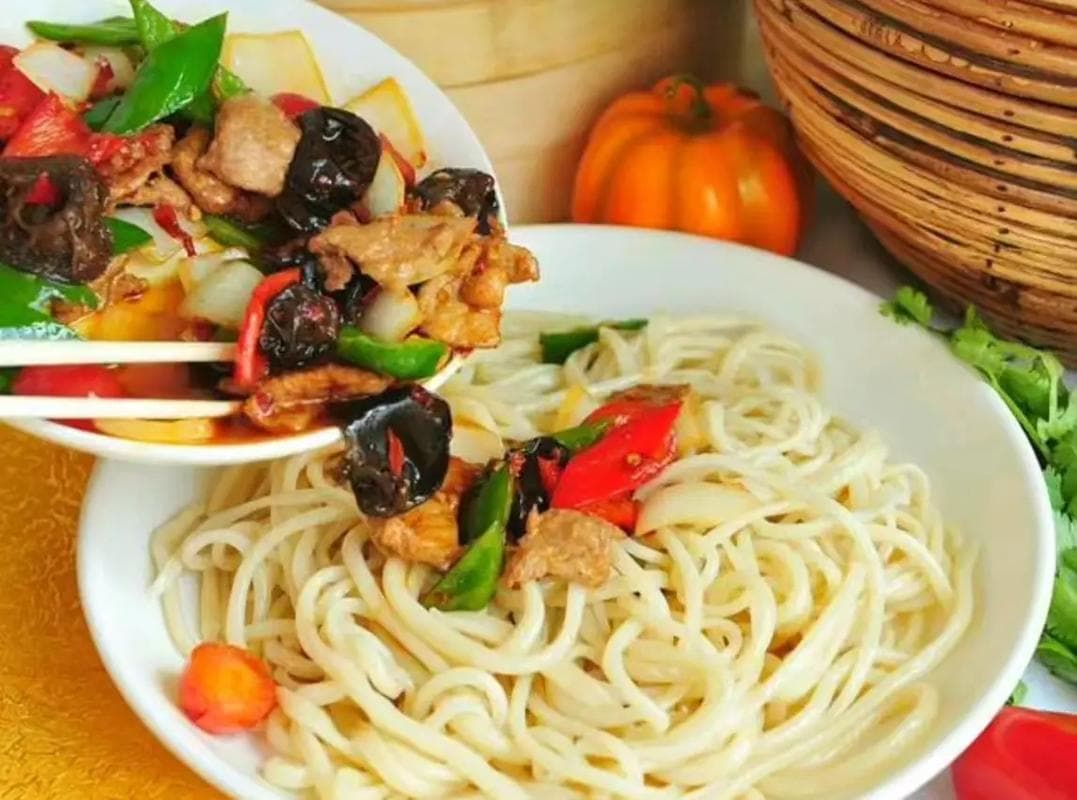
Hand-pulled laghman is the backbone of Xinjiang soup cooking. The same dough stretched for the dry stir-fried version becomes suyuq ash when dropped into broth.
How I fell in love with shorpa, the slow way
My first shorpa was on the third night of our 2025 trip, in a banquet courtyard off Seman Road in Kashgar. Our Uyghur guide Memet insisted we stay for dinner. The kitchen brought out polu cooked in a sealed pot, a whole roasted quus qordaq, and a tall two-handled pot of shorpa that looked murky and unromantic. One sip and I understood. The broth was clear and weightless, but underneath ran a deep mutton sweetness from bones simmered at least four hours, a thin layer of red oil from tomato and chili, and small flecks of cilantro. We drank it before the meat arrived. When the lamb did arrive, two enormous femurs with meat still attached, Memet laughed at my expression and said, “In Kashgar the soup is the first course and the meat is the second.” He picked up his bone with both hands and started gnawing. I followed.
Two things stuck with me that night. Shorpa is not the broth you make from roast drippings. It is its own dish, boiled in a clean pot before any grilled meat enters the picture, so the flavor stays pure. And it is rarely served as a single bowl at home. At the banquet we were six people sharing one pot, dipping nang into it between bites. If you order shorpa in a small Kashgar cafe and they bring you a solo bowl, you are in a tourist trap. The real thing is communal and arrives with a stack of bread.
The three soups I keep going back for
If you only have time for three bowls of Xinjiang meat soup in your life, make them these.
1. Shorpa, served in a copper pot
The classic. Order it on the first night of any trip, at a banquet or a busy Uyghur eatery rather than a hotel restaurant. The broth is clear, the lamb on the bone, and the pot arrives in its own small brazier so it keeps bubbling. The right pot is hammered brass or copper, often sold at the Urumqi International Bazaar for 80-200 RMB. Tourists photograph the pot more than the meat. They are correct to do so.
2. Laghman suyuq ash, the noodle soup
Laghman is the most famous Xinjiang noodle, but travelers usually meet the dry stir-fried version. The southern variant, especially in Kashgar and Yarkand, is the soup: long hand-pulled noodles swimming in a tomato-onion broth with peppers and chunks of beef or mutton. Order it “suyuq,” which just means liquid. My friend Aynur in Hotan insists on a slice of tomato on top, a lime wedge on the side, and an order of nang. A full bowl costs 25-40 RMB in 2026.
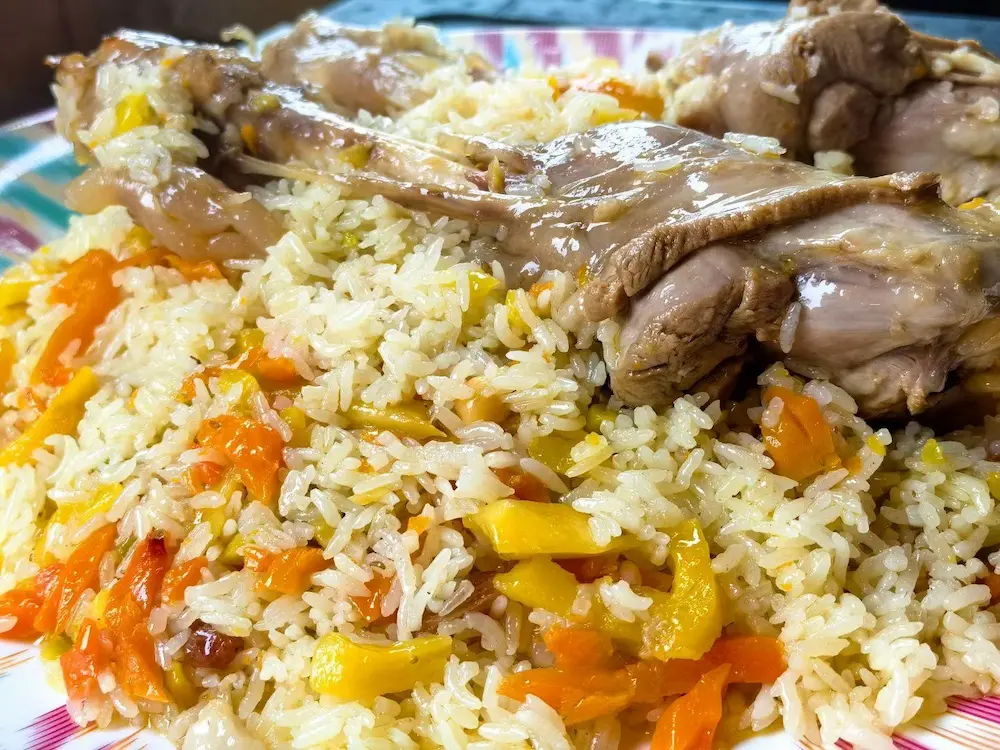
After heavier plates like this Kashgar polu, the hot broth of shorpa is what Uyghur families reach for as a reset. Soup and rice work as a deliberate pairing.
3. Naren, the grassland plate
In the Ili Kazakh belt around Nalati, Sayram Lake and the Borohoro range, naren is the celebration dish. A whole horse or sheep is boiled, the meat sliced thin, and the broth poured tableside over wide hand-rolled noodles in a giant platter. You eat with your fingers, in order: a few pieces of meat, a twist of noodles dipped in the broth, a sip of broth straight from the rim. We paid 80 RMB a head for naren at a yurt outside Nalati in June 2025 and ate slowly for two hours. The yurt owner’s daughter, a 14-year-old named Aigerim, told us she had been making the noodles since she was eight. The bowl of clear broth she poured at the end was the best shorpa variant of the trip.
Where shorpa and suyuq ash actually happen
Most travelers never find real Xinjiang meat soup because shorpa is rarely on an English menu. When it is, the price has usually been lifted for tourists. Here is where to look.
- Kashgar old town. Walk east of the Id Kah Mosque, not west. East of the mosque, the courtyards behind the lanes serve Uyghur food to Uyghur families and the shorpa arrives in single-handled brass pots.
- Yarkand Sunday bazaar. Watch shorpa being ladled out of 30-liter cauldrons at 7 a.m. Buy a 10-RMB bowl, share a table, eat while the donkeys are still being unloaded. The local version is saltier and leaner than Kashgar’s.
- Hotan bazaar. The oilier Hotan variant of gosht suyuq ash (no noodles, broth and meat with potato and carrot) is what the silk road truck drivers eat at 4 a.m. before driving across the Taklamakan.
- Urumqi. Skip the tourist strips around Erdaoqiao. Head to the Xinjiang International Bazaar food court basement where five or six Uyghur stalls compete. We paid 35 RMB for shorpa in summer 2025 that came with a free refill of nang.
- Turpan. Broths get thicker in the drier climate and the lamb is often grilled-to-soup-finished in family courtyards. East of the city the grape-valley homes serve shorpa with fresh mulberry juice.
- Yili. For naren specifically you need a yurt invitation or a family-run guest lodge. Yining town has plenty of shorpa but the culture shifts toward Kazakh beshbarmak.
I mapped the driving loop that hits most of these stops in our 21-day itinerary. Day 4 there covers Kashgar old town in detail and includes the courtyard where Memet works.
Getting in: transport around the soup route
- Flying. Urumqi Diwopu (URC) has the only year-round long-haul connections. From there, Kashgar, Hotan and Yarkand all have one-hour flights.
- Train. The Lhasa-Xinjiang rail terminates at Kashgar and is comfortable but strips out half the landscape. I wrote up our actual train-vs-flight numbers elsewhere on the site.
- 4×4 with driver. Outside the cities this is the only way to reach the yurts and desert roadhouses. Self-drive is feasible on main highways but limited in Pamir and Taklamakan. The 2026 cost breakdown includes driver quotes.
- Cash. Eighty percent of soup stalls in Yarkand, Hotan and small-town Kashgar are cash only, especially at dawn. Bring small notes.
Best time to drink shorpa
Counterintuitively, the best shorpa is summer or early autumn, not winter. Uyghur butchers prefer 8-to-10-month-old lambs born in late winter that have grazed through spring. The meat is mild, the fat is soft, and the lambs reach slaughter weight around late August. By February the lamb is older and the broth tastes more “muttony,” which some foreigners dislike. We found September shorpa in Hotan the cleanest and least gamey of the year, with October a close second.
Spring is risky. Ice breakup closes some yurt roads until late April, and lamb supply is at its lowest. Winter soup is heavily salted and built for fuel. The safest shoulder seasons are mid-September to mid-October and late May to mid-June. Avoid the October 1 holiday week, when prices double and bazaars are overrun.
Where to stay if soup is the point
- Kashgar old town. Stay inside the walled lanes. Old-town guesthouses serve shorpa at 7 a.m. for guests and at 8 p.m. for anyone who walks in. Most are 120-220 RMB a night.
- Yarkand. Small Uyghur hotels near the Eid Mosque serve free shorpa at 6 a.m. for guests who skipped dinner.
- Hotan. Stay near the Hotan River. The street outside the Hotan Museum has four shorpa stalls open from 7 to 11 p.m. and three again at 4 a.m.
- Yining. For naren, leave town. Nalati and Kalajun have Kazakh family-run yurts that include evening naren in the room rate. Book a week ahead in summer.
The site’s overview of dairy and milk tea complements this nicely: most Uyghur guesthouses offer kumis alongside shorpa in the morning. Same goes for brick tea, which is what you drink after the shorpa is finished.
What to order around the soup
- Nang. Tear, dunk, eat. The bread is part of the soup.
- Polu. Uyghur rice pilaf with carrots, raisins and a fat tail piece. Order it plain if you want to focus on the broth.
- Kebab. Two skewers at most. A short guide to kebabs is on the site. Two lamb skewers plus a 35-RMB shorpa bowl is a complete dinner.
- Tomato-cucumber salad. Free at most stalls. Ask for “沙拉.” Cuts the fat.
- Samsa. Bite, sip of broth, repeat.
For dessert after soup, look for fruit, melon, or in winter a small cone of ice cream from the Uyghur carts on bazaar corners. The site has guides on dumplings and manty and on the whole roast lamb tradition.
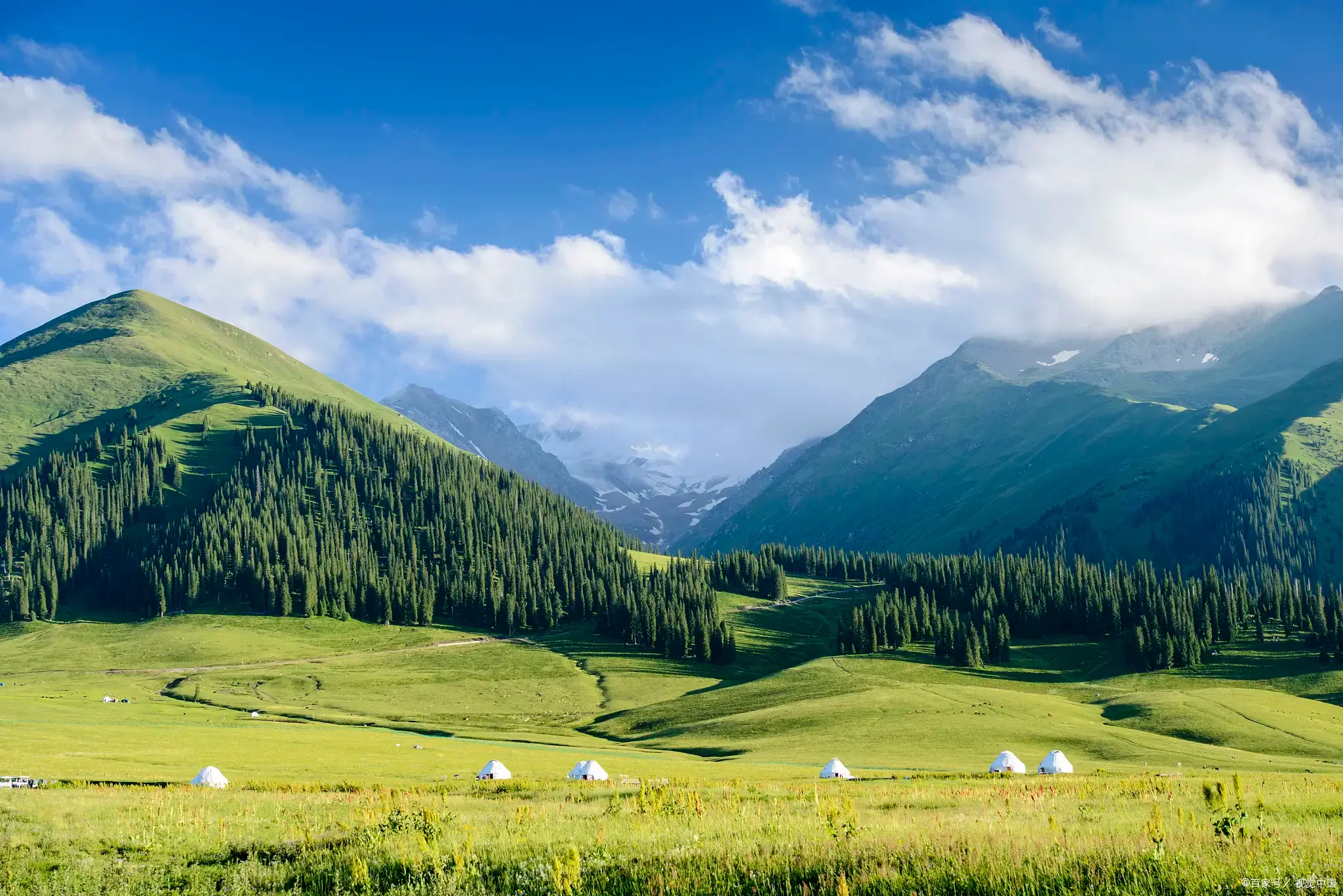
On the northern grasslands, naren replaces shorpa as the centerpiece: boiled meat sliced thin over noodles, with the broth poured at the table.
Five practical tips from my 2025 trip
- Eat shorpa at 7 a.m., not 7 p.m. Most Uyghur families have shorpa at breakfast. Tourist restaurants only serve it in the evening because that is when tourists eat. Morning shorpa is fresher, cheaper, and comes with nang still warm from the tandoor.
- Order by the pot if the table has five or more. Ask for “一份锅” (yifen guo) and a shared ladle. Price per person drops by a third.
- Watch the salt. Southern Xinjiang shorpa is aggressively salted. If you have cardiovascular concerns, ask for “少盐” (shao yan). Most kitchens will accommodate.
- Don’t be shy about slurping. Slurping the noodles in laghman suyuq ash is normal. It is how grandmothers signal the soup is good.
- Bring tissues. Many of the best shorpa stalls use communal wash stations, not napkins.
Sample soup route: 5 days across the Tarim Basin
Day 1, Kashgar. Fly in from Urumqi. Walk the old town, end at a courtyard behind the Id Kah Mosque for shorpa around 1 p.m. Dinner: laghman suyuq ash on the east end of Seman Road. Sleep in an old-town guesthouse.
Day 2, Yarkand day trip. Drive 3 hours west. Eat gosht suyuq ash from a cauldron stall at 7 a.m., skip lunch, then evening shorpa at a local home arranged through your guide.
Day 3, Hotan. Drive or fly southeast. Eat at a 4 a.m. truck-stop gosht suyuq ash stall just outside the bazaar. Sleep near the museum, where shorpa runs from 7 p.m. to midnight.
Day 4, Hotan to Kuqa via desert. Eat a thermos shorpa your driver’s wife prepared. Dinner in Kuqa old town, try the local variant with dried apricots in the broth.
Day 5, Kuqa to Urumqi. Optional stop at Bayinbuluke for naren if booked ahead, or fly back to Urumqi and have farewell shorpa at the International Bazaar basement.
FAQ
Is shorpa always mutton, or can I get beef?
Mutton is the default. Beef shorpa exists in mixed Hui-Uyghur eateries in Urumqi and northern Xinjiang but is rarer in the south. Say “yangrou” for mutton, “niurou” for beef when you walk in.
I don’t eat red meat. Is there a chicken version?
Chicken soup (ji tang) is everywhere in Xinjiang but is not shorpa. The closest Uyghur alternative is a clear vegetable broth called “shorpa sabzavot,” rare in tourist spots. See the 30-question Xinjiang FAQ for broader food questions.
What is that red oil on top of shorpa?
Tomato oil and chili oil, not pure fat. In Kashgar, ghee melted with tomato paste, garlic and dried chili. In Yarkand, the same oil often carries crumbled nang or dried mint. The flavor is in that layer.
How salty is shorpa, and is it safe for hypertension?
Moderately salty, comparable to Japanese ramen broth. Expect around 1,500 mg of sodium a bowl. Request “shao yan” and avoid the last centimeter where salt settles.
Can I recreate shorpa at home?
Yes, with mutton bones (femur, neck or shank), a slow cooker, and 3-4 hours simmering. Roughly 350 g bones per liter of water, one onion, half a tomato, two cloves of garlic, salt. Australian or New Zealand lamb neck is a fair substitute in western supermarkets.
Disclaimer
I paid for every meal mentioned here. No restaurant or guide compensated me. Prices are from autumn 2025 and 2026 and may have shifted 10-15 percent. Lamb quality, broth thickness and salt vary by season, region and cook, so treat my recommendations as starting points. If you have a medical condition limiting salt or fat intake, consult your doctor before a shorpa-heavy trip. Always check current travel advisories: visa requirements, security zones and road access change frequently in southern Xinjiang.
About the author
Pieter van Rooyen is a home cook and food writer based in Cape Town, South Africa. He has been cooking in his own kitchen for over twenty years and specializes in slow-braised dishes. He first visited Xinjiang in autumn 2025 on a 21-day trip from Urumqi through the Taklamakan to Kashgar, then returned in spring 2026 for two weeks in the Ili Kazakh region. He has eaten shorpa in private homes, bazaar stalls, banquet courtyards and Kazakh yurts. He is not affiliated with any establishments mentioned in this article.