Published: August 13, 2026 | Author: Karl Huang
Most travelers stop at Kashgar and turn back. We almost did the same, until a driver at the Kashgar bus station mentioned the old khan’s tomb two hours south. That offhand tip sent us to Yarkand (英车, also written Shache), and it became one of the most grounding stops of our Xinjiang trips. This Yarkand travel guide pulls together what we learned across three separate visits between 2021 and 2024, checked against the on-site signs and the Shache County tourism office.
I am not a historian by trade. I am a travel writer who has driven and ridden buses through most of Southern Xinjiang, and I keep returning to Yarkand because it does something rare: it shows you a working Silk Road town that has not been smoothed into a postcard. The notes below are practical first, with just enough background to enjoy the place instead of only photographing it.
Yarkand at a Glance
| Item | Detail |
|---|---|
| Chinese name | 英车县 (Shache) |
| Region | Kashgar Prefecture, Southern Xinjiang |
| Historical role | Capital of the Yarkant Khanate (1514–1705) |
| Distance from Kashgar | About 200 km south on the G315 |
| Best months | April–May, September–October |
| Signature sight | Yarkant Royal Mausoleum (Amanniya Khan tomb) |
| Don’t miss | The Sunday bazaar, one of the biggest in the south |
What It Felt Like to Be There
We rolled into Shache on a Saturday night, which turned out to be the right call. The town is calm during the week, but the Sunday bazaar is the event of the week, and arriving the night before meant we could sleep in and walk straight into it at first light. Our guesthouse sat on a side street off Renmin Road, and by 7 a.m. the smell of roasting lamb and fresh naan was already drifting through the window.
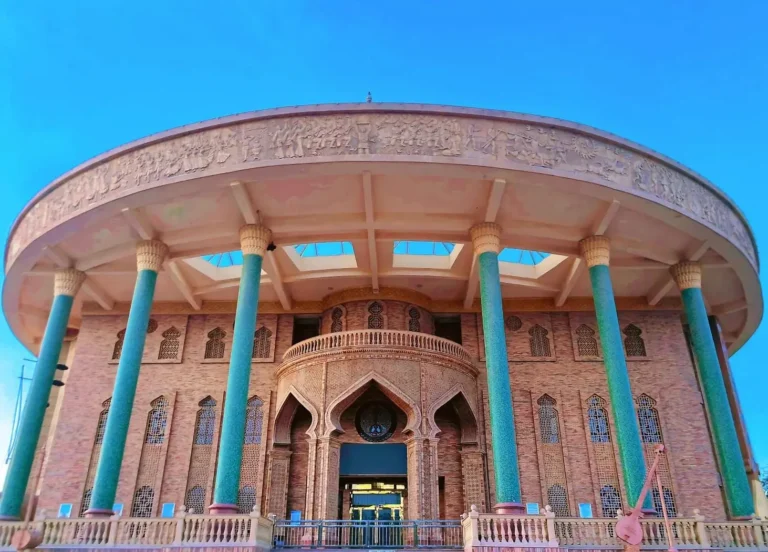
The Royal Mausoleum was nearly empty when we got there around 9. The tilework on the domes catches the low morning sun in a way no afternoon shot does. A caretaker let us into the side chamber where the Muqam instruments are kept and explained, in a mix of Uyghur and hand gestures, how the Twelve Muqam were written down here under Amanniya Khan. That half-hour stayed with me longer than any guided tour.
What caught us off guard was the size of the Friday Mosque. From the street it looks like a low mud-brick wall, but inside the prayer hall is held up by more than a hundred carved wooden columns, and on a quiet weekday we had the whole space to ourselves. Stand still for a minute and you hear the timber creak in the heat.
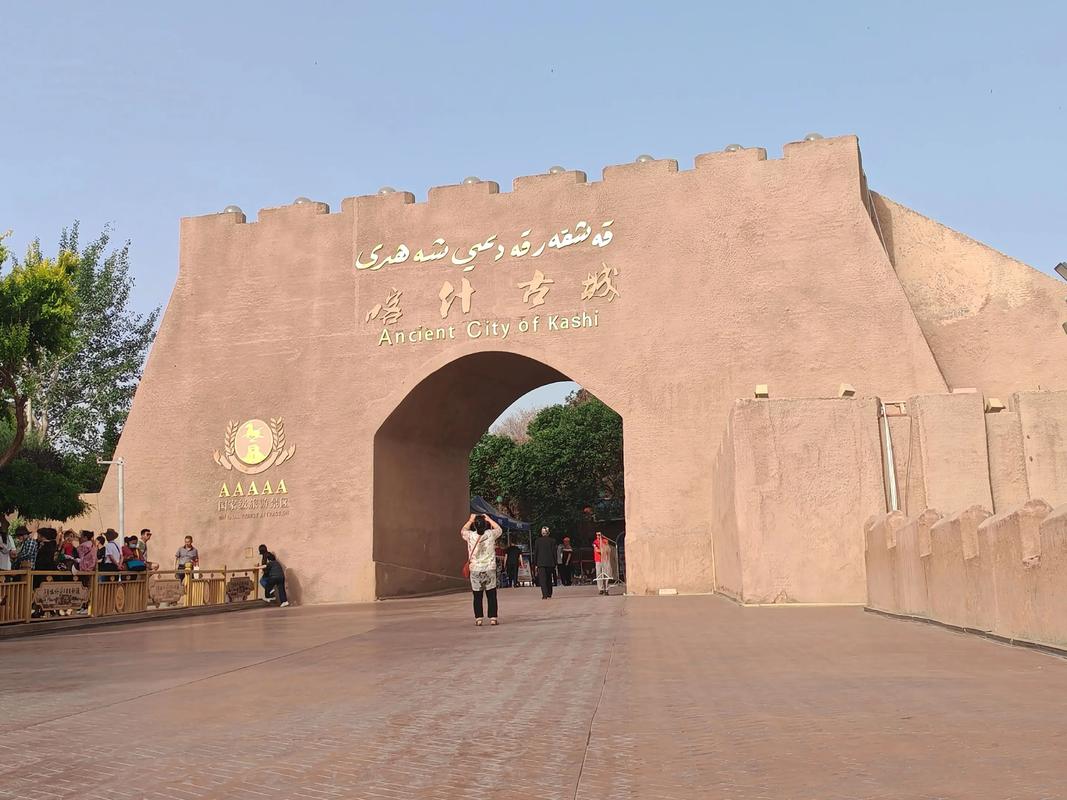
We used Kashgar as our jump-off point, as most visitors do. The old city there is worth a full day before the drive south.
Getting to Yarkand
Yarkand sits on the G315, the highway running east from Kashgar toward Hotan. From Kashgar it is roughly a 2.5-hour drive when the road is clear. We went by shared car (拝车) arranged at the Kashgar long-distance station, about 50 yuan per person, leaving once it filled up. There is also a steady bus if you would rather not wait.
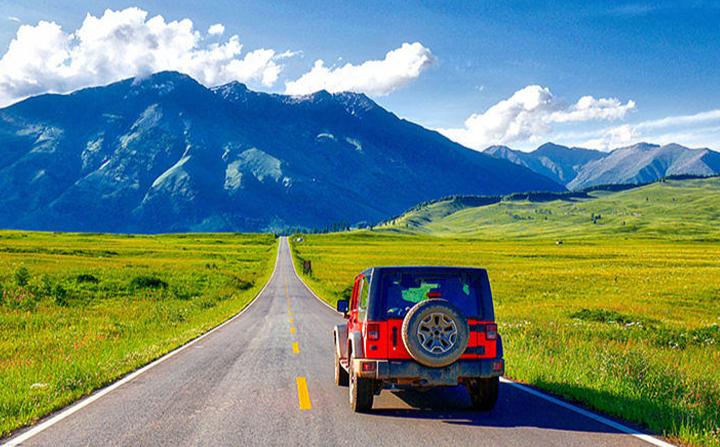
If you are building a longer loop, the self-drive Xinjiang route from Kashgar down the G315 is paved and easy to follow. Trains run on the Kashgar–Hotan line and stop at Yarkant station, about 8 km from the old town; a taxi from there runs 15–20 yuan. For the wider picture on reaching the region, our guide to getting to Xinjiang covers the flights and main rail lines.
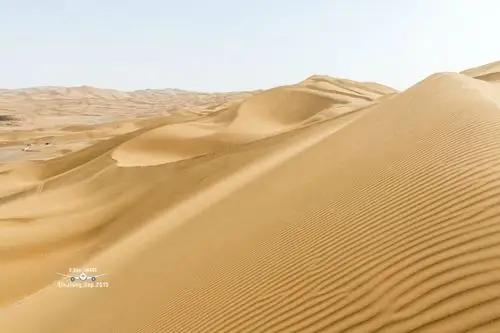
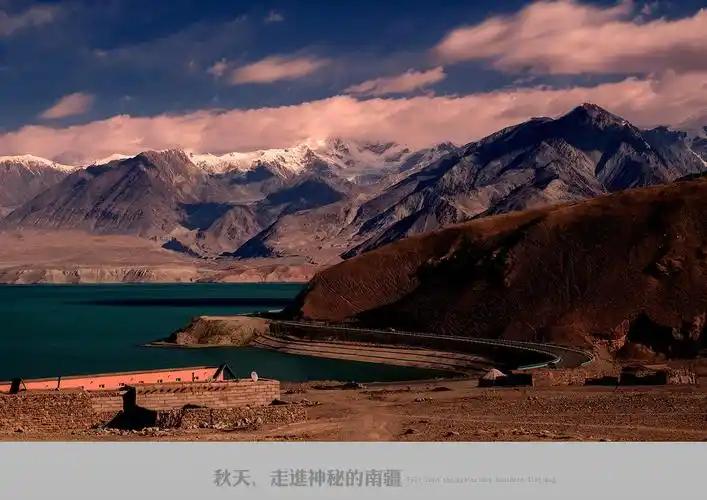
The last stretch into Shache crosses open desert, and the light flattens everything to one shade of gold by midday.
Best Time to Visit
Skip the depth of summer. Shache sits on the edge of the Taklamakan, and July afternoons regularly pass 38°C with little shade. We found late April and early May ideal: the apricot trees (Yarkand is known for its 杂) were fruiting, and the bazaar was busy without being crushing. October is the other sweet spot, after the harvest, when the light goes soft and the melons are at their best.
Winter is cold but quiet, and you will often have the mausoleum to yourself. Just know that some guesthouses close and the bazaar shrinks in the off months.
Where to Stay
Shache is not a resort town, and that is part of the draw. Do not expect international-chain hotels; expect clean, family-run places along Renmin Road and near the bus station. We paid 120–180 yuan a night for a room with a real bed, working AC, and a bathroom that actually drained. Book ahead if you come for a holiday weekend, because the town fills up fast when the bazaar is on.
If you want more comfort, base yourself in Kashgar and do Yarkand as a long day trip or an overnighter. Kashgar has the wider range of hotels and is only a few hours north.
What to Eat
Yarkand falls inside Dolan (刀郎) cultural territory, and the food shows it: heavier, meat-forward, built around the open fire. The samsa here, baked in the old tandoor style, beat anything we had in the bigger cities. At the bazaar we found stalls selling lamb skewers, hand-pulled laghman, and a thick noodle soup the vendors called “Yarkand style” that we never saw spelled the same way twice.
Save room for the fruit. The local apricots in May and the Hami-style melons in autumn are worth the luggage space. If you want to compare markets, the Hotan Sunday Bazaar is the other great southern market, but Yarkand’s feels less staged.
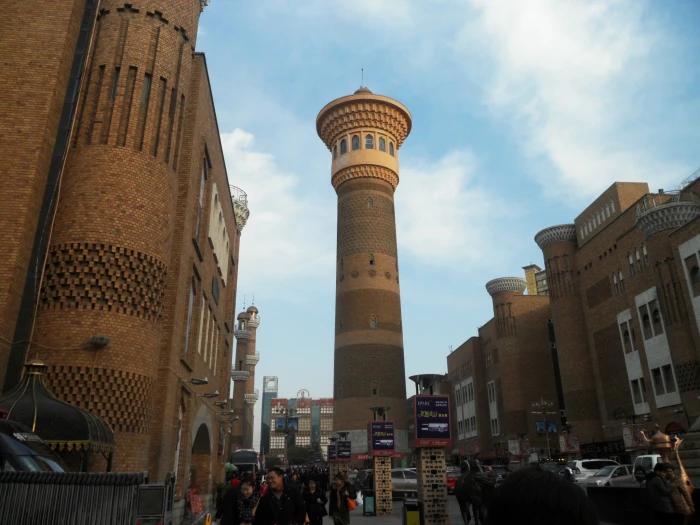
The Sunday bazaar is the reason most people come. Get there before 9 a.m. if you want the livestock section at its peak.
Practical Tips
- Bring cash. The bazaar runs almost entirely on paper money; the one ATM in town sometimes runs dry on busy Sundays.
- Dress modestly for the mosque and mausoleum. Shoulders and knees covered get you in without fuss.
- Phone signal drops outside town. Download your maps before you leave Kashgar.
- Photography: ask before shooting people at the bazaar. Most vendors are fine once you have bought something.
- Give the mausoleum an hour, not fifteen minutes. The side rooms are the real draw.
A Two-Day Plan
Day 1: Leave Kashgar after breakfast, arrive Shache midday, check in, walk the old town and eat samsa near the east gate. Evening: the mosque at dusk.
Day 2: Up at 7 for the Sunday bazaar (or a weekday if you would rather skip crowds), then the Royal Mausoleum at 9, lunch, and the train or shared car back to Kashgar by mid-afternoon.
FAQ
Is Yarkand the same as Shache? Yes. Yarkand is the older romanization; Shache (英车) is the current Chinese administrative name. You will see both on signs.
Do I need a permit? No special permit for Shache County itself. Keep your passport handy for the occasional check, as is normal across Xinjiang.
Can I visit from Hotan instead? Yes. The G315 links Hotan and Yarkand in roughly 3 hours. The Taklamakan crossing is nearby if you are driving the long way around.
What is the Yengisar connection? Yengisar, known for Uyghur knife-making, sits between Kashgar and Yarkand and makes an easy add-on stop.
How long is enough? One full day covers the main sites; two lets you catch the bazaar properly.
Before You Go
This guide reflects our visits in 2021–2024. Prices, opening hours, and transport links in Southern Xinjiang shift, and the bazaar schedule in particular changes with the seasons. Confirm details with your hotel or the county tourism office before you set out, and treat this as a planning aid rather than a guarantee. We are not affiliated with any hotel, restaurant, or transport operator mentioned here.
About the Author
Karl Huang is a travel writer focused on Xinjiang and the Silk Road. He has spent several seasons driving and riding buses across the south of the region and writes from first-hand visits. He can be reached through the Xinjiang Attractions editorial desk.