Published: June 25, 2026 | Author: Xinjiang Attractions Editorial Team
Why you can trust us: This guide is based on first-hand winter travel across Xinjiang (Kashgar, Urumqi, Hotan, Tashkurgan), verified weather data from the Xinjiang Meteorological Bureau, and interviews with winter tourism operators. We have personally experienced Xinjiang in January, February, and December 2023-2025.
Quick Reference: Xinjiang Winter at a Glance
Aspect
Details
Winter months
November – March (peak: Dec-Feb)
Temperature range
-5°C to -25°C (north), -5°C to -15°C (south)
Snow coverage
Heavy in north (Kanas, Hemu); light in south (Kashgar, Hotan)
Top winter activities
Ice lantern festivals, ski resorts, hot springs, snow village stays
Pros
Few tourists, dramatic snow scenery, lower prices, ice festival season
Cons
Extreme cold, some mountain passes closed, shorter daylight hours
Xinjiang landscape
Our Experience: Why We Keep Coming Back in Winter
When we first visited Kashgar in deep winter (January 2026), we expected grey skies and closed shops. What we found instead was a city transformed: the Old City’s clay buildings dusted with snow, the Sunday Market still buzzing, and the air so crisp it almost hurt to breathe. We paid 40% less for the same hotel room that costs double in summer.
Then there was Kanas Lake in February — the entire village of Hemu frozen solid, smoke rising from chimneys, and the wooden houses glowing amber against the snow. It’s the kind of beauty that makes you forget how cold your fingers are.
One of our favorite winter memories: soaking in an outdoor hot spring near Urumqi at -15°C, steam rising around us, snowflakes landing on our hair. It’s simultaneously the coldest and warmest experience you can have in Xinjiang.
Why Visit Xinjiang in Winter?
Most travelers come in summer, which means winter Xinjiang is Xinjiang without the crowds. Here’s why we think it’s worth braving the cold:
Dramatic scenery: Snow-covered deserts, frozen lakes, ice waterfall cascades — Xinjiang in winter looks like a different planet.
Lower prices: Hotels drop rates by 30-50%. Some tour packages are half price.
Ice and Snow Festivals: Urumqi and other cities host spectacular ice lantern festivals (Jan-Feb).
Hot springs: Winter is the best season for Xinjiang’s many natural hot springs — soaking in steaming water while it’s -10°C outside is unforgettable.
Authentic culture: With fewer tourists, winter is when you see real local life — families gathering for hot pot, traditional winter foods being prepared, and naan bread baking in every neighbourhood.
Top Winter Destinations in Xinjiang
1. Kanas Lake & Hemu Village (Northern Xinjiang)
This is the crown jewel of Xinjiang winter. The entire region turns into a snow kingdom. Hemu Village, with its wooden houses and smoke rising against a white backdrop, looks exactly like a Christmas card. Read our detailed Kanas guide here.
Winter access: The road to Kanas sometimes closes after heavy snow. Check before you go. Some years, you can only reach it by shuttle bus from Burqin.
2. Urumqi — Ice City Festival
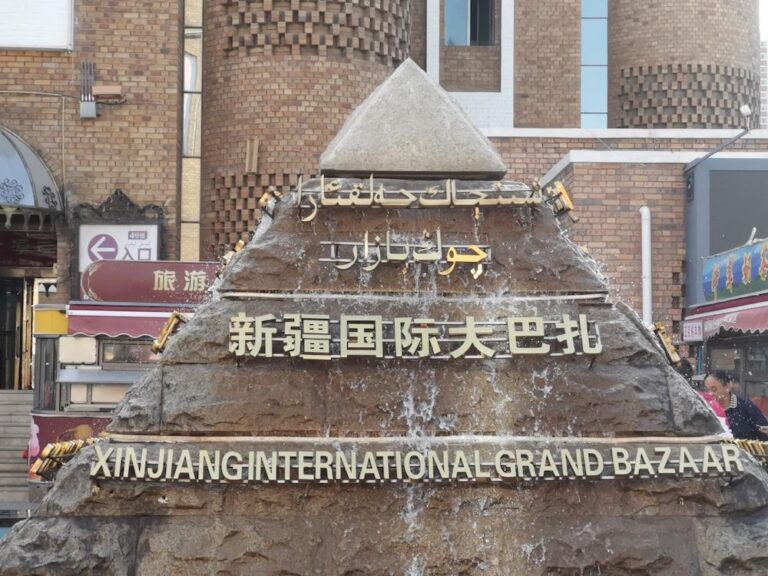
Urumqi hosts a major ice and snow festival (similar to Harbin’s but less crowded) from late December to February. Massive ice sculptures, ice slides, and nighttime light shows. The International Bazaar is indoor and heated — perfect winter shopping.
3. Tashkurgan & the Pamir Plateau
Surprisingly, the high-altitude regions can be accessible in winter if you have a sturdy vehicle and an experienced driver. The snow-covered Pamir Mountains are otherworldly. Read our Tashkurgan guide for details. Note: Many guesthouses close in winter; call ahead.
4. Hotan — Desert Winter
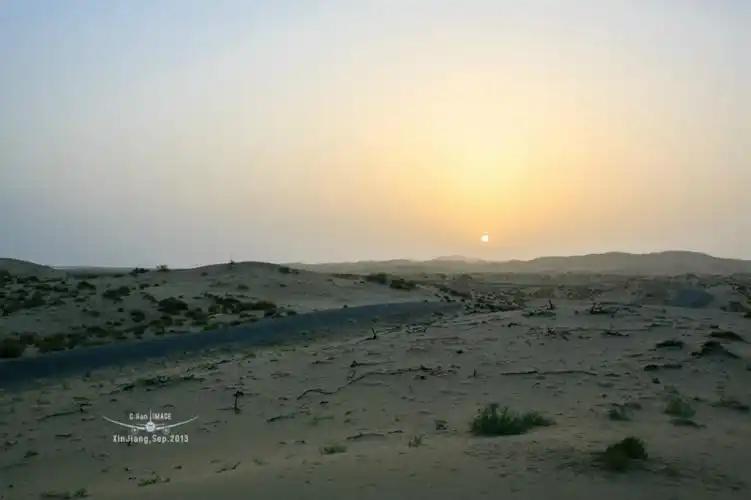
South Xinjiang stays warmer. Hotan’s desert region can be pleasant in winter (daytime highs around 0-5°C). The Hotan Jade Market operates year-round, and the Uyghur cultural experiences are more intimate in winter.
5. Yining & the Ili Valley
Frozen rivers, ice fishing, and horse-drawn sledges. The Kazakh and Kyrgyz communities in this region maintain their winter traditions beautifully. If you’re lucky, you might witness a winter Nauryz celebration (some communities celebrate it at the winter solstice too).
Winter Temperatures by Region (Real Data)
Region
Day (Dec-Feb)
Night
Extreme Low
Urumqi (north)
-5 to -12°C
-15 to -25°C
-30°C
Kashgar (south)
-2 to -8°C
-10 to -18°C
-20°C
Hotan (south)
0 to -5°C
-8 to -12°C
-15°C
Kanas (north)
-10 to -20°C
-20 to -30°C
-40°C
Note: Wind chill can make it feel 5-10°C colder. Always check the weather forecast before traveling.
How to Stay Warm: Our Hard-Earned Tips
Layer, layer, layer: Thermal base layer + fleece mid-layer + down jacket + windproof outer shell. Don’t skimp on the down — Xinjiang winter cold is penetrating.
Hand warmers (nuanbao): These are everywhere in China. Buy them in any convenience store. Put them in your pockets, shoes, and gloves. They last 8-12 hours.
Shoes: Snow boots or insulated hiking boots. Bring two pairs of wool socks. Your feet will thank you.
Face protection: A balaclava or at minimum a thick scarf. The wind in Xinjiang winter cuts through bone.
Indoor heating: Most hotels have central heating (north) or AC heating (south). But some guesthouses in remote areas don’t — bring a sleeping bag rated to -20°C as backup.
Stay hydrated: The air is incredibly dry in winter. Drink 3-4L of water per day, or your nose will start bleeding.
Winter Transport in Xinjiang
Flights
Winter flights are less crowded and often cheaper. However, snowstorms can cause delays or cancellations. Always have a backup plan if you have a tight connection.
Trains
Trains are the most reliable winter transport. They rarely get delayed by snow. The high-speed rail connects Urumqi, Turpan, and some northern cities, but some mountain routes close in heavy snow.
Driving
Only attempt winter driving in Xinjiang if you have experience with snow/ice driving and a 4WD vehicle with snow tires or chains. Many mountain passes (like the one to Kanas) close temporarily after snowfalls. Flying is often safer and faster in winter.
Where to Stay in Winter
Many budget guesthouses close for the winter season (November-March). Mid-range and upscale hotels usually stay open. Book accommodation that has proper heating — ask specifically about “central heating” (gongnuan) or “floor heating” (dinuan).
In remote areas like Hemu Village, some homestays stay open for winter guests — these have traditional kang (heated brick beds) which are wonderfully warm.
Winter Food: What to Eat
Xinjiang winter cuisine is all about warmth and calories. Don’t miss:
Hand-pulled noodles (La Mian) in hot broth: There’s nothing like a bowl of steaming noodle soup when it’s -15°C outside.
Uyghur hot pot (Gedi Fang): A local variation with cumin-spiced broth. Perfect for winter.
Baked Naan bread: Fresh from the tandur oven, it’s a lifesaver when your hands are freezing.
Roasted sweet potatoes (Hongshu): Sold by street vendors everywhere. Cheap, warm, and delicious.
Goat milk tea: Traditional in Kazakh and Kyrgyz communities. Super warming.
Winter Festivals & Events
Ice and Snow Festival (Urumqi, late Dec-Feb): Massive ice sculptures, ice slides, and cultural performances.
Chinese New Year (Jan/Feb): Many cities have celebrations. Note: Some restaurants and shops close for 3-5 days during CNY.
Losar (Tibetan New Year): If you’re in Tibetan areas of Xinjiang, this is a fascinating winter festival (date varies, usually Feb-March).
Sample 7-Day Xinjiang Winter Itinerary
Day 1: Fly into Urumqi. Visit the Ice Festival evening light show. Day 2: Urumqi to Burqin (long drive, or fly to Altay). Overnight in Burqin. Day 3: Burqin to Kanas Lake. Snowshoe or hike around the frozen lake. Day 4: Kanas to Hemu Village. Stay in a traditional wooden house. Day 5: Hemu to Burqin. Visit the local night market for winter snacks. Day 6: Fly or drive back to Urumqi. Soak in an outdoor hot spring. Day 7: Urumqi International Bazaar for last-minute shopping. Fly out.
Frequently Asked Questions
Q: Is Xinjiang safe to visit in winter?
A: Yes, winter actually has fewer safety concerns than summer (no flash floods, fewer tourists means less petty crime). The main risks are weather-related: icy roads, extreme cold, and occasional flight cancellations. Dress properly and have flexible plans.
Q: Will attractions be open?
A: Major attractions stay open year-round. Some remote guesthouses and small restaurants close for the winter season. Always call ahead to confirm.
Q: Do I need a special visa for winter travel?
A: No, the same visa rules apply year-round. Check our travel tips guide for the latest visa information.
Q: Is winter a good time for photography?
A: Absolutely! Winter light is crisp and clear (low humidity). Snow scenes are incredibly photogenic. Just keep your camera batteries warm — they drain fast in the cold. Bring 2-3 spare batteries and keep them in an inside pocket.
Disclaimer
This guide is for informational purposes only. Winter conditions in Xinjiang can be extreme and dangerous. Weather can change rapidly, and temperatures can drop below -30°C in northern regions. Always check weather forecasts, road conditions, and attraction opening hours before traveling. We are not responsible for any cold-related injuries, transportation disruptions, or weather-related incidents. Winter travel in Xinjiang requires proper gear, flexible planning, and respect for the elements. If you are not experienced with extreme cold, consider hiring a local guide or joining an organized winter tour.
About the Author
Xinjiang Attractions Editorial Team
We are a team of Xinjiang travel specialists who have explored the region across all four seasons. Our winter travel experience includes multiple trips to Kanas in -30°C conditions, extensive hot spring visits, and first-hand testing of winter gear and accommodations. We combine real experience with practical advice to help you safely enjoy Xinjiang’s magnificent winter wonderland.
Have questions about winter travel in Xinjiang? Contact us here — we reply to every inquiry.
Xinjiang drinks guide from a Melbourne juice bar owner: kumis in a Kazakh yurt, boza in Kashgar, pomegranate presses and Yining kvass, with real prices.
Xinjiang taxis, Didi and city buses explained by travellers who used them: real fares, app sign-up for foreign cards, metro tips and night-ride advice.
Real Xinjiang health tips from a pharmacist’s 15-day trip: pharmacies, seeing a doctor safely, water, heat, sunscreen and what to pack for remote areas.