Last updated: June 26, 2026
Quick Reference Table
| Attribute | Details |
|---|---|
| Elevation | 3,752 m (12,310 ft) |
| Border countries | China (Xinjiang) – Kyrgyzstan (Naryn Region) |
| Open season | Approx. June – October (weather dependent) |
| Border hours | Usually 10:00 – 19:00 (Kyrgyz time); verify before travel |
| Visa requirement | Chinese visa + Kyrgyz visa (or e-visa); check latest policy |
| Transport | 4WD from Kashgar (China side); taxi/jeep from Naryn (Kyrgyz side) |
| Permit needed? | Yes – border zone permit on Chinese side; arranged in Kashgar |
| Nearest town (CN) | Ulugqat (Wuqia) County, Xinjiang |
| Nearest town (KG) | Naryn, Kyrgyzstan |
Our Experience at Torugart Pass
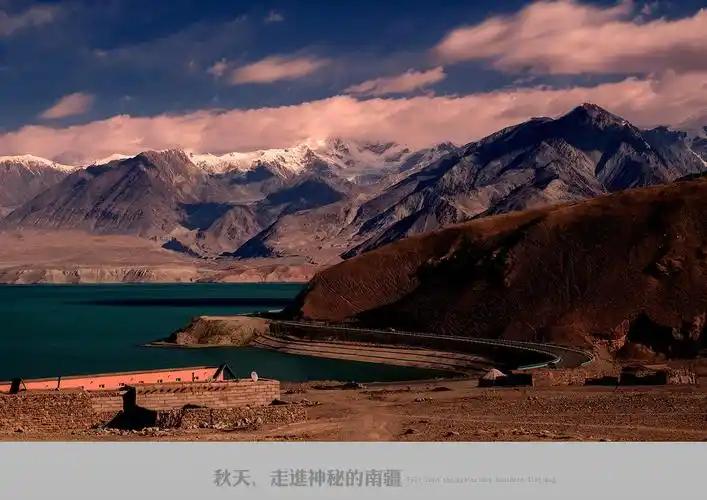
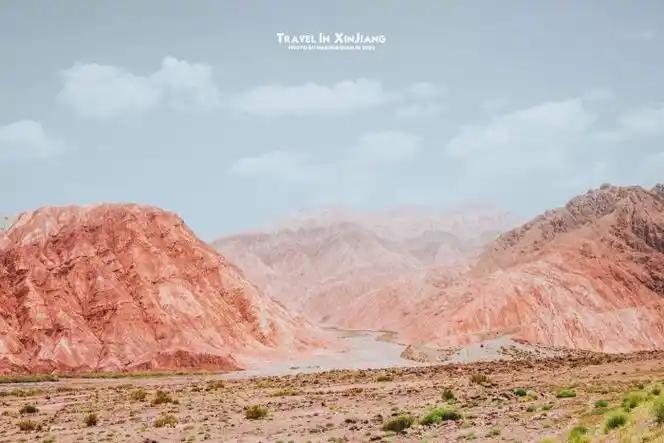
When we crossed Torugart Pass in early September, the Pamir Highway had just been cleared of the last summer snow. The drive from Kashgar took us through some of the most dramatic landscapes we’ve ever seen — from the red-rock canyons near Ulugqat to the windswept plateau where the air turns thin and every breath feels like work.
We found the border crossing process slower than we expected but entirely manageable if you respect the schedule. The Chinese exit formalities took about 90 minutes, and the Kyrgyz entry another 60. What struck us most was the silence at the pass itself — no crowds, no souvenir stalls, just a weathered border marker and the vast, indifferent Pamir mountains stretching in every direction.
If you’re planning this crossing, here’s what we wish we’d known: start early, carry cash in both currencies, and don’t rely on mobile data. The experience is unforgettable, but it’s not a border crossing for the unprepared.
Where Is Torugart Pass?
Torugart Pass (托云口岸, sometimes spelled “Torugart” or “Torugart”) sits at 3,752 meters above sea level on the Pamir Highway, one of the world’s highest international roads. It connects China’s Xinjiang Uyghur Autonomous Region with Kyrgyzstan’s Naryn Region, following a route that has been used by Silk Road traders for more than a thousand years.
The pass is about 170 km southwest of Kashgar on the Chinese side, and about 400 km from Bishkek (Kyrgyzstan’s capital) on the other side, though most travelers approach from Naryn (approx. 230 km away).
The Pamir Highway Connection
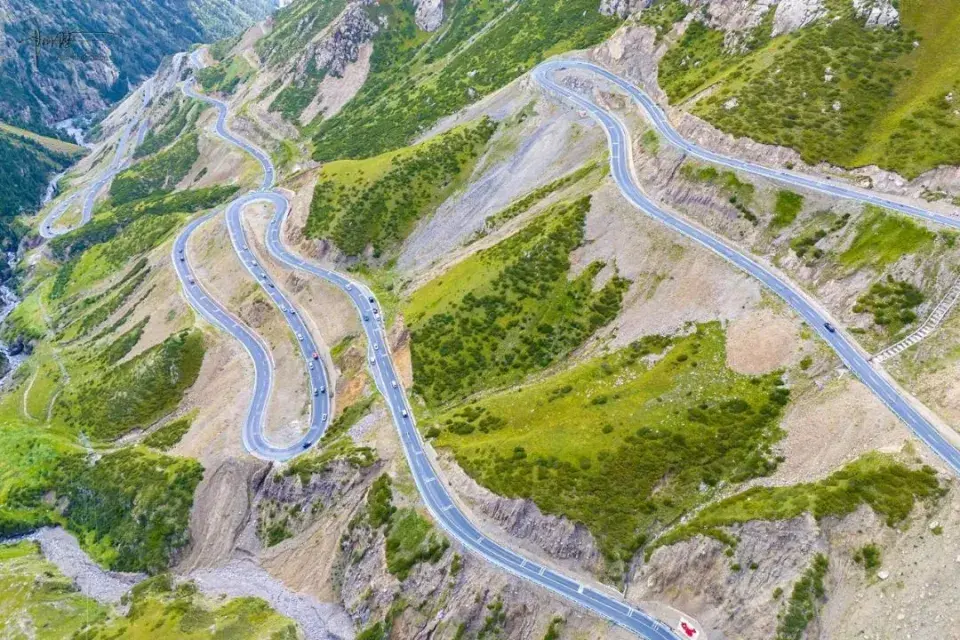
Torugart is one of two main crossings on the Pamir Highway (the other being Erkeshtam, further south). It’s the more challenging of the two but also the more scenic. The road climbs steadily from Kashgar, crossing several smaller passes before reaching Torugart’s stark, windswept saddle between two snow-capped peaks.
Do You Need a Permit? (China Side)
Yes. Torugart is a restricted border zone. On the Chinese side, you need a border area permit (边境管理区通行证) in addition to your valid passport and Chinese visa. Here’s how to get it:
- Where to apply: The Public Security Bureau (PSB) in Kashgar (Kashi Public Security Bureau Entry-Exit Administration).
- What to bring: Your passport, Chinese visa, and one passport photo.
- Processing time: Usually same day if you apply in the morning.
- Cost: Free for most nationalities (as of 2024–2026 policy).
- Validity: Typically 7–30 days; specify your travel dates when applying.
Important: the border permit is separate from the Xinjiang domestic travel permit that you may need for certain areas. Torugart requires its own border-specific document.
Crossing Process: Step by Step
China → Kyrgyzstan
- Kashgar to Ulugqat: Hire a 4WD with a driver experienced in border runs (6–8 hours).
- Chinese exit immigration: Present passport, visa, and border permit. Luggage may be scanned.
- No-man’s land: About 5–10 km of road between the two border posts. You may need to walk or take a shuttle if your vehicle isn’t allowed to cross (many drivers from each side cannot cross the actual border).
- Kyrgyz entry immigration: Present passport and Kyrgyz visa (or e-visa). Customs declaration required for valuable items.
- Naryn or Bishkek: Arrange transport on the Kyrgyz side in advance; there are usually drivers waiting, but pre-booking is safer.
Kyrgyzstan → China
The process is similar in reverse. Note that entering China requires a valid Chinese visa obtained in advance — there is no visa-on-arrival at Torugart for most nationalities.
When Can You Cross? (Season & Hours)
Torugart is a seasonal crossing. The pass sits at nearly 4,000 meters, and snow can block the road from November through May. Even in summer, sudden storms can cause temporary closures.
| Month | Status | Notes |
|---|---|---|
| June | Usually opens | Road may still have snow patches; check locally |
| July – August | Best time | Warmest weather; longest daylight hours |
| September | Good | Cooler but clear; our preferred month |
| October | Possible | First snow possible mid-to-late October |
| November – May | Closed | Snow-blocked; use Irkeshtam or fly |
Border hours: Officially 10:00–19:00 (Kyrgyz time, which is GMT+6; China is GMT+8). In practice, allow a full day for the crossing. Arriving after 15:00 on either side risks being turned back until the next day.
Getting There: Transportation Guide
From Kashgar to Torugart (Chinese Side)
- Private 4WD: The most reliable option. Expect ¥1,500–3,000 for a round-trip charter from Kashgar (your driver waits or returns to pick you up on the China side only).
- Shared jeep: Ask at Kashgar’s long-distance bus station or through your hotel. Leaves when full; cheaper but less comfortable (approx. ¥300–500 per person).
- Organized tour: Several Kashgar travel agencies offer Pamir Highway + Torugart day trips. Convenient if you don’t want to handle permits yourself.
From Naryn to Torugart (Kyrgyz Side)
- Marshrutka (shared minibus): From Naryn to the border; infrequent and seasonal.
- Private taxi: Around 5,000–8,000 KGS for a one-way trip from Naryn to the border.
- Pre-booked transfer: Most reliable. Arrange through a Bishkek or Naryn travel agency.
For travelers continuing to Tashkurgan after crossing, note that Tashkurgan is on the Chinese side — you’ll need to decide which direction you’re crossing before planning your itinerary.
Accommodation Near Torugart
There is no accommodation at the pass itself. Plan to sleep in one of these towns:
Chinese Side
- Ulugqat (Wuqia) County: The last sizeable town before the border. Basic hotels from ¥150–400/night. Don’t expect luxury, but it’s clean and functional.
- Kashgar: Most travelers stay in Kashgar and make a very early start (3:00–4:00 AM) to reach the border when it opens. Kashgar has excellent hotel options for all budgets.
Kyrgyz Side
- Naryn: The main hub on the Kyrgyz side. Several guesthouses and small hotels (€20–60/night). We recommend staying at a yurt camp outside town for a night if you have time — the star-filled sky on the Pamir is unlike anything we’ve seen elsewhere.
- Chaek (Chökük): A smaller town between Naryn and the border; limited accommodation but a good backup if Naryn is full.
Food and Supplies
The Torugart area is remote. There are no restaurants at the border post. Here’s what to pack:
- On the Chinese side: Stock up in Kashgar. Bring a day’s worth of food and at least 3 liters of water per person. The Kashgar Sunday Market is an excellent place to buy dried fruits, nuts, and flatbread (naan) that keep well during travel.
- On the Kyrgyz side: Naryn has small supermarkets and a few restaurants serving laghman (hand-pulled noodles) and shashlik (kebabs). Prices are reasonable; a filling meal costs 300–600 KGS (approx. $3–7 USD).
- Money: Chinese yuan (CNY) on the China side; Kyrgyz som (KGS) on the Kyrgyz side. There is no ATM at the border. Exchange some cash in Kashgar or Bishkek before you travel.
Altitude and Health
At 3,752 meters, Torugart Pass is high enough to cause altitude sickness. Symptoms include headache, nausea, dizziness, and shortness of breath. Here’s how to reduce the risk:
- Spend 2–3 days in Kashgar (1,280 m) before ascending to Torugart to acclimatize gradually.
- Stay hydrated; drink 3–4 liters of water per day.
- Avoid alcohol for 24 hours before crossing.
- Consider carrying acetazolamide (Diamox) if you’re prone to altitude sickness — consult your doctor before travel.
- If you feel severe symptoms, descend immediately. The nearest medical facility on the Chinese side is in Ulugqat; on the Kyrgyz side, in Naryn.
Photography at Torugart Pass
Torugart is one of the most photogenic border crossings in the world — but there are strict rules. Here’s what we learned:
- Do NOT photograph the border gate, guards, or facilities. This applies on both sides. Violation can result in confiscation of your camera and detention.
- Landscape photography is allowed — once you are clearly away from the border infrastructure. The mountains, the road, and the high-altitude terrain make for stunning images.
- Best light: Early morning (if you’re crossing eastward) or late afternoon (if crossing westward). The low sun brings out the texture of the Pamir peaks.
- Battery life: Cold + thin air = fast battery drain. Bring spares and keep them close to your body.
For more tips on capturing Xinjiang’s landscapes, see our Xinjiang Photography Guide.
Sample 3-Day Itinerary
Day 1: Kashgar → Ulugqat
Depart Kashgar at 08:00. Visit the Kashgar Old City briefly if you haven’t already. Drive to Ulugqat (6–7 hours). Overnight in Ulugqat. Check border permit and passport one final time.
Day 2: Cross Torugart → Naryn
Depart Ulugqat at 05:00 (yes, very early). Reach Chinese border post by 08:00 (border opens 10:00 Kyrgyz time = 12:00 China time; arrive early to queue). Complete exit formalities. Cross no-man’s land. Complete Kyrgyz entry. Meet your Kyrgyz driver. Drive to Naryn (6–8 hours). Overnight in Naryn.
Day 3: Naryn Rest & Explore
Acclimatize and rest. Visit the Naryn Fortress (a reconstructed Silk Road-era fortress) and the local bazaar. Consider a short excursion to Lake Song-Kul (about 3 hours each way) if you have extra time and good weather.
Is Torugart Pass Safe?
We address this in detail in our Xinjiang safety guide, but here’s the short answer: Torugart is as safe as any remote high-altitude border crossing, provided you respect the conditions.
- The road is paved but narrow with steep drop-offs. Hire an experienced driver.
- Weather changes fast. Carry warm clothing even in summer.
- Emergency services are far away. Carry a basic first-aid kit and a satellite communicator if possible (mobile coverage is spotty).
- Political tensions between China and Kyrgyzstan are generally low, but border procedures can be stringent. Remain polite and patient with officials.
Frequently Asked Questions
Can I cross Torugart Pass without a guide?
Yes, it’s legally possible, but practically difficult. You need to arrange transport on both sides, obtain the Chinese border permit, and handle immigration independently. Most travelers use at least a driver, if not a full guide service.
Is there a visa-on-arrival at Torugart?
No. You must obtain a Chinese visa (to enter China) or a Kyrgyz visa/e-visa (to enter Kyrgyzstan) in advance. Check the latest visa policies for your nationality before traveling.
Can I cross with a bicycle or motorcycle?
Yes, cyclists and motorcyclists occasionally cross Torugart. You’ll need the same permits and visas as vehicle travelers. The road is challenging — be prepared for strong winds and thin air.
What currency should I carry?
Chinese yuan on the China side; Kyrgyz som on the Kyrgyz side. There is no currency exchange at the border. Exchange money in Kashgar (for exiting China) or in Bishkek/Naryn (for entering Kyrgyzstan). US dollars are sometimes accepted but don’t rely on them.
Is Torugart open to all nationalities?
Most nationalities can cross, but policies change. Citizens of some countries may face additional restrictions. Always verify with the Chinese consulate and Kyrgyz consulate in your home country before planning your trip.
How does Torugart compare to Erkeshtam (Irkeshtam)?
Erkeshtam (approx. 150 km south of Torugart) is lower (3,000 m), often open longer each year, and slightly easier to cross. Torugart is more scenic and less crowded but more demanding. Choose Torugart if you value the adventure; choose Erkeshtam if you prefer a smoother crossing.
What to Pack (Torugart-Specific Checklist)
- Passport + Chinese visa + Kyrgyz visa/e-visa
- Chinese border zone permit (original + 1 photocopy)
- Warm jacket (even in summer; temperatures can drop below 0°C at night)
- Sunscreen (SPF 50+), sunglasses, lip balm (the high-altitude sun is intense)
- 3+ liters of water per person
- One full day of food (plus extra in case of delays)
- Cash in both CNY and KGS (small denominations)
- Power bank (cold weather drains batteries fast)
- Basic first-aid kit + altitude sickness medication
- Offline maps (Maps.me or Gaode for China side; 2GIS for Kyrgyz side)
Disclaimer
This guide reflects our experience crossing Torugart Pass and information available as of June 2026. Border policies, visa requirements, road conditions, and opening hours can change without notice. Always verify the latest requirements with the Ministry of Foreign Affairs of Kyrgyzstan and the Chinese Ministry of Foreign Affairs before traveling. We are not responsible for any issues arising from reliance on this information. Crossing international borders carries inherent risks; travel insurance is strongly recommended.
About the Author
Xinjiang Attractions Editorial Team
Our team consists of travel writers and photographers who have spent extensive time exploring Xinjiang’s roads, mountains, and border regions. We combine first-hand travel experience with research from official sources including the China National Tourism Administration and local Xinjiang tourism bureaus. If you have questions about this guide, feel free to contact us.