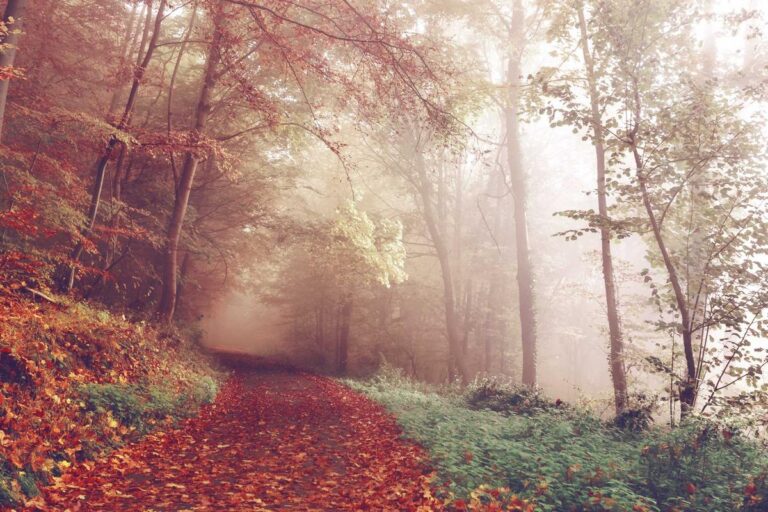
Published: June 29, 2026 | Author: Xinjiang Attractions Editorial Team
Just 60 kilometers south of Urumqi lies one of Xinjiang’s best-kept secrets—a sprawling alpine grassland where Kazakh herders still roam with their livestock, eagles circle above snow-capped peaks, and the air smells of wild herbs and grilled lamb. Nanshan Pasture (南山的牧场) is where Urumqi residents go to breathe, and if you’re planning a trip to Xinjiang’s capital, it should be at the top of your day-trip list.
In this guide, we’ll cover everything we learned during our three separate visits to Nanshan—including the mistakes we made (like underestimating the sun, or showing up during a national holiday), the best spots most tourists miss, and exactly how to get there without a tour group.
Quick Reference: Nanshan Pasture at a Glance
| Aspect | Details |
|---|---|
| Distance from Urumqi | 60 km south (1.5–2 hours) |
| Elevation | 1,650–2,980 meters |
| Entrance Fee | 35–50 CNY (varies by area) |
| Best Season | June–September (summer green); December–February (skiing) |
| Opening Hours | 8:00 AM – 8:00 PM (summer); 9:00 AM – 6:00 PM (winter) |
| Main Ethnic Group | Kazakh herders |
| Phone Signal | Good near entrance; weak in deep valleys |
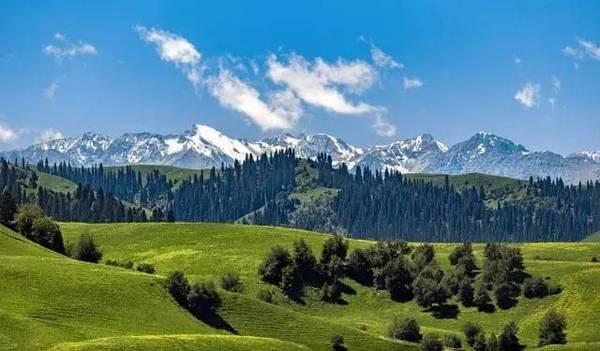
Photo: Rolling grasslands of Nanshan Pasture, about 60km from Urumqi
Our Experience: What It’s Actually Like
When we first visited Nanshan Pasture in early July 2023, we made the classic mistake of treating it like a city park. We arrived at 2 PM, stayed for two hours, and left thinking, “That was nice, but is that it?” We couldn’t have been more wrong.
On our second visit—this time with a local friend from Urumqi—we arrived at 9 AM and stayed until sunset. That changed everything. Here’s what we wish we’d known:
The grassland isn’t one place—it’s a chain of valleys. Nanshan Pasture refers to a broad swathe of alpine meadow along the southern foothills of the Tianshan Mountains. Within it are several distinct areas, each with its own character: Xinjiang’s autumn colors are famous, but Nanshan in summer is its own kind of magic.
- Sheep Bridge Pasture (Yangqiao Muchen): The most accessible area, with wooden boardwalks, yurts, and organized horse-riding. Good for families.
- West Baiyanggou (Xiyangou): Our favorite. Fewer tourists, a rushing river, and wildflower meadows that stretch to the tree line.
- East Baiyanggou: Known for its waterfall (27 meters high) and denser forest cover.
- Juhuatai (Chrysanthemum Terrace): A high alpine meadow at nearly 3,000 meters, famous for its July wildflower bloom.
What struck us most was the sound. In Urumqi, even in the “quiet” areas, there’s always a hum of traffic. At Nanshan, the dominant sound is wind through grass, water over stones, and the occasional bell on a grazing sheep. It’s one of the few places in Xinjiang where you can genuinely feel far from civilization without trekking for days.
How to Get to Nanshan Pasture from Urumqi
Nanshan is straightforward to reach, but the options vary wildly in cost and convenience.
Option 1: Bus (Budget-Friendly)
Take bus No. 17 from Urumqi’s South Suburb Bus Station (Nanjiao Keyunzhan) to Nanshan. Buses run from 8:00 AM, departing when full. The ride takes about 2 hours and costs roughly 15 CNY. The downside: the bus drops you at the main entrance area, and you’ll need to hike or hire a local minivan to reach the better valleys.
Option 2: Didi / Taxi (Most Flexible)
A Didi from central Urumqi to Nanshan Pasture costs 150–200 CNY one way (as of 2024). Negotiate a round-trip with the driver and exchange WeChat contacts—phone signal can be spotty, but WeChat messages usually get through. We paid 350 CNY for a round trip with 4 hours of waiting time.
Option 3: Rental Car (Best for Groups)
Renting a car in Urumqi is easy if you have a Chinese driver’s license. High-speed rail can get you between major Xinjiang cities, but for Nanshan you’ll need wheels. The drive takes 1.5 hours via the G216 highway. The road is paved and well-signposted. Parking at the main entrances costs 10 CNY.
Option 4: Organized Tour
Most hotels in Urumqi can arrange a day tour to Nanshan for 300–500 CNY per person, including transport, lunch, and a guide. Convenient, but you’ll be on a schedule and miss the best light for photos.
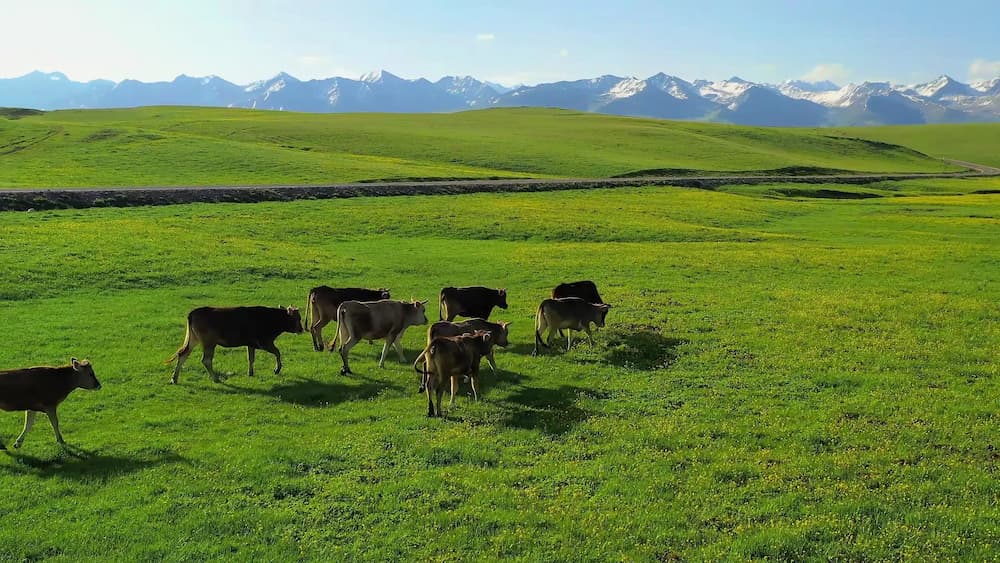
Photo: Horses and sheep graze freely across the Nanshan grasslands—this is still a working pasture, not a theme park
Best Time to Visit Nanshan Pasture
Nanshan changes dramatically with the seasons, and the “best” time depends entirely on what you’re after.
Summer (June–August): The Classic Choice
This is peak season for good reason. The grassland is emerald green, wildflowers blanket the slopes, and daytime temperatures hover around a pleasant 20–25°C (68–77°F). At night, it drops to 10–15°C—pack a jacket. July is when the Kazakh herders move their full herds up to the high pastures, so you’re almost guaranteed to see traditional life in action.
Our tip: Visit on a weekday. On weekends (especially Sunday), Nanshan draws big crowds from Urumqi. We made the mistake of going on a Sunday in July—the main boardwalk area felt like a busy market. On a Tuesday visit two weeks later, we had entire meadows to ourselves.
Autumn (September–October): Golden and Quiet
By late September, the grassland turns golden, the tourist numbers plummet, and the light becomes extraordinary. This is the best time for photography. The trees along the river valleys turn brilliant yellow, and the contrast against the evergreen spruce is stunning. Temperatures start to drop—bring warm layers.
Winter (November–March): Ski Season
Nanshan is home to several ski resorts, including the well-known Silk Road Ski Resort. If you’re a skier, this is prime time. The pasture landscape under snow is beautiful in its own right, but many of the yurt restaurants and guesthouses close for the season.
Spring (April–May): Hit or Miss
Spring comes late to Nanshan. In April, the grassland can still be brown and muddy from snowmelt. By mid-May, the first green shoots appear. This is the quietest time to visit, but don’t expect postcard scenery until June.
Where to Stay: Accommodation Options
Nanshan can be done as a day trip, but staying overnight lets you experience the pasture at sunrise and under the stars.
Yurt Stays (Most Authentic)
Several Kazakh families operate yurt guesthouses (called zhangfang) during the summer season. You sleep on a raised platform with thick quilts, share a communal area with a stove, and eat with the family. Prices range from 100–200 CNY per person including dinner and breakfast. Don’t expect privacy or luxury—do expect warmth, hospitality, and possibly a very friendly sheep dog sleeping outside your door.
We stayed in a yurt at West Baiyanggou in July, and it was a highlight of our Xinjiang trip. The family served us freshly pulled noodles, homemade yogurt, and tea with salt and milk. In the morning, we woke to the sound of cows being milked about 20 feet away.
Guesthouses and Hotels
There are a handful of brick-and-mortar guesthouses near the main entrance areas, ranging from basic (80 CNY/night) to comfortable (300–500 CNY/night). These are a good option if you’re not keen on yurt life or are traveling in spring/autumn when yurts aren’t set up.
Back in Urumqi
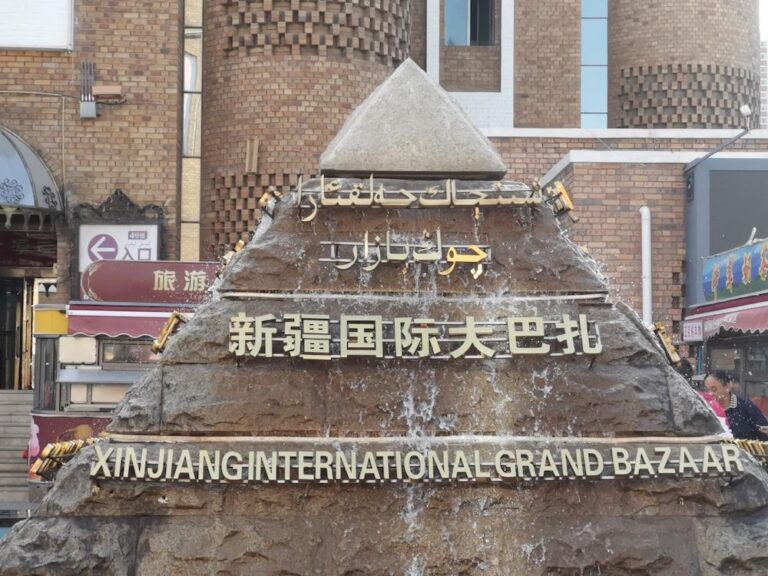
Most visitors do Nanshan as a day trip and return to Urumqi. The city has accommodations for every budget, from hostels (50 CNY) to international chains. Staying in Urumqi also puts you close to other attractions like the Xinjiang Museum and the International Bazaar.
Food at Nanshan: What to Eat
You don’t go to Nanshan for fine dining—you go for hearty, farm-to-table (or pasture-to-table) food that tastes infinitely better at 2,000 meters elevation.
Must-Try Dishes
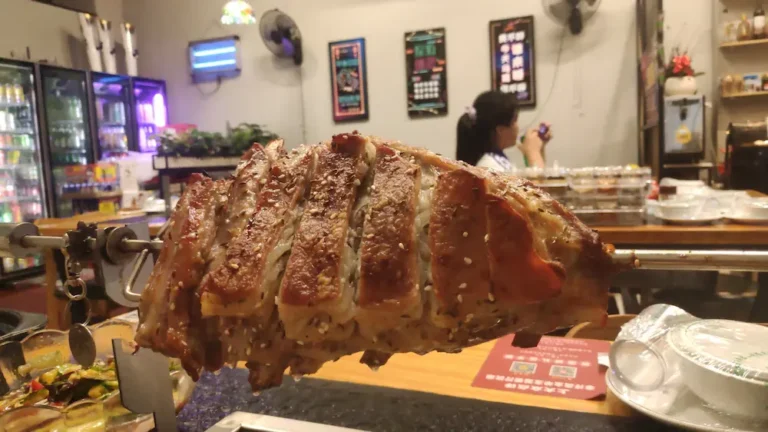
- Whole Lamb Roasted on a Skewer (Kawap): Not your average kebab. At Nanshan, whole chunks of lamb are skewered and slow-roasted over open fire. A single skewer can feed two people.
- Fresh Yogurt with Honey: The yogurt at Nanshan is nothing like the sweetened stuff in supermarkets. It’s tangy, thick, and usually served with a drizzle of local honey.
- Naan Fresh from the Tandoor: Many yurt families bake their own naan. It’s chewier and more flavorful than shop-bought versions.
- Hand-Pulled Noodles (Laghman): Served with a meat and vegetable sauce. The “hand-pulled” part is often done right in front of you.
- Horse Milk (Kumiss): Fermented mare’s milk, mildly alcoholic and an acquired taste. It’s a traditional Kazakh drink, especially popular in summer.
Prices are reasonable—a filling meal with meat, noodles, and tea costs about 50–80 CNY per person. Bring cash; many yurt vendors don’t accept cards or mobile pay (though Alipay is becoming more common).
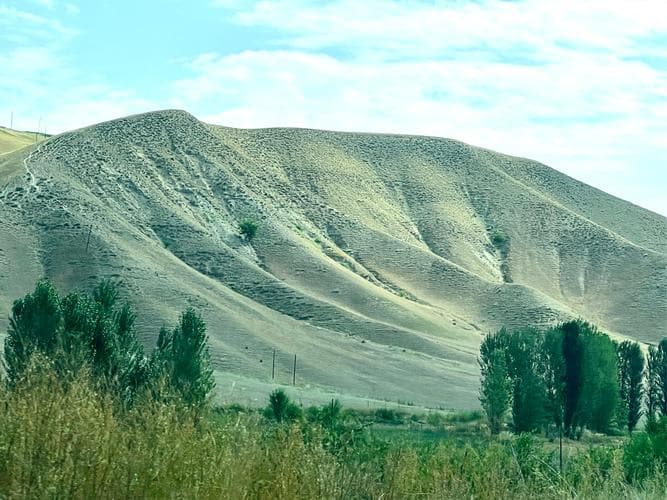
Photo: A traditional Kazakh yurt (zhangfang) at Nanshan—some families welcome overnight guests in summer
Practical Tips: What We Learned the Hard Way
1. The Sun Is Stronger Than You Think
At 2,000+ meters, UV intensity is no joke. We got mild sunburn on a cloudy July day because we assumed clouds = protection. Bring SPF 50+, a hat, and sunglasses. The altitude also means you dehydrate faster—carry more water than you think you need.
2. Toilet Situation
At the main entrance areas, there are proper (if basic) toilet blocks. Deeper in the valleys, it’s nature’s way—bring tissues and hand sanitizer. Some yurt restaurants have squat toilets behind the building.
3. Bargaining for Horse Rides
Horse riding is offered everywhere (80–150 CNY/hour). The quoted price is almost always negotiable, especially if you’re booking for a group. We found that walking away usually brought the price down by 20–30%.
4. Cash Is King
While Urumqi is increasingly cashless, Nanshan’s yurt vendors and small stalls often don’t have signal for mobile payments. Bring at least 300–500 CNY in small bills.
5. Don’t Feed the Animals
It’s tempting to feed the sheep or horses, but some herders charge for this (and not always politely). Ask before offering food.
6. Respect the Herders’ Space
Remember: Nanshan is a working pasture, not a petting zoo. If you want to enter a yurt or take photos of herders, always ask permission first. A simple “Kechirasiz” (excuse me in Uyghur) and a smile goes a long way.
7. Weather Changes Fast
We experienced sunshine, hail, and a brief rainstorm—all within three hours. Pack a lightweight rain jacket even if the forecast looks clear.
Sample One-Day Itinerary
Here’s the itinerary we used on our best Nanshan trip (Tuesday, mid-July):
| Time | Activity |
|---|---|
| 8:30 AM | Depart Urumqi (Didi or rental car) |
| 10:00 AM | Arrive at West Baiyanggou entrance, buy tickets |
| 10:30 AM | Hike along the river valley (2–3 km, easy) |
| 12:30 PM | Lunch at a yurt restaurant (laghman + yogurt) |
| 2:00 PM | Horse riding (1 hour, book via the restaurant owner) |
| 3:30 PM | Drive to Sheep Bridge Pasture area for the boardwalk view |
| 5:00 PM | Tea and naan at a roadside stall, watch the sunset |
| 7:30 PM | Return to Urumqi, dinner at International Bazaar |
This itinerary assumes you have your own transport. If you’re on the public bus, you’ll need to skip the “drive to” bits and focus on one area (we’d recommend West Baiyanggou for bus travelers).
Frequently Asked Questions
Is Nanshan Pasture suitable for children?
Yes, especially the Sheep Bridge Pasture area, which has flat boardwalks and yurt restaurants with basic facilities. The river is shallow near the edges (but watch younger kids—it gets deep quickly). Our friends brought their 6-year-old, who spent two hours “helping” a herder collect eggs.
Can I visit Nanshan independently without speaking Chinese?
It’s possible but challenging. Bus drivers and yurt owners in tourist areas often speak some basic English, but don’t count on it. Download a translation app (WeChat’s built-in translate works well for signs and menus). Having your hotel write your destination in Chinese characters is also helpful.
Is there an entrance fee, and what does it cover?
Yes, there’s a fee of 35–50 CNY depending on which area you enter. This covers access to the grassland and basic facilities. Activities like horse riding, yurt stays, and meals are extra.
When is the Kazakh Eagle Festival at Nanshan?
The exact dates vary, but eagle hunting demonstrations and festivals typically happen in winter (January–February) and occasionally in summer for tourists. Check with the Urumqi International Bazaar information center for current schedules.
Are drones allowed at Nanshan Pasture?
Technically, you need permission from local authorities to fly a drone in China’s scenic areas. In practice, we saw several drones during our summer visit. That said, be respectful—don’t fly over yurt settlements or near livestock (it spooks the animals).
What should I wear to Nanshan Pasture?
Layers. Even in July, the temperature swing from noon to evening is 10–15°C. A typical summer outfit: t-shirt, light fleece, windbreaker, hiking pants, and sturdy shoes. In spring/autumn, add a down jacket to that list.
Disclaimer
The information in this article is based on our visits to Nanshan Pasture in 2023–2024 and was accurate at the time of publication (June 2026). Entrance fees, opening hours, transport options, and facilities may change. We are not responsible for any inconvenience caused by outdated information. Always verify current conditions with official sources or your hotel before traveling. This article contains affiliate links; see our disclosure page for details.
About the Author
Xinjiang Attractions Editorial Team
Our team has spent over 5 years exploring every corner of Xinjiang—from the Pamir Plateau to the Gobi Desert. We visit each destination independently, speak with local residents, and update our guides regularly. Follow us on our website for the latest Xinjiang travel information.