Published: July 21, 2026 | Author: Liam Foster
Most visitors to Xinjiang never make it to Alashankou, and that is exactly why I wanted to go. This small city in Bortala Prefecture sits at the foot of the Alatau mountains where China meets Kazakhstan, and it handles a huge share of the freight moving between East Asia and Europe. If you are planning Alashankou travel, know up front that this is a working border port rather than a sightseeing town. I have been twice, and the place rewarded my curiosity in ways the famous lakes and grasslands never could.
Why you can trust this Alashankou travel guide
I first reached Alashankou in late September 2023 on a reporting trip, then returned in October 2024 with a Bole-based driver named Ablat who grew up two hours south in the Ili valley. I have stood on the viewing platform above the rail port, walked the wind-sheltered streets during a 9-beaufort gale, and ridden the overnight rail link from Urumqi. The practical details below, train times, ticket prices, the wind calendar, come from those trips and from the port authority’s public notices, not from a brochure. Where I am unsure, I say so.
Alashankou at a glance
| Detail | What to expect |
|---|---|
| Region | Bortala Mongol Autonomous Prefecture, far northwest Xinjiang |
| Elevation | Low and dry, around 280 metres |
| Famous for | China’s busiest rail port to Kazakhstan; relentless wind |
| Windy days a year | Usually 160 or more |
| Best time to visit | Late August to early October |
| Getting there | Train from Urumqi (4 to 5 hours) or high-speed rail to Bole plus a transfer |
| Nearest airport | Bole Alashankou Airport (BPL), roughly 50 km south |
| Crossing to Kazakhstan | Requires a Kazakhstan visa and full port formalities |
My experience standing at China’s windiest frontier
The train from Urumqi rolled in just after sunrise, and the first thing that hit me was the sound. Not silence, not city noise, but a constant low roar moving through the gaps between buildings. Alashankou sits in a natural wind tunnel where the Junggar Basin opens toward the Kazakh steppe, and the air funnels through day and night. Ablat laughed at my surprise. “You came on a calm morning. Wait for the afternoon.”
We climbed the public viewing platform above the rail port. Below us, freight cars stamped with Cyrillic and Chinese characters were being re-coupled, because the track gauges differ: China runs on standard gauge, Kazakhstan and the old Soviet network on broad gauge, so every container is lifted and shifted at the border. Watching that slow ballet of cranes, I understood why people call this the western end of the New Eurasian Land Bridge. From Lianyungang on the Pacific to Rotterdam on the Atlantic, this unremarkable little city is one of the load-bearing joints.
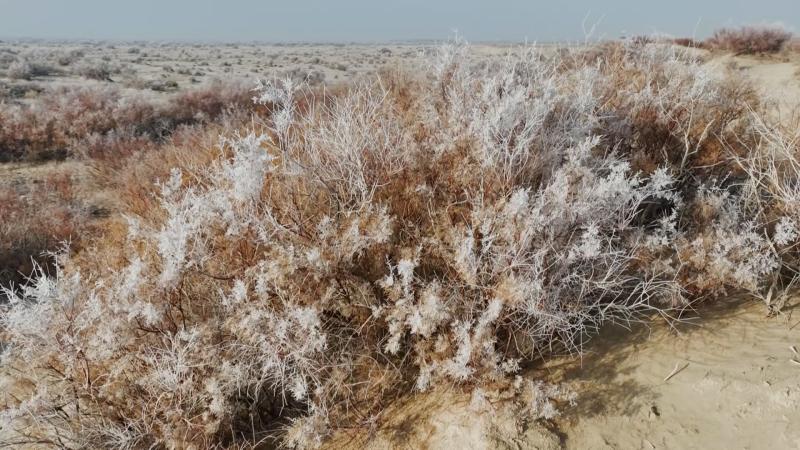
That afternoon the wind did arrive. The pedestrian underpasses, the windbreak walls angled across empty lots, the weighted doors on every shop, they all made sense. I learned to walk leaning slightly into the gust, and I finally appreciated why the city plants nothing tall and why the few trees grow bent permanently eastward. We ended the day in a Kazakh canteen near the logistics zone, eating laghman with the port’s shift workers, and the wind rattled the windows the whole time.
How to get to Alashankou
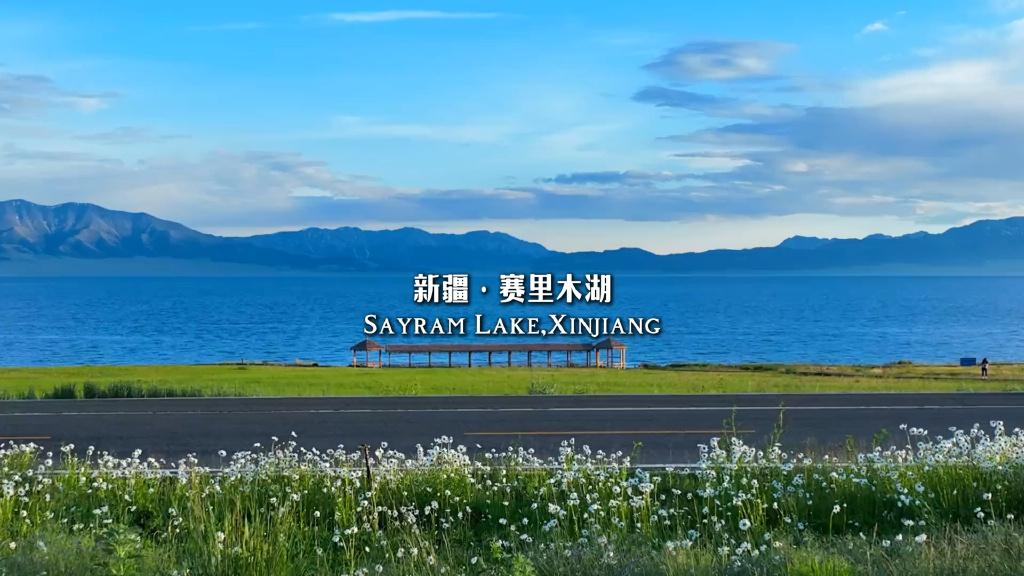
By rail is the honest best choice. Conventional trains from Urumqi take roughly four to five hours and deliver you straight to the town; I paid about 90 RMB for a hard-seat ticket on my first trip and booked a sleeper for the return. The Xinjiang high-speed rail network reaches Bole in under three hours, and from Bole it is a one-hour drive north to the port, which many travelers combine with Sayram Lake since the lake lies almost on the way.
By road, the G30 Lianyungang–Khorgos expressway passes straight through, so a private car or charter from Yining or Bole is straightforward. Bole Alashankou Airport has limited flights, mostly to Urumqi, so do not build a tight schedule around it. There is no public cross-border passenger service on a fixed timetable; the port moves freight, and individual travelers cross only with the proper visa and paperwork arranged in advance.
Best time to visit Alashankou
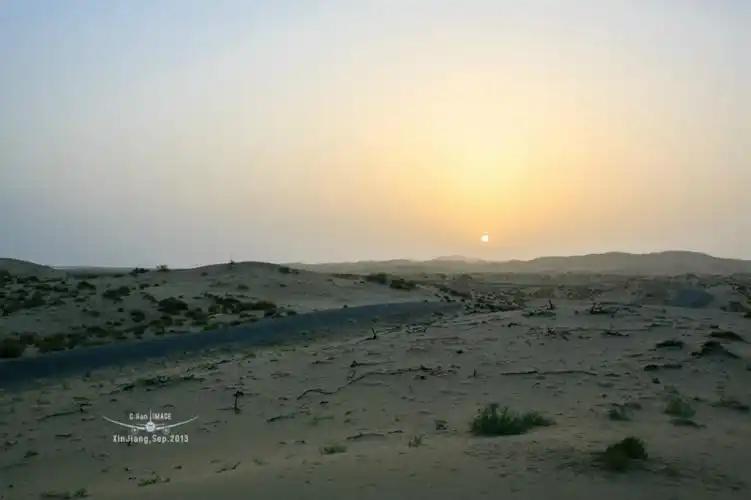
Skip spring. From March through May the gales are at their worst, sometimes shutting the port’s outdoor viewing for safety and making a simple walk miserable. I went in late September both times and found the wind tamer, the skies clear, and the light flat and photographic. Late summer into early autumn is the window I would give anyone. Winters are cold and still windy; summers are dry and warm by day but the breeze never fully stops, which is the whole character of the place.
Where to stay
This is not a resort town, so set your expectations. You will find a small cluster of business and port hotels, clean and functional rather than charming, with doubles typically from 200 to 350 RMB. During trade fairs and holiday surges rooms tighten, so book ahead. I stayed once near the logistics zone for the early rail, and once in the quieter southern block closer to the residential streets and the evening food stalls. Neither was fancy, both were warm, and the front-desk staff helped me call a driver in rough Mandarin and Kazakh-inflected Chinese.
What to eat
The food is straightforward Xinjiang border cooking with a Kazakh and Mongol lean. Start with laghman or a bowl of shorpa, the mutton and vegetable soup that warms you against the wind. Big-plate chicken with belt-thick noodles, hand-grabbed rice with raisins and carrot, and grilled lamb skewers are on every menu. At a Kazakh-run place I tried baursak, the fried dough squares, dipped in thick cream, and drank salty milk tea that Ablat’s family swears by for the throat. Near the port you may also spot Russian-style pastries left over from the cross-border trade, a small reminder of how many cultures meet here.
Practical tips for visiting the port
Carry your ID or passport at all times; this is an active border county and checkpoints appear without warning. Photography is fine in the town and from the public viewing platform, but do not point cameras at the inspection gates, guard posts, or freight being processed. Dress for wind even in summer: a shell jacket and something to cover your eyes beat a flimsy umbrella every time. If you only speak English, download a translation app and keep cash, because not every canteen takes foreign cards. For the wider region, our 20 things to know before you go covers the basics that catch first-timers.
One more honest note: Alashankou is a geography and logistics enthusiast’s stop, not a place to relax by a lake. Pair it with Sayram Lake and a night in Bole or Yining, and it becomes a memorable frontier chapter rather than a dead end.
A sample two-day plan
Day 1. Morning train from Urumqi to Alashankou. Drop bags, walk the windbreak streets, lunch on laghman, then the rail-port viewing platform in the calmer late afternoon. Dinner at a Kazakh canteen. Day 2. Hire a driver south to Sayram Lake for a few hours by the water, continue to Bole for the afternoon train or high-speed rail back toward Urumqi. If the wind cooperates, the Xinjiang photography guide has notes on shooting the open steppe and the lake light.
Frequently asked questions
Can tourists cross from Alashankou into Kazakhstan? Yes, but not casually. You need a valid Kazakhstan visa, and you must use the authorized port crossing with the right paperwork. The town itself is open to domestic visitors; the border inspection zone is not a walk-in area.
Is Alashankou worth visiting if I am not into trains? If you want beaches and old towns, probably not. If you are curious about borders, wind, and how Eurasian trade actually moves, it is genuinely interesting for a half day.
How windy is it really? Often 160-plus windy days a year, with spring gusts that close the outdoor viewing platform. Late summer and early autumn are noticeably calmer.
Do I need a special permit to visit the town? Domestic travelers need only normal ID. Foreign visitors should carry their passport and expect ID checks; the surrounding border area is sensitive, so stay on the public side of any fences or gates.
Disclaimer
This guide reflects personal visits in 2023 and 2024 and publicly available port information. Train schedules, flight routes, hotel prices, and border-crossing rules change, and the port’s operations can be affected by weather and trade conditions. Always confirm current details with the rail operator, your embassy, and local authorities before you travel, and respect all restricted zones. Nothing here is official advice.
About the author
Liam Foster is a travel writer who has spent six seasons documenting Xinjiang’s border regions, from the Pamir plateau to the Junggar steppe. He focuses on first-hand reporting, realistic logistics, and the kind of practical detail travelers actually need on the ground. He has contributed guides to this site covering Bortala, Sayram Lake, and the Xinjiang high-speed rail network.