Published: July 22, 2026 | Author: Liam Foster
Why you can trust this Xinjiang hot air balloon guide
Most write-ups of ballooning in Xinjiang are reposts of the same three stock photos. They never say where the baskets actually leave the ground, what you hand over at the counter, or whether the wind even let the flight happen. I have done three separate ascents here across two trips: a pre-dawn climb above the Flaming Mountains outside Turpan in June 2023, a grassland hop near Nalati in Ili the following September, and a desert attempt outside Korla in October 2024. Two flights went up. The Korla one was cancelled at 5:40 a.m. because a crosswind made launch unsafe. That last detail tells you more than any postcard, because ballooning in this region is at the mercy of weather in a way a bus tour never is.
What follows comes from those mornings and from long talks with two local pilots, not from a brochure. I will say where it worked, what I would skip, and where the marketing runs ahead of the reality.
Quick reference
| Launch site | Turpan (Flaming Mountains) is the dependable one; Nalati grassland and Korla desert are seasonal add-ons |
|---|---|
| Typical flight time | 45 to 60 minutes in the air, plus 1 hour of prep and pack-up |
| Cost per person | About ¥980 to ¥1,300 for a shared basket (prices from 2023 to 2024, see note below) |
| Best season | Late May to June for Turpan; September for the Ili grasslands |
| Book ahead | 3 to 7 days in peak months; operators run small baskets |
| Launch window | Sunrise only, usually 5:30 to 7:00 a.m. depending on month |
| Language | Chinese and Uyghur spoken; little English at smaller sites |
Xinjiang hot air balloon: where the flights actually happen
The one place I would point a first-timer is the Flaming Mountains southeast of Turpan. The red sandstone ridges glow even without a balloon, and from 400 metres up the whole basin opens into a grid of green fields fed by the ancient karez channels. Our pilot, a quiet man everyone called Ma shifu, lit the burner and we rose before the sun cleared the ridge. For about fifty minutes we drifted with almost no sense of motion, the only sound the occasional roar of the gas.
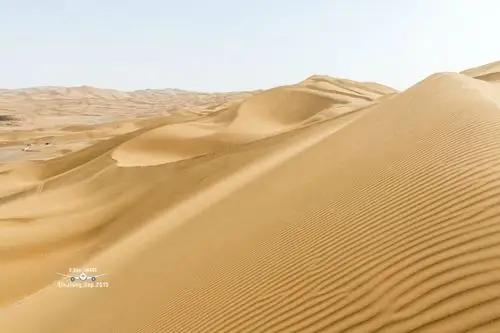
Ballooning over the Taklamakan edge is harder to pin down. The Korla attempt taught me that desert sites get cancelled more often, since open ground catches wind that the Turpan bowl is partly shielded from. When it does run, the view is pure dune and Gobi, with the pipeline roads cutting straight lines to the horizon.
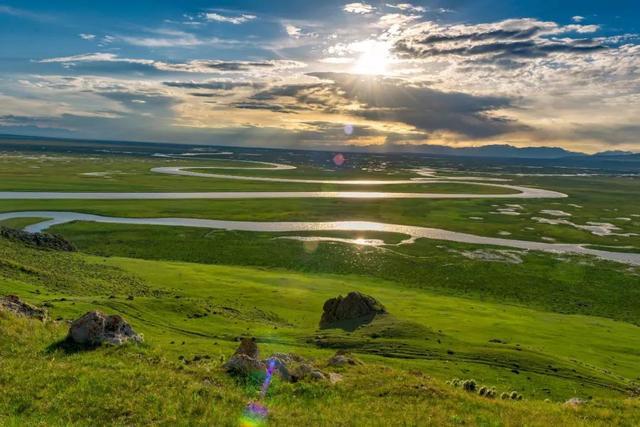
In Ili the flights are a different animal. Instead of rock and sand you float above pasture, and on a September morning the grass carries a gold tint. Hawks ride the same thermals. It is calmer and, frankly, easier on the nerves than the Turpan heat.
What it feels like up there
People expect terror. What surprised me was the calm. Once Ma shifu killed the burner the basket went silent and we just hung there, swinging maybe ten degrees as the wind shifted. The cold was the real shock: at 5:30 a.m. it was 14°C on the ground and felt colder at altitude because there is no windbreak and the burner only warms you in short blasts. By the time we landed near a vineyard the sun was up and the pilots were already rolling the envelope into the trailer.
I have written about the Flaming Mountains on foot elsewhere, and seeing them from the air changes the scale completely. From the road they are a wall. From above they are a cracked, folded skin covering everything south to the Gobi.
Getting to the launch sites
For Turpan, the easiest approach is the high-speed train from Urumqi: the Lanzhou to Xinjiang line puts you in Turpan North in roughly an hour, and operators run a shuttle van from the city hotels at around 4:30 a.m. Flying is also possible into Turpan Jiaohe Airport, though the early-morning launch means you will need to arrive the day before regardless.
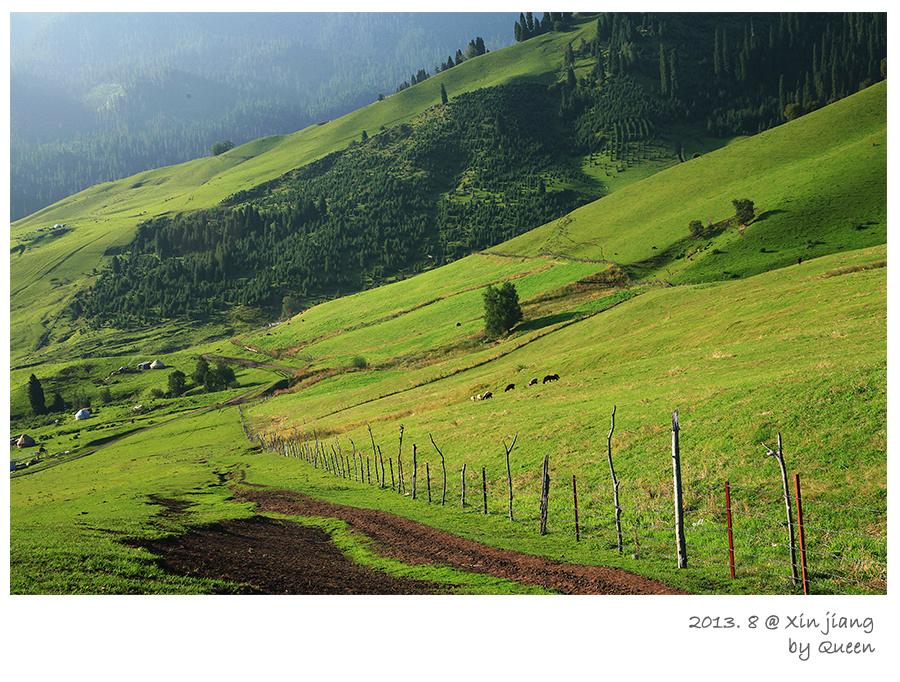
The Ili grassland flights require more commitment. Most people fly to Yining and then drive about three hours to Nalati, or come as part of a longer self-drive route through northern Xinjiang. The Korla desert site sits a short hop from the city, reachable by the same regional roads covered in our high-speed rail guide.
Best time for a Xinjiang hot air balloon flight
Late May through June is the Turpan sweet spot, before the basin hits its brutal 40°C-plus summer. September suits the Ili grasslands, when the light goes long and gold. I would avoid July and August at Turpan entirely: the heat is one thing, but the afternoon wind patterns make morning launches less reliable. Winter is out for most sites: the cold is manageable, the wind is not.
If your trip is fixed to a school holiday or a national break, read our 20 things to know before you go so the crowds and the weather do not catch you out.
Where to stay
In Turpan, base yourself in or near the old town so the 4:30 a.m. pickup is short. There is a workable range of hotels, from basic guesthouses to a couple of comfortable business hotels by the bazaar. For the Ili flights, staying inside the Nalati scenic area saves a predawn drive, though the in-park guesthouses book out fast in September; Yining city is the fallback and gives you more food options.
What to eat before and after
Do not eat a big meal before launch. The combination of a 4 a.m. wake-up, nerves, and the burner heat does not sit well. A small piece of naan and some tea is plenty. After you land, this is where Xinjiang rewards you: in Turpan a bowl of mutton soup with more naan, in Ili a plate of hand-pulled laghman and endless milk tea while the crew packs the balloon. The post-flight breakfast might be the best part of the whole morning.
Practical tips
- Book directly with the operator, not a reseller. The resellers I met added 30 to 40 percent and were vague about refunds when wind cancelled the flight.
- Ask the cancellation and refund rule before you pay. On my Korla scrub we got a full credit, but a friend on a different operator only got 50 percent back.
- Dress in layers. It is cold at launch and warm an hour later.
- No drone near the launch field. The balloons and rotors do not mix, and operators will ask you to land yours first.
- Bring a camera with a strap. You will regret a dropped phone from 400 metres up.
- Toilets at the launch fields are basic. Use the hotel one before the shuttle.
A sample two-day Turpan balloon plan
Day 1: Arrive Turpan by mid-afternoon. Spend the evening at the bazaar, eat lightly, and confirm your 4:30 pickup. Sleep early.
Day 2: Shuttle to the field, launch around 5:40 a.m., land near 6:40, then breakfast. With the morning free, visit the Flaming Mountains viewpoint or the karez museum before the heat builds, and take the train back to Urumqi that evening. If you want the Ili grassland version instead, plan three nights minimum and treat the flight as one piece of a wider northern loop.
FAQ
Is it safe? The operations I flew with followed standard basket and burner checks, and both pilots scrubbed flights they felt were unsafe. The main risk is cancellation, not danger. Children under about six and anyone with a recent surgery or serious heart condition should skip it.
How much does it cost? Shared baskets ran ¥980 in Ili and ¥1,280 at Turpan in 2023 to 2024. Private baskets cost far more and need a group. Treat these as indicative; always confirm.
Do they fly all year? No. Turpan works late spring to early summer and again in early autumn. Ili is a September thing. Winter and midsummer are mostly off.
Can I bring a camera? Yes, and you should. A phone is fine; a real camera with a strap is better. Drones stay on the ground.
What if the flight is cancelled? Wind cancels more flights than anything else. Build a buffer day into your plan so a scrub does not wreck the itinerary, and know the refund terms up front.
Disclaimer
This account reflects personal flights taken in 2023 and 2024 and conversations with local operators at that time. Balloon services in Xinjiang are run by small, seasonal companies whose schedules, prices, and even whether a site operates in a given year can change without notice. Nothing here is an endorsement of any specific operator, and we are not affiliated with any of them. Confirm current details, permits, and refund policies directly before you pay. If you are planning a wider trip, cross-check the practical basics in our general Xinjiang travel tips.
About the author
Liam Foster is a travel writer who has spent the better part of four years covering China’s western regions. He has travelled through all of Xinjiang’s prefectures, ridden the high-speed line end to end, and prefers slow mornings with a burner roaring overhead. His work focuses on first-hand, practical guidance rather than recycled lists. He can be reached through the editorial desk at Xinjiang Attractions.