Published: July 22, 2026 | Author: Olivia Hart
Most people ask me about scenery before they book a trip to Xinjiang. I get it. But after leading more than thirty group tours across the region between 2017 and 2025, the question I wish more travelers asked earlier is a plain one: does your Xinjiang travel insurance actually cover where you are going? The region is enormous, remote in stretches, and sits at altitudes that catch first-timers off guard. A decent policy plus a little prep turns a bad day into a boring paperwork day. This guide is built from incidents I have handled on the ground, not from a brochure.
Why you can take this seriously
I work as a travel risk consultant and have run tours out of Urumqi as far as Kashgar, the Pamir Plateau, and the Altai in the north. I have filed claims, arranged two medical evacuations, and sorted out a stolen passport in a border town. Everything below comes out of those files, including the mistakes.
Quick reference: risks and the cover you want
| Risk | Where it shows up | What your policy should include |
|---|---|---|
| Altitude illness | Tianchi (1,900 m), Karakul Lake (3,600 m), Tashkurgan (3,100 m) | Emergency evacuation, inpatient treatment |
| Road incidents | Duku Highway, Karakoram Highway, long desert stretches | Medical cover plus vehicle breakdown assistance |
| Theft or loss | Night markets, packed long-distance buses, border towns | Baggage and personal-effects cover |
| Trip cancellation | Permit denied, sudden illness, family emergency back home | Cancellation and curtailment |
| Heat and stomach trouble | Turpan in summer, busy street-food stalls | Outpatient and GP visits |
What happened on the Pamir in 2023
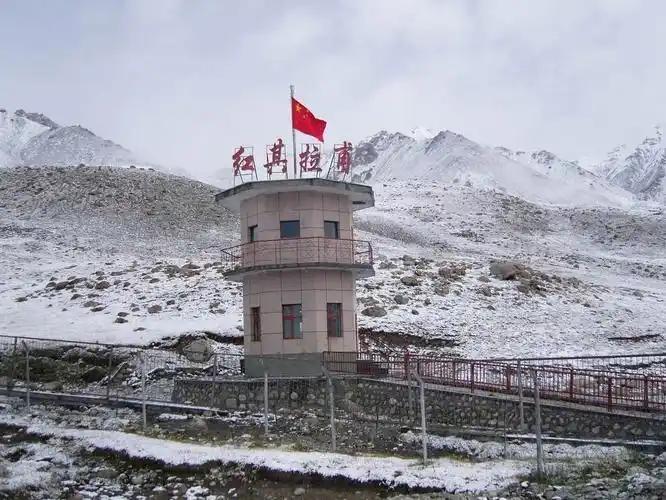
In October 2023 I was guiding a group of nine toward Karakul Lake, the mirror lake beneath Muztagh Ata. One traveler, fit and in his early forties, started with a headache at the 3,600-meter shore and was vomiting by the time we reached Tashkurgan. We got him down to the county hospital, where oxygen and dexamethasone settled it within a day. The bill came to about 2,400 RMB. His insurer’s emergency-assistance line arranged the transport and paid the claim three weeks later. A second traveler on that same trip had skipped insurance to save roughly 300 RMB. He paid out of pocket and learned the lesson the expensive way. We carried a pulse oximeter after that trip, and I now check everyone’s reading at each overnight gain in elevation.
That trip changed how I brief groups. I now ask everyone to send me their policy number before we leave Urumqi, and I keep a paper copy in my own bag.
Getting around without stacking the odds
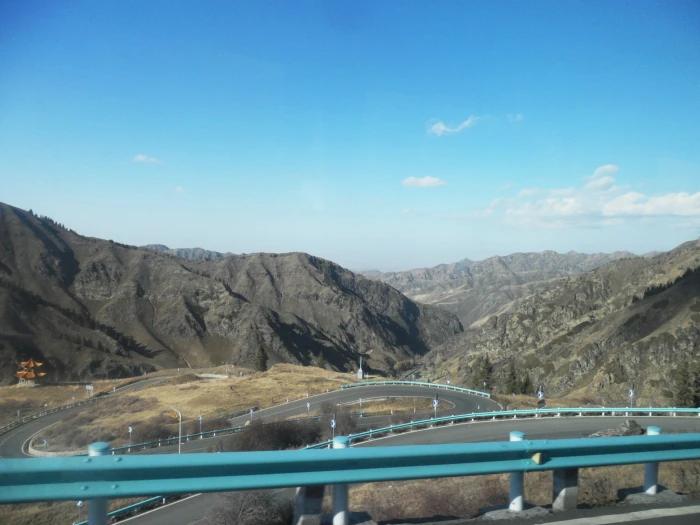
Xinjiang is large. The drive from Urumqi to Kashgar runs about 1,500 kilometers, and the Duku Highway alone crosses several climate zones in a single day. I have watched that pass close without warning after an August snow squall. For anyone planning hiking trails or remote drives, tell someone your route and expected return time before you lose signal. The high-speed rail is the safest way to cover long distances, and it removes the fatigue that causes most road errors.
If you rent a car, check that your policy covers self-drive at all. Plenty of cheap plans exclude it entirely. Fuel stations thin out past the major towns, so I keep the tank above half whenever I can, and I never drive the mountain passes after dark. Seat belts are not optional on the open highway, where a tire blowout at speed is no joke. On the long-distance buses I avoid the back row over the wheels, where motion sickness bites hardest on the desert roads. Night buses save a hotel night but cost you a working day, so for groups I favor the daytime train even when it costs more.
When you go decides your risk profile
The season tells you what you are insuring against. Turpan regularly passes 40°C in July, and I have treated heat cramps with salt and shade more times than I care to count. Winter in the Altai drops below -30°C, which brings frostbite risk and flight delays. The weather by month guide lays out the swing, but the insurance point is simple: a policy bought for a spring tulip trip may not treat a January ski accident the same way. Match the cover to the season you are actually traveling in, and name the activities.
Picking a safe place to sleep
I book accommodation in the city center or beside a major site, not the cheapest option an hour out of town. In smaller counties the difference is a lit lobby and a desk clerk who speaks some Mandarin. For first-time visitors, Urumqi and Kashgar have the widest choice of international-standard hotels with proper fire exits and 24-hour desks. I always confirm the address in Chinese by message, because taxi drivers rarely read the English name on the booking. Yurts and homestays are wonderful, but I verify a real bed, a lock on the door, and a way to call out before I send a group there.
Eating without regret
Xinjiang food is the highlight for most of my groups, and it is safe if you follow a few rules. I eat at stalls with fast turnover, because crowds mean fresh stock. I skip unrefrigerated cream dishes in summer, I pass on ice in street cups, and I carry oral rehydration salts after one rough night in Hotan. A stomach bug is rarely dangerous, but it can wreck a tight itinerary, so I build a rest day into every plan and tell people to drink bottled water on day one while their gut adjusts. I also steer groups away from unpasteurized milk tea sold from open buckets in summer, and I rinse bought fruit in bottled water. The big buffet spreads at the tourist sites are fine, but I trust a small family stall with a queue of locals more than an empty counter.
Your pre-trip preparation checklist
This is the list I send clients two weeks before departure:
- Buy a policy with emergency evacuation and a 24-hour assistance line that answers in English, not only in the insurer’s language.
- Email yourself and a family member the policy number, the emergency number, and a scan of your passport.
- Check whether your home card covers China, or buy a standalone plan; many stop past 30 days abroad or cap altitude at 2,500 m.
- Register with your embassy’s travel service if your country offers one.
- Carry a local SIM card so the assistance line can reach you in the mountains where roaming fails.
- Pack a small kit: rehydration salts, altitude tablets only after a doctor’s advice, plasters, and any prescription in its original box with the leaflet.
- Settle any known medical condition at home first; a pharmacy in a county town may not stock your specific medication.
- Save offline maps; signal dies on the Karakoram and across the Taklamakan, and you do not want to be navigating a closure blind.
A sample low-risk 5-day loop
If you want to test the region without pushing your luck, this is the loop I suggest for a first insured trip:
Day 1 — Urumqi. Arrive, buy the SIM, confirm insurance, light walking only to reset from the flight.
Day 2 — Tianchi Lake. Half-day at 1,900 m to gauge your altitude response, then back to the city to sleep low.
Day 3 — Turpan. Grape Valley and the Karez system; carry water and start early to beat the heat.
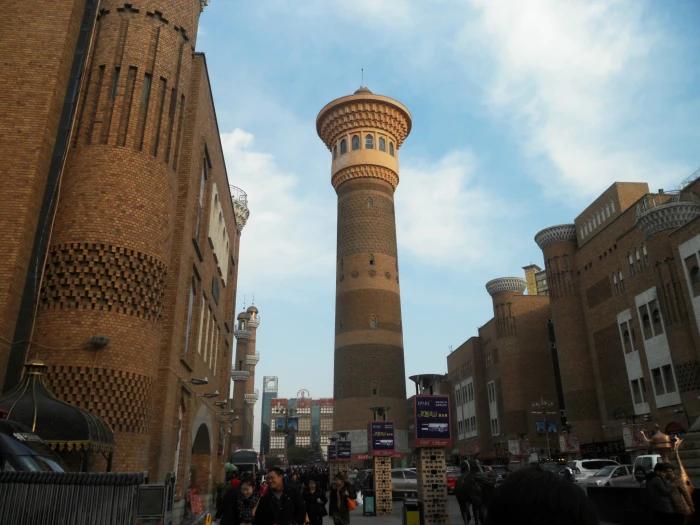
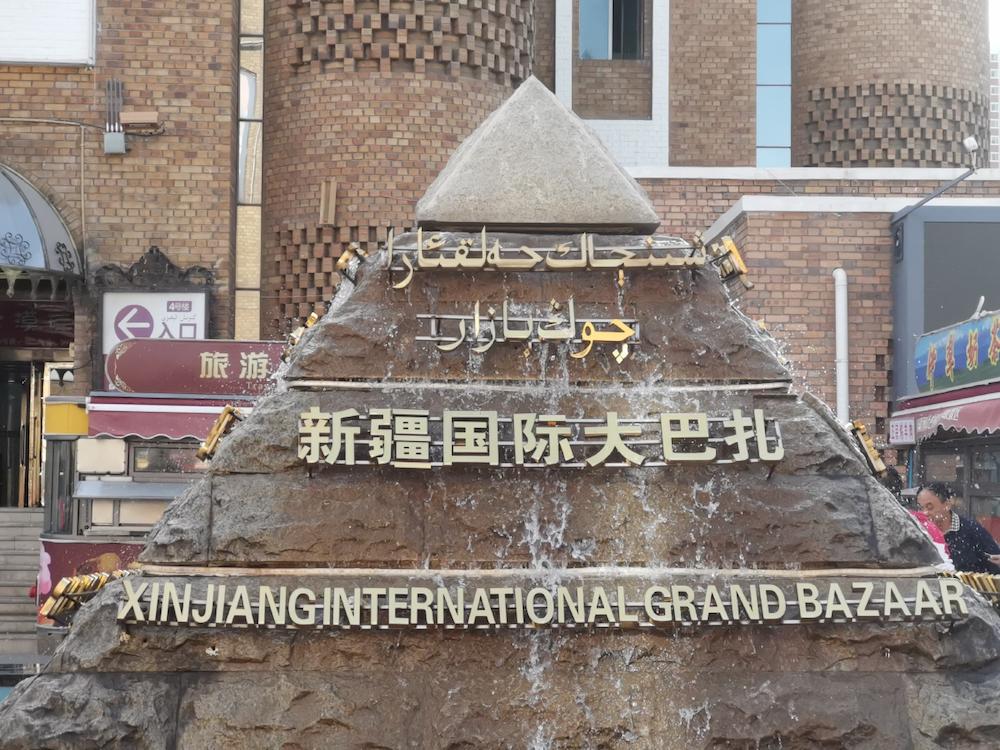
Day 4 — Rest and bazaar. A slow day at the International Bazaar; keep valuables in a front pocket in the crowd.
Day 5 — Buffer day. Leave it unscheduled so a delay or a sick day does not burn a non-refundable train.
Frequently asked questions
Do I really need separate travel insurance for Xinjiang?
Yes. Many annual multi-trip plans cap altitude at 2,500 m or exclude self-drive and “adventure” activities. Read the fine print or buy a plan that names China and your actual activities.
Will my insurer accept a foreign claim form?
Get itemized receipts with the hospital or clinic stamp. Assistance companies need these, and a phone photo is not enough to release payment.
Is it safe to travel there at all?
The region is calm for tourists, and the main risks are altitude, heat, and road distance rather than personal security. Insurance handles the medical and logistical side when something goes wrong.
What if my permit for the Pamir is denied?
That is exactly what cancellation cover is for. Book refundable where you can, and keep the denial letter as evidence for the claim.
Disclaimer
This article shares field experience and general guidance, not legal or medical advice. Insurance terms differ by provider and by nationality, and rules change. Confirm your cover with your insurer before you travel, and speak to a doctor about altitude and vaccinations. The author and publisher are not liable for any loss, injury, or cost incurred on your trip.
About the author
Olivia Hart is a travel risk consultant based in Urumqi. She has led more than thirty group tours across Xinjiang since 2017, holds a wilderness first-aid certificate, and has handled medical evacuations on the Pamir and the Tianshan. She writes about practical safety for visitors who would rather be prepared than lucky.