Published: July 24, 2026 | Author: Lena Hartmann
Why you can trust this Xinjiang folk dance guide
When people ask what surprised me most during three years of fieldwork in Xinjiang, the answer is never a mountain or a lake. It is the dancing. Xinjiang folk dance is not a staged show you watch from a seat. It is something that pulls you into a circle before you have finished your first cup of tea. I came to the region in 2018 as a dance anthropologist from Berlin, planning a six-week study trip, and ended up returning every spring for three years to document how Uyghur, Kazakh, Tajik and Xibe communities actually move when nobody is holding a camera. This guide distills what I learned: the main dance families, where you can watch them without buying a ticket, and how to join in without embarrassing yourself in front of a village.
Quick reference: Xinjiang folk dance at a glance
| Dance family | Where it lives | What it feels like | Best place to see it |
|---|---|---|---|
| Dolan | Awat, Makit and Bachu counties, central Tarim near Kuqa | Stomping, athletic, mimics hunting and forest life | Village meshrep; best reached with a local guide |
| Sanam | Everywhere; strongest in Kashgar and Hotan | Social circle dance, intricate wrist work, gentle sways | Weddings, Old City courtyards, festival squares |
| Sama | Larger gatherings in Ili and Urumqi | Big circle, arms raised, stepping in unison | Festival performances and summer park gatherings |
| Hami (Kumul) dance | Hami and eastern Xinjiang | Light, quick steps, fan-like hand movements | Local theatre and spring cultural events |
| Ili Uyghur dance | Yining and the Ili Valley | Graceful, blended with Kazakh and Dungan moves | Summer evening parks and open squares |
My first Dolan meshrep, and what it taught me
I arrived in Awat County one cold March evening in 2019 thinking I would watch. A group of older men had set up in a mud-brick courtyard, a dutar and a tämbür leaning against the wall, a single dap frame drum already in someone’s hand. Within minutes the Xinjiang Muqam phrases shifted tempo and the dancing began. Nobody announced it. A man in a worn jacket stamped the ground on the balls of his feet, swung his shoulders, and the whole line copied him. I was handed a spot at the end of the row and told, in Uyghur I barely understood, “just keep the beat.”
That is the first thing to know about Dolan dance: it is built for people who have never practiced. The signature move is a stomp-step called bolong, where you land lightly, bounce, and let your shoulders tremble. The hands trace small circles, as if you are kneading dough or drawing water. By the fourth song my notebook was closed and I was drenched in sweat, grinning, unable to tell which step was “correct.” There is no correct. The point is to be in the circle.
The deeper lesson came later, watching Uyghur culture up close across the south: these dances are not entertainment added to a party. They are the party. A wedding without Sanam is considered unfinished. A harvest without a circle in the field is a quiet harvest.
How to get to the dancing
Most visitors start in Urumqi, which has the region’s main international airport and the easiest performances to find. From there, the China railway high-speed lines and overnight trains fan out to the places where folk dance actually lives.
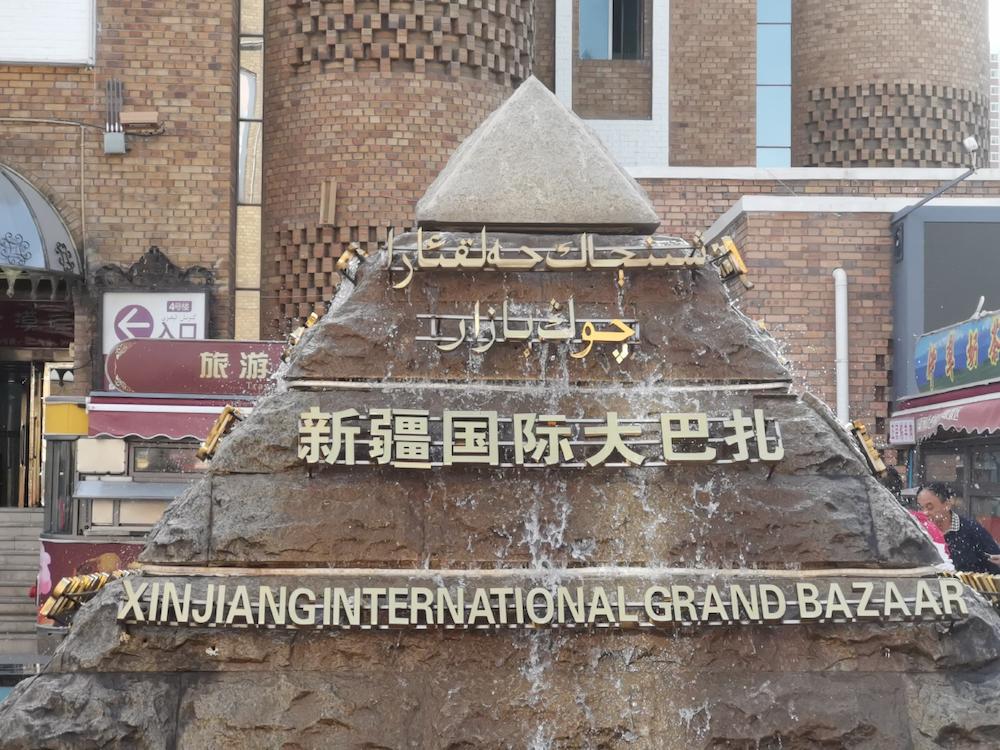
- Urumqi — fly in (URC), then catch evening shows at the International Grand Bazaar or staged performances by the Xinjiang Arts Institute. This is the lowest-effort way to see polished versions.
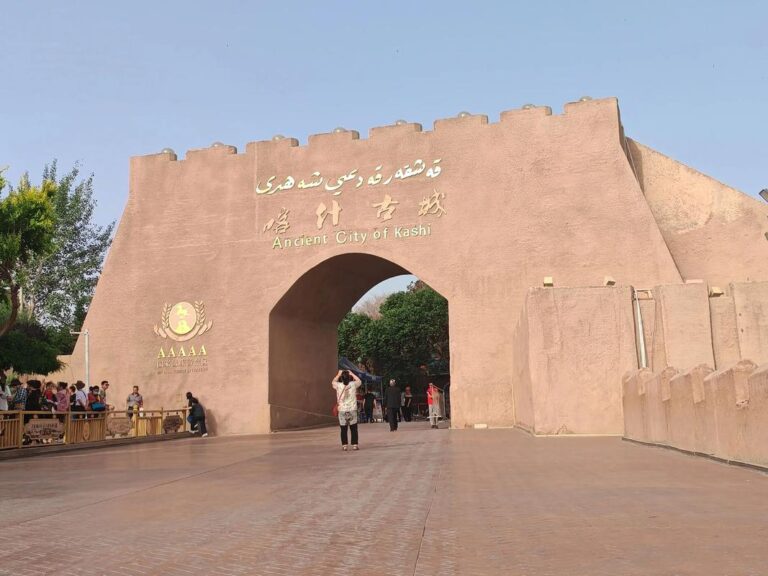
- Kashgar — an overnight sleeper train or a short flight south. The Old City is where Sanam breaks out spontaneously during festivals and weddings.
- Kuqa / Awat — a few hours east of Kashgar by road or rail. This is Dolan country, but village meshreps are not on a timetable. Go with hiring a local guide who knows which family is hosting that week.
- Yining (Ili) — fly or take the train north. Summer evenings turn the city’s parks into open dance floors.
Best time to catch Xinjiang folk dance
Dancing happens year-round, but three windows are better than the rest.
- March (Navruz) — the Persian New Year brings the biggest public dancing, especially in Yining and Kashgar. Check the Xinjiang festivals calendar before you book, because the exact dates shift with the lunar calendar.
- September to October — harvest season. Villages fill the squares after the grain comes in, and the weather is cool enough to dance past midnight.
- Summer evenings (June to August) — too hot at noon, but after ten at night the parks in Ili and Urumqi fill with casual circles anyone can join.
Where to stay
You want to sleep within walking distance of the dancing, not a twenty-minute taxi away.
- Kashgar — guesthouses inside the Old City put you steps from courtyard performances and festival squares. The walls are thick and the tea is endless.
- Yining — a small boutique hotel near the central park means you can wander out at 10 p.m. and find a circle without planning.
- Urumqi — stay near the International Bazaar if you want evening shows on your doorstep, or near the railway station if you are hopping trains to the dance towns.
What to eat between dances
Dancing on an empty stomach ends badly. The food that fuels these gatherings is the same food you will find at any Xinjiang table: polo (rice with carrot and lamb), grilled kebabs, fresh naan, and hand-pulled laghman noodles. At a village meshrep you will likely be fed before you are allowed to leave. Accept the food. Refusing it reads as refusing the community, and the dancing will not start until everyone has eaten.
Practical tips for joining in
Most of these came from my own mistakes.
- Wear flat, flexible shoes. You will stomp. Sneakers beat sandals, which beat dress shoes, which beat staying seated.
- Learn two moves and stop there. The wrist circle and the light stomp cover 80 percent of any circle. Copy the person next to you, not the lead dancer.
- Carry a small gift. If a family invites you into a home performance, a pack of tea or a scarf for the host goes a long way.
- Ask before you film. This is the single biggest error foreign visitors make. Read the local etiquette guide first, and especially check with women before pointing a phone at them.
- Don’t refuse an invitation to join. A wave into the circle is not optional politeness. Step in, even badly.
A 5-day Xinjiang folk dance route
This is the loop I send friends on when they have one week and want to actually dance, not just watch.
- Day 1 — Urumqi. Land, drop bags at a bazaar-side hotel, and catch an evening performance at the International Grand Bazaar to calibrate your eye.
- Day 2 — Kashgar. Fly or take the sleeper train south. Walk the Old City, find a courtyard teahouse, and ask about weddings happening that week.
- Day 3 — Kashgar Old City. Join a Sanam circle if one forms, or hire a guide to a nearby village for a proper meshrep.
- Day 4 — Kuqa / Awat. Head east to Dolan country. The dancing here is the most physical you will see anywhere in the region.
- Day 5 — Yining (Ili). Fly north and finish with a summer-evening park circle, then fly out from Yining or back through Urumqi.
Frequently asked questions
Do I need to know the music to enjoy the dance?
No. The steps are readable on their own, and most circles welcome a silent follower. Knowing a little about Xinjiang Muqam helps you predict when the tempo will lift, but it is not required.
Is it okay for a tourist to join, or is that rude?
Joining is expected. A circle that waves you in wants you there. The only rudeness is filming without asking or laughing at people who move differently from you.
Which dance should I prioritize if I only have time for one?
Dolan, in Awat or Kuqa. It is the most distinctive to the region and the least like anything you will see at a hotel show.
Are there performances I can buy tickets for?
Yes. Urumqi and Kashgar both stage theatrical folk-dance shows. They are polished and easy to fit into a schedule, but they are not the same as a village meshrep.
Will language be a barrier?
Not for dancing. The invitation to join is usually a hand on your shoulder and a shift of the circle to make room. You will understand it without a word.
Disclaimer
This guide is based on my personal fieldwork between 2018 and 2021 and is meant as a traveler’s introduction, not an academic treatise. Dance traditions here are living and change from village to village; specific performances, venues, and festival dates shift year to year and with local conditions. Always confirm schedules with the local tourism offices or a licensed guide before you travel, and respect community customs around filming and dress. This article makes no political claims and treats these dances purely as cultural practice.
About the author
Lena Hartmann is a dance anthropologist based in Berlin who has spent three field seasons (2018–2021) documenting folk dance across Xinjiang, from Dolan villages near Kuqa to summer park circles in Yining. She trained in central Asian dance forms at the University of Berlin and has contributed dance ethnography notes to several travel and cultural publications. She writes about movement as a way to understand a place, and believes the fastest way into any community is to accept the hand that pulls you into the circle.