Published: July 24, 2026 | Author: Jonas Keller, trekking writer & high-altitude travel planner
I get one question from readers more than any other: should I spend my two weeks in western China on a Xinjiang vs Tibet decision, and which one wins? I have done both more than once. Tibet in 2019 and again in 2023, Xinjiang in 2021 and 2024. They are often lumped together as “China’s wild west,” yet they demand completely different trips: different paperwork, different altitude profiles, different budgets, and honestly, different personalities. This guide lays out what each region actually asks of you, based on receipts I still have and mistakes I still remember. If you are new to the region, start with my first-time visitor primer for Xinjiang after reading this.
Xinjiang vs Tibet at a glance
| Factor | Xinjiang | Tibet |
|---|---|---|
| Permit for foreigners | None for main areas; border zones (e.g., Khunjerab) need a simple pass | Tibet Travel Permit required, arranged via a registered agency |
| Independent travel | Yes — trains, buses, self-drive all possible | No — foreigners must book a guided itinerary with driver |
| Typical altitude | 500–1,500 m in cities; 3,000 m+ only on Pamir/Tianshan roads | 3,650 m in Lhasa; most sights 4,000–5,200 m |
| Trip cost (2 weeks) | Roughly 6,000–10,000 CNY independent | Roughly 15,000–25,000 CNY with mandatory tour |
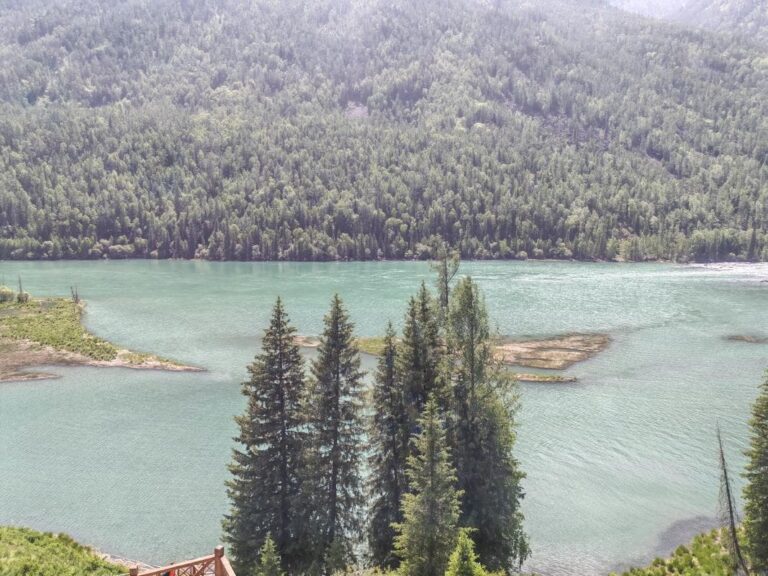
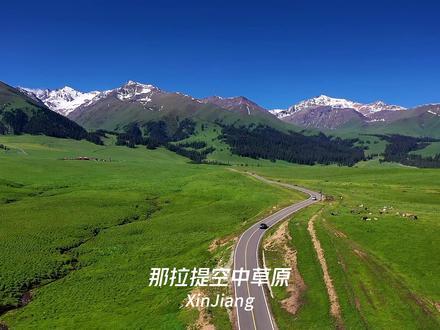
| Landscape range | Desert, grassland, alpine lakes, canyons, glaciers | High plateau, Himalayan peaks, turquoise holy lakes |
| Food scene | Big, cheap, meat-and-bread heavy; night markets everywhere | Simpler; Tibetan, Sichuan and Nepali kitchens in Lhasa |
| Best months | May–June, September–October | April–May, September–November |
The two trips felt nothing alike
My first morning in Lhasa in 2019, I woke at 4 a.m. with a dull headache and a heartbeat I could hear. That is normal at 3,650 metres, and it shaped the whole week: slow walks, early nights, litres of water, no shower on day one. The reward came on day five, circling Ganden Monastery’s kora path above a valley of barley fields while pilgrims spun prayer wheels beside me. Tibet runs on that rhythm — you surrender your pace to the altitude and the schedule your guide has filed.
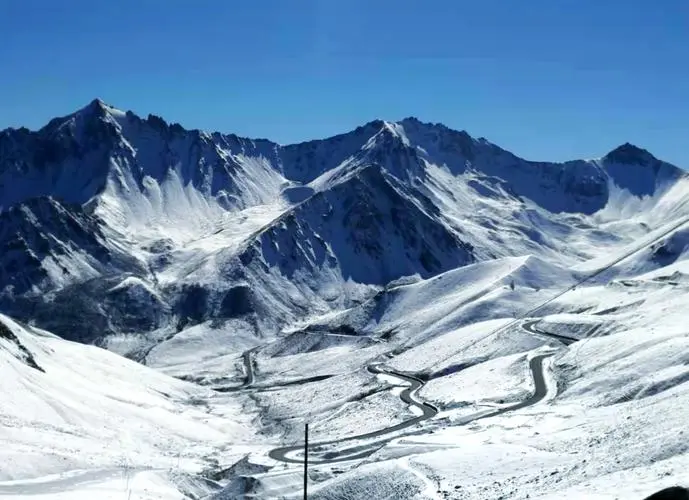
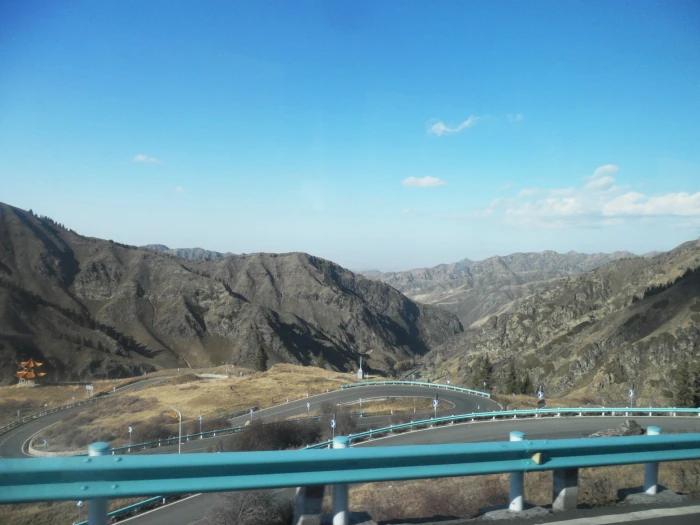
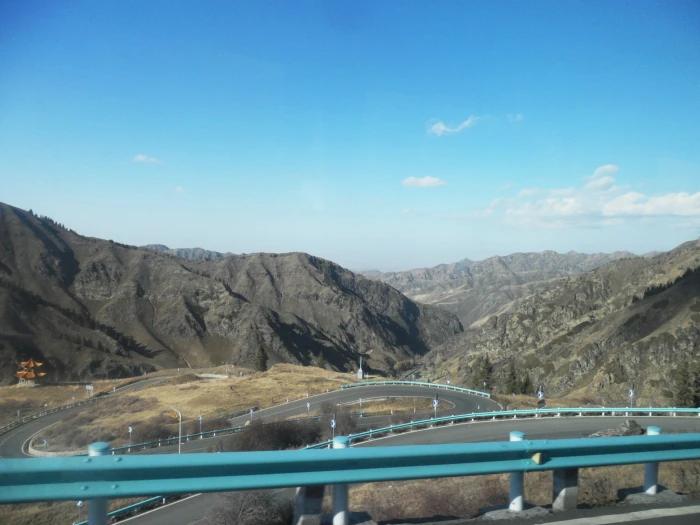
Xinjiang in 2021 was the opposite. I landed in Urumqi at 800 metres, ate hand-pulled noodles within an hour, and rented a car two days later with no paperwork beyond my licence translation. We drove the Duku Highway south, stopping wherever a canyon or a herd of sheep demanded it. Nobody needed to know our route. When a June hailstorm shut a pass for three hours, we simply ate cold naan in the car and changed plans. That freedom is the single biggest practical difference between the two regions. If a road trip appeals to you, my Xinjiang self-drive planning guide covers rental rules and routes in detail.
Permits and paperwork: the deal-breaker for many
Tibet is not an independent destination for foreign passport holders. You need a Tibet Travel Permit issued through a registered agency, a booked guide and vehicle for the itinerary, plus extra permits for areas like Everest Base Camp or Mount Kailash. Agencies handle it smoothly — mine took about 12 days in 2023 — but you cannot wing it, extend on a whim, or hop on a public bus to a village that caught your eye.
Xinjiang, by contrast, is open. Foreigners ride the high-speed rail, book hotels that accept international guests, and drive themselves. The exceptions are border zones: the road beyond Tashkurgan toward the Khunjerab Pass needs a border pass that hotels or agencies in Kashgar arrange in a day or two. Expect ID checks at highway checkpoints in the south; they cost minutes, not days. Hiring local help is optional rather than mandatory — here is my honest take on when a local guide in Xinjiang is worth it.
Altitude: Tibet demands respect, Xinjiang lets you choose
This matters more than most people admit. In Tibet, altitude is not optional. Lhasa sits at 3,650 m, Namtso Lake at 4,718 m, Everest Base Camp at 5,200 m. Almost everyone feels something the first two days; some travellers lose their whole trip to it. My 2019 group of six included one person who flew home early from headaches that would not lift.
In Xinjiang, you decide your exposure. Urumqi, Turpan and Kashgar all sit low — Turpan is actually below sea level in places. Altitude only enters the picture if you drive the Pamir Plateau to Karakul Lake (3,600 m) or cross high Tianshan passes. You can sleep low in Kashgar and day-trip high, which is a far gentler curve. Either way, read my altitude sickness prevention guide before any Pamir excursion, and check that your policy covers evacuation — details in my insurance and safety preparation notes.
Getting there and around
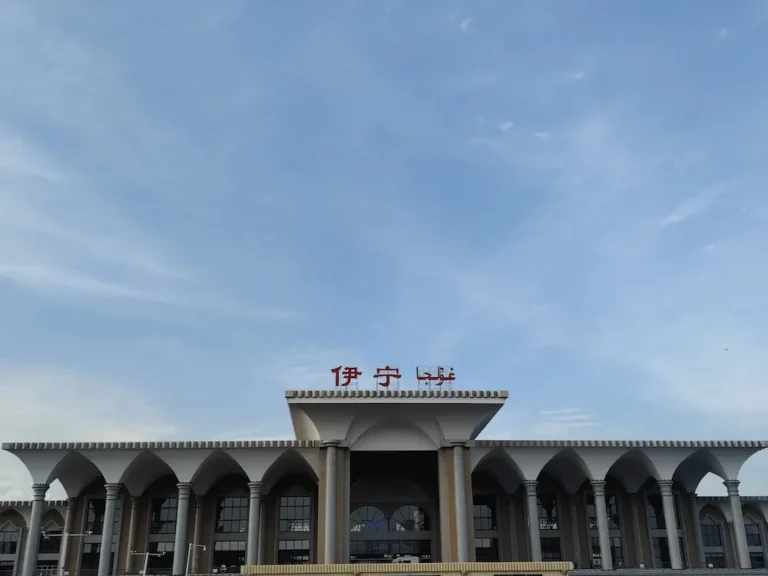
Xinjiang: Urumqi has direct flights from most major Chinese cities and several international hubs. High-speed rail links Urumqi with Turpan (1 hour) and Lanzhou. Inside the region, trains reach Kashgar, Korla and Yining; long-distance buses and rental cars fill the gaps. Distances are huge — Urumqi to Kashgar is 1,500 km — so budget internal flights around 400–800 CNY.
Tibet: Most travellers fly into Lhasa via Chengdu, Chongqing or Xi’an, or take the Qinghai–Tibet railway from Xining, which crosses 5,000 m passes with oxygen piped into carriages. I took the train up in 2019 for acclimatisation and the views; it helped, though it did not spare me the headache. Once in Tibet, your agency’s vehicle is your transport. There is no equivalent of hopping on a local bus between towns.
Best time to go
Both regions peak in autumn. For Xinjiang, May–June brings green grasslands and blooming valleys, while September–October delivers golden poplars and harvest fruit — my month-by-month weather guide breaks this down. Avoid July in Turpan unless 45°C amuses you. For Tibet, April–May and September–November give clear Himalayan views; summer monsoon clouds can hide Everest entirely, which happened to half my 2023 group photos. Winter Lhasa is cold but bright and quiet, and permits keep flowing; winter Xinjiang is a separate ski-and-ice world of its own.
Where you will sleep
Xinjiang’s hotel scene is broad: international chains in Urumqi (300–600 CNY), characterful courtyard guesthouses in Kashgar’s old town (150–350 CNY), yurt stays on the grasslands in summer (100–200 CNY with dinner). Booking apps work everywhere; just confirm the property accepts foreign guests. In Tibet, your agency books accommodation into the itinerary. Lhasa has excellent Tibetan-style boutique hotels near Barkhor Street (400–800 CNY); out toward Everest, expect basic guesthouses with shared bathrooms and electric blankets instead of heating. I slept in six layers at Rongbuk in April and regretted nothing except forgetting hand cream.
Food: one region clearly wins
I will say it plainly: Xinjiang eats better. Lamb skewers over charcoal, fresh naan from tonur ovens, laghman noodles, polo rice, a fruit table that runs from Hami melon to Turpan raisins — and night markets in every city where 60 CNY feeds two people generously. Tibetan food is humbler: momos, thukpa noodle soup, yak butter tea (an acquired taste I acquired around day four), and sweet tea houses that double as social clubs. Lhasa’s Nepali and Sichuan restaurants add variety, but on food alone, Xinjiang is the destination.
Practical tips from both trips
- Carry your passport at all times in both regions; checkpoints in Xinjiang and permit checks in Tibet both require it.
- In Tibet, book your agency at least a month ahead in high season; permits cannot be rushed.
- In Xinjiang, download offline maps — signal drops on the Duku Highway and the Karakoram Highway.
- Cash is nearly dead in both; set up Alipay or WeChat Pay with a foreign card before flying.
- Pack sun protection for both. Plateau UV at 4,000 m burned my ears in Tibet; Taklamakan glare did the same in Xinjiang.
- If you are torn, decide by constraint: limited paperwork tolerance points to Xinjiang; a Himalaya obsession points to Tibet.
Sample two-week outlines
Xinjiang, independent: Urumqi (2 days, bazaar and museum) → Turpan by rail (2 days) → fly to Kashgar (3 days, old town and Sunday livestock market) → Karakoram Highway to Tashkurgan (2 days) → return and fly to Yining for the Ili Valley grasslands (3 days) → Urumqi. Deciding between the region’s north and south first? My north vs south Xinjiang comparison settles that question.
Tibet, guided: Qinghai–Tibet train to Lhasa (2 days acclimatising, Potala and Barkhor) → Ganden Monastery (1 day) → Yamdrok Lake and Gyantse (2 days) → Shigatse (1 day) → Everest Base Camp (2 days) → return to Lhasa (1 day buffer). Eleven days on the ground is the comfortable minimum.
FAQ
Can I combine Xinjiang and Tibet in one trip?
Technically yes via flights through Chengdu or Xi’an, but two weeks split between them shortchanges both. Give each its own trip if you can.
Which is better for photographers?
Tibet for monasteries, prayer flags and Himalayan panoramas; Xinjiang for variety — desert, grassland, canyon and bazaar life in one itinerary.
Is either region suitable for children or seniors?
Xinjiang is far easier: low altitude cities, flexible pacing, familiar hotel standards. Tibet’s altitude makes it a doctor-consultation-first destination for both groups.
Which is cheaper?
Xinjiang, clearly. The mandatory guide, driver and permit structure roughly doubles Tibet’s daily cost for independent-minded travellers.
Do I need a guide in Xinjiang?
No, it is optional. Many travellers hire one for southern Xinjiang’s culture and language help, but trains, hotels and major sights are manageable solo.
Disclaimer: Prices, permit processing times and transport details reflect my trips between 2019 and 2024 and standard conditions as of mid-2026. Regulations for Tibet permits and Xinjiang border passes change; confirm current requirements with a registered travel agency and official sources before booking. This article covers travel logistics only.
About the author: Jonas Keller is a Swiss trekking writer who has spent 14 years planning high-altitude trips across Asia. He has travelled Tibet twice (2019, 2023) and Xinjiang twice (2021, 2024), including the Duku Highway, the Karakoram Highway and the Everest Base Camp route, and writes practical comparisons for travellers choosing between western China’s big landscapes.