Published: July 26, 2026 | Author: Rowan Ellis, high-country travel writer
Most people who fly into the Ili Valley head straight for one meadow and call it a day. I did too, on my first trip. It took a second visit, and a Kazakh driver who kept saying “keep going, keep going,” for me to understand that Gongliu Xinjiang and its neighbour Xinyuan hold far more grass, forest and quiet than any single ticketed viewpoint. This guide is about that wider belt of upland pasture along the Kunes River, written after two trips (a wet June in 2023 and a gold-tinged September in 2025) rather than a single afternoon behind a tour flag.
I am not a local, so I lean on the people who are: the herding families I stayed with, the forestry staff at Kurdening, and my long-suffering driver Adil, who has worked these roads for eleven summers. Where I give a price or a schedule, it is what I actually paid or caught. Where things may have changed, I say so.
Why the Gongliu and Xinyuan grasslands are worth the detour
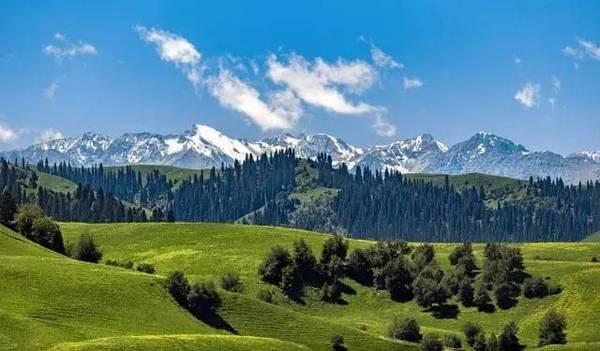
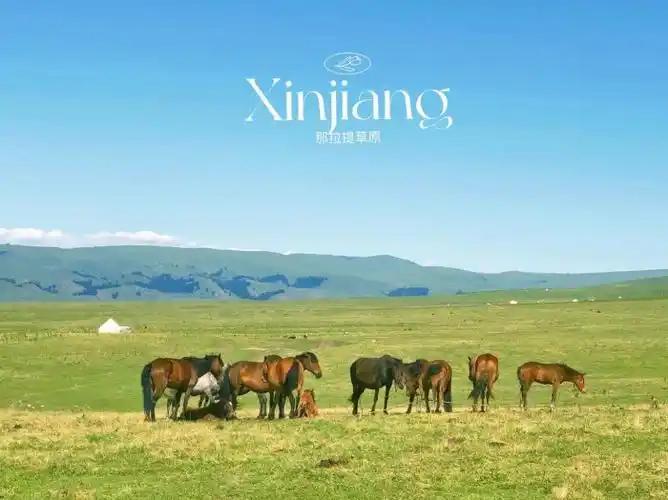
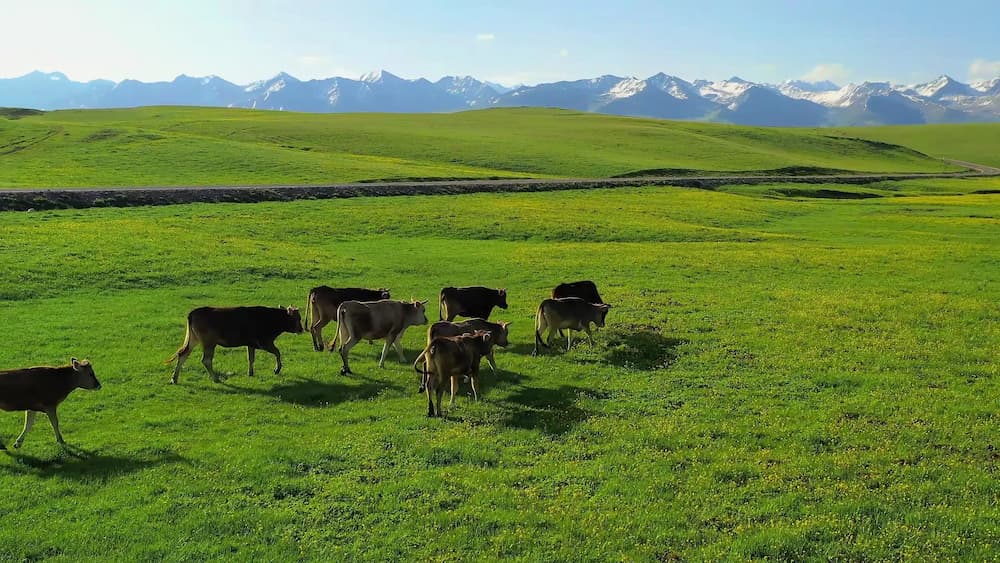
Gongliu (also written Kunes) and Xinyuan are two adjoining counties at the eastern, upstream end of the Ili Valley, where the Kunes River drains a chain of spruce forests and open pasture off the Tianshan. This is the heart of the Ili grasslands, and it is Kazakh country: you will see felt yurts on the slopes from late spring, horses grazing loose, and milk drying on wooden racks. Xinyuan is famous for the Nalati meadows; Gongliu is quieter, greener with forest, and much less photographed. Together they make a two- or three-day loop that feels a long way from a queue.
Quick reference: Gongliu and Xinyuan at a glance
| Detail | What to know |
|---|---|
| Where | Upper Ili Valley, along the Kunes River, western Xinjiang |
| Main hubs | Nalati town (Xinyuan county); Gongliu county town |
| Signature spots | Nalati grassland, Kurdening spruce valley, Qiaxi, Kunes forest farm |
| Best months | Mid-June to early July (flowers); mid to late September (autumn gold) |
| Nearest airport | Nalati Airport (NLT), flights from Urumqi; Yining Airport is the larger option |
| Nalati grassland ticket | Around 95 CNY entry plus shuttle bus fees; check on arrival |
| Typical yurt homestay | 150–300 CNY per person with dinner and breakfast |
| Rough budget | 350–550 CNY per person per day, driver and meals included |
What it was actually like: two trips, two moods
My June trip was cold and half-drowned. We reached a herder camp above the Kunes at dusk in steady rain, and I remember thinking the grass looked almost too green to be real, the kind of green that only comes with cloud. The family, the Serikbays, waved us into a yurt, fed us a bowl of hot milk tea before we had taken our boots off, and let the storm do its thing outside. Their teenage son rode out at 5 a.m. to move the horses and came back soaked and cheerful. That is the Ili I keep coming back for: weather that means something, and people who treat it as ordinary.
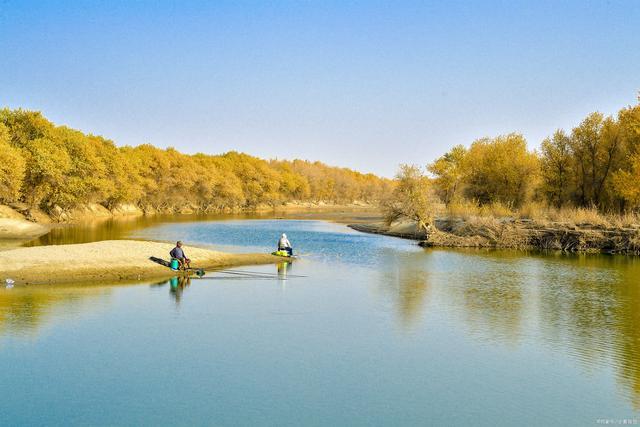
September was the opposite. Dry, sharp light, larch and spruce turning at Kurdening, the meadows gone to straw-gold. We drove the forest road slowly because Adil kept stopping for photos of his own, which told me it was worth stopping for. If you only have one window, I would take late September in Gongliu over peak summer at the famous meadow next door. Fewer buses, better colour, and the homestays are relaxed because the season is winding down. For the wider seasonal picture across the region, I found the Xinjiang weather by month breakdown genuinely useful for planning.
Getting to Gongliu and Xinyuan
There are three sensible ways in, and they suit different trips.
By air. Nalati Airport sits right in Xinyuan county with seasonal flights from Urumqi that run under two hours. It is the fast option if the grasslands are your main goal. Otherwise fly into Yining (Ili) Airport, the bigger hub, and drive east up the valley for roughly three to four hours.
By road from Yining. This is what I did both times. Renting a car with a driver from Yining costs a fair bit less than a full tour and gives you the stops nobody schedules. If you are combining this with the wider valley, the Yining travel guide covers the city end well; treat Gongliu and Xinyuan as the mountain course after that starter.
Over the mountains from Bayanbulak. If you are coming from the south, the road links this belt to the Bayanbulak grassland over a high pass. It is a long, spectacular half-day of driving and only worth it in clear summer weather. I would not attempt it in early June rain, when we turned back once already.
Self-driving is possible and rewarding, but the forest side roads around Kurdening are rough. If you plan to do your own driving, read the self-drive Xinjiang guide first, because fuel stops and phone signal both thin out fast once you leave the county towns.
Best time to visit
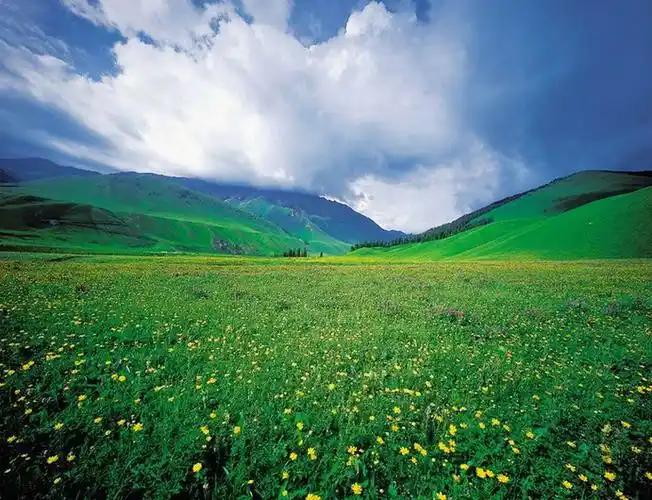
The grass here works on a short calendar. Snow lingers into May at altitude, so the meadows do not really turn until late May. Wildflowers peak from mid-June into the first week of July, which is also when the felt yurts are all up and the herding families are at their summer camps. July and August are warm and busy at Nalati but still calm in Gongliu. From mid-September the larch and spruce colour up and the crowds vanish; by mid-October the herders have moved down and many homestays close. Winter is for locals, not visitors.
Where to stay
You have three tiers, and I have used all of them.
Yurt homestays are the reason to come. On the slopes around Nalati and up the Kunes side valleys, Kazakh families rent out felt yurts, usually with dinner and breakfast included for 150 to 300 CNY a head. Bedding is thick and warm, the toilet is a walk away, and the milk tea is bottomless. Book through a driver or a local contact rather than online; the good camps are word of mouth.
Nalati town guesthouses give you a hot shower and a real bed for 200 to 400 CNY a room. This is the practical base if you want to visit the ticketed scenic area early and retreat to comfort at night.
County-town hotels in Gongliu and Xinyuan are plain and cheap, fine for a transit night but not where you want to spend your actual grassland time. To understand the homestay side of things before you go, the piece on Kazakh culture helped me know what was polite and what was not once I was a guest in someone’s yurt.
What to eat
This is nomad food, and it is heavy in the best way. Expect slow-cooked lamb, hand-pulled noodles, and dairy in every form. A few things worth ordering:
- Milk tea (süt shai) with a pinch of salt, poured all day. It is the social glue of every yurt.
- Kazy, cured horse sausage, usually served cold in thin slices for guests. Try it before you decide how you feel about it.
- Beshbarmak, wide noodles under boiled lamb, eaten by hand at gatherings.
- Kumis, fermented mare’s milk, tart and fizzy. A small cup is plenty on your first go.
- Fresh nan baked in a clay oven, and yogurt so thick you can stand a spoon in it.
The Serikbays fed me kazy on both mornings and watched my face with obvious amusement. It grows on you.
Practical tips from two trips
- Bring warm layers even in July. Nights at altitude drop toward single digits, and rain arrives without much warning.
- Carry cash. Mobile pay works in the towns but not always at a hillside yurt. I keep a stash of small notes for homestays and roadside stalls.
- Ask before photographing people or their animals. A smile and a nod go a long way, and most families are happy once asked.
- Do not chase the horse-riding touts inside the scenic gate. A better ride is usually arranged through your homestay at a fairer price.
- Download offline maps. Signal drops in the forest valleys, and the side roads are not always signed.
- Give yourself slack. Weather reshapes plans here. Build in a spare half-day and you will not feel robbed when a pass closes.
A sample three-day loop
Day 1. Drive up from Yining, stopping wherever the valley opens out. Reach Nalati town by mid-afternoon, settle into a guesthouse, and walk the edge of the meadow in evening light when the day-trippers have gone. If you have an extra day at the start, the Nalati grassland scenic area deserves a full morning of its own.
Day 2. Head into Gongliu county and the Kunes forest. Spend the day around Kurdening and Qiaxi, where Tianshan spruce climbs the slopes and the crowds thin to almost nothing. Overnight in a yurt with a herding family if you can arrange it; this is the night you will remember.
Day 3. A slow morning with milk tea, then either loop back to Yining or, in clear summer weather, take the mountain road toward Bayanbulak. On my September trip we drove out past the Guozigou valley bridge on the way home, which is a fitting last view of the valley.
If you want to fold this belt into a longer trip across the region, it slots neatly into the middle of a 7-day Xinjiang itinerary after the Ili Valley towns.
Frequently asked questions
Is Gongliu the same as Nalati? No. Nalati is the famous grassland scenic area inside Xinyuan county. Gongliu is the neighbouring county, quieter and more forested, centred on the Kunes River. Most visitors pair the two.
Do I need a permit? The grasslands and towns covered here do not require a special permit for domestic travel, but bring your passport for hotel check-in and any spot checks. Rules can change, so confirm locally before you go.
How many days do I need? Two days is enough for a taste; three lets you slow down and include a forest night. A week in the wider Ili Valley is not too much.
Can I visit without a car? It is hard. Public buses reach the county towns but not the side valleys or yurt camps. A hired car with a driver is the realistic way to see the good parts.
Is it suitable for families? Yes, with sensible layers and a relaxed pace. Kids tend to love the horses and the space. Just watch altitude and cold at night.
Disclaimer
Prices, flight schedules, ticket costs and homestay availability change with the season and the year. The figures above reflect what I paid on trips in 2023 and 2025 and should be treated as a guide, not a quote. Grassland weather and mountain passes can close roads at short notice; always check current conditions locally and travel with some flexibility. This article reflects my own experience and is not sponsored by any operator or homestay mentioned.
About the author. Rowan Ellis is a high-country travel writer from Wellington who has spent the past decade following pasture and horse trails from the Southern Alps to Central Asia. She has made two trips to the Ili Valley, staying with Kazakh herding families in Gongliu and Xinyuan, and writes about slow travel in mountain communities. She pays for her own trips and declines hosted stays to keep her recommendations honest.