Published: July 28, 2026 | Author: Karl, Xinjiang Attractions Editorial Team | Guest field notes: Anika Sharma, spice importer, Bristol, UK
I run a small spice import business in Bristol, and for nine years I have bought cumin through a wholesaler without ever seeing where the good stuff grows. Most of the world’s best cumin comes from a belt that runs through Central Asia, and a big share of what Chinese kitchens use is grown in and around the Tarim Basin. So in October 2025 my husband Dev and I spent twelve days shopping our way through the bazaars of Kashgar, Hotan, Turpan and Urumqi with one mission: understand Xinjiang spices at the source. This guide covers what sits on a Uyghur pantry shelf, what each item costs at the stall, how to spot the one common scam, and what you can legally carry home. Prices are what we actually paid, receipts kept.
Quick reference: Xinjiang spices at a glance
| Item | Local name | Bazaar price we paid | What it goes into |
|---|---|---|---|
| Whole cumin seed | zire / ziran | 8 RMB per 100g (top grade) | Kebabs, roast lamb, polo |
| Coarse chili flakes | lazi / làpízi | 6 RMB per 200g | Laghman, oil condiments |
| Nigella seed | siyah dana | 5 RMB per 100g | Pressed into naan crust |
| Safflower (sold as “saffron”) | zafaran (loosely) | 25 RMB per big bag | Tea, festive rice color |
| Dried rose buds | etirgul | 12 RMB per 100g | Tea blends, sweets |
| Fennel and coriander seed | arpa badiyan / kashnich | 4 to 6 RMB per 100g | Soups, pickles, tea |
| Fresh herb bunches | rayhan (basil), yalpiz (mint) | 2 RMB per bunch | Shorpa, salads, dumplings |
The spice row at a Sunday bazaar
Nothing in my trade prepared me for the spice row at the Kashgar Sunday livestock-and-everything market. Sacks stand open at knee height in a line maybe forty metres long. You judge cumin here the way the buyers do: plunge a hand in, rub a pinch between your palms, and smell. A seller named Abdurehim waved us over when he saw me doing exactly that and laid out his three grades side by side. The cheapest was dusty and mixed with stem. The middle grade was fine for stews. The top grade, plump seeds with an oily snap when crushed, cost 8 RMB per 100 grams. In Bristol I pay more than four times that at wholesale, and his was fresher.

One rule I follow at home held true everywhere in Xinjiang: buy whole, never ground. Pre-ground cumin at the same stall was 5 RMB, and when I rubbed it out on my palm the color was pale and the smell flat, a sign it is stretched with something cheaper or simply old. Most stalls have a hand mill or will point you to a grinding stand nearby. Outside the Kashgar bazaar we watched an electric stone mill turn cumin and dried chili into fresh kebab rub for restaurant buyers. Grinding cost 2 RMB per batch. Dev leaned in for a photo and spent the next five minutes sneezing while the miller laughed at him.
The saffron trick every visitor should know
Here is the one scam worth memorising. Along every spice row you will see fat bundles of red-orange threads sold as saffron, sometimes labelled zafaran, at around 25 RMB for a fist-sized bag. Real saffron, the stigma of the crocus flower, costs several times that per single gram anywhere on earth. What is in those bags is safflower, a thistle petal that dyes tea a cheerful orange but tastes of almost nothing. I named it in front of one vendor and he grinned and shrugged, no hard feelings, everyone plays the game. Safflower is actually pleasant in tea and completely harmless, so buy it if you like it. Just pay a safflower price for it and do not carry it home believing you scored cheap saffron. If a stall does have genuine saffron, it is usually Iranian, sold in tiny sealed tins, and priced accordingly.
What else fills a Uyghur pantry
Nigella, the naan seed
Those small black seeds scattered across naan crust are nigella, called siyah dana locally. In Turpan we stood at a bakery window long enough that the baker waved us inside, and I got to press the seeds into a stretched round of dough with the studded wooden stamp before he slapped it into the tandoor wall. Nigella has a bitter, oregano-edged taste that most tourists never identify. A 100 gram bag cost 5 RMB and I now put it in everything at home.
Chili, from strings to flakes
October is chili season, and courtyard walls in the south are hung with drying strings of long red peppers. The pantry form is coarse flakes fried in hot oil, spooned over laghman noodles and meat soups like shorpa. Xinjiang chilies are more fragrant than fiery, closer to a Kashmiri chili than a bird’s eye. I bought 200 grams of flakes for 6 RMB in Hotan and the vendor tipped in an extra scoop when I told him, through a translation app, what British supermarkets charge for a 30 gram jar.
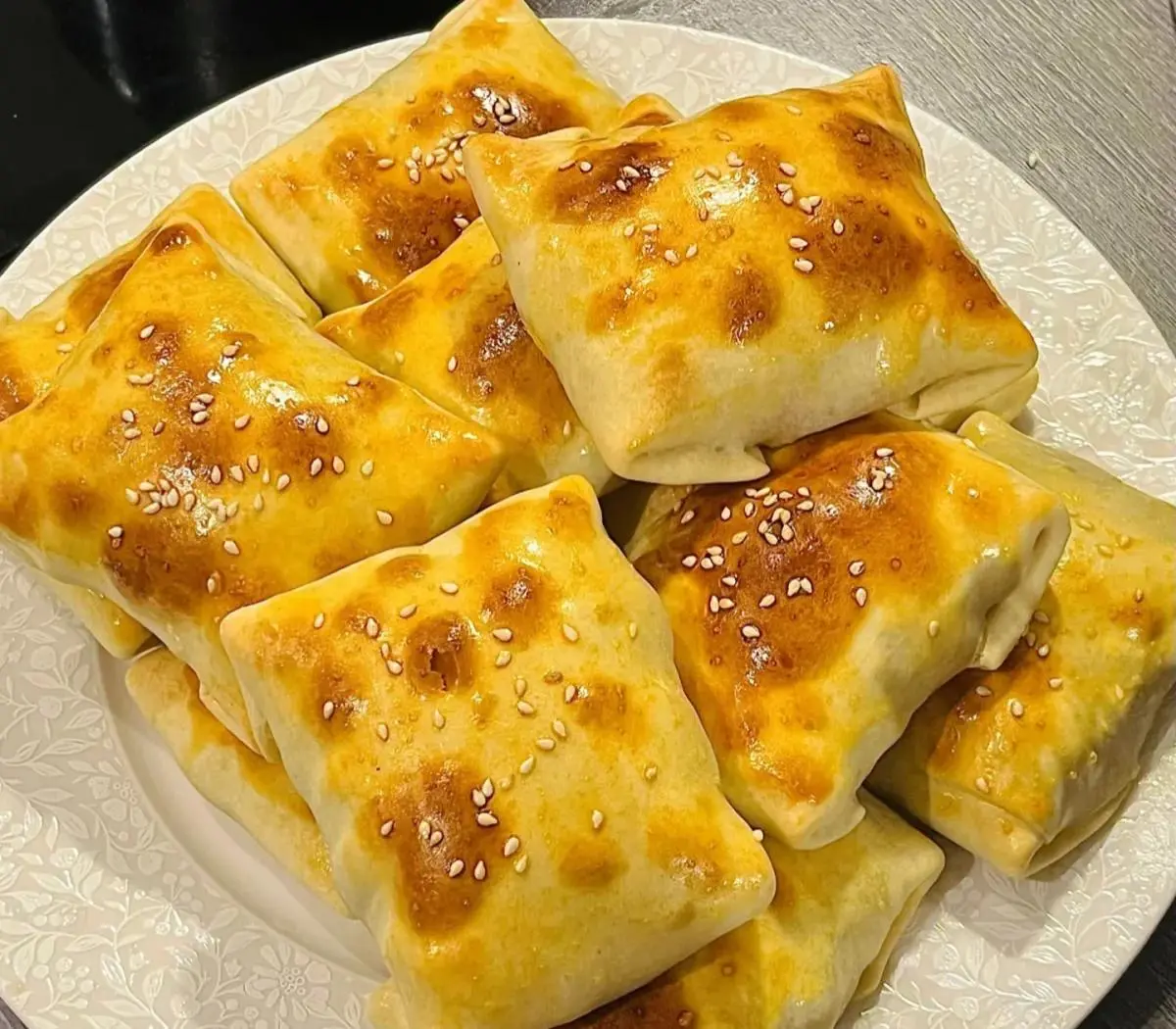
Where do all these spices end up? Watch a samsa oven or a kebab grill for ten minutes and you will see the whole pantry in motion: cumin and chili on the skewers, black pepper and onion inside the samsa, nigella on the bread that arrives with everything. The seasoning logic is laid out in our street kebab guide and the roast whole lamb piece, both worth reading before you shop, because once you know the dishes the shopping list writes itself.
Herbs, fresh and dried
Uyghur cooking uses fewer fresh herbs than Persian food but more than most of northern China. At morning vegetable markets we found bunches of purple-stemmed basil, called rayhan, and field mint at 2 RMB each. Dill turns up in dumpling fillings, celery leaf in soups. The dried herb trade is a separate world: Hotan’s traditional medicine rows sell rose buds, liquorice root, dried snakes and a hundred things I could not identify. The rose buds, 12 RMB per 100 grams, make a tea that smells like Turkish delight and became the single most repurchased item from our haul. Sweet shops blend the same roses into halva, which we cover in the Xinjiang desserts guide.
Where to buy: three cities compared
Kashgar gave us the best combination of range, price and atmosphere. The Sunday bazaar is the event, but the spice shops around the Old City work every day and bargaining is gentler. Hotan’s Sunday market felt the most local of anything we saw in twelve days, with the medicine rows as a bonus, though almost nobody spoke English and everything ran on translation apps and calculator screens. Urumqi’s International Grand Bazaar is the convenient option, prices maybe thirty percent higher, but the stalls are used to travellers, many vacuum-seal purchases for 5 RMB a bag, and it is the sensible last stop before a flight home. Our full Urumqi International Grand Bazaar guide covers layout and haggling in detail.
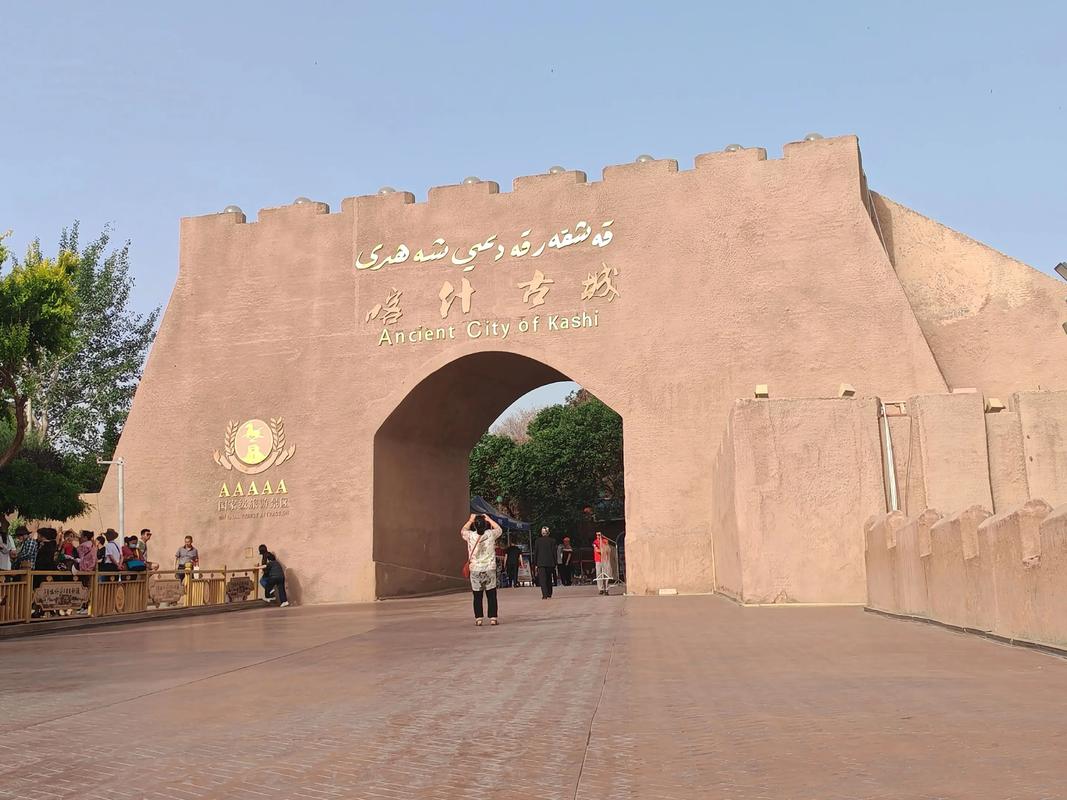
Timing matters more than I expected. Autumn is harvest season, so October stock was new-crop cumin and just-dried chili. Spring stock is last year’s harvest. If spices are a priority, travel between September and November. Stalls open by about 10 am Beijing time and the spice rows wind down by late afternoon, earlier on Fridays in the south.
A half-day spice crawl in Kashgar
If you only have one morning, this is the route we would repeat. Start at 9:30 am with tea and a fresh naan near Id Kah, and taste the nigella on the crust while it is warm. Walk the spice shops on the Old City’s east side from 10 am, smelling cumin at three stalls before buying at any of them. At 11:30 am find a grinding stand and have your cumin and chili milled together into kebab rub. Lunch on polo or laghman, then spend 20 RMB total on rose buds, nigella and safflower as gifts. The whole haul, enough to fill a carry-on corner, cost us under 90 RMB. For overall trip budgeting see the Xinjiang cost breakdown.
FAQ about buying Xinjiang spices
Can I bring Xinjiang spices home in my luggage?
Dried spices for personal use are allowed into the UK, EU, US and Australia in reasonable amounts, but rules differ on seeds that could be planted, and Australia is strict about all plant matter. Declare them, keep receipts, and skip anything that looks like raw agricultural seed. We carried about a kilo through Heathrow with no issue after declaring it.
Is the cheap saffron at the bazaar real?
No. Bags of red threads at 25 RMB are safflower, a tea dye with little flavor. Genuine saffron is sold by the gram in sealed tins and costs many times more. Buy safflower knowingly or not at all.
Should I buy whole or ground spices?
Whole, always. Ground spices at open stalls lose strength fast and are easier to adulterate. Most markets have a grinding stand that will mill your purchase for 1 or 2 RMB.
Which city is best for spice shopping?
Kashgar for range and price, Hotan for the medicine and herb rows, Urumqi for convenience and vacuum sealing before your flight.
Do vendors take foreign cards?
At spice stalls, no. Everything ran on WeChat Pay, Alipay or cash. Small notes work fine, and more payment logistics are covered in our Xinjiang travel FAQ.
Disclaimer: Prices and stall details reflect an October 2025 visit and normal market variation applies. Import rules for food items change and depend on your home country; check your customs authority before travelling. We paid for all purchases ourselves and have no relationship with any vendor mentioned.
About the authors: This article was prepared by Karl and the Xinjiang Attractions editorial team from field notes and receipts supplied by Anika Sharma, who has run a spice import business in Bristol, UK for nine years and visited Xinjiang with her husband Dev in October 2025. Xinjiang Attractions publishes practical, independently researched guides for international travellers to Xinjiang.