Published: July 31, 2026 | Author: Priya Raman, home cook and founder of a small spice subscription club in Singapore
I grew up two streets from Tekka Market in Singapore, where my grandmother taught me to judge cumin by rubbing it between my palms. So when my husband Daniel and I planned twelve days in Xinjiang this past May, I quietly booked an extra 10kg of luggage allowance. Xinjiang tea shopping was half the reason I wanted to go: the region sits on the old caravan routes that moved brick tea west and saffron east, and its bazaars still sell both by the sack. This guide covers what we actually bought, what it cost, where the fakes hide, and what customs let us carry home. Every price below is one we paid or were quoted in person, not something I copied from a brochure.
Quick Reference: Tea and Spice Shopping in Xinjiang
| Item | Fair Price Range (2026) | Best Place to Buy | Watch Out For |
|---|---|---|---|
| Fu brick tea (茯砖茶) | ¥40–90 per 1kg brick | Grand Bazaar, Urumqi; tea shops in Kashgar old town | Bricks without visible “golden flowers” inside |
| Dried rose buds (Hotan) | ¥35–70 per 500g | Kashgar bazaars; Hotan night market area | Dyed or perfumed buds; smell should be soft, not sharp |
| Kunlun snow chrysanthemum | ¥60–300 per 500g by grade | Reputable shops, not street piles | Huge grade inflation; top grade rarely sold loose |
| Cumin (whole) | ¥15–30 per 500g | Any bazaar spice row | Old stock that smells dusty instead of warm |
| “Saffron” | ¥8–15 per gram for real | Licensed medicine shops only | Safflower sold as saffron at 1/20 the price |
| Dried chili flakes | ¥10–20 per 500g | Bazaar spice row | None really; hard to get wrong |
| Licorice root | ¥15–25 per 500g | Bazaar herb stalls | Export rules if buying large amounts |
What the Spice Rows Are Actually Like
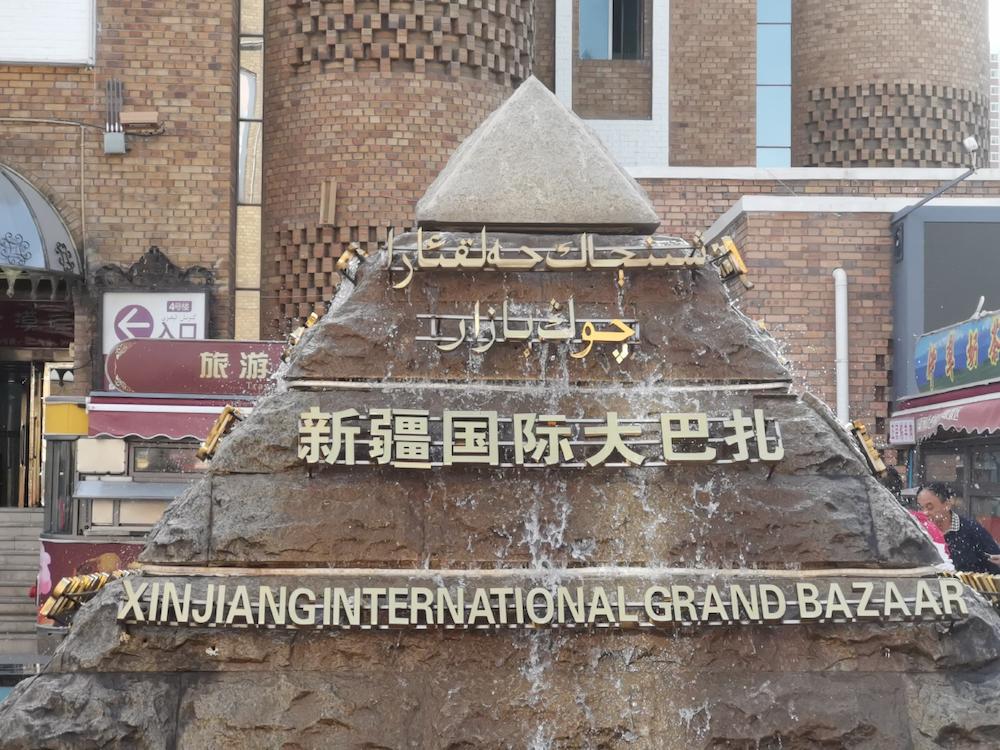
The spice section of the Urumqi International Grand Bazaar is not a quaint little corner. It runs most of the length of one hall: burlap sacks of cumin at knee height, pyramids of chili flakes in four grinds, and stacked paper-wrapped tea bricks that look like roofing tiles. The sellers here are used to domestic tourists buying half a kilo at a time, so when I asked for three kilos of cumin the woman at the third stall laughed, called her son over, and sent him running for fresher stock from their storeroom. That detail mattered. The display cumin had been sitting in open air for who knows how long; the bag he brought back smelled the way cumin should, like warm earth with a citrus edge.
Kashgar felt different. The spice stalls near the old town cater more to local households, which is exactly what you want. We watched a grandmother buy her weekly tea brick, break a corner off in the shop, and sniff it before paying. I copied her move at the next shop and the owner nodded with approval, then split a brick open to show me the tiny yellow specks inside. Those specks, the so-called golden flowers, are a fungus that develops during fermentation and they are the mark of a properly aged Fu brick. A brick with none inside is either too young or badly stored. Ours cost ¥65 for a kilo, and we drank from it every morning for the rest of the trip in our guesthouse kettle.
One warning from someone who nearly got burned: a stall outside the Kashgar livestock market offered me “Iranian saffron” at ¥25 for a big bag. Real saffron costs more per gram than that bag cost in total. It was safflower, which looks vaguely similar dry, colors water orange instead of gold-yellow, and tastes of nothing. If you want real saffron, buy it in a licensed Chinese medicine shop where it sits in a locked glass case and is weighed by the gram. I paid ¥12 per gram for mine and the shop assistant brewed a single thread in hot water to prove it before I bought.
Getting to the Markets
In Urumqi, the metro is honestly the easiest option: Line 1 stops close to the Grand Bazaar, and a taxi from most downtown hotels costs ¥10–15. The bazaar opens around 10:00 Beijing time and the spice hall stays open past 20:00 in summer. Go on a weekday morning if you want sellers with time to talk.
Kashgar is a 2-hour flight from Urumqi or an 18-hour train ride if you enjoy that sort of thing (we flew out, trained back, and I have opinions about both). Within Kashgar, the old town spice shops are walkable from anywhere central, and the Sunday Bazaar is a ¥10 taxi from the old town gate. If you only have one market day in Kashgar, make it a Sunday.
Best Time for Xinjiang Tea Shopping
The markets run year-round, but timing changes what is fresh. Rose harvest around Hotan happens in May and June, so early summer buys you this year’s buds instead of last year’s. Snow chrysanthemum comes down from the Kunlun slopes in August and September. New-crop cumin appears in autumn. Tea bricks are the opposite: age helps them, so there is no bad season. We went in late May and the rose buds we bought were so recent they still felt slightly soft in the middle.
Where We Stayed
In Urumqi we took a chain hotel a ten-minute walk from the Grand Bazaar (¥260 a night) purely so we could drop purchases in the room and go back for more. That turned out to be the right call; we made three trips in one afternoon. In Kashgar we stayed in a courtyard guesthouse in the old town for ¥180 a night, and the owner let me store tea bricks in their cool back room instead of our warm south-facing room. If your shopping list is long, choose lodging by luggage logistics, not by view.
Taste Before You Buy: The Food Connection
Here is my honest advice: eat first, shop second. A plate of laghman tells you what local chili and cumin taste like when they are fresh. A bowl of milk tea at a Uyghur teahouse — brewed from smashed brick tea, salted, with a spoon of cream — tells you whether you actually like Fu brick before you carry three kilos of it across a border. Daniel discovered he preferred the plain brewed brick to the salted milk version, which changed what we bought. For a deeper look at how tea is drunk here, our earlier piece on Xinjiang tea culture covers the etiquette side, and this pantry tour of Xinjiang spices and herbs goes ingredient by ingredient.
Practical Tips We Learned the Slightly Hard Way
- Bring a phone calculator for numbers, not drama. Prices in the spice rows are more honest than in the souvenir halls, but a polite counter-offer of 20–30% below asking is normal. The full playbook is in our bazaar bargaining guide.
- Ask for vacuum sealing. Most larger stalls have a vacuum machine and will seal your spices for free or ¥2 a bag. Sealed bags survive luggage and satisfy nervous customs officers.
- Smell everything, buy from sacks not display trays. Trays sit in the light all day. Sacks stay closed.
- Weigh checks are easy. Stalls use metric scales in plain view. 500g is the standard unit locals order by, called a jin.
- Check your own country’s rules. Singapore let all our dried goods in without fuss. Australia and New Zealand are far stricter; seeds and unprocessed plant material can be confiscated. Declare everything, always.
- Keep receipts for anything expensive. The saffron shop gave me a stamped receipt with the weight and grade written out. That paper matters if a customs officer asks.
A Two-Day Tea and Spice Itinerary
Day 1, Urumqi: Morning at the Grand Bazaar spice hall while stalls are freshly stocked. Lunch at a laghman shop inside the bazaar complex. Afternoon: drop bags at the hotel, return for tea bricks and a second pass on anything you hesitated over. Evening milk tea tasting.
Day 2, Kashgar (Sunday if possible): Sunday Bazaar at opening for rose buds, licorice, and cumin from farm sellers. Midday break with samsa and tea in the old town. Afternoon in the old-town tea shops comparing brick teas — ask them to break a corner. Buy your saffron, if any, from a licensed medicine shop, not a stall. Evening: vacuum-seal everything and do the luggage math. If you are also hunting for gifts beyond the pantry, our souvenir guide covers the non-edible side.
FAQ
Is Xinjiang tea shopping worth it compared to buying online?
For brick tea, yes: you can inspect the interior before paying, and prices are roughly half of what export shops charge. For standard spices like cumin the savings are modest; the quality difference is the real win.
Can I bring tea and spices through Chinese airport security?
Domestic flights: no problem in checked or carry-on. International departure: dried tea and sealed spices are fine to export; fresh plants and large quantities of medicinal herbs like licorice can raise questions. Your destination country’s rules matter more than China’s.
How do I know a tea brick is good without breaking it?
You mostly can’t, which is why shops that split bricks for customers are the ones to trust. Look for a pressed date stamp on the wrapper and buy from shops where locals are also buying.
Is snow chrysanthemum worth the high price?
The top grades are lovely as a caffeine-free brew with a light apple note. But grading is chaotic and tourists get quoted top-grade prices for mid-grade flowers. Unless you can compare several grades side by side, spend modestly.
Do sellers speak English?
Rarely in the spice rows. Numbers on a calculator, pointing, and a translation app cover 95% of transactions. Sellers are patient; this is how they trade with Central Asian buyers too. More on market customs in our piece on bazaar culture.
Disclaimer
Prices and availability reflect our visit in May 2026 and spot checks with sellers in July 2026. Markets change with harvests and seasons; treat all figures as guidance rather than guarantees. Import rules for plant products vary by country and change often — check your own customs authority before flying. We paid for all purchases ourselves and have no relationship with any shop mentioned.
About the Author
Priya Raman runs a small spice subscription club out of Singapore and has sourced ingredients in markets across India, Türkiye, Morocco and western China. She grew up beside Tekka Market and judges every spice row on earth against her grandmother’s standards. This was her first trip to Xinjiang; the second is already booked for rose season.