Published: August 1, 2026 | Author: Elena Marsh, independent travel writer (three summers in Xinjiang since 2017)
If you are weighing up Xinjiang in summer, the first thing to accept is that “summer” here is not one climate but several stacked on top of each other. I have sweated through a 43°C afternoon in the Turpan Basin and pulled on a fleece the same week beside an alpine lake barely two hours away by road. This guide comes from my own July and August trips, cross-checked with drivers and guesthouse owners I have hired more than once, so you can plan around the heat rather than be ambushed by it.
Summer is the region’s harvest window and, in the popular spots, its busiest window too. Done right, it is one of the best times to visit. Done badly, it means a wilted afternoon in a car park below the Flaming Mountains wondering why you came. Here is what I wish someone had spelled out before my first July trip.
Xinjiang in summer at a glance
The single most useful idea for a Xinjiang summer guide is the split between the hot lowland basins and the cool northern highlands. The table below is the rough shape of it, based on readings I logged on my own trips and figures from local weather stations.
| Where | Typical July–Aug daytime | What it is good for | Comfort level |
|---|---|---|---|
| Turpan Basin | 38–45°C | Grapes, Flaming Mountains, karez canals | Tough by midday |
| Kashgar & the south | 32–39°C | Old town, Sunday bazaar, culture | Warm, dry, manageable |
| Urumqi | 28–34°C | Transit hub, museums, food | Comfortable |
| Ili Valley & Nalati | 18–26°C | Grasslands, lavender, horse riding | Pleasant |
| Sayram Lake / Bayanbulak | 12–22°C | Lakes, alpine meadows, stargazing | Cool, bring layers |
| Kanas (far north) | 15–24°C | Forests, lakes, hiking | Cool, busy |
Read that table and a strategy falls out on its own: spend your hottest hours in the highlands and save the low basins for early mornings and evenings. If you want the fuller month-by-month picture across the whole calendar, I put it in a separate season-by-season guide to visiting Xinjiang.
What the heat actually feels like
People fixate on the numbers, but the dry air changes the story. When we visited Turpan in late July, the thermometer read 41°C and yet a shaded grape trellis felt survivable because the humidity was so low that sweat evaporated before it pooled. Step into direct sun and that same air turned into an oven. The lesson I took away is that shade and airflow matter more here than the raw temperature suggests.
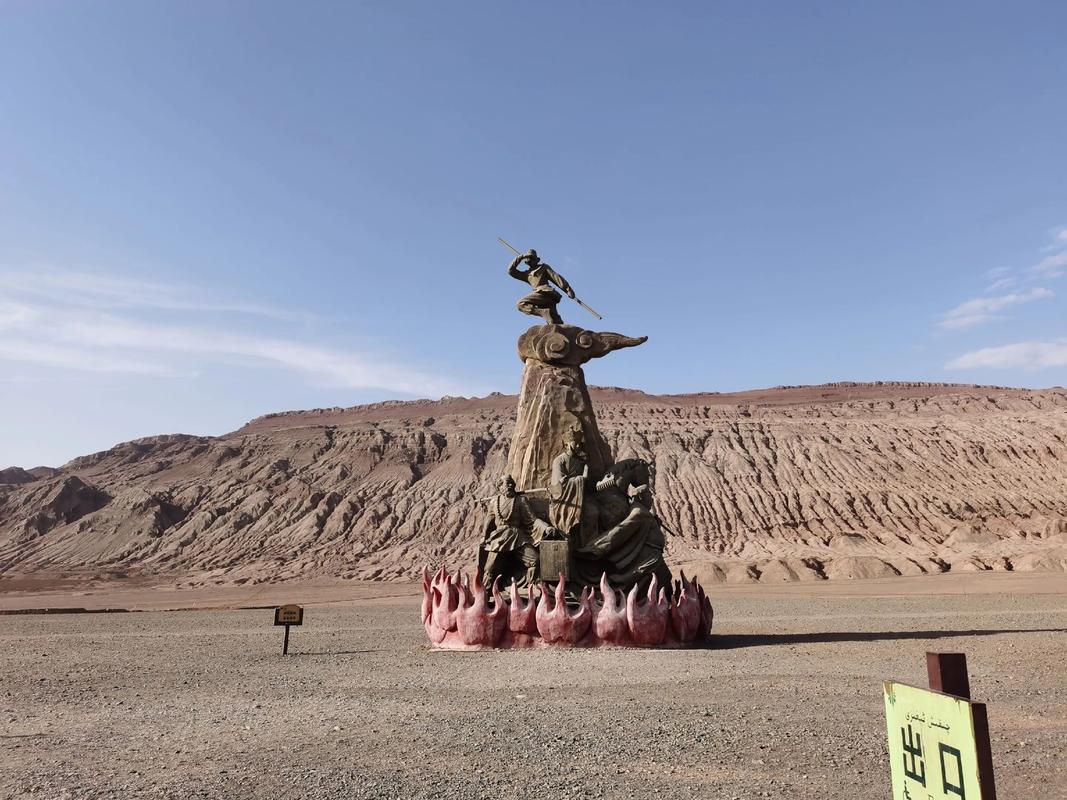
The Flaming Mountains are the classic example. We arrived at 11am on that first trip, which was a mistake I only made once. The rock genuinely radiates heat and there is almost no cover. On my second visit I went at 7:30am, had the ridge in soft light and cool air to myself, and was back at the guesthouse before the tour buses rolled in. If you take one piece of timing advice from this whole page, make it that one.
Getting there and moving around
Most people fly into Urumqi Diwopu International Airport, which has direct routes from Beijing, Shanghai, Chengdu and Xi’an, plus a handful of international connections. From Urumqi the high-speed rail runs southeast to Turpan in about an hour, which is the easiest way to reach the grape country without renting a car.
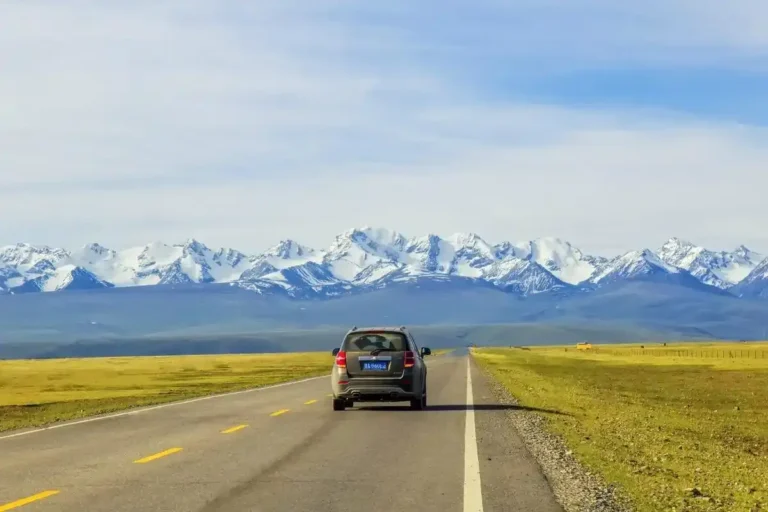
For the Ili Valley, the northern grasslands and the lakes, distances are long and public transport thins out fast. On both my summer trips I hired a car with a local driver through the guesthouse, which cost roughly 600–900 RMB per day including fuel depending on the route. It sounds steep until you realise a single day can cover 300km of empty highway with no reliable buses. Book ahead in July and August, because the good drivers are spoken for during peak season.
Timing your summer trip by month
June is my quiet favourite. The grasslands are at their greenest, the Huocheng lavender fields peak around mid to late June, apricots come in, and the crowds have not yet built. The trade-off is that the highest passes can still hold snow patches and a cold snap is possible.
July and August are the full harvest and the full crowds. Melons and grapes ripen, every guesthouse is booked, and prices climb by a third or more over shoulder season. The heat in the south peaks now. If your dates are locked to school holidays, this is your window, so lean hard on the highland strategy above.
Where to stay to sleep well
Heat ruins sleep, and poor sleep ruins travel. In the lowlands I now only book rooms with reliable air conditioning, and I check recent reviews for the word “AC” rather than trusting the listing photos. In Urumqi and Kashgar this is easy; there is a full range from hostels to business hotels, which I break down in my guide to Xinjiang hotels from budget to luxury.
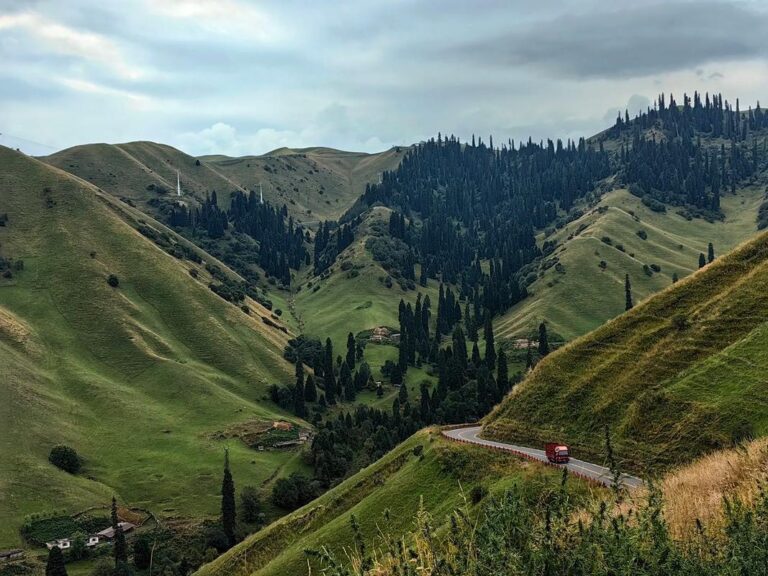
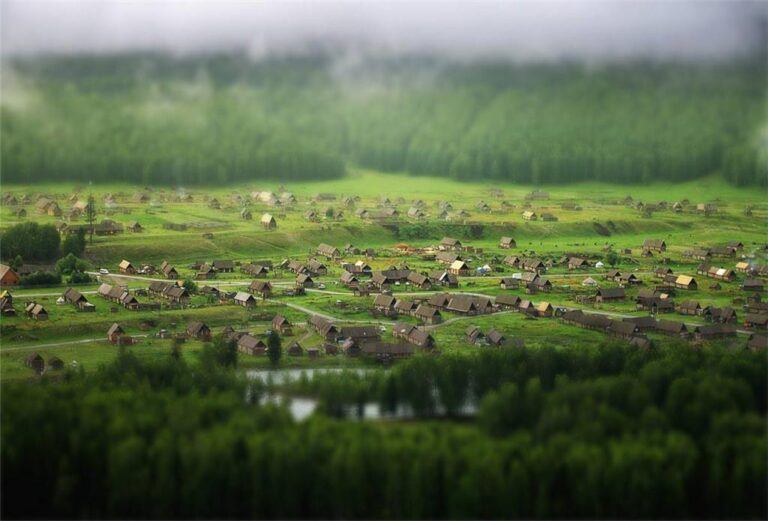
Up in the grasslands the calculation flips. Nights at Nalati or near Sayram Lake can drop below 15°C even in August, so a yurt with a thick quilt is both a genuine highlight and a comfortable night’s sleep. I wrote up what these are actually like in my piece on Xinjiang yurt stays. Just pack a base layer; the marketing photos never show how cold the small hours get.
Eating your way through the harvest
Summer is when the food stops being a meal and becomes the reason to travel. Turpan grapes and the famous Hami melons hit their sugar peak in late July, and I have eaten melon straight off a roadside truck bed for a few RMB a slice that beat anything I could buy at home. Apricots, mulberries, figs and early pomegranates all crowd the markets at once.
Beyond fruit, the staples hold up in the heat better than you might expect. Cold liangpi noodles with vinegar and chilli were my go-to lunch on the hottest days, and a bowl of laghman in an air-conditioned canteen was fine for dinner. One honest warning: rich lamb dishes and 43°C do not mix well at midday, so I saved the big polo and kebab meals for cooler evenings.
How to cope with the heat, practically
- Front-load your day. Be out by 7am, back by 11am, rest through the afternoon, then go out again after 6pm. Locals live by this rhythm and so should you.
- Drink more than feels natural. The dry air hides how much you are losing. I carried a 1.5L bottle and refilled it constantly; a couple of oral rehydration sachets in my bag earned their place.
- Cover up rather than strip off. A long, loose cotton shirt and a wide hat beat sunscreen alone under this sun. Sunglasses are not optional at altitude.
- Respect the altitude flip. A morning at 43°C and an evening at 14°C is normal, so a light fleece rides in your day bag even when you leave in shorts.
- Mind your own limits. If you take regular medication or have a heart condition, read my Xinjiang health and medical preparedness notes before you go.
A workable one-week summer route
This is close to the loop I ran on my second trip, built to keep the hot hours in cool places.
- Day 1: Arrive Urumqi, settle in, eat well, adjust to the time zone.
- Day 2: Rail to Turpan. Karez canals and grape valley in the afternoon shade, Flaming Mountains at first light next day.
- Day 3: Early Flaming Mountains, then back to Urumqi and onward flight or drive toward the Ili Valley.
- Day 4: Nalati Grassland. Horse riding in the morning, a slow afternoon in the meadows.
- Day 5: Sayram Lake. Cool air, a lakeshore walk, a yurt night under clear skies.
- Day 6: Drive back through the Ili Valley, lavender and small towns if the timing is right.
- Day 7: Return to Urumqi, last market run for dried fruit, fly out.
Craving cool weather rather than heat? The same landscapes turn white in the off-season, and I covered that in my guide to Xinjiang winter adventures.
Frequently asked questions
Is summer too hot to enjoy Xinjiang?
Not if you plan around it. The lowland basins are genuinely fierce at midday, but the northern highlands stay mild all season. Split your days between the two and summer becomes one of the best times to be here.
When exactly does the fruit harvest peak?
Apricots and mulberries come in through June, while grapes and Hami melons reach their best from mid-July into late August. Early September still has plenty on the stalls if you can travel late.
Do I need to book everything in advance?
In July and August, yes. Guesthouses in Kanas, Nalati and around Sayram Lake fill up, and the reliable drivers get booked out. I reserve rooms and a car at least two weeks ahead for peak dates.
How bad are the crowds?
At the marquee sites like Kanas and the Flaming Mountains they are real, especially on weekends. Going early in the day and choosing weekdays made the biggest difference for me.
Disclaimer
Prices, temperatures and transport details reflect my own trips and are offered as a planning starting point, not a guarantee. Weather in the mountains changes quickly and figures vary year to year, so confirm current conditions, opening hours and booking availability with local operators before you travel. I have no commercial relationship with any hotel, driver or attraction mentioned here.
About the author: Elena Marsh is an independent travel writer who has spent three separate summers exploring Xinjiang since 2017, from the Turpan Basin to the Ili Valley grasslands. She writes from firsthand travel and interviews with local guides and guesthouse hosts, and focuses on practical, on-the-ground advice for first-time visitors to Central Asia and western China.