Published: August 15, 2026 | Author: Karl Huang
There is a particular kind of evening in southern Xinjiang that does not show up in most itineraries. A courtyard fills with folding chairs, someone tunes a rawap, and within twenty minutes the whole street seems to be clapping along. That is a Meshrep Xinjiang gathering, and after attending three of them on different trips I have come to think of it as the single best window into Uyghur community life that a visitor can get.
I am not an anthropologist. I run a travel site and I write from what I have seen, eaten and been told by the families who invited me in. This guide pulls those notes together so you know what a meshrep is, where you might realistically catch one, and how to be the kind of guest people actually want to see again.
Quick Reference
| What it is | A Uyghur communal gathering built around music, dance, storytelling and shared food |
|---|---|
| UNESCO status | Inscribed on the Representative List of Intangible Cultural Heritage in 2010 |
| Where you’ll see it | Kashgar old town, rural county towns, and seasonal festivals |
| Best chance to attend | Community events in spring and autumn; Navruz in March opens the circle widest |
| Cost | Usually free. You are a guest, not a customer |
| Etiquette | Ask before photos, use the right hand for food, never cut through the dance circle |
What Is Meshrep Xinjiang, Really?
The word covers a range of things. At its core a meshrep is a self-organized community gathering of Uyghur people built around music, dance, oral storytelling, shared food and a loose set of manners that everyone in the room seems to know by heart. In villages it can be a weekly habit. In towns it often attaches to a holiday or a family event.
In 2010 UNESCO inscribed meshrep on the Representative List of the Intangible Cultural Heritage of Humanity. That listing matters because it recognizes the practice as living culture rather than a staged show. The catch for travelers: most meshrep you will hear about are real community events, not ticketed performances. You are invited, not sold a seat.
Every meshrep has a host, called the meshrep bashi, who is chosen by the group rather than appointed. His job is part conductor, part teacher. He opens the gathering, decides whose turn it is to perform, and quietly corrects anyone who breaks the house rules, usually with a joke rather than a scold. In smaller towns the bashi also uses the event to pass on manners to younger people: how to greet an elder, how to hold a bowl, which song belongs to which season. That teaching role is a big part of why UNESCO cared. The gathering is not only entertainment. It is how a community keeps its own standards alive without a classroom.
The Music and the Dance
Meshrep leans on a small set of instruments you will hear at almost every gathering. The dutar is a long-necked two-string lute, plucked rather than strummed. The rawap has a thinner neck and a brighter tone. A frame drum, the dap, keeps the circle dance in step. The dances have names and forms; the most common is sanam, a line or circle dance where the arms do most of the talking. Regional styles differ, and the Dolan meshrep of the Tarim edge keeps older, faster rhythms than the softer town versions.
If the movement interests you more than the food, our guide to Xinjiang folk dance breaks down the steps and where to watch them.
How We Ended Up at One
The first time, we were not looking for it. We had spent the day walking the lanes of Kashgar’s old town and stopped at a teahouse because the wind had picked up. The owner’s nephew mentioned, in a mix of gestures and the few English words he had, that there would be singing at the community center after dark. We went. Nobody checked a list. We sat at the back, accepted a bowl of laghman from a woman who refused to let us refuse, and watched a grandfather lead a circle dance that pulled in a toddler and a teenager and a man in a suit.
What stayed with me was the pacing. Nothing was rushed. A song might run ten minutes. Between turns people just talked. It felt less like an event and more like a long dinner that happened to have a soundtrack.
Getting to Where Meshrep Happens
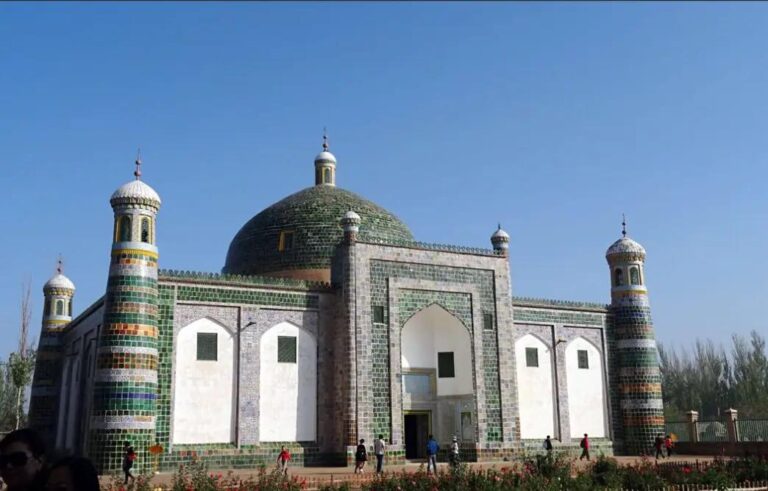
Most travelers will be near one in and around Kashgar, the cultural heart of the south. Our Kashgar city guide covers how to move around the old town and which neighborhoods still hold regular community events. Flying into Kashgar Airport (KHG) is the fastest route; the train from Urumqi now runs the distance overnight if you want the slower, cheaper option.
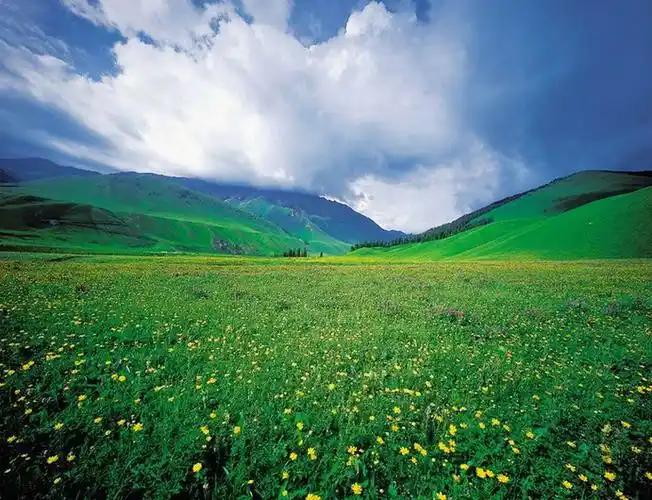
Outside Kashgar, county towns in the Tarim basin and the Ili valley in the north both keep their own meshrep traditions. These are harder to time because they are local, not tourist-facing. If your trip overlaps with Navruz in March, ask at your guesthouse; that holiday is when many communities open the circle widest.
The Best Time to Catch One
There is no fixed season, but two windows are friendlier to visitors. Spring, around Navruz (usually March 21), brings the most public celebrations. Autumn, after the harvest, is when rural communities gather more often in the evenings once the heat drops. Summer works too, though in the south the late start (things often begin after 21:00) suits night owls.
We have written more on the Navruz Festival if you want to plan a trip around that date specifically.
Where to Stay
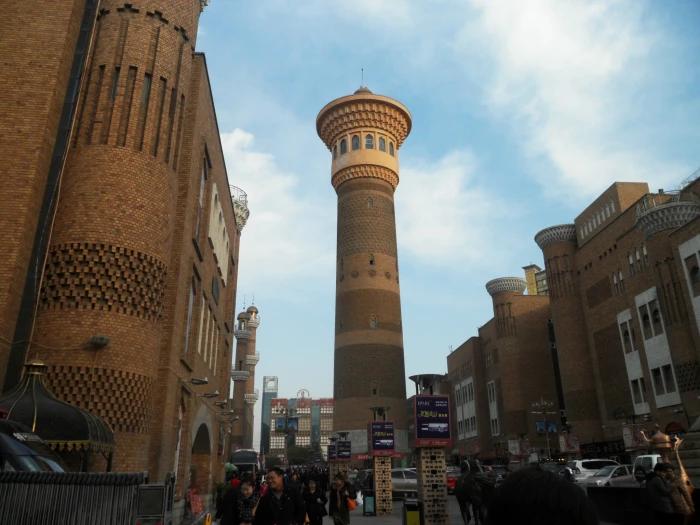
You want to be within walking distance of where things happen, because meshrep rarely starts on a schedule and taxis thin out late. In Kashgar, staying inside or next to the old town saves you the walk home in the dark. We like Uyghur courtyard homestays for exactly this: the hosts often know the week’s gatherings before any website does, and they will tell you plainly whether a given event is open to outsiders.
Book early if you travel in peak weeks. Courtyard houses are small and the good ones fill from Chinese domestic travelers first.
What You’ll Eat
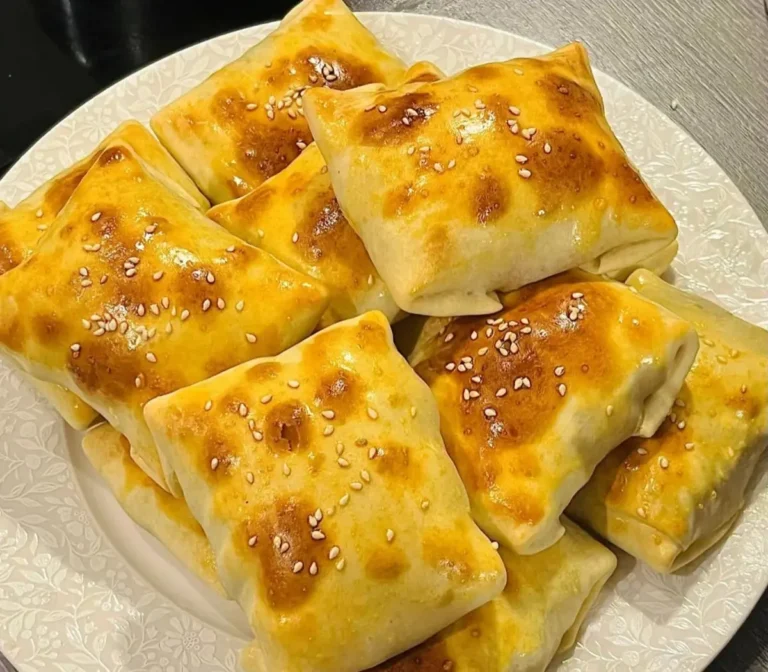
Food is half the point. Expect laghman noodles, polo (rice with carrot and mutton), hunks of nang, and sweet tea. At one gathering a family pressed a still-warm nang bread into my hands the moment I sat down, then refilled my bowl twice. Declining is read as rude; take a little, finish it, smile.
Nothing is priced. If you want to give back, bring fruit from the morning market or help clear bowls at the end. That counts more than money.
A Few Rules of the Room
Meshrep runs on etiquette that locals absorb young. As a guest, a short list keeps you welcome:
- Ask before you photograph anyone. The performance circle is not a stage; people are not performing for you.
- Use your right hand for food and handshakes.
- Don’t walk through the dancing circle. Go around.
- Dress modestly. Shoulders and knees covered reads as respect.
- Keep drinking to tea unless offered otherwise. This is a community event, not a bar.
Our festival participation guide goes deeper on the line between joining and imposing, and it is worth a read before any rural event.
A Sample Evening
Here is how one of ours actually went, so you have a shape to expect:
- 20:30 – Walk to the old town center after dinner; buy pomegranate juice on the way.
- 21:00 – Arrive, sit at the edge, accept tea.
- 21:15 – First rawap solo; a child joins on a frame drum.
- 21:45 – Circle dance forms; we are waved in. Nobody cares that we miss steps.
- 22:30 – Food passed around; we share a plate of polo.
- 23:15 – Things wind down; we thank the host and walk back, full and a little hoarse from singing.
Frequently Asked Questions
Is meshrep a tourist show?
Usually no. It is a community gathering. Some hotels near Kashgar stage music nights that borrow the name, but the real thing is free and unadvertised.
Can women attend?
Yes. At the gatherings we joined, women led several of the songs and ran most of the food service. Solo female travelers are welcome; sit near other women if you feel unsure.
Do I need to speak Uyghur or Chinese?
Not to enjoy it. Music and dance need no translation. A few phrases of thanks go a long way.
How long does it last?
Anything from an hour to past midnight. The rural ones run longer.
Disclaimer
This article is based on the author’s personal visits between 2023 and 2025 and on publicly available UNESCO and regional tourism information. Schedules, access and local customs change, and not every meshrep is open to visitors. Confirm with your accommodation before attending, respect local etiquette, and treat any gathering as a private community event you are kindly allowed to watch, not a performance you paid for. We are not responsible for changes to event timing or for any issues arising from attendance.
About the author
Karl Huang is a travel writer focused on Xinjiang and western China. He has driven the Karakoram Highway, eaten his weight in polo, and attended community gatherings from Kashgar to the Ili valley. He writes for travelers who want the real thing, not the brochure version.