Published: August 25, 2026 | Author: Karl Huang
Most travellers reach Xinjiang for the peaks and the salt lakes, yet the Xinjiang cotton fields are the quiet engine behind almost everything you see from the train window south of the Tian Shan. On a drive between Aksu and Korla in early October 2023, we pulled over near a village outside Aral and watched a mechanical harvester move through a field so white it looked dusted with snow. That stop changed how I read the region, and it is why I now point curious readers toward the Tarim oasis belt instead of only the postcard scenery.
Quick reference: Xinjiang cotton fields at a glance
| Item | What you need to know |
|---|---|
| Where it grows | Tarim Basin oasis belt: Aksu, Korla, Kashgar and Hotan prefectures |
| Harvest season | Late September to early November, weather depending |
| Best viewing | Mid-October, while the open bolls are still white before ginning |
| How to reach | Train to Aksu or Korla; the G3012 expressway threads the belt |
| Village stops | Aral, the Aksu countryside, Shaya and Bachu |
| Photography | Side roads off the G3012; always ask before entering a field |
| Pair it with | Kizil Caves, the Tarim Basin and the desert highway |
What the cotton country actually looks like
The picture most people carry is wrong. Xinjiang does not grow cotton in one giant field; it grows it in thousands of rectangular plots carved out of the desert, each ringed by a windbreak of poplars. From the road the effect is a green-and-white patchwork pressed against yellow sand. We spent a morning near Aksu walking a raised canal bank between two plots, and the contrast was the whole story: date palms and grape trellises on one side, raw dune on the other.
At the Aral stop I watched the harvester for a good twenty minutes. It is a tall blue machine that straddles six rows at once, pulling the open bolls off the plants and packing them into a rounded module that rides on the back like a giant cotton reel. The farmer, who introduced himself as Old Xu and had worked these plots for thirty years, explained that the whole county runs on drip irrigation fed from the Tarim’s branch canals, and that a single household here might manage forty hectares that would have taken a village to farm a generation ago. He laughed when I asked if the white was snow.
The scale is the part you cannot get from a photo. Stand at the edge of one plot and the next looks identical, then the next, then the poplars, then the sand. Sound carries oddly across the flat ground, and in October the air smells of dry plant and diesel and warm earth all at once. If you visit in summer the same land is solid green and a little boring; the drama only arrives with the open boll, and it is gone again within weeks.
Getting to the cotton belt
The belt is long, so decide which end you want. Aksu in the west and Korla in the east are the two anchors, both on the Urumqi–Kashgar rail line and both served by flights. We came in by train to Aksu, which is its own small pleasure: the southern Xinjiang railway runs straight through the desert for hours, and you watch the green strips of oasis appear and vanish like signals. The Aksu station is calm and walkable, and a taxi to the centre costs a few yuan.
From Aksu we rented a car the next morning and followed the G3012 southeast toward Aral, stopping wherever a field looked open. If you would rather not drive, the self-drive guide covers the paperwork and the fuel stops, and a local driver out of Aksu will cost less than you think for a half-day loop. There is also a slower public bus that runs the corridor, but it will not stop for photos, so a car or driver is the only way to actually see the fields rather than just pass them.
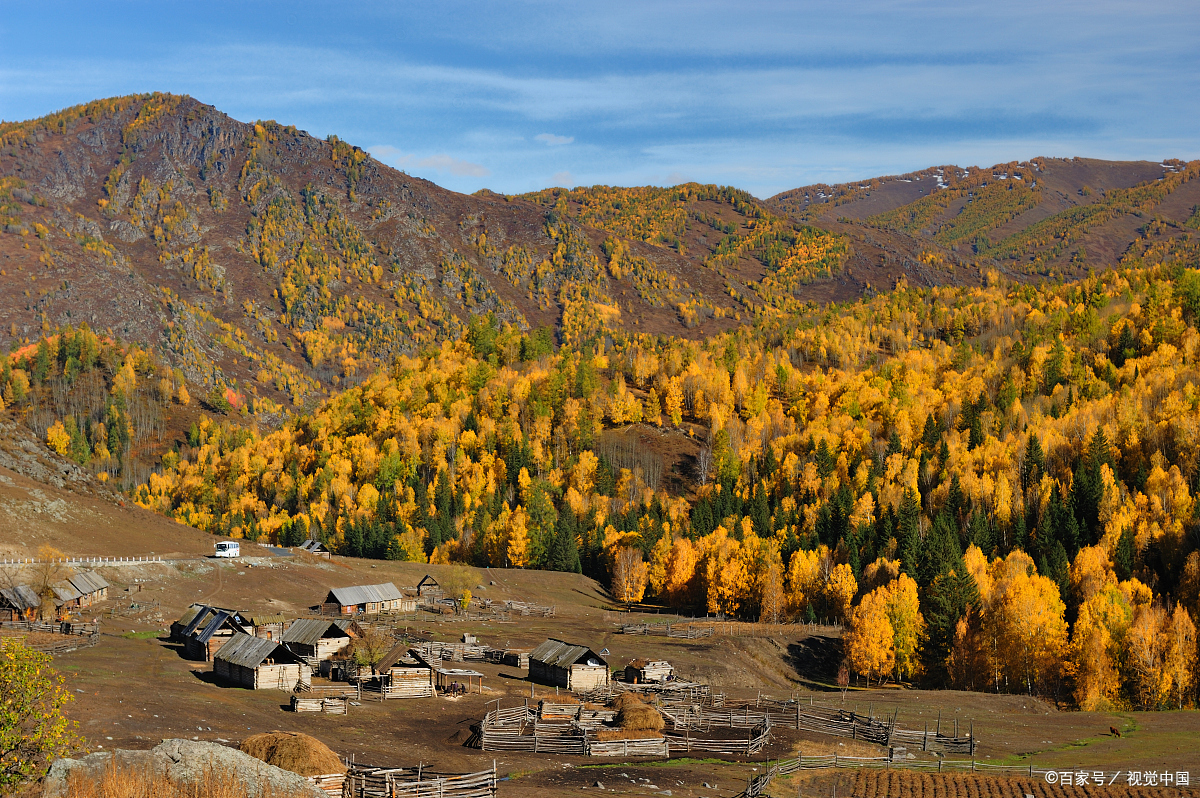
Two practical notes. First, many of the best views sit behind the highway sound barriers, so you need a vehicle you can pull over in safely; the trains are too fast and too high to see much. Second, the desert edge means sudden dust if wind picks up, so keep a window plan and a buff handy, and check the day’s wind forecast before a long loop.
When to go: the harvest window
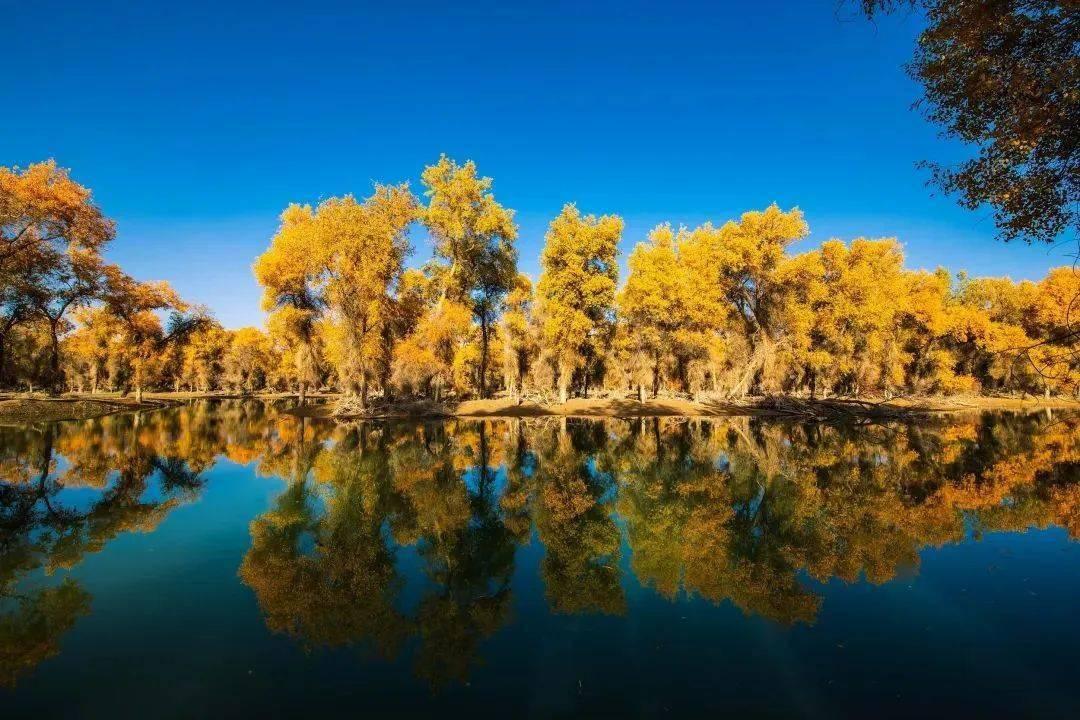
Cotton is a late-season crop. Planting is in April, the plants green up through the hot summer, and the bolls open from September. By mid-October the fields are at their whitest and the harvesters are running, which is the only time the landscape looks like the photos. Go in November and much of the white is already baled and trucked to the gins. Our season-by-season guide lines this up against the poplar gold and the ski season if you are building a longer trip.
Spring and summer are useful for a different reason: you see the land working. April planting means straight rows and a lot of machinery; July is solid green and good for the irrigation curious. But neither month gives you the white. One caveat from experience: a cold snap or early snow can end the harvest in a hurry. In 2023 an October frost in the Korla area pushed harvesting forward by almost a week, and travellers who arrived expecting open fields the following Monday found bare stubble. Build in a buffer and treat the window as soft, not fixed.
Where to sleep
You will not find boutique hotels in the plots themselves, and that is fine. Stay in Aksu or Korla and make the fields a day trip. Aksu has a workable range from clean budget chains near the station to a couple of newer business hotels with proper heating, which matters once the night temperature drops. We stayed in a mid-range place a short walk from the night market and appreciated the radiator more than the breakfast. Aral, the young city built on reclaimed land in the basin, has basic but comfortable options if you want to be closest to the action, and it feels more like a company town than a tourist stop. Book ahead in mid-October; the harvest pulls in agronomists and buyers, and rooms tighten for a week or two.
What to eat along the way
The oasis belt eats well. Around Aksu we ate hand-pulled laghman at a roadside spot where the owner’s son was home from university for the harvest, and the table talk was entirely about yield. Watermelon and muskmelon from the same fields are a constant side dish in autumn, sweet enough to skip dessert, and the Korla pear carries the city’s name for a reason: buy it from a street cart, not a gift box. At the morning market in Aksu we found stacks of naan still warm, trays of samsa baked around mutton, and a vendor selling dried apricots by the kilo who insisted we taste three kinds before buying. Keep expectations modest at village eateries and the food will reward you.
Practical tips before you go
A few things we learned the hard way. Ask before you step into any field; these are working plots with irrigation channels you can twist an ankle in, and some are under research contracts. Carry cash for the smallest village stalls, because card readers fail far from the cities, and keep a little data on a local SIM so maps load in the dead zones. Sun is relentless even in October, so a cap and water are non-negotiable. If you are combining this with the farm country around Hutubi north of Urumqi, plan a rest day between, because the drive is long and the roads are dull, and a tired driver misses the good pull-offs.
A three-day sample itinerary
Day 1. Fly or train into Aksu. Settle, walk the old bazaar, eat laghman, sleep in the city.
Day 2. Rent a car and loop Aksu → Aral → back via the G3012. Stop at two or three open fields, visit the Kizil Caves if time allows, photograph the poplar windbreaks at low sun. Sleep in Aksu or push on to Korla (about three hours).
Day 3. Korla morning market and the pear stalls, then a short hop to the desert edge before your outbound train or flight. If your schedule is tight, compress Day 2 and 3 by basing in Korla and looping west.
If you have five days, add a night in the Tarim Basin town of Luntai and a run down the desert highway; the cotton gives way to pure sand and the contrast closes the loop.
Frequently asked questions
Can I walk into a cotton field? Only with the owner’s permission. These are commercial plots, not parks, and the ground between rows is uneven and sometimes wet.
Is the harvest easy to photograph? Yes, from the road and from canal banks. Drones need to be registered and are restricted near some facilities, so check before you launch.
Do I need a guide? Not strictly. A local driver saves time and gets you to the open plots, but confident self-drivers will manage with offline maps.
Which town should I use as a base? Aksu for the western belt and the Kizil Caves; Korla if you also want the pear country and an easier flight connection. Both work as day-trip hubs.
What about the talk around Xinjiang cotton? We went to see the land and the people who farm it, not to settle a debate. Treat the visit as travel, ask respectful questions, and buy local fruit.
Disclaimer
This article is based on the author’s personal travels in autumn 2023 and on publicly available information at the time of writing. Harvest dates, road conditions and accommodation availability change year to year and can shift with weather. Always confirm current conditions with local operators before you travel, and respect private land and local regulations. Nothing here is agricultural or legal advice.
About the author
Karl Huang is a travel writer who has spent several seasons on the road across Xinjiang, from the Pamir Highway to the Turpan basin. He prefers slow loops, local eateries and early starts, and he writes these guides to help independent travellers see the working side of the region rather than only its highlights. He can be reached through the Xinjiang Attractions editorial desk.