Published: 1 September 2026 | Author: Karl Huang
Most travellers come to Xinjiang for the landscapes — the lakes, the deserts, the snow peaks. I kept coming back for the bazaars, and it was inside those markets that I kept running into the same quiet group of traders: the Uzbeks. China’s Uzbek population is small (around 12,700 people at the last census), yet their mark on the old Silk Road markets of Kashgar, Yining and Urumqi is far bigger than the headcount suggests. If you want to understand how Xinjiang’s oasis cities actually did business with the wider world, the Uzbek merchant is one of the people worth watching.
This piece comes from my own wandering through those markets between 2017 and 2024, plus the patience of shopkeepers who corrected my Uzbek greetings more than once. It is a travel write-up, not a study — I stick to where you can still meet the community, what they trade, and how to be a guest who doesn’t annoy anyone.
At a glance
| Question | Short answer |
|---|---|
| Who | Özbek (Uzbek) Turkic traders; roughly 12,700 in China |
| Where | Yining (Kazanqi), Kashgar Old City, Urumqi bazaars |
| Language | Uzbek, close to Uyghur; many also speak Russian and Mandarin |
| Best time | May–June and September–October; Sundays for the markets |
| Don’t miss | Kashgar Sunday bazaar at 7–8 a.m.; Kazanqi tea houses |
Who the Uzbeks of Xinjiang are
The Özbek, as they call themselves, are a Turkic-speaking people whose homeland sits across the border in today’s Uzbekistan — Samarkand, Bukhara, Khiva, Tashkent, the Ferghana Valley. From the 1700s, and especially after the Russian Empire pushed into Central Asia during the 1800s, families crossed the Tian Shan and the Pamirs to settle in the oasis towns of what is now Xinjiang. They arrived as traders. They spoke, and still speak, Uzbek — a language close enough to Uyghur that the two are often mutually understandable — and many older merchants also picked up Russian and Chinese to run their shops. You can read more about the wider mix in our overview of Xinjiang’s ethnic groups.
What caught me off guard was how practical that multilingualism was. In a Yining fabric shop back in 2019, the owner fielded a supplier call in Uzbek, served a customer in Uyghur, and took my money in Mandarin — all in the same breath. That is the bazaar craft the community is known for.
The story of how they got here is the part most guides skip. The arrivals came in waves tied to Central Asian politics. When the Russian Empire absorbed the khanates of Khiva and Kokand in the 1870s, merchant families who had traded across the Tian Shan for generations simply moved their base north and east, into Kashgar and Yining, where they already had partners. Others arrived as part of the caravan trade that linked Bukhara and Samarkand to the Tarim oases. What set them apart from the Uyghur majority was role, not religion: Uzbeks were town merchants and moneylenders rather than farmers, and they kept their own dialect and a habit of trading across borders. You meet that history not in a museum but in the way a Kashgar stallholder shakes hands — the Central Asian two-handed grip, not the local one.
Where you can actually meet them
The numbers are small and mostly urban. Three stops are worth your time:
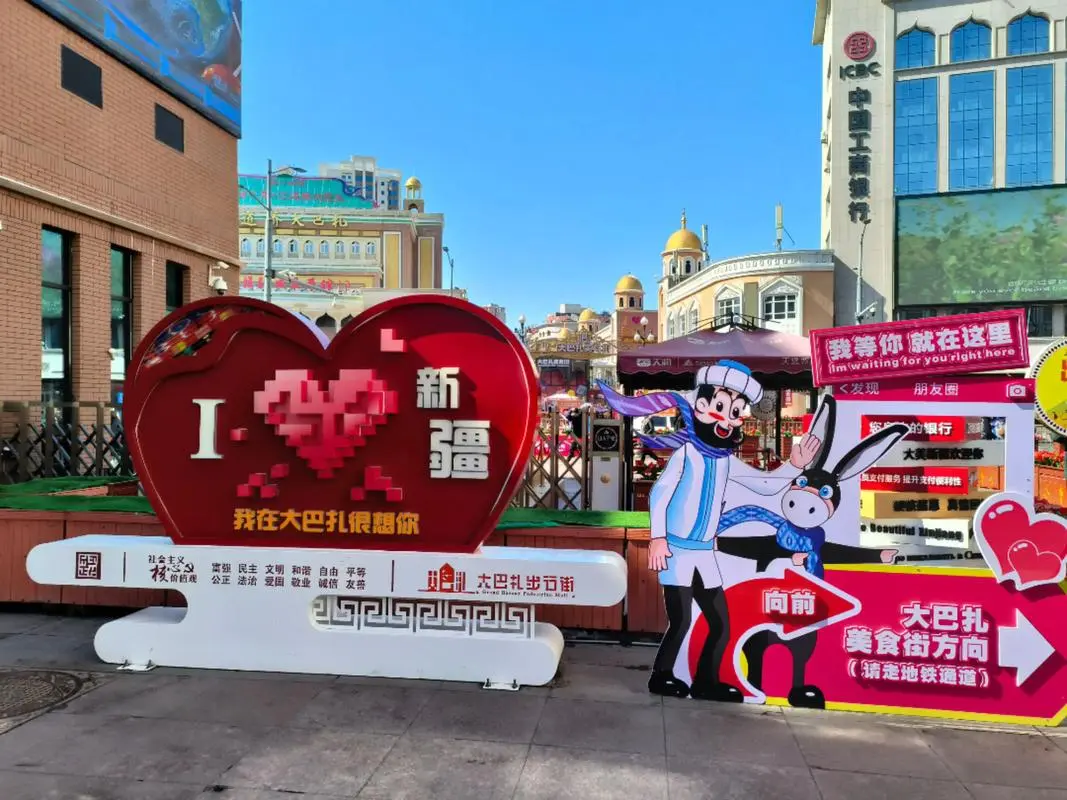
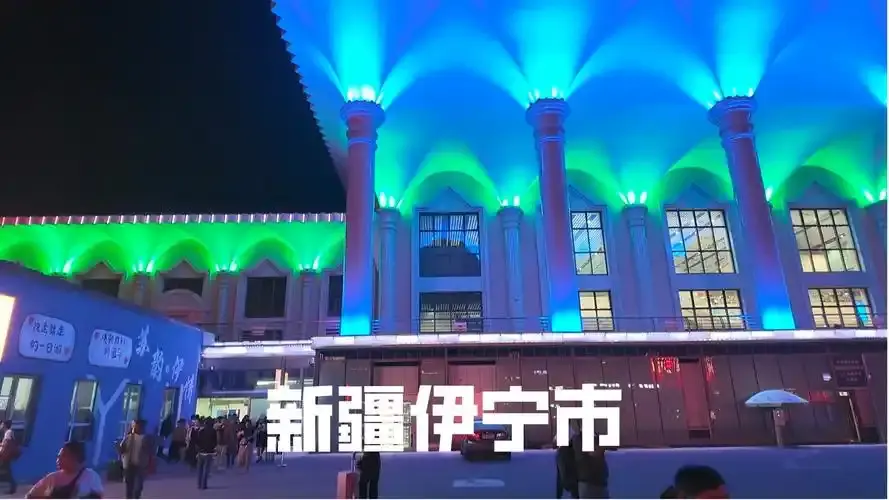
- Yining (Ghulja), Ili Valley. The blue-doored Kazanqi Quarter is famous for its Tatar and Russian heritage, but Uzbek families have lived among them for generations, running tea houses and tailors. The Russian heritage in Yining and Tacheng is tangled up with the same block.
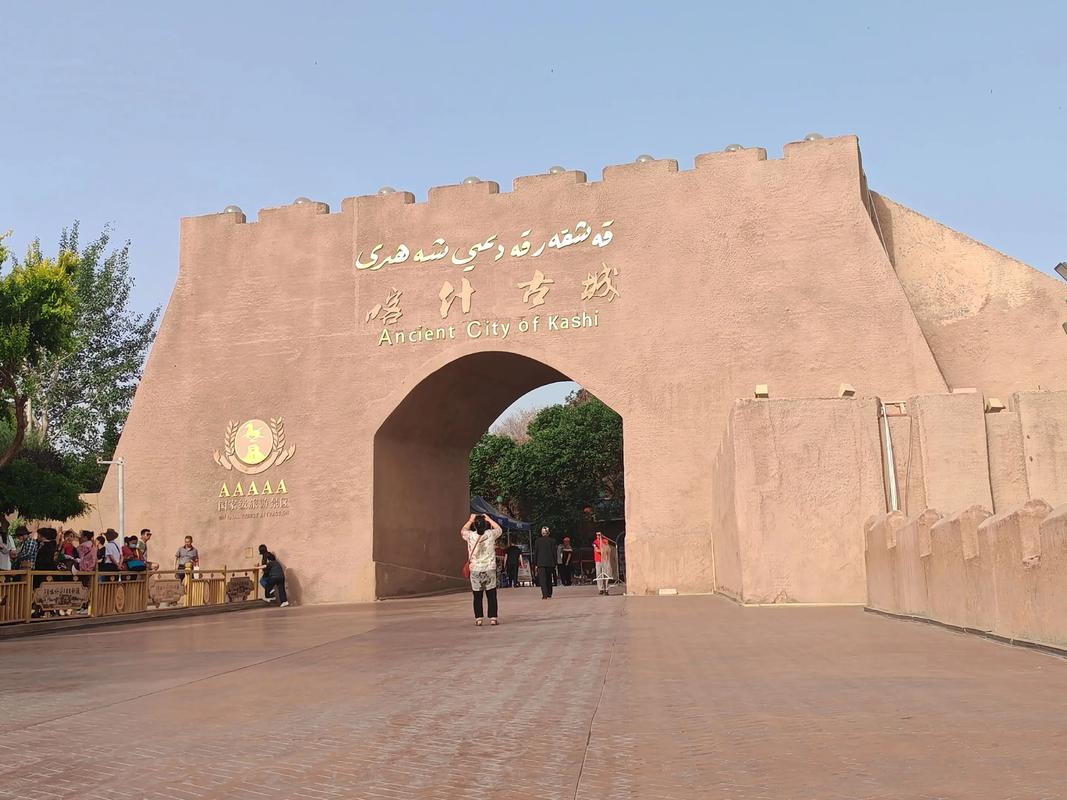
- Kashgar. The historic Sunday bazaar and the lanes of the Old City are where Uzbek traders have worked for decades — dried fruit, carpets, and the old money-changing corners.
- Urumqi. The International Bazaar (Erdaoqiao) area still has Uzbek-run stalls, though the community is more scattered here than in the south.
The craft, the music, the language
The Uzbek language is the easiest thread to pull on. It is a Turkic tongue, written in the Arabic script in Xinjiang, and close enough to Uyghur that the two blur together at the market stall. At home, older families still pray and joke in Uzbek; in the street they shift to whatever the customer speaks. The music carries further than the words. The Shashmaqom cycle — six modes of classical song and dutar lute — is shared with Uzbekistan and Tajikistan, and you will hear snatches of it in Yining tea houses if you sit long enough. The Atlas silk, the abr-band ikat with its deliberately blurred dye lines, is woven by women on narrow looms and turns up as dress and scarf fabric in the bazaar. I bought a length in Kashgar in 2023 and the seller spent twenty minutes explaining why the indigo had run the way it had. That kind of pride in the cloth is the better souvenir.
Getting there
Yining is a short flight from Urumqi (about 50 minutes) or an overnight train; Kashgar is reachable by air or by high-speed rail from Urumqi (a long, comfortable 14–16 hours). Inside each city the bazaars are walkable or a cheap taxi ride from the old-town cores. I usually based myself on foot in the old city — that is where the real encounters happen, not at the airport.
Best time to go
Late spring (May–June) and early autumn (September–October) suit the bazaars best. Markets peak on Sundays — Kashgar’s is the famous one — and the wholesale business is done before noon. I once reached Kashgar’s livestock market at 7 a.m. in October and the Uzbek tea sellers were already lighting coal stoves; that cold, pre-dawn version of the market is the honest one.
Where to stay
In Kashgar, guesthouses inside or beside the Old City put you steps from the action; in Yining, the older Russian-style courtyard hotels near Kazanqi are the obvious choice. Book ahead in October, the autumn travel peak. The family-run places have consistently been more useful to me for actually talking to locals than the big chains.
What they sell and eat
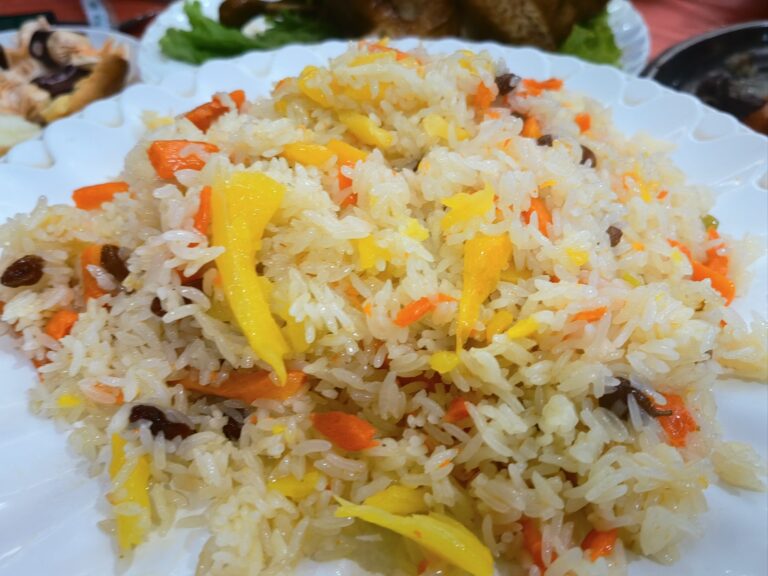
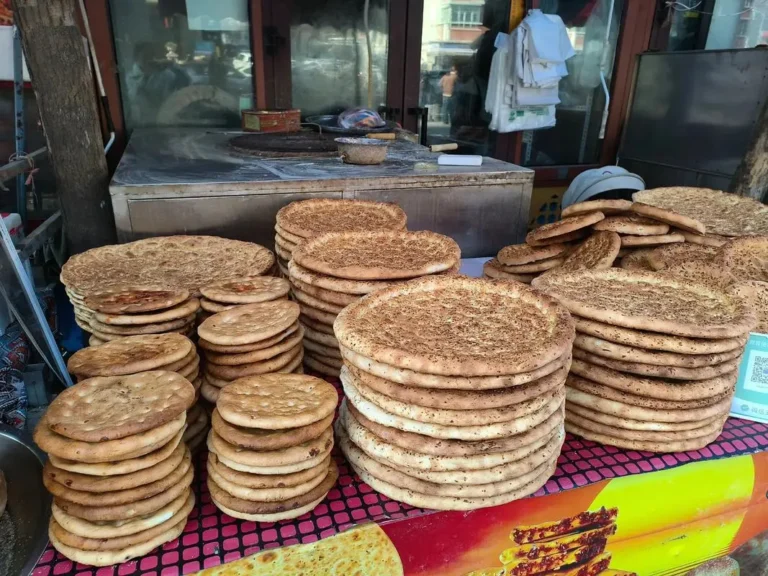
Uzbek goods overlap with the wider Central Asian market: hand-knotted carpets, Atlas ikat silk, dried apricots and raisins, nuts, and silver jewellery. Food is the easy way in — plov (the local 抓饭, rice with carrot and lamb), samsa (baked pastries), and non bread from a tandoor. In 2022 I ate a bowl of plov at a Kazanqi tea house where the owner insisted it was “Bukhara style” — greasier and heavier on chickpeas than the Uyghur version I knew. Our look at bazaar culture in Xinjiang covers the wider market etiquette.
Beyond plov, look for manty (steamed dumplings with pumpkin or lamb), chuchvara (tiny soup dumplings), and halva made with sunflower seeds rather than the sesame version common further east. The tea is its own ritual: black tea brewed strong and poured from a height into a bowl, never a mug, and it is the excuse for every business conversation in the bazaar. I learned to wait for the second bowl before asking a price — the first one is just politeness, and a buyer who skips it gets quoted the tourist number.
Practical tips for visitors
- Learn two phrases: Assalomu alaykum (hello) and Rahmat (thank you). They open doors.
- Bargain kindly. The bazaar is a performance, not a fight; a smile gets a better price than a hard line.
- Ask before photographing people. Many traders love to pose; some don’t, and the camera is where respect shows.
- Carry small cash. Older stallholders often prefer it, and card machines drop out on market days.
A sample half-day in Kashgar’s bazaar
Start at 8 a.m. at the livestock and produce market on the city’s edge, then walk into the Old City as the lanes open. By late morning, circle the craft stalls near Id Kah Mosque, where Uzbek carpet and silk sellers cluster. Eat plov for lunch, drink green tea, and leave by 2 p.m. before the afternoon lull. That rhythm worked for me on three separate trips. For the wider setting, see our Kashgar Old City guide.
How the community lives now
The community today is small and quiet. Younger Uzbeks in Urumqi and Yining go to school in Mandarin and often marry across the Turkic groups, so the hard edges of a separate identity have softened. What stays is the bazaar instinct: the feel for languages, the ease with strangers, the long memory of prices and suppliers. In 2024 I asked a Kashgar carpet seller about his background and he shrugged: “Same as everyone here, just my grandmother spoke Bukhara.” That answer tells you most of what you need. You will not find a “Uzbek quarter” with a sign on the door. You find them by sitting down, drinking tea, and letting the talk wander.
FAQ
Are Xinjiang Uzbeks the same as Uzbeks in Uzbekistan? Same people, split by a border and a century of separate administration. The language is mutually intelligible with Uyghur; the culture blends Central Asian and local Xinjiang habits.
Can you tell them apart from Uyghurs? Not by looking, and most visitors shouldn’t try. The difference is linguistic and familial, not something visible in the street. Treat the bazaar as one shared culture.
Do they speak English? Rarely. Mandarin, Uyghur, Uzbek and sometimes Russian are the working languages. A translation app carries you far.
Disclaimer
I am a travel writer, not an anthropologist or an official source. The population figures and history here come from general public knowledge and my own observations; they may be approximate and are not authoritative. Community sizes shift, and bazaar layouts change with city redevelopment. Confirm opening hours and access locally before you travel, and follow all current regional rules.
About the author
Karl Huang has spent multiple seasons walking Xinjiang’s bazaars and back roads, writing practical guides for foreign visitors. He favours first-hand, on-the-ground detail over brochure copy, and pays his own way.