Published: October 4, 2026 | Author: Karl Huang, Xinjiang travel writer
We have spent four Octobers photographing produce stalls across southern Xinjiang, and the
Kuqa market is the one we keep returning to. Not because it is the prettiest. Because it is the
least arranged for visitors of any market in Aksu Prefecture.
Kuqa market has no fixed gate and no fixed address. The big one sits in the old town beside the
Kuqa Grand Mosque, and it fills on Friday. Guidebooks that call it the Thursday market send people
to the wrong end of the district, or home altogether. We got that wrong ourselves once: we drove out
from Aksu on a Wednesday, found three shutters pulled down and one man unfold a bolt of fabric for
nobody at all. Since then we have stopped trusting the label and started asking the tea house.
What follows is the list of things that actually end up on the rows, the hours when the rows
matter, and how to reach them from the Duku Highway. Where our own notes disagree with an official
source, we say so in plain text rather than quietly picking a winner.
Why the Kuqa market has no fixed address
A bazaar is not a building here. The word simply means marketplace, and in Kuqa the market is a
stretch of street that belongs that morning to whoever drove a load of something in. There is no
turnstile, no opening-hours board, no office with a phone number written on it. The rows form where
people unload, and they unload wherever the road allows it.
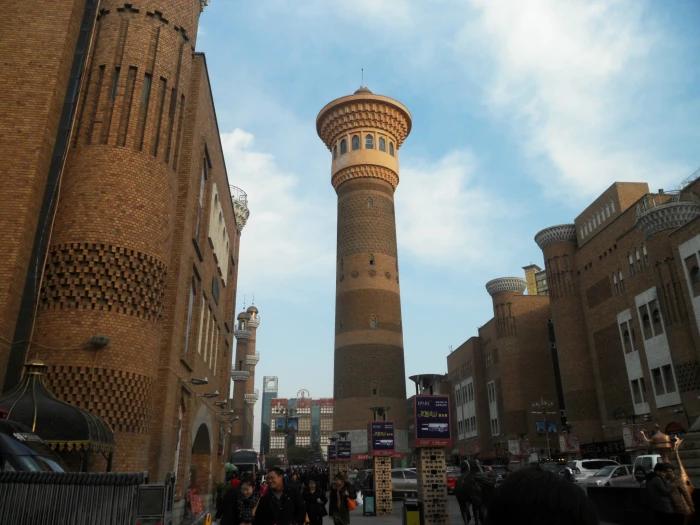
The old town market is centred on the square in front of the Kuqa Grand Mosque at the Tuanjie New
Bridge. From there it spreads west along Reshan Street and into the side lanes of Pahata Bazaar, and
east across the bridge into the Sayingboi historic quarter. On a Friday the crowd carries past the
bridge and down the lanes until the lanes cannot hold it any more.
That is why a map application will not help. We gave up pinning it. Instead we walk to the bridge,
look for the donkeys, and start there.
What the Friday stall rows actually carry
This is the part nobody writes down, so it is the part we spent most of a season on. Prices below
are what we paid in 2025 and 2026, in yuan, and they move with the season and with a bad winter.
The dry goods rows run longest. Raisins, apricot kernels, dried figs, red dates,
walnuts and badam sit in open sacks and keep for a week of sun without complaint. If a crate
survives seven bazaars it gets resold at the next town, which is why the same bag of apricots turns
up in six districts in one week. Expect to pay roughly 30 to 60 a kilo, and expect the seller to
scoop you a handful first without being asked.
The fresh rows are the opposite. Kuqa’s small white apricots arrive around late
May and are gone by July. Figs come in August and will not keep past midday. Tomatoes picked half
ripe on a Monday are fully red by Sunday, which the farmer knows perfectly well and prices
accordingly. Buy the vegetables early or don’t buy them at all late.
Pottery. Kuqa has thrown unglazed brick-red pots for a very long time, and two
families still keep the wheels turning in the old town. A small hand-thrown pot ran us 40 to 150
depending on size. Understand before you buy that it ships badly; we lost one in a taxi trunk.
Wool. Blankets, saddle rugs and looped kilims from the pastoral areas north of
the city. Blankets came in around 300 to 800. These are the only things here where haggling is
genuinely expected, and the only things where the first number is a fiction.
The small manufactured rows. Hand-tied brooms, black soap cut from a mould,
curtains, cut flowers, and osman herb that women buy to darken their eyebrows. It is a two-yuan
trade with a thousand-year habit behind it.
The animals. Donkeys are tethered along the bridge approaches and that is part
of the market. Further out, depending on the week, there is a livestock section where the noise
level changes character entirely.
One corner at the edge of the old-town rows is given over to cockfighting, a Kuqa habit that
traces back to the Han dynasty. It is not staged for visitors. Stand at a distance and do not
congregate around it; people there are not performing for a camera.
Donkeys, carts and the eight o’clock crowd
Three animals carry most of the Kuqa market. The donkey is day transport, family and stall
combined: the man drives, the woman and children and the goods ride, and the trading happens from
the cart because the cart does not move once it stops. The second is the three-wheeled mini truck,
which replaced the donkey on any route longer than a few fields. The third is nothing at all, once
the load is out.
The crowd builds fast. By 08:00 the lanes are shoulder to shoulder and the bridge is a queue. By
11:00 it is worse and much of the selling is done. By 13:00 the market is mostly emptying, the
sellers are loading, and the street belongs to the trades that stay put: the oven men, the tea
house, the men playing cards under the arch.
Getting to the Kuqa market: the Duku road and the airport
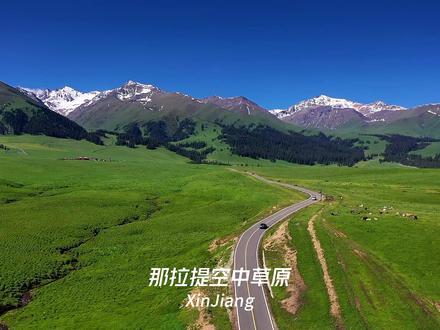
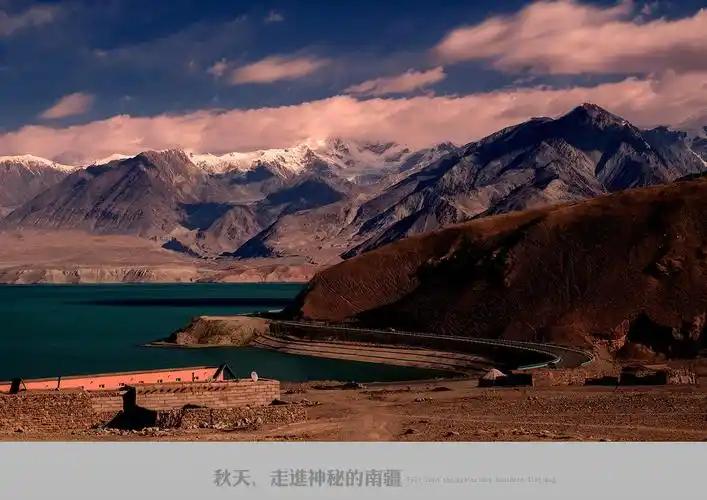
Kuqa is the southern terminus of the Duku Highway, the 560-kilometre mountain road that crosses
the Tianshan from Dushanzi in the north. It is the reason most visitors are in town at all, and it
matters for one hard fact: the highway is closed for a large part of the year, roughly from
November to May depending on the passes. If the road is shut, half the through traffic is gone and
the market is quieter but not cancelled.
Kuqa also has its own airport with flights to Urumqi and a handful of mainland cities, and the
rail station sits north of the old town on the Aksu line. From Aksu it is about three hours south;
from Kashgar roughly six. Taxis into the old town are short and cheap, but the bazaar is a ten-minute
walk from the bridge once you are there, which is the better way in.
If you are driving yourself, park on the bridge approaches rather than trying to reach the
mosque square. We tried the square in a rental once and spent forty minutes negotiating with a
donkey.
Where the market closes, and where the night market stays open
The daytime rows follow the Friday. The evening trade is separate and does not care: the old
town’s year-round night market runs on a different clock entirely, with roughly 176 stalls under
shelters, some of them winterised against the cold. This is the reliable option if your itinerary
misses Friday. It is also, honestly, the better eating.
Eating at the stalls, from the oven backwards
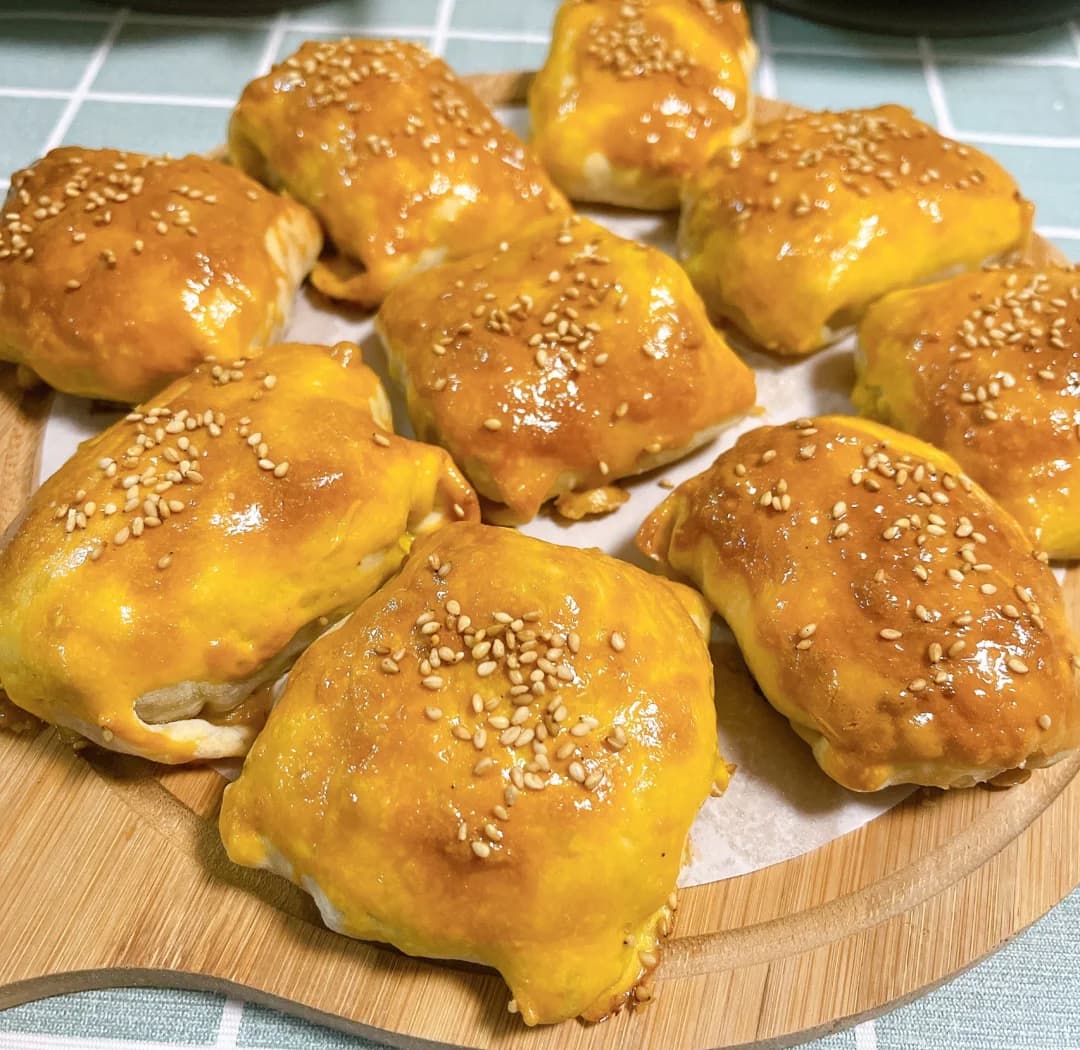
Samsa are the baseline: a pastry wallet of mutton and onion baked until the egg wash goes
sugar-brown, sesame on top, five to eight yuan and large enough to be a meal. From there the night
market adds skewers, 黄面凉皮, 椒麻鸡, 肚包肉, 面肺子, roast corn, roasted sweet potato and
sugar-roasted chestnuts on a iron pan.
Tea is not an optional extra. The tea house at the corner of the rows is where the market’s
information network lives, and a pot of green tea bought there will get you more accurate opening
times than any plaque.
Seven bazaars, seven days
Kuqa runs a rotating calendar, and once you know it you can build a whole trip around it. The
old town rows take Friday. Saturday belongs to Donghetang. Sunday to Yaha. Monday to Yuqiwusitan.
Tuesday to Alahage. Wednesday to Qiman. Thursday to Hanihiatam. Then Friday returns to the old town,
fuller than it was a week ago.
So the market is never absent from the district. Only the old town’s version is weekly, and the
mistake most visitors make is assuming that if Friday fails, the market has failed.
A day at the Kuqa market, hour by hour
07:30. Bridge approaches, empty, one man washing a cart. Go now if you want the rows nearly to
yourself and the light on the brick.
08:30. Full. Dry goods already open, fruit still being unpacked, the tea house firing.
11:00. Peak. This is when the Sayingboi lanes are thickest and the donkey congestion is worst.
13:00. Sellers loading. The street empties from the west end first.
19:00 onward. Night market takes over. Same lanes, different smell.
What visitors get wrong about the Kuqa market
First, the day. It is Friday, not Thursday, and the Thursday bazaar is a township market
eight or so kilometres out.
Second, the photography. Ask before you photograph a person, and put the camera down around
the prayer times. The Grand Mosque is free to approach and the square outside it is public; the
prayer hall itself closes for prayers, andentry without an ID document is not possible.
Third, the prices. Produce and prepared food are fixed. A carpet or a pot is not. If a seller
names a round number on something big, that number is the starting point, not the price.
Frequently asked questions
Is the Kuqa market open to tourists? It is a working market, not an attraction.
Nobody sells tickets, nobody performs, and visitors are simply there. Dress quietly and it works
fine.
Can I visit on a day other than Friday? Yes. Smaller markets run most days in
other townships of the district, and the old town’s night market operates every evening.
How much cash should I bring? Small notes. Two hundred in fifties covers a
morning properly. Mobile transfer works at the bigger stalls and often fails with the dry-goods
sellers, who are frequently older and quicker with a scoop than a phone.
What is the Kuqa market known for beyond fruit? Pottery, wool blankets, hand
tools, and the dry-goods rows that travel from district to district all week.
What we could not confirm
We could not get a straight answer on whether the old town’s bazaar has an official operator, and
we stopped asking. The 176-stall figure for the night market comes from local reporting rather than a
government page. Bazaar day names for the smaller townships came from conversations and local guides
rather than a published timetable, and one may sit a year out of step after a road change.
Disclaimer
Bazaar days, stall opening habits and prices on this page change with the season, the weather and
local conditions. Nothing here is a guarantee of what you will find. Treat the day-of-week calendar
as consultation rather than schedule, check the road status on the Duku Highway before committing to
a Kuqa morning in late autumn, and carry your ID document at all times. Market etiquette around
prayer times and around the livestock and cockfighting corners is courtesy, not policy.
About the author
Karl Huang writes about Xinjiang for visiting travellers, with a focus on southern oasis towns
and the working markets between them. He has walked the Kuqa old-town rows across four seasons and
mistook a Wednesday for a Friday once, which is the reason this page exists.
Related reading: Kuqa: the Qiuci culture ancient city guide,
the full Kuqa itinerary,
how to bargain in a Xinjiang bazaar,
the Kizil Caves, and
the Tianshan red canyon outside the city.
References:
Kuqa, Wikipedia ·
Kizil Caves, Wikipedia ·
Duku Highway, Wikipedia