Published: October 16, 2026 | Author: Helen Marsh, travel writer covering the river communities of the Tarim Basin since 2018
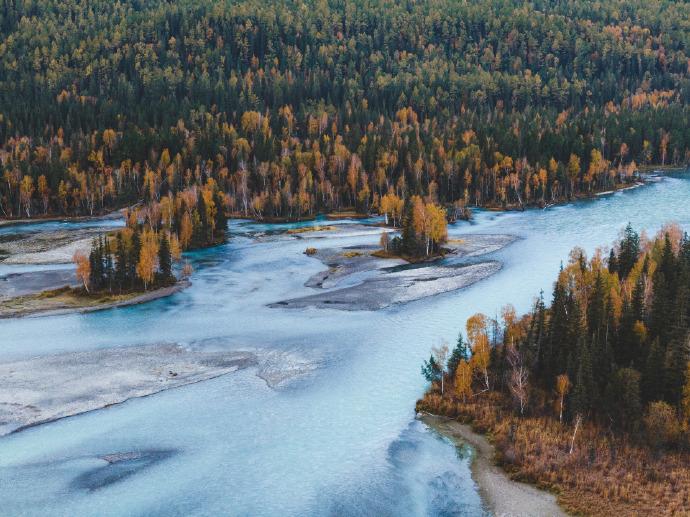
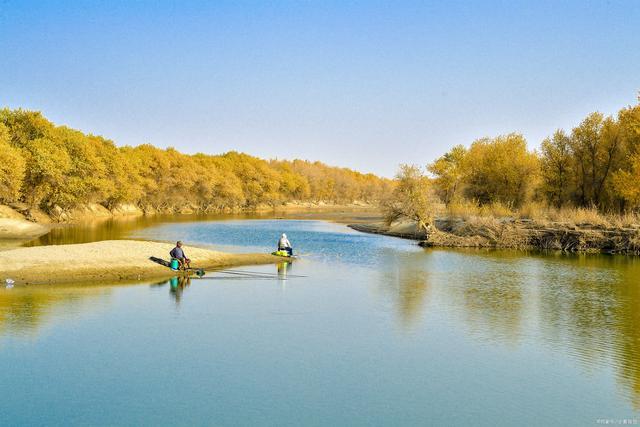
A fair warning before anything else: the Lop Nur village near Korla borrowed its name from a lake it never touched. The dried lakebed that made Lop Nur famous lies a long way east of here, behind checkpoints and salt crust. What waits in Yuli County instead is something gentler and, in my view, more worth a half day: a riverside settlement where the last fishing people of the Tarim keep their reed boats, their grilled fish and their songs. Locals call it Luoburen Cunzhai, the Lop People’s Village. The ticket booth says scenic area. Neither phrase quite prepares you for the sight of golden poplars standing in still water with dunes rising behind them.
I have travelled the lower Tarim three times since 2018, most recently in October 2025, and I have spent evenings in Yuli talking with families who trace their line to the old river Lop. This guide comes out of those trips plus the details I wish someone had handed me the first time: what the entrance really costs, why the sightseeing bus matters, and which hours belong to the dunes. Treat it as field notes from a repeat visitor rather than a brochure.
The village in numbers
| Detail | What to expect |
|---|---|
| Location | Duankuotan township, Yuli County, Bayingolin Mongol Autonomous Prefecture |
| Distance from Korla | About 85 km, roughly 1.5 hours by road on the G218 |
| Status | National 4A scenic area (2010), national scenic area (2012), national desert park (2014) |
| Entrance | 35 yuan; sightseeing bus 15 yuan; online combos around 45 to 50 yuan |
| Time needed | Three to five unhurried hours |
| Best months | Late September to early November for the poplars |
Who the Lop people are
Before the twentieth century rearranged the river, the Lop lived almost entirely on water. Chinese and Swedish accounts from the early 1900s describe households that sowed no grain and herded no flocks, people who ate what they caught from canoes built of poplar trunks and bundled reeds. Their boats, called kaban, were light enough for one man to carry over a sandbank. They kept a dialect of their own, close to Uyghur but older in places, and they named their fishing grounds the way farmers elsewhere name fields.
Disease did what distance had protected against. Smallpox swept the lower Tarim more than once, and by the middle of the last century the community had shrunk to a few hundred families, most of them resettled around Yuli and along the Konqi River. The village site gathers what survived of that world. A handful of genuine Lop descendants still appear here, some of them famously long-lived elders who sit for photographs near Abdan Square. If you want the wider picture of who lives where in this region, our overview of Xinjiang ethnic groups puts the Lop in context, and our guide to the dried Lop Nur lakebed explains why the real lake stays off limits.
Inside the site: poplars, water and sand
The layout is simple, which is part of the charm. The site sits where a slow arm of the Tarim meets the northern lip of the Taklamakan, and that meeting is the whole show. You enter through Abdan Square, a plaza of mud-brick facades where performers stage Lop songs at 11:30 and 16:00 most days. Behind it a folk exhibition hall rebuilds the old river life: a smoke-blackened hut, fish drying on racks, a kaban hanging from the roof beams. Give the hall twenty minutes and the river path two hours.
The boardwalk follows the water under poplars old enough to have opinions about the weather. Some trunks have been dead for decades and still stand, silvered and branchless, which photographers chase all autumn. Past the trees the ground turns to sand without much warning. East Sand Mountain is the busy corner, with camels in red saddles, a desert-driving track, and a ridge that earns its keep at sunset. Between the two, Goddess Lake sits in a bowl of reeds and reflects everything twice.

An afternoon among the reed boats
Our own afternoon followed the standard script and still managed to surprise us. We reached the gate at 10:40, beat the tour buses to the exhibition hall, and were on the river boardwalk by 11:20 for the first performance. A boatman poles a log canoe along the First Bend of the Tarim for a small fee; we took the fifteen-minute float, and I would trade an hour of any bazaar for that quiet slide past the poplars.
The camels came after lunch. My husband bargained the handler down from 120 to 100 yuan, then spent the whole ride laughing at how seriously our animal took its job. From the dune crest the village shrinks to a green thread between two deserts of a sort, the true sand sea on one side and the irrigated farmland on the other. We stayed for sunset, which turns the ridge the colour of weak tea, and walked to the bus stop with our shoes in our hands. One honest note: the longevity stories around the village elders are part culture, part marketing. Enjoy them, but do not plan a research trip around them.
The road from Korla
Self-drive is the easiest option. From Korla the G218 runs south through irrigated farmland, and the drive takes about ninety minutes for the 85 km. Parking at the visitor centre is free, but the site caps private cars at 100 a day, so arriving near opening time matters on weekends. Without a car, take the frequent bus from Korla to Yuli county town for around 20 yuan, then a taxi or shared minibus for the last stretch, roughly 45 yuan by cab. In high season a tourist shuttle runs from Korla direct, about 50 yuan each way with a fixed late-afternoon return. There is no rail link, and our wider Yuli County guide maps the alternatives if you are pushing on into the poplar forests.
Choosing your month
The poplars turn anywhere from mid-October to early November, and that fortnight is the one to fight for. Late September gives you warm sand and green-gold trees; by mid-November most of the leaves are down. Summer works if you go early and hide from the midday heat, which is brutal. Winter shortens the opening hours and freezes the shallows into a strange white sculpture garden, and we found the site almost empty in January, which has its own appeal. Spring is windy, and sand in your camera bag is a real cost. The season calendar matches the one we describe in our guide to the Tarim poplar forests at Luntai, four hours west.
Beds in Yuli and Korla
Sleep inside the site if you want the early light: a small set of wooden cabins near the poplars takes overnight guests and hands the sunrise over to you alone. Yuli county town, thirty-odd minutes back up the road, has clean mid-range hotels for a fraction of Korla prices. For the fullest choice of chains and food streets, most people base themselves in Korla and commute out; our Korla travel guide covers the neighbourhoods worth staying in.
Fish, pilaf and river food
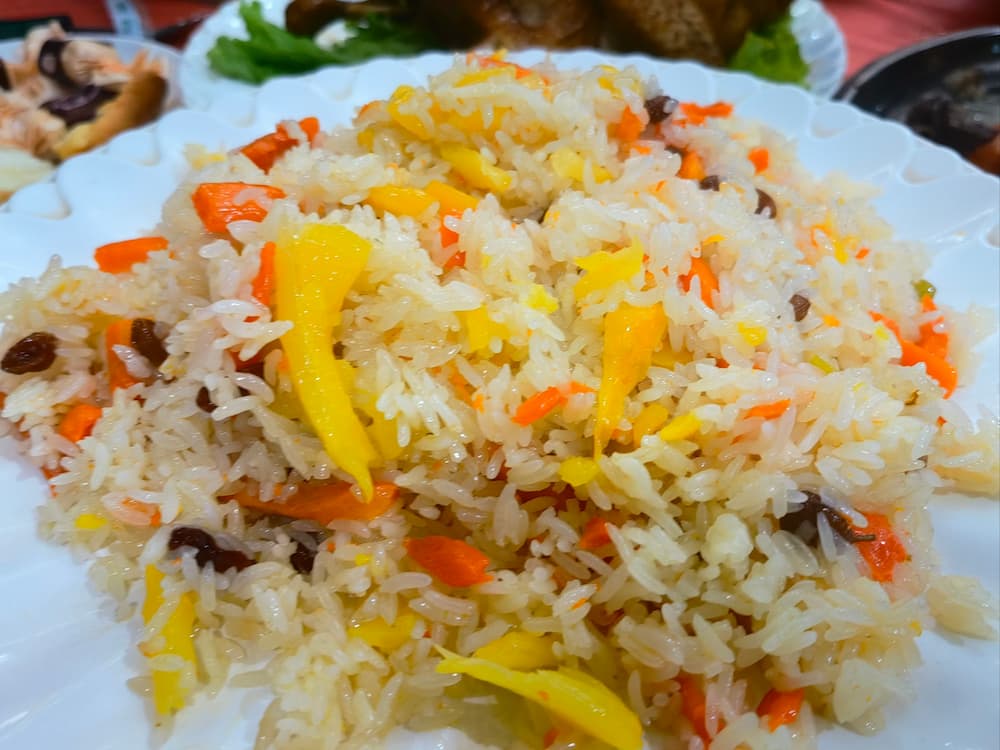
The dish to order is the Lop grilled fish. A whole Tarim fish is split, salted and pinned upright around a red-willow fire until the skin crackles; at the square stalls it runs 80 to 100 yuan and feeds three or four people. Red-willow lamb skewers cost about 10 yuan each, and the kumach, a lamb-filled bread baked in the sand’s heat, lands between 30 and 40 yuan. Baked buns from the tandoor go for 5 yuan, and a cup of apocynum tea, the local bitter brew every elder swears by, is 10. The same grilled fish costs about half in Yuli town. In the village itself the practical lunch is a plate of polo, the carrot and raisin pilaf that fills you up without slowing the afternoon.
Notes from the gate
- Buy the entrance and sightseeing-bus combo online for around 45 to 50 yuan and skip the ticket queue.
- The bus ticket stays valid for 48 hours across a dozen stops, so you can split the visit over two mornings.
- Performances run at 11:30 and 16:00; the afternoon show is emptier.
- Camel rides run about 100 yuan and the desert UTV circuit 100 to 160 yuan, both cash-free at the desk.
- Bring sun protection and more water than feels reasonable, even in October.
- Last entry lands about an hour before closing, and closing time moves with the seasons.
- Signal is fine at the square but thin out on the dunes; screenshot your return transport plan.
A half day at the Lop Nur village
Here is the rhythm that worked for us. Leave Korla at 9:00 and park by 10:30. Take the sightseeing bus straight to the exhibition hall, then walk back along the river boardwalk in time for the 11:30 performance. Grilled fish for lunch at the square, then the fifteen-minute canoe float while the light is still high. Ride the bus to Goddess Lake, and from 16:30 give East Sand Mountain your full attention: camels first, then the ridge for sunset around 19:30 in October. You can be back in Korla for a late dinner, which beats driving the dark road in a hurry.
What visitors ask most
Is the village a real village? Parts of it are a rebuilt display, and the exhibition hall is a museum. But the descendants who appear at the square and in the workshops are real, and their family stories are the reason the place exists.
How long should I plan for? Three to five hours covers everything except the desert sunset, which is worth the extra hour if you have a driver.
Can I reach the real Lop Nur from here? No. The dried lake lies far to the east and sits inside restricted zones. The village interprets its memory rather than its shoreline.
Is it good with children? Very. The camels, the sand and the short walking distances suit young travellers better than most long drives in the region.
Do I need to book ahead? Not for entry. Combos online save a few yuan and one queue. Only the private-car cap forces you to plan timing.
Straight talk before you go
Ticket prices, shuttle timetables and performance schedules here were accurate as of October 2026 against current listings, but they shift with the seasons and with policy. Nothing in this guide is an invitation to enter restricted desert zones, and the canoe and camel operations close in bad weather. Confirm details at the visitor centre on the day. We hold no relationship with the site operator.
The writer behind this guide
Helen Marsh is a travel writer who has worked along the Tarim Basin’s river towns since 2018, with a focus on fishing and oasis communities and on the practical logistics of the G218 corridor. She writes from repeat field visits and pays her own way.