Published: 22 June 2026 | Rewritten and fact-checked: 26 August 2026 | Author: Karl Huang
I have paid for roughly seventy nights of accommodation in Xinjiang since 2023: chain hotels in Urumqi, a courtyard room in Kashgar with a rooftop I used as an office, felt yurts on two grasslands, and one timber house in the north where the shower was a bucket and the view was worth it. This Xinjiang accommodation guide is the page I wish someone had handed me before the first trip. It is not a hotel list. It is an orientation page: what a bed actually costs in 2026, what the rules say about foreign guests, and which of our longer guides to read once you know what kind of night you are booking.
Everything below comes from bookings I made and paid for, quotes I asked operators for directly, or published Chinese government documents that I link to and quote. Where I am unsure, I say so.
What a bed in Xinjiang costs in 2026
Prices below are what I saw and paid across 2025 and the first half of 2026, in yuan per room per night unless marked otherwise. Grassland stays are usually quoted per person because you are renting a spot on a shared platform, not a room.
| Kind of bed | Typical price | Where you find it | How far ahead to book |
|---|---|---|---|
| Hostel dorm bed | ¥50–120 pp | Urumqi, Kashgar, Yining | A few days |
| Domestic chain hotel (Hanting, Jinjiang, Atour) | ¥200–450 | Every prefecture seat | 1–2 weeks |
| International-brand hotel | ¥550–1,300 | Urumqi, Kashgar, Korla | 2–4 weeks |
| Old-town courtyard guesthouse | ¥200–500 | Kashgar, Yining, Turpan | 3–6 weeks in summer |
| Village timber guesthouse | ¥300–900, peak to ¥1,300 | Hemu, Baihaba, Kanas Village | 3–8 weeks |
| Grassland yurt or herder homestay | ¥80–250 pp | Nalati, Bayanbulak, Karakul | Often on arrival |
| Hotel inside a scenic-area gate | ¥400–900, peak to ¥1,500 | Kanas, Tianchi, Tashkurgan | 4–8 weeks |
Decide what kind of night you want before you compare prices
The mistake I made on my first trip was treating accommodation as a cost line. In Xinjiang it is closer to an itinerary decision. A yurt on the Bayanbulak plateau and a business hotel in Korla are two hours apart on the map and belong to different trips. So pick the experience first, then the price.
Broadly there are six categories, and we have written a full guide for each one: city hotels from budget to luxury, old-town courtyard guesthouses, staying with a Uyghur family, yurt stays on the grassland, a Kazakh herding homestead, and scenic-area lodges, which I cover further down this page because they are mostly a maths problem.
The refusal problem, and what the rules now say
Foreign visitors to Xinjiang hear the same story: a hotel takes the booking online, then turns you away at the desk saying it has no licence to receive foreign guests. It happened to me once, in a county town in 2023, at eleven at night.
The written position is clearer than the practice. The Barkol Kazakh Autonomous County public security bureau published its 2025 inspection standards for hotels, and the wording is worth quoting because it is a Xinjiang document, not a national platitude: hotels must complete real-name registration for foreign nationals and travellers from Hong Kong, Macao and Taiwan holding valid documents, and may not refuse check-in for any reason including “we do not have foreign-guest reception qualification”, with exceptions only for hotels inside military control zones and other cases specified by the state or the autonomous region. The same document says a guest who has produced a valid ID may not be forced into face-scan verification as a condition of check-in.
Registration itself is a legal requirement, not an obstacle. Article 39 of the Exit and Entry Administration Law requires hotels to register foreign guests and report the details to the local police. If you sleep anywhere that is not a hotel, including a friend’s flat or an unlicensed homestay, you or your host must register at the local police station within 24 hours.
In practice I now book chains in county towns and keep the guesthouse experiments for places that clearly advertise foreign guests. Our separate guide on which hotels take foreign guests lists what we found city by city, including the two places that turned us away.
Cities: where the reliable rooms are
Urumqi has the deepest supply and the least character. I stay near the south end of the metro line when I have an early flight, and closer to the bazaar when I do not. Kashgar is the opposite: the interesting rooms are inside the old city walls, the reliable ones are outside. Yining surprised me most. The Kazanqi quarter has blue-painted courtyard houses renting rooms at hotel prices, and in June nobody had booked them out.
Korla, Turpan, Hami and Altay City all have decent mid-range chains and almost no reason to pay more. If you are building a first itinerary, the Urumqi itinerary and the Kashgar old city guide will tell you which districts are worth the extra hundred yuan.
Northern villages: timber houses and heated beds
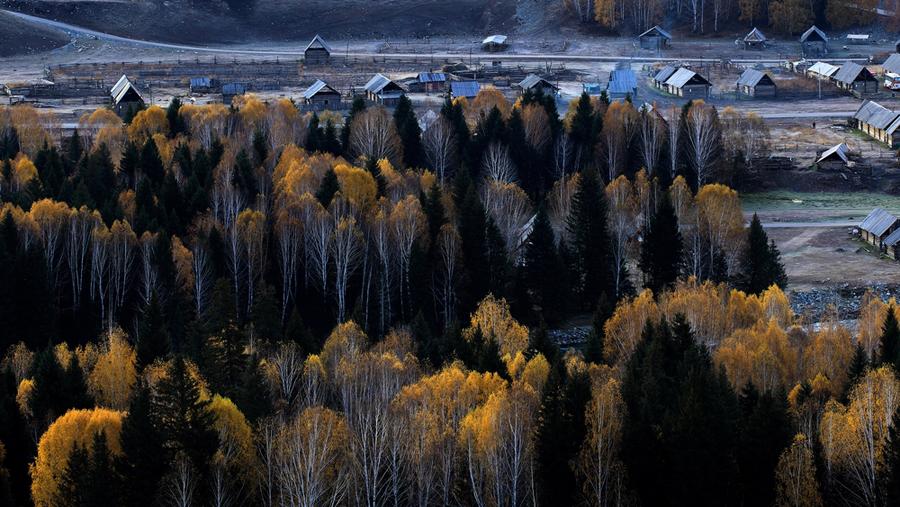
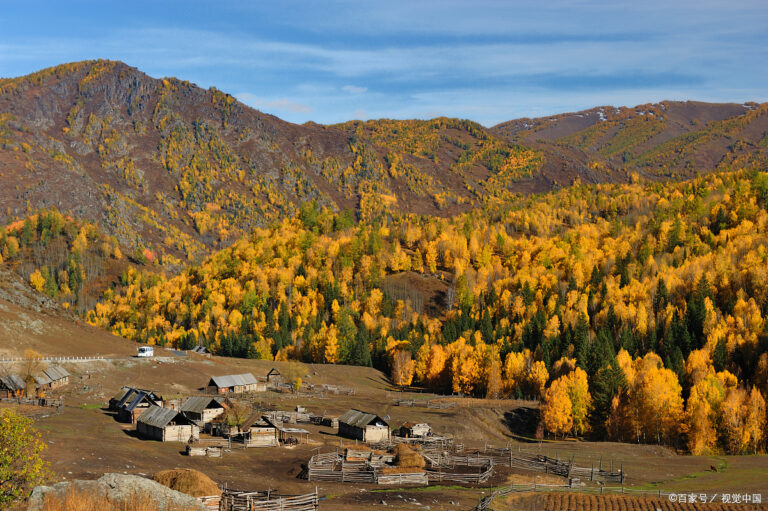
North of Burqin the accommodation stops being hotels and becomes villages. Hemu, Baihaba and Kanas Village are all built from timber, all family-run, and all sell out. Rooms here are graded by heating and plumbing rather than stars: a “new village” cabin with floor heating and a private bathroom sits well above an old-village room with a stove and a shared washroom, and the price gap is real.
Three practical points I learned the hard way. Baihaba sits in a border zone and needs a border permit, which is free but has to be collected before you arrive. Staying in Jiadengyu to save money costs you an hour of shuttle time each way, and in snow it costs more. And Burqin is the honest budget answer, roughly 90 minutes out, with rooms at a third of village prices. If you cannot decide between the two Tuva villages, we compared Hemu and Baihaba directly.
Grassland and desert: felt instead of walls
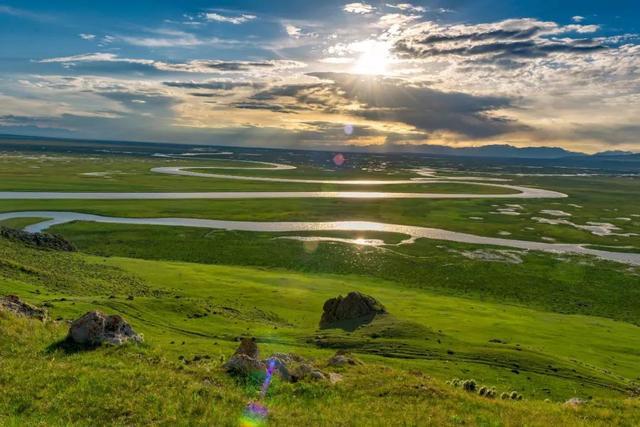
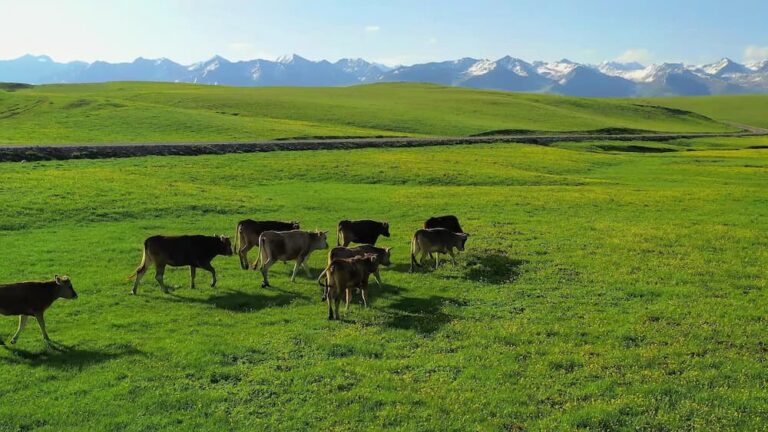
A yurt is the cheapest interesting night in Xinjiang and the one most often oversold. What you get for ¥80 to ¥250 per person is a mattress on a raised platform, several strangers, a stove, a communal toilet and no shower. What you also get is dinner with the family and a sky I have not seen matched anywhere else in China. Bring a sleeping bag liner. Nights on the Bayanbulak plateau dropped to single figures in July while we were there.
Booking is informal. Most grassland stays are arranged the day before or on arrival through the scenic-area entrance or a driver, which is why I do not recommend prepaying through a platform. The exception is the Karakul Lake yurts on the Karakoram Highway, where the operators are used to foreign guests and will hold a spot by message.
Inside the park gate, or outside it?
Scenic-area hotels charge a premium for one thing: being on the correct side of the gate when the light is good. At Kanas that premium is real, because the shuttle from outside does not run before dawn and the morning mist over Hemu is the reason people come. At Tianchi and Turpan’s Grape Valley it is not, because both are close enough to a city to reach early by car.
My rule now is simple. Pay for inside the gate when sunrise is the point, sleep outside it when the destination is a daytime walk. That single decision has saved me more money than any booking trick.
Winter rewrites the map
Older guides on this site said Kanas accommodation closed from October to March. That was wrong, and I have corrected it. Northern Xinjiang now runs a full winter season from roughly late November to early April. Hemu and Kanas Village guesthouses operate through it with floor heating, priced from about ¥250 per person for a basic wooden room and climbing steeply for the upgraded Tuva houses. The four Altay ski resorts, including Jikepulin and Koktokay, drive that demand, and winter rooms in the villages get tight enough that operators told me to book two to six weeks out.
What does close in winter is a handful of individual sites, Five-Colour Beach among them, and vehicle access tightens to shuttles and 4WD. If you are driving yourself, read our notes on snow, ice and tyre rules first. Shoulder season is a different calculation again, and we set out the April and November trade-offs separately.
The booking sequence we now use
- Lock the two hardest nights first. For a July trip that means Kanas or Hemu, and Kashgar old city. Everything else has slack.
- Book those on an international platform if you need an English confirmation, then message the property directly to confirm they accept foreign passports. Our guide to platforms that work from abroad covers which ones show these properties at all.
- Fill the city nights with chains two weeks out. Prices barely move.
- Leave grassland and yurt nights unbooked. Arrange them locally.
- Set up mobile payment before you fly. Almost every guesthouse quote I received assumed WeChat or Alipay; see how payments work for the workarounds if you have neither.
Three things that cost us money
Booking Kanas for the first week of October. National Day week is the single worst time to need a room in northern Xinjiang, and we paid double for a worse one.
Assuming a scenic-area hotel booking included the park entry shuttle. It did not, and the shuttle was ¥100 per person.
Trusting a listing photo of a bathroom in an old-village guesthouse. Ask for a short video before you pay. Every operator I have asked has sent one without complaint.
Where to read next
The six accommodation types are linked near the top of this page. If you are still choosing a destination rather than a bed, these four go into the detail I have skipped here:
- Hemu Village in full, including which end of the village to sleep in
- Baihaba Village and the permit timing that catches people out
- Kanas Lake, gate logistics and shuttle times
- Sleeping in very dry air, which affects your room choice more than you expect
Frequently asked questions
Can a hotel in Xinjiang legally refuse me because I am foreign? No. Published public security inspection standards state that hotels may not refuse check-in to foreign nationals holding valid documents, including on the grounds of lacking foreign-guest qualification, with narrow exceptions such as properties inside military control zones. Refusals still happen at small county hotels, so book chains where supply is thin.
Do I need to register with the police if I stay in a homestay? If the property is a licensed hotel, it registers you. If you sleep anywhere else, including a private home, registration must be done at the local police station within 24 hours of arrival under Article 39 of the Exit and Entry Administration Law.
Is Kanas accommodation closed in winter? No. Village guesthouses in Hemu and Kanas Village operate through the winter season, roughly late November to early April, and the surrounding ski resorts keep them busy. Some individual sites close and vehicle access is restricted.
How far ahead should I book for July, August or National Day week? Four to eight weeks for scenic-area and northern village rooms. One to two weeks is still fine for city chains.
Is it cheaper to book on arrival? Only for grassland yurts and shoulder-season city hotels. For everything else in peak season, walking in costs more and sometimes finds nothing.
Disclaimer
Prices here reflect bookings I made and operator quotes I collected between mid-2025 and August 2026, and they move with season and demand. Registration rules and hotel licensing practice are set by Chinese authorities and can change without notice; the documents quoted above are the versions published as of August 2026. Nothing on this page is legal or immigration advice. Confirm current requirements with your accommodation and, if in doubt, the local public security bureau before you travel.
About the author
Karl Huang has been travelling in Xinjiang since 2019 and writes the accommodation, transport and food sections of XinjiangAttractions.com. He books, pays for and sleeps in the places described here, and updates the pages when the facts change. Corrections are welcome.