Last updated: August 2026 | By Xinjiang Travel Team
Why Trust This Guide
This guide is based on our multiple trips to Xinjiang between 2022 and 2024, during which we spent over three months traveling across the region—from Urumqi to Kashgar, from Turpan to the Pamir Plateau. We’ve personally used every phrase in this guide, tested translation apps in remote areas, and learned from countless interactions with locals. Our recommendations come from real experience, not textbook theory.
Quick Reference: Essential Phrases at a Glance
| Situation | Uyghur | Chinese | Pronunciation |
|---|---|---|---|
| Hello | Assalamu alaykum | 你好 (Nǐ hǎo) | Ah-sa-la-mu a-lai-kum / Nee haow |
| Thank you | Rahmat | 谢谢 (Xièxiè) | Rah-mat / Shyeh-shyeh |
| How much? | Qancha? | 多少钱? (Duōshǎo qián?) | Chan-cha? / Dwaw-shaow chyen? |
| Where is…? | …nerde? | …在哪里? (…zài nǎlǐ?) | …ner-deh? / …dzai na-lee? |
| Delicious! | Zor | 好吃! (Hǎochī!) | Zor / Haow-tsur! |
Our Experience: Language Barriers and Breakthroughs in Xinjiang
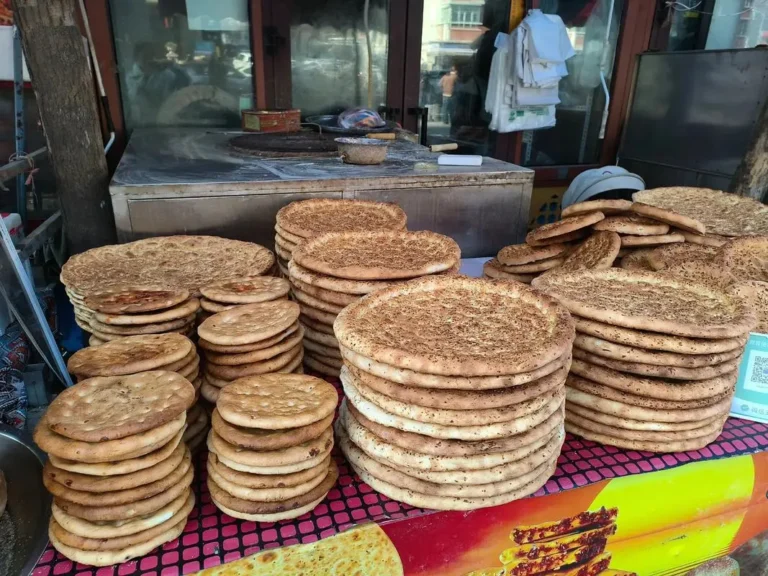
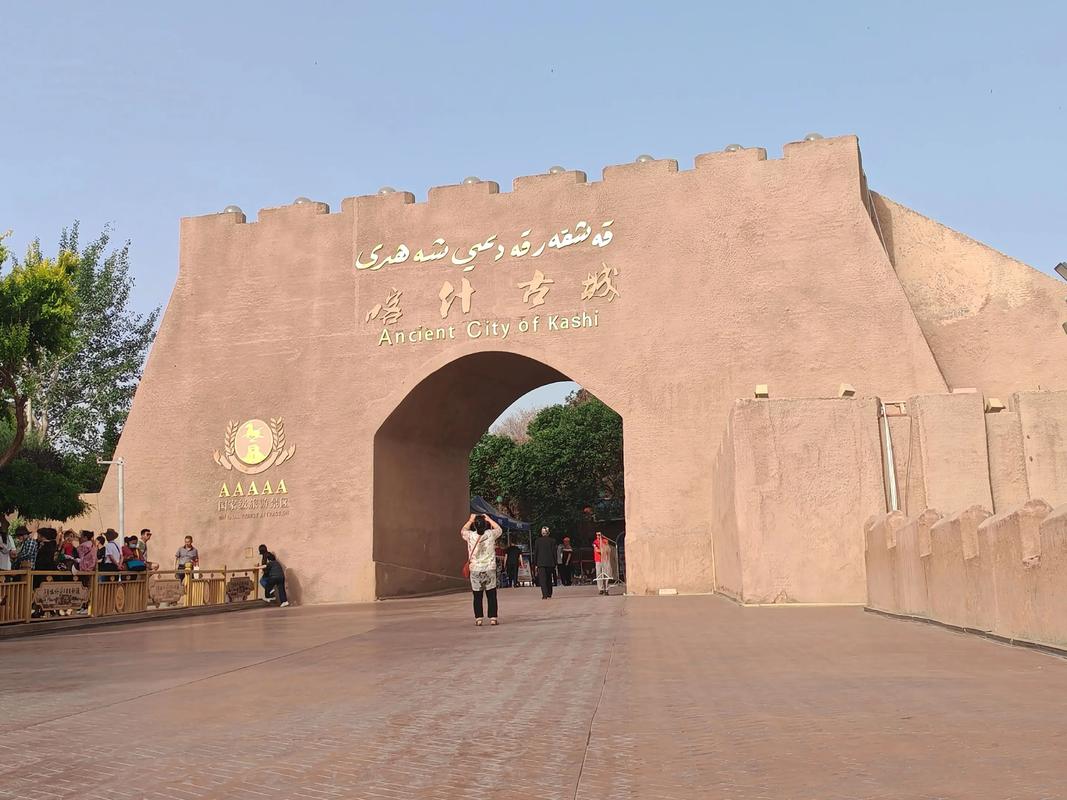
When we first arrived in Kashgar’s Old City in 2022, we spoke neither Uyghur nor proper Mandarin. Our first encounter was with a bread seller near Id Kah Mosque. We pointed at the naan, smiled, and said “hello” in English. He smiled back and said “Assalamu alaykum.” That moment taught us our first lesson: a simple greeting in the local language opens more doors than any phrasebook.
Over our three-month journey, we discovered that language in Xinjiang isn’t just about communication—it’s about respect. When we learned to say “Rahmat” (thank you) in Uyghur, shopkeepers’ faces would light up. When we attempted Mandarin tones in Urumqi’s bazaars, locals would patiently correct us and then switch to simpler phrases to help us learn.
One memorable evening in a small restaurant in Turpan, we sat with a Uyghur family who spoke no English and very limited Mandarin. Through a combination of hand gestures, Google Translate, and the few Uyghur phrases we’d learned, we spent three hours sharing food, laughter, and stories. That night, we went back to our guesthouse and wrote down every useful phrase we’d encountered.
This guide compiles everything we learned—the phrases that actually work, the apps that function in remote areas, and the cultural nuances that guidebooks often miss.
Understanding Xinjiang’s Linguistic Landscape
Xinjiang is linguistically diverse. The region officially recognizes both Standard Mandarin (Putonghua) and Uyghur as official languages. In practice, you’ll encounter:
- Mandarin Chinese: Spoken by the majority in cities, tourist sites, and among younger generations. This is your primary backup language.
- Uyghur (ئۇيغۇر تىلى): A Turkic language written in Arabic script. Spoken widely in Kashgar, Hotan, and rural areas.
- Other languages: Kazakh, Kyrgyz, Mongolian, and Siberian languages are spoken in specific regions.
Reality check: In major cities (Urumqi, Turpan), Mandarin is sufficient. In Kashgar’s Old City, both languages are commonly used. In remote villages, Uyghur may be the only language spoken. Preparation pays off.
Essential Uyghur Phrases for Travelers
Greetings & Politeness
- Assalamu alaykum (Peace be upon you) – Universal greeting, always appropriate
- Wa alaykum assalam – Response to the above
- Rahmat – Thank you (the single most useful word)
- Kechurung – Excuse me / I’m sorry
- Hosh kelibsiz – Welcome
- Xayr – Goodbye
- Tuğhuldi – Happy birthday
Shopping & Bargaining
- Qancha? – How much?
- Bek – Too expensive
- Arzan – Cheap
- Men … alimen – I’ll take …
- Kecha – Expensive (use with a smile when bargaining)
Dining & Food
- Ashxana – Restaurant
- Su – Water
- Chay – Tea
- Gosh – Meat
- Zor – Delicious!
- Bek zo’r – Very delicious!
- Toydum – I’m full
Directions & Transportation
- …nerde? – Where is …?
- Yaqin – Near
- Yiraq – Far
- Ong – Right
- Sol – Left
- To’g’ri – Straight
- Avtovokzal – Bus station
- Poyezd bekati – Train station
Essential Chinese Phrases for Xinjiang Travel
Survival Basics
- Nǐ hǎo (你好) – Hello
- Xièxiè (谢谢) – Thank you
- Bù kèqì (不客气) – You’re welcome
- Duìbuqǐ (对不起) – Sorry
- Méi guānxī (没关系) – It doesn’t matter / No problem
- Wǒ bù dǒng (我不懂) – I don’t understand
- Nǐ huì shuō Yīngyǔ ma? (你会说英语吗?) – Do you speak English?
Transportation
- Qù… zěnme zǒu? (去…怎么走?) – How do I get to…?
- Yǒu dìtiě ma? (有地铁吗?) – Is there a subway?
- Yí gè dào zhàn (一个到站) – One ticket (for the distance)
- Duōshǎo qián? (多少钱?) – How much money?
Accommodation
- Wǒ yùdìng le fángjiān (我预定了房间) – I have a reservation
- Yǒu kòng fáng ma? (有空房吗?) – Do you have any vacant rooms?
- Wǎngluò (网络) – Internet / WiFi
Food & Dining
- Wǒ chī sù (我吃素) – I’m vegetarian
- Zhège duōshǎo qián? (这个多少钱?) – How much is this?
- Méi là (没辣) – Not spicy
- Shǎo là (少辣) – Less spicy
- Hǎo chī! (好吃!) – Delicious!
Best Translation Apps for Xinjiang
1. Google Translate (Download Offline Packs!)
What works: Chinese ↔ English, Uyghur ↔ Chinese (via camera/photo), offline translation
What doesn’t: Uyghur ↔ English direct translation is weak; use Chinese as a bridge
Pro tip: Download Chinese and Turkish offline packs before you go. Turkish is linguistically close to Uyghur and can help you decipher signs.
2. Pleco (For Chinese)
What works: Best Chinese dictionary app, OCR camera translation, handwriting recognition
Cost: Free basic version, paid add-ons worth it
Essential for: Reading menus, street signs, and train station displays
3. Microsoft Translator
What works: Multi-person conversation mode, works offline
Best for: Group travel where multiple people need to communicate
4. Waygo (No Internet Needed)
What works: Instant camera translation for Chinese (no internet needed after download)
Best for: Reading menus in restaurants with no signal
Internet & Connectivity in Xinjiang
Important notice: Internet access in Xinjiang has specific considerations that travelers should be aware of:
- VPNs: Most commercial VPNs do not work reliably in Xinjiang. Plan accordingly.
- WeChat: The super-app of China. Download it before you arrive. You’ll need it for payments, communication, and maps.
- Alipay: Another essential app. Set it up with your international card before arrival.
- Baidu Maps (百度地图): More accurate than Google Maps in China. Supports English in major cities.
- Amap (高德地图): Another reliable navigation option. Chinese interface but visual maps are intuitive.
Our recommendation: Get a local SIM card (see our Xinjiang SIM card guide for details) and use WeChat + Baidu Maps as your primary tools.
Cultural Etiquette: Language Beyond Words
Do’s
- Learn to greet properly: A handshake plus a slight nod is appropriate between men. Wait for a Uyghur woman to extend her hand first.
- Use “Rahmat” often: Gratitude is culturally important. Say it to shopkeepers, drivers, and restaurant staff.
- Attempt the language: Even butchering a few phrases shows respect. Locals appreciate the effort.
- Speak slowly and clearly: Whether in Chinese or English, enunciate. Don’t shout—it doesn’t help and can be rude.
Don’ts
- Don’t assume everyone speaks English: They don’t. Have your translation app ready.
- Don’t get frustrated: Language barriers are part of the adventure. Smile, be patient, and use visual aids.
- Don’t skip tones in Chinese: Mandarin is tonal. “Ma” can mean mother, horse, hemp, or scold depending on tone. When in doubt, show the character on your phone.
Sample Dialogues for Common Situations
At a Restaurant
You: “Nǐ hǎo, yǒu càidān ma?” (Hello, do you have a menu?)
Staff: “Yǒu, zhège.” (Yes, this one.)
You: “Zhège, méi là, kěyǐ ma?” (This one, no spice, is that OK?)
Staff: “Kěyǐ, yí huìr.” (OK, one moment.)
Shopping in a Bazaar
You: “Qancha?” (How much?)
Seller: “Besh yuzh yuan.” (500 yuan.)
You: “Bek! Arzan bormu?” (Too expensive! Any cheaper?)
Seller: “To’rt yuzh, eng arzan.” (400, cheapest.)
Asking for Directions
You: “Qù Kāshí lǎochéng zěnme zǒu?” (How do I get to Kashgar Old City?)
Local: “Zhízǒu, ránhòu yòuzhuǎn.” (Go straight, then turn right.)
You: “Xièxiè!” (Thank you!)
FAQ: Language & Communication in Xinjiang
Do I need to speak Chinese to travel in Xinjiang?
Not necessarily, but it helps enormously. In major tourist sites, some staff speak basic English. In cities, translation apps and visual aids can bridge the gap. However, learning 20-30 basic phrases will transform your experience from “tourist with a bubble” to “traveler making connections.”
Is Uyghur difficult to learn?
For English speakers, moderately difficult. Uyghur is a Turkic language, so it’s unrelated to English or Chinese. However, the phrases in this guide use a simple Romanization that’s easy to pronounce. You don’t need to learn the Arabic script to be functional.
Will people be patient with my bad Chinese/Uyghur?
Yes, overwhelmingly so. In our experience, people in Xinjiang are exceptionally patient with language learners. They may laugh good-naturedly at your pronunciation, but they’ll also help you improve it. One shopkeeper in Kashgar spent 15 minutes teaching us the correct tones for “naan”—that generosity is typical.
Are there English-language maps and signs?
Limited but improving. Major attractions (Kanas, Tianchi, Id Kah Mosque) have English signage. Cities have bilingual (Chinese-Uyghur) signs, with some English at airports and high-speed rail stations. Download offline maps in advance as a backup.
What if I get completely stuck with language?
Have these backups:
1. Google Translate camera mode (works offline if you download packs)
2. A card from your hotel with the address in Chinese
3. Screenshots of your destination’s name in Chinese
4. WeChat’s “Scan” feature can translate text in real-time
Disclaimer
This language guide reflects our personal travel experiences in Xinjiang between 2022 and 2024. Language usage, translation app functionality, and internet accessibility can change. We recommend verifying current conditions before your trip. Romanization of Uyghur phrases is approximate—pronunciation varies by region. This guide is intended as a practical aid, not a linguistic textbook. For official information, consult the China Discovery or relevant tourism authorities.
About the Author
Xinjiang Travel Team
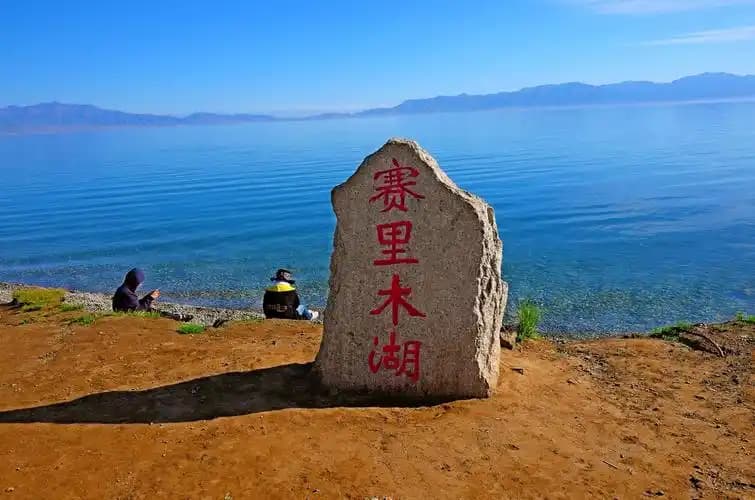
Our team has spent over three months traveling across Xinjiang, from the bustling bazaars of Kashgar to the serene shores of Sayram Lake. We combine firsthand travel experience with thorough research to bring you practical, trustworthy, and culturally respectful travel guides.
Last updated: June 2024
Previous travels: Kanas, Hemu, Kashgar, Turpan, Urumqi, Pamir Plateau