Published: July 20, 2026 | Author: Liam Foster, Xinjiang overland travel writer
Ruoqiang is the kind of place most travelers never plan for and never forget once they’ve been. This Ruoqiang travel guide is built from two long drives I made into China’s largest county by area, first in October 2023 chasing the red-date harvest, and again in May 2025 when I finally got the paperwork sorted for a supervised trip toward the Altun Mountains. Known historically as Charklik, this dusty oasis town on the southern Silk Road is the last real settlement before the Lop Nur wilderness swallows the map. I want to be honest about what you can actually see here, what is off-limits, and why it’s still worth the detour.
Why you can trust this Ruoqiang travel guide
I’ve written about overland Xinjiang for the better part of a decade, and Ruoqiang (Charklik) took me three tries to reach properly because the roads and permits kept changing. My driver on both trips was Zhang Wei, a Korla man who has run desert routes since the Taklamakan Desert Highway opened, and much of the practical detail below comes from his hard-won experience. Where I mention a restricted area, I’m not speculating; I got turned around at one checkpoint myself. For the archaeological background I cross-checked museum placards in Urumqi and Korla against published excavation reports, so the history here matches what specialists actually say rather than tourist-brochure hype.
Quick reference: Ruoqiang at a glance
| Detail | Information |
|---|---|
| Chinese name | 若羌县 (Ruòqiāng), old name Charklik |
| Location | Southeast Xinjiang, Bayingolin Mongol Autonomous Prefecture |
| Claim to fame | Largest county in China by area (~200,000 km²); gateway to Lop Nur and the Altun Mountains |
| Getting there | Ruoqiang Loulan Airport; long-distance bus/car from Korla (~440 km) or across the Taklamakan Desert Highway from Minfeng |
| Best time to visit | Mid-September to late October (date harvest, mild days) |
| What to eat | Loulan red dates, hand-pulled laghman, roast lamb, oasis melons |
| Permits | Required for the Altun Mountains reserve and any approach to Lop Nur; town and nearby oasis need none |
| Suggested stay | 1–2 nights as a base; longer if you’re doing a supervised Altun trip |
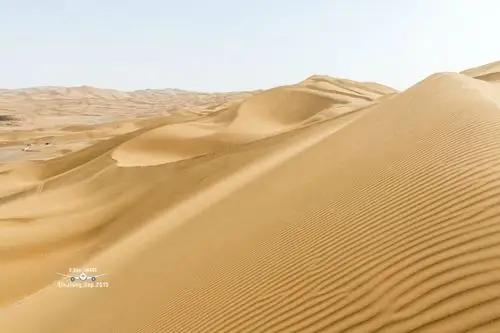
What it actually feels like to arrive
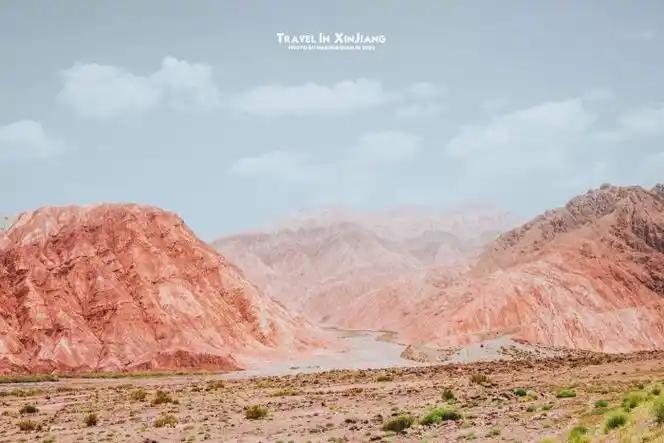
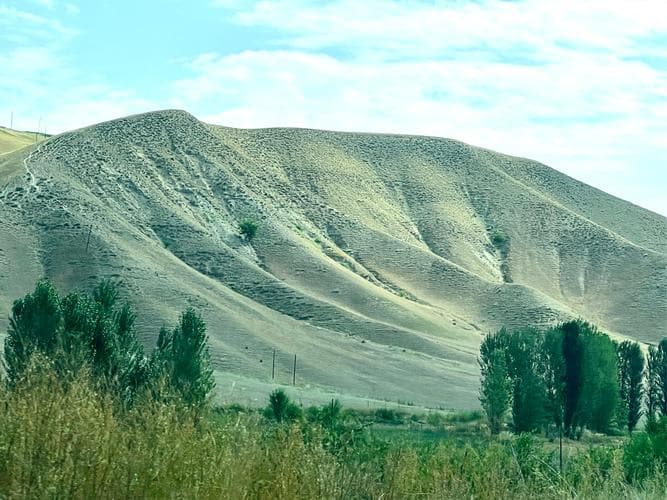
We came in from Korla the first time, and the last two hours are basically a straight line drawn across the gravel between the Taklamakan on your left and the dark wall of the Altun Mountains far to your right. Then the poplars appear, then the date orchards, and suddenly there’s a proper little town with traffic lights and a night market. That contrast, empty desert and then this stubborn green oasis, is the whole point of Charklik. People have farmed this exact spot for well over two thousand years because the meltwater from those mountains has to surface somewhere.
The town itself is small and unglamorous. I like it for that. Old men sell dates by the sack outside the market, kids ride bikes down streets that end abruptly at the sand, and by nine at night the sky goes an absurd shade of orange. Don’t come expecting monuments in the town center; the reason to be here is what surrounds it.
Getting to Ruoqiang
There are three realistic ways in. The easiest is flying: Ruoqiang Loulan Airport opened in 2020 with connections through Korla and Urumqi, which turned a brutal two-day drive into a short hop. If you’d rather see the land, drive from Korla, roughly 440 km southeast on a good highway that takes most of a day with photo stops. The most memorable option is the Taklamakan Desert Highway that runs from Minfeng across the sand and links to Ruoqiang from the west; it’s long, hypnotic, and worth doing once in your life.
Zhang Wei’s advice, which I’ll pass on: fill your tank at every town, carry water for a full day beyond what you think you need, and don’t attempt the desert crossing in a low-clearance rental. Sand drifts across the road after wind, and phone signal disappears for long stretches. If you’re piecing together a wider route, the regional rail network can get you as far as Korla comfortably before you switch to road or air.
Best time to visit
Come in autumn. Mid-September through late October is when the red dates ripen, the daytime heat backs off to something pleasant, and the light turns the desert gold in the late afternoon. That’s when both my trips happened, and it’s no coincidence. Summer here is genuinely punishing, with temperatures that can push past 40°C and sandstorms that erase the horizon. Winter is cold and bleak, though clear, and spring brings the worst of the dust. If you have any flexibility at all, aim for October.
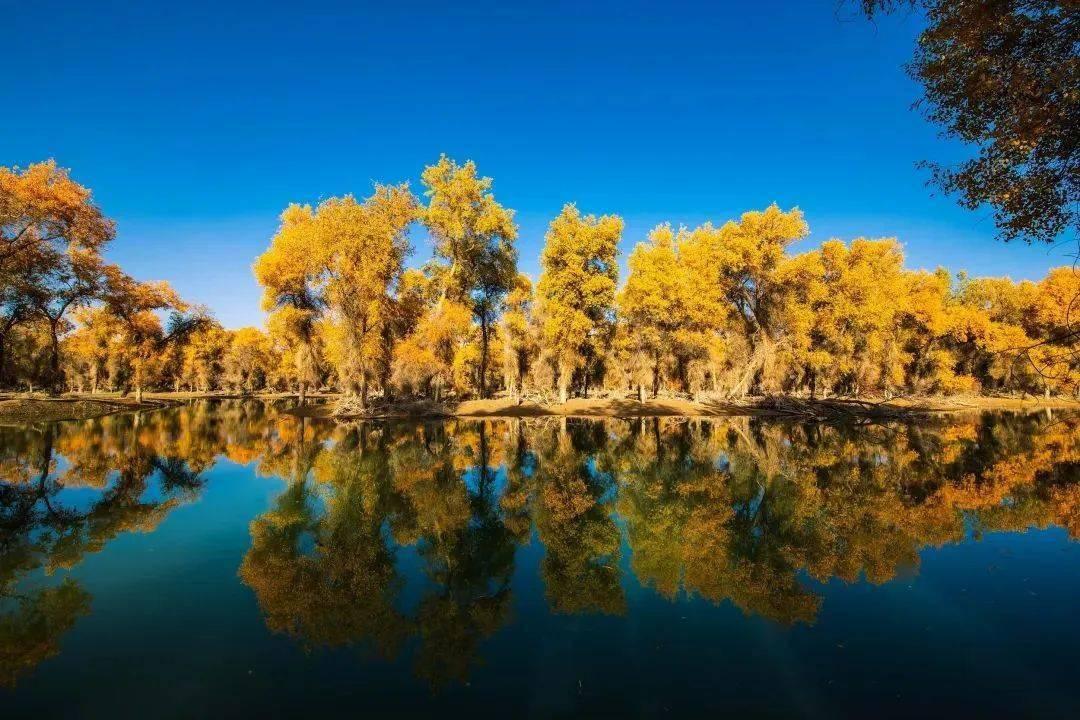
What to see around Ruoqiang
Let me be clear about the big names first, because a lot of online writing is misleading. Lop Nur, the dried lake bed to the northeast, and the ruins of Loulan out in that basin are inside a restricted zone. You cannot simply drive there; independent access is not permitted, and the few expeditions that go are tightly controlled and expensive. If Loulan is your dream, read my honest Loulan Ancient City guide first so you know what’s realistic before you build a trip around it.
What you actually can do is rewarding in its own right. The Miran ruins, an old Silk Road garrison and monastery site about 80 km east, are sometimes accessible with local arrangement; the famous winged-figure murals long ago went to museums, but standing among the mud-brick stumps with the wind coming off the desert gives you a real sense of the southern route. The Altun Mountains National Nature Reserve, a vast high-altitude plateau protecting wild yak, Tibetan antelope and kiang, requires a permit and a licensed guide, and even then only its fringes are open. In town, the small county museum is worth an hour for its Silk Road context; for the full picture of the region’s excavated treasures, the Xinjiang Museum in Urumqi is the place that really tells the story.
Where to stay
Accommodation is functional, not fancy. There’s a cluster of business-class hotels near the town center that are clean, have reliable hot water and heating, and cost far less than anything in Kashgar or Urumqi. On my 2025 trip I paid around ¥180 a night for a comfortable double. Book the better-reviewed places ahead in October, because the date-trade season fills rooms with buyers. Budget guesthouses exist too and are fine if you just need a bed between long drives. Don’t expect much English; a translation app and a printed address in Chinese solve most problems.
What to eat
The one thing you must buy is Loulan red dates. Ruoqiang’s jujubes are famous across China for being large, dense and honey-sweet, and buying them straight from a market stall for a fraction of city prices is a small joy. Beyond that, the food is classic southern Xinjiang: hand-pulled laghman noodles tossed with lamb and peppers, skewers grilled over open coals at the night market, roast lamb when you’re lucky, and oasis melons in season. I had one of my best bowls of noodles of the whole trip at a nameless spot near the market, recommended by Zhang Wei, for under ¥20. The dairy and bread are excellent too, as they are across the region.
Sample 2-day itinerary
Day 1: Arrive from Korla by mid-afternoon (or fly in). Settle into a hotel, walk the market, and buy a bag of red dates. Watch the sunset from the edge of town where the streets meet the sand, then eat laghman and skewers at the night market.
Day 2: If you’ve pre-arranged it, take a guided half-day toward Miran or the accessible fringe of the oasis-desert landscape; otherwise explore the date orchards, visit the county museum, and photograph the poplar-lined channels in the golden morning light before driving on toward Minfeng across the Taklamakan or back to Korla.
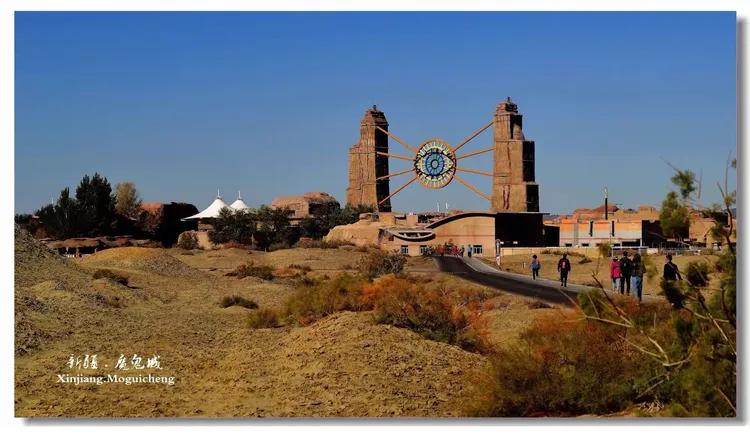
Practical tips from the road
- Sort permits early. Anything touching the Altun reserve or Lop Nur needs advance arrangement through a licensed operator. Don’t leave it to chance on arrival.
- Carry cash. Mobile payment works in town, but small stalls and remote stops sometimes don’t, and ATMs are limited.
- Fuel and water discipline. Top up at every opportunity on the desert routes and always carry more water than you expect to drink.
- Mind the wind. Sandstorms can close roads with little warning. Build a buffer day into any tight schedule.
- Respect checkpoints. This is a sensitive border region; keep your passport handy, be patient, and don’t photograph checkpoints or military sites.
- Layer up. Desert nights drop fast even after hot days. A warm jacket earns its place in your bag.
Frequently asked questions
Can I visit Loulan or Lop Nur from Ruoqiang on my own? No. Both sit inside a restricted zone with no independent access. Only permitted, guided expeditions go, and they’re costly and infrequent.
Is Ruoqiang worth visiting if the famous ruins are off-limits? Yes, if you enjoy remote, real places over checklists. The oasis, the red-date culture, the Silk Road setting and the drive itself are the experience.
How many days do I need? One to two nights covers the town and its immediate surroundings. Add days only if you’re doing a supervised Altun or Miran trip.
Is it safe? Yes, with the usual sense. It’s a quiet, sparsely populated county. The real risks are the environment and the driving, not the people. For broader planning, see my Xinjiang travel tips.
Disclaimer
Travel conditions in this part of Xinjiang change often. Road status, flight schedules, permit rules and access to restricted areas can shift with little notice, and prices are approximate from my 2023 and 2025 visits. Confirm the current situation with local operators and official sources before you travel, and always follow the instructions of local authorities.
About the author: Liam Foster is an overland travel writer who has spent years exploring China’s far west, with a particular focus on the southern Silk Road and the deserts of the Tarim Basin. He writes first-hand, permit-in-hand accounts to help independent travelers plan realistic trips to places like Ruoqiang.