Published: July 24, 2026 | Author: Marat Nurlan, Ili-born trekking guide and son of Kazakh herders
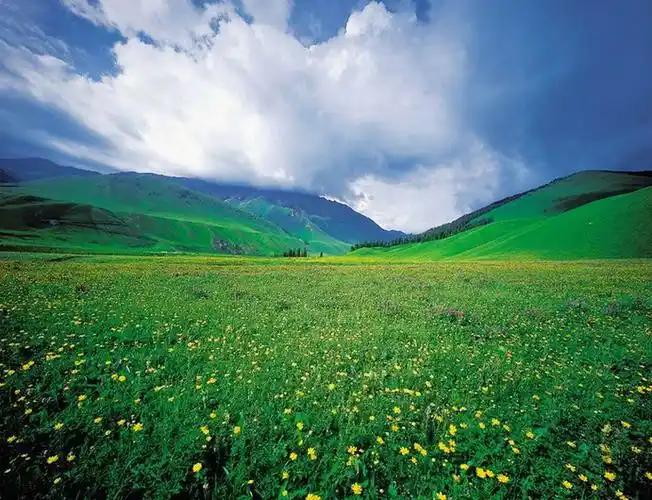
Kazakh culture in Xinjiang is not something you watch from a bus window. It moves. Twice a year my uncle’s family packs their entire household onto horses and a rattling blue truck and follows the grass — down from the Tianshan in October, back up in May. I was born in a winter house outside Tekes, spent every childhood summer in a yurt above the Karajun grassland, and have guided foreign hikers through Kazakh herding country for eleven years. What follows comes from that life, not from a brochure. Xinjiang is home to roughly 1.5 million Kazakhs, the largest Kazakh population outside Kazakhstan itself, concentrated in the Ili Kazakh Autonomous Prefecture and the Altay region. If you want to understand why the grasslands here feel alive in a way photographs never capture, this guide is my honest attempt to explain my own people to you.
Quick Reference: Kazakh Culture in Xinjiang
| Item | Details |
|---|---|
| Where | Ili Valley (Tekes, Nalati, Karajun), Altay region (Burqin, Qinghe), Bayanbulak fringe |
| Population | ~1.5 million Kazakhs in Xinjiang, mostly herding families and townspeople |
| Language | Kazakh (Arabic script here, unlike Cyrillic/Latin in Kazakhstan); Mandarin widely spoken |
| Best season | June–September for summer pastures; late February for eagle festivals in Altay |
| Signature experiences | Yurt homestay, kumis (fermented mare’s milk), horse games, eagle hunters, Nauryz festival |
| Budget | Yurt stay ¥150–300/person with meals; horse hire ¥200–350/day with a herder guide |
What I Want Outsiders to Understand First
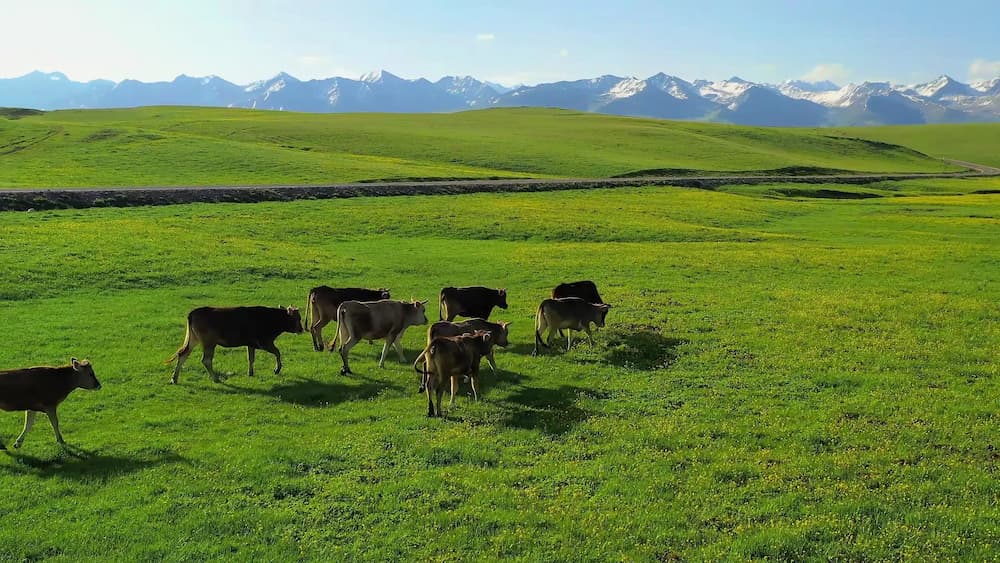
Most visitors arrive knowing one word: nomad. The truth is more layered. Kazakh herding in the Tianshan follows a four-season rotation called transhumance — winter camp (qystau) in sheltered valleys, spring pasture (kokteu) on the lower slopes, summer pasture (zhailau) high in the mountains, and autumn pasture on the way back down. It is a system, refined over centuries, that keeps grassland from being grazed to death. My grandfather could read a hillside the way you read a menu: this slope for lambing, that one saved for August.
The move itself, which we call koshu, was the great event of my childhood. Camels and trucks loaded with felt, iron stoves, cradles and solar panels; my mother riding with a lamb across her saddle because it was born the night before. When we reached the zhailau, neighbors we had not seen since autumn galloped over with tea and dried cheese. If you drive the Ili Valley in late May or early October you may pass a family mid-migration on the road. Slow down, wave, and give the sheep the right of way — they will take it anyway.
The Yurt, the Dombra and the Rules of Hospitality
A Kazakh yurt (kiiz ui) goes up in about two hours if the whole family works. The crown at the top, the shanyrak, is passed from father to youngest son and outlives the felt around it many times over. Inside, the place of honor is the tor, directly opposite the door — as a guest you will be steered there whether you like it or not. Refusing tea outright is rude; the polite trick is to place your palm over the bowl when you have had enough.
Evenings belong to the dombra, our two-stringed lute. Nearly every family has at least one player, and the repertoire runs from galloping horse rhythms to slow laments about mothers and distant pastures. I have watched hikers from Germany sit in total silence for forty minutes while my cousin played, then ask to buy the instrument on the spot. He said no. His grandfather made it.
Hospitality is not a performance for tourists; it is closer to law. An old saying holds that a guest brings blessings with them, and turning away a traveler shames the whole family. This is why a genuine Kazakh homestay in Xinjiang feels different from a hotel — you are slotted into the household, handed a bowl, and expected to answer questions about your parents.
Eagle Hunters and Horse Games
The berkutchi — eagle hunters — are the most photographed face of Kazakh culture, and the reality is harsher and more tender than the photos suggest. A golden eagle is taken young, trained for years, hunted with through the winters, and by tradition released back to the wild while she can still breed. My great-uncle in Qinghe kept one for nine winters; he talked to her more gently than to any human. Winter eagle festivals in the Altay region, usually January and February, are the best time to see the birds work. The neighboring Kyrgyz herders keep a parallel tradition on the southern ranges — I compared the two in the field with the author of our Pamir eagle hunting piece, and the falconry vocabulary barely overlaps.
Summer is for horse sport. Kokpar (two mounted teams wrestling over a goat carcass — chaotic, thunderous, absolutely worth seeing), kyz kuu (“girl chasing,” a flirtation race where the woman horsewhips the man if she catches him), and bareback wrestling. Big matches happen at weddings and during festivals; check the Xinjiang festivals calendar and aim for Nauryz (the spring new year, around March 21) or summer wedding season in July.
Getting There
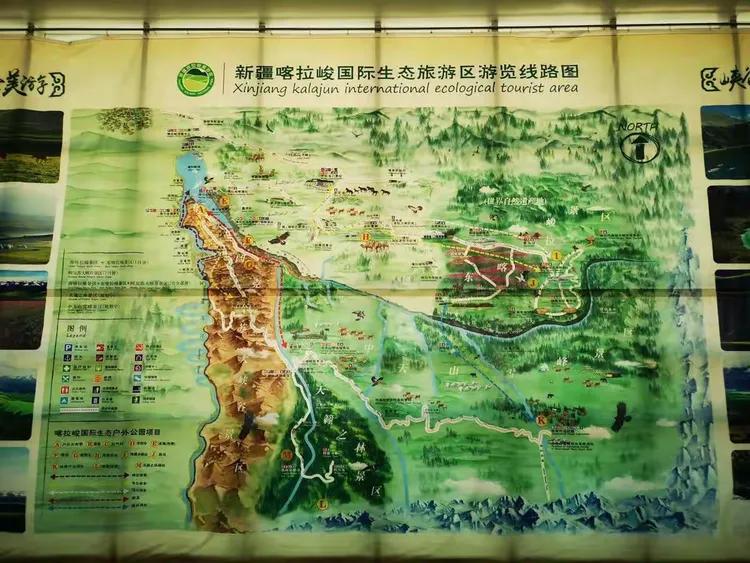
Fly into Yining (Yili) for the Ili Valley — daily connections from Urumqi take about 90 minutes. From Yining, hire a car or take a bus toward Tekes, Nalati or Karajun; the herding country begins within two hours. For the Altay eagle-hunting region, fly Urumqi to Altay City, then arrange a driver toward Burqin or Qinghe. Public transport thins out fast past the county towns, so most independent travelers either self-drive or split a driver-guide (¥800–1,200/day for the vehicle). In summer 2025 the Karajun access road was fully paved; the last stretch to high summer camps is still dirt track, and after rain even locals wait a day.
Best Time to Visit
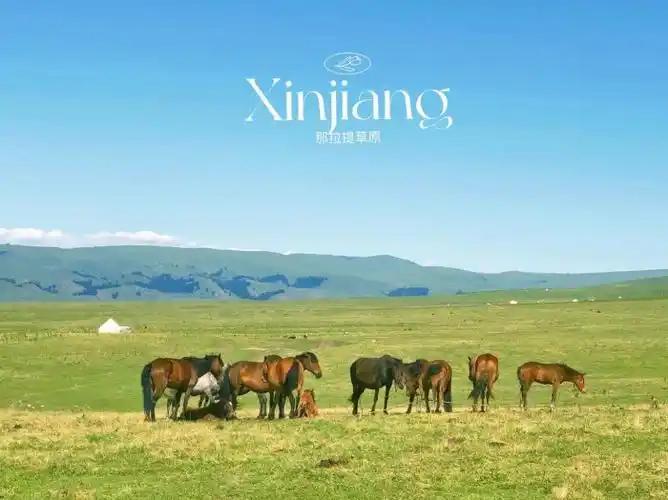
June through September is zhailau season — families are up on the high pastures, yurts are open to guests, and the horse games cluster around July weddings. My personal pick is the last week of June: the grass is at knee height, wildflowers are out, and the crowds that hit Nalati in late July have not arrived. For eagle hunting, come in deep winter (late January–February) to Altay; dress for minus twenty and it will repay you. Avoid the migration windows themselves (roughly mid-May and early October) if you want settled camps — everything is packed on a camel then.
Where to Stay
Three realistic tiers. First, tourist yurt camps at Nalati and Karajun scenic areas — clean bedding, fixed prices (¥150–300 per person with dinner and breakfast), zero paperwork. Second, true family homestays arranged through a guide, deeper in the valleys: rougher, warmer, and the reason people come back. Third, county-town hotels in Tekes or Burqin (¥200–400/room) if you need hot showers between grassland days. Foreigners must stay in licensed accommodation, so for family stays go through a registered guide who handles the local registration — the same point I stress in our guide to hiring a local guide in Xinjiang.
What You Will Eat
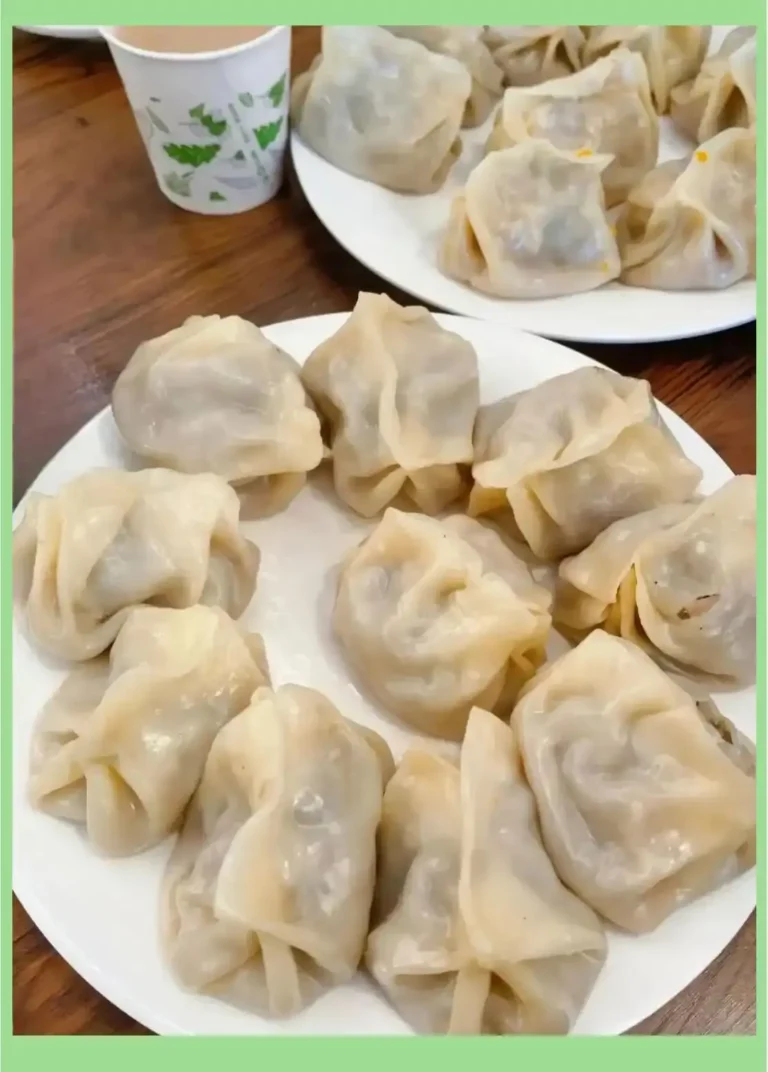
Besbarmak is the ceremonial centerpiece: boiled mutton served over wide noodles, eaten traditionally with the hands (the name means “five fingers”). The sheep’s head may be presented to the honored guest — you carve a piece from the cheek and pass it on; nobody expects you to eat the whole thing. Daily food is simpler: fresh flatbread, cream (kaymak), hard dried cheese (kurt) that outlasts any hiking bar, and endless bowls of milk tea with salt. Then there is kumis, lightly alcoholic fermented mare’s milk, tangy and fizzy. I have seen visitors love it and visitors quietly water the grass with it; both reactions are fine. We covered the whole dairy universe separately in Xinjiang dairy: milk tea, kumis and yogurt.
Practical Tips from a Local
Accept tea with your right hand or both hands. Ask before photographing elders — most say yes if you ask, and stiffen if you don’t. Do not step on the threshold of a yurt or point your feet at the hearth. Small gifts (fruit from town, tea bricks, sweets for children) beat cash for hospitality that was not commercial. Mosquitoes on the June pastures are serious; bring repellent. Nights at 2,500 meters drop near freezing even in August, so pack a real fleece — our Xinjiang etiquette guide and packing notes cover the rest. Finally, learn three words: rakhmet (thank you), salemetsiz be (hello), and zhaksy (good). They open every yurt door faster than any tip.
A Sample Three-Day Ili Valley Plan
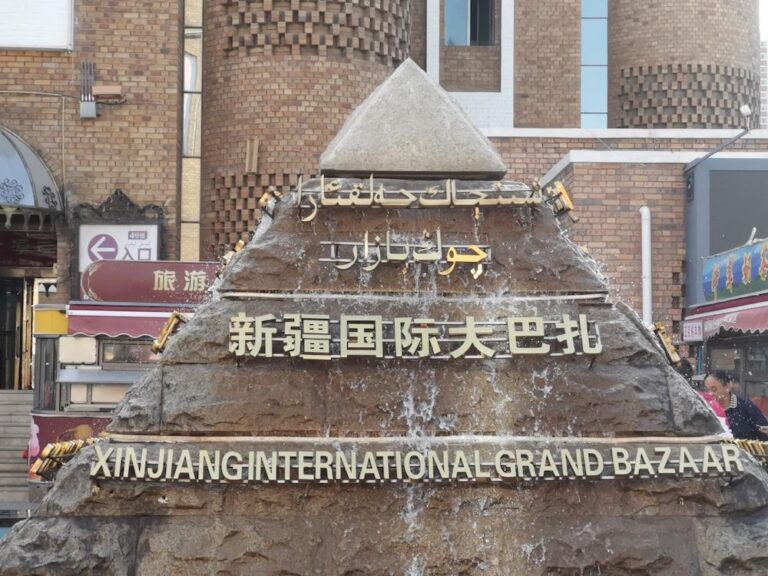
Day 1: Fly Urumqi–Yining, drive to Tekes (the octagonal town), overnight hotel, evening at the local bazaar listening for dombra sellers.
Day 2: Morning drive to Karajun, afternoon on horseback with a herder to a ridge camp, dinner of besbarmak in the family yurt, sleep under felt.
Day 3: Watch the morning milking, walk the flower slopes, return via Nalati for the afternoon light, back to Yining by night. Add two Altay days in winter if eagles are your goal.
FAQ
Is it appropriate to visit Kazakh families as a tourist?
Yes, when arranged respectfully. Hosting is an old economic layer of herding life now; the difference between welcome and intrusion is whether you arrive through an introduction or barge in with a drone.
Do I need to speak Kazakh or Chinese?
A guide covers the gap. Younger family members often speak good Mandarin and sometimes some English; grandparents usually speak Kazakh only.
Can foreigners attend Nauryz or wedding celebrations?
Nauryz events in towns like Yining and Tekes are public. Weddings require an invitation, but if you are staying with a family during one, you will almost certainly be dragged in.
Is kumis safe to drink?
It is fermented, which handles most concerns, but it is raw milk at origin. Sensitive stomachs should start with half a bowl.
How is Xinjiang Kazakh culture different from Kazakhstan’s?
The script (Arabic-based here), a stronger surviving herding economy, and dialect differences. Families on both sides of the border visit each other; the culture is one river with two banks.
Disclaimer
Prices, road conditions and festival dates reflect my guiding seasons from 2015 through 2025 and change year to year — lunar and seasonal events shift, and pasture access depends on weather. Verify current conditions with the Ili Kazakh Autonomous Prefecture tourism authorities or a licensed local operator before traveling. This article describes cultural practices as I have lived them; individual families vary.
About the Author
Marat Nurlan was born into a herding family near Tekes in the Ili Valley and has worked as a licensed trekking and culture guide across the Tianshan since 2015. He splits his year between Yining city and his family’s summer pasture, and still cannot play the dombra as well as his younger cousin.