Published: July 24, 2026 | Author: Thomas Berger, Mountain Guide & Expedition Leader
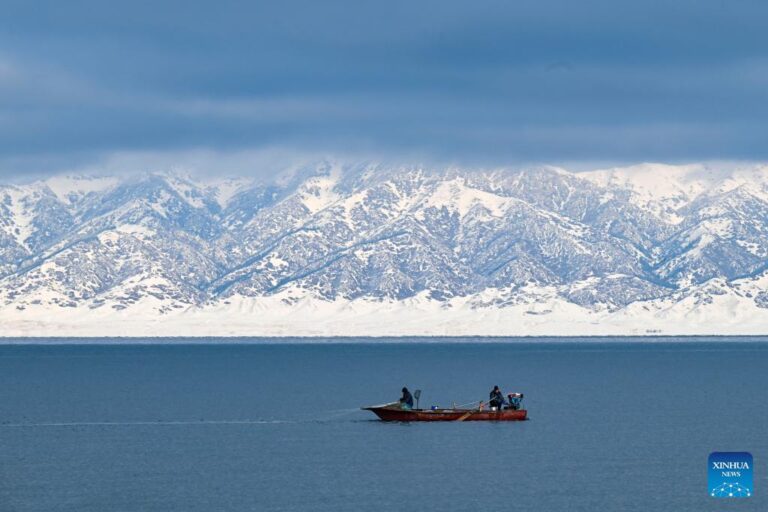
Most travelers meet Kyrgyz culture in Xinjiang by accident. They ride the Karakoram Highway toward Karakul Lake, stop for photos, and a woman in a white felt hat waves them toward a yurt for tea. That five-minute detour often becomes the memory they talk about for years. I have led climbing expeditions to Muztagh Ata since 2016, and every one of them depended on Kyrgyz camel handlers, cooks, and hosts from the villages of Subash and Bulunkou. This guide comes from eight seasons of working beside them, eating from the same pot, and slowly learning which of my assumptions were wrong. I will keep the romance in check and give you facts you can plan around.
Kyrgyz Culture in Xinjiang at a Glance
| Item | Details |
|---|---|
| Population | Roughly 200,000 Kyrgyz live in Xinjiang, most in Kizilsu Kyrgyz Autonomous Prefecture (Artux, Akto, Akqi, Ulugqat) |
| Best place to visit | Karakul Lake and the Subash plateau on the Karakoram Highway, 3,600–3,700 m |
| Language | Kyrgyz (Turkic, Arabic script in China); many younger people also speak Mandarin |
| Signature crafts | Shyrdak felt carpets, ala-kiyiz pressed felt, the white kalpak hat |
| Living epic | The Epic of Manas, recited by manaschi storytellers; UNESCO listed it in 2009 |
| Season | Late May to early October for yurt stays; winter visits need local contacts |
| Permits | Border area permit required beyond the Ghez checkpoint; bring your passport |
Tea First, Questions Later: What Eight Seasons Taught Me
In June 2017, our expedition lost three camel loads in a late snowstorm below Muztagh Ata. The handler, a quiet man named Ormon from Subash, rode back up alone at dusk and returned past midnight with everything lashed to two animals. When I tried to pay him extra, he refused twice, accepted on the third offer, then invited the whole team to his family yurt the next evening. His mother served boorsok fried dough and poured tea in a strict order: oldest guest first, then down the line. Nobody explained the order to me. I learned it by watching where the bowl went.
That evening captures the two rules I now give every client. First, hospitality here is real and not a performance, but it runs on reciprocity. Accept food, sit when invited, and bring something small to share. Second, patience beats questions. Kyrgyz hosts open up over the second or third bowl of tea, not the first.
Who the Pamir Kyrgyz Are
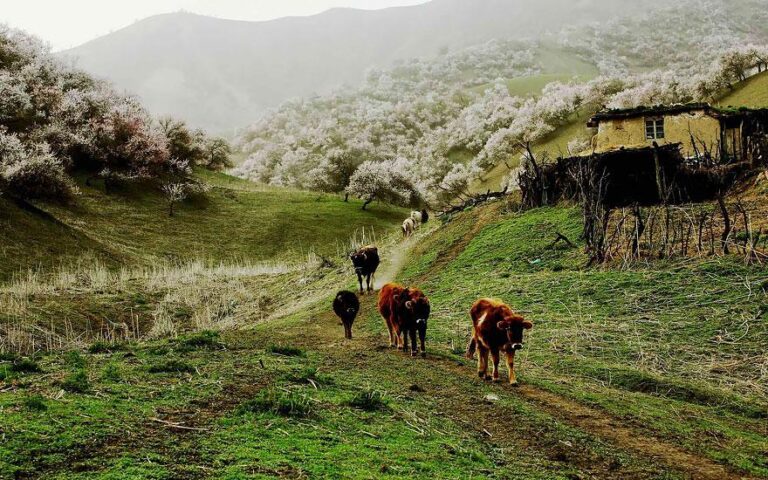
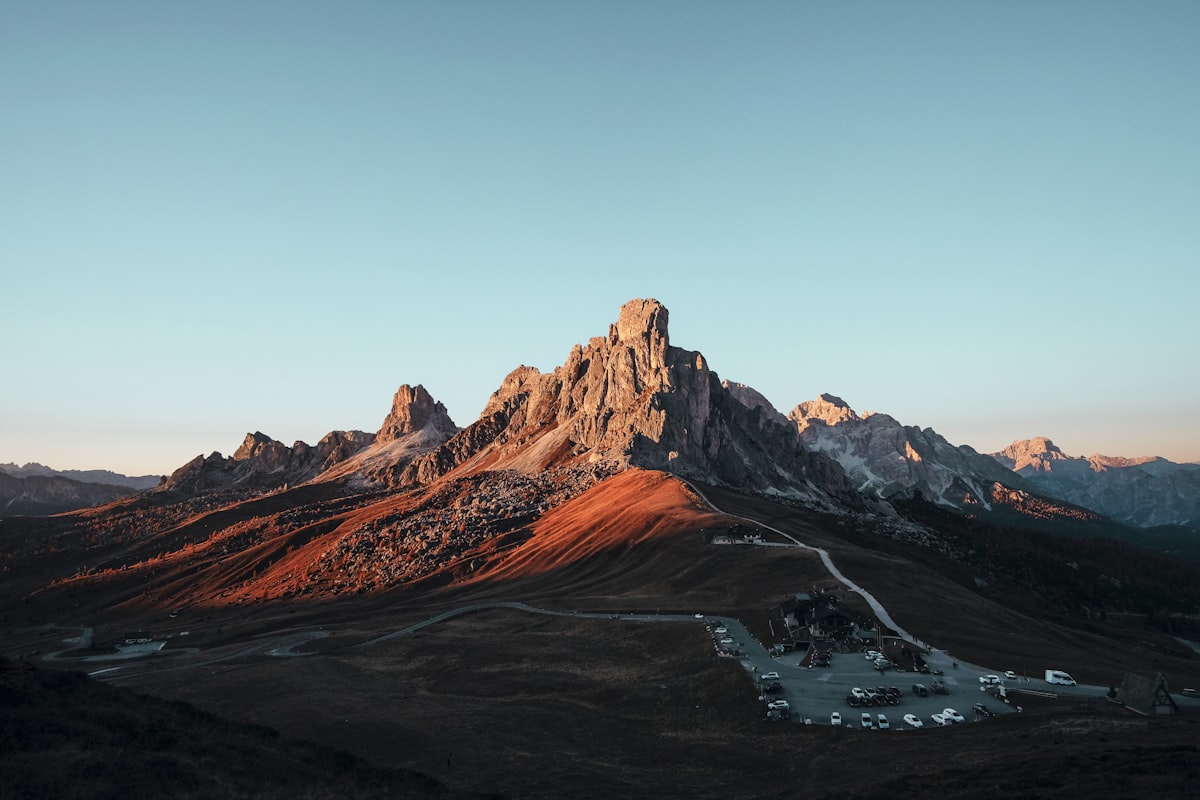
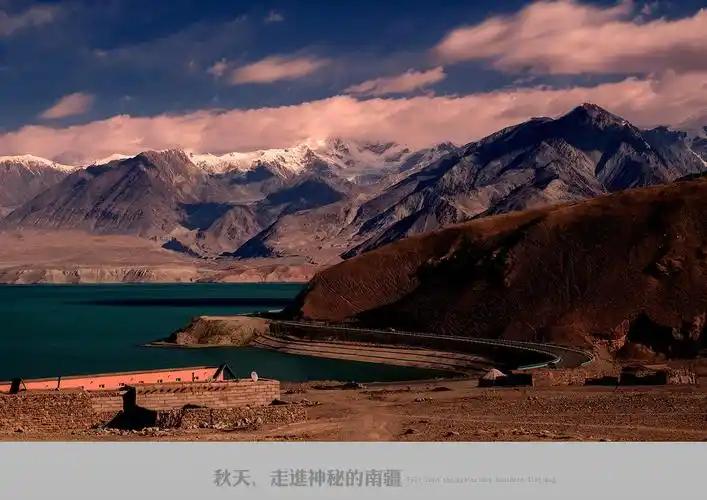
The Kyrgyz of Xinjiang are Turkic-speaking herders whose ancestors moved between the Tianshan and the Pamirs for centuries. Today most live in Kizilsu Kyrgyz Autonomous Prefecture, with the highest communities settled around Karakul Lake in Akto County. Herding still structures the year: families move sheep, yaks, and camels between low winter pastures and high summer grass, though many now keep a fixed house in a village and use the yurt, the boz üy, as a seasonal home and a guest space.
The cultural anchor is the Epic of Manas, a poem of over half a million lines that traces the deeds of the hero Manas and his descendants. Trained reciters called manaschi perform it from memory in a rhythmic chant. UNESCO added the epic to its Intangible Cultural Heritage list in 2009, and Xinjiang’s most celebrated reciter, Jusup Mamay, could perform a version that ran more than 230,000 lines. If you visit Artux, the prefecture capital, ask about performances at the cultural center; short recitations also happen at festivals around Karakul in summer.
Felt, Hats, and Horse Games
Kyrgyz women make two kinds of felt carpet, and telling them apart is a good party trick. Shyrdak carpets are cut and stitched, with sharp two-color patterns; ala-kiyiz designs are pressed directly into the wool, so the edges look soft and blurred. In Ormon’s yurt, the shyrdak on the guest side was his wife’s dowry piece, more than twenty years old and still bright. Small pieces sell at Karakul for 200 to 600 RMB depending on size and stitching. Buy from the maker if you can; the same piece triples in price by the time it reaches a city shop.
The white felt kalpak hat marks Kyrgyz men across borders. Herders around Muztagh Ata wear it at weddings and festivals more than in daily work, where a baseball cap frankly does the job. If a host places a kalpak on your head, treat it as the compliment it is and keep it on for the photo.
Horse culture survives in games. Ulak tartysh, the goat-carcass tug-of-war played on horseback, appears at summer festivals and weddings, along with kyz kuumai, a chase race between a young man and a young woman. I watched an ulak match near Bulunkou in August 2023 where forty riders churned the valley floor for two hours. Nobody sold tickets. A boy simply waved us over and pointed to the safe side of the field.
Getting There
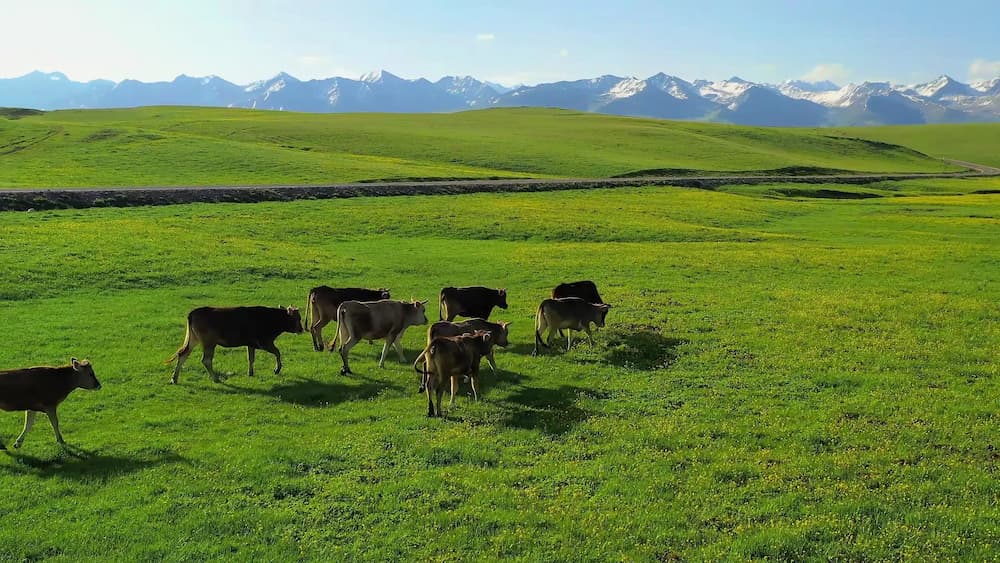
The gateway is Kashgar. From there, the G314 Karakoram Highway runs south past Upal, the red Oytagh valley, and the Ghez checkpoint, reaching Karakul Lake in about four hours by car. Shared cars and day tours leave Kashgar every morning in season; a private car costs 800 to 1,200 RMB for the day. If you plan to continue to Tashkurgan, read our Tashkurgan travel guide for the full route. You need a border area permit beyond Ghez; agencies in Kashgar arrange it in one working day, or your driver can help. Carry your passport everywhere on this road, since checkpoints scan it several times.
Artux, the prefecture capital, sits only 40 minutes from Kashgar by road and has a museum with good Manas material. Akqi County, farther north, hosts manaschi traditions but takes a full day to reach and suits second visits. Travelers arriving overland should check our Xinjiang border crossings overview, because the Irkeshtam and Torugart passes from Kyrgyzstan land you directly in Kyrgyz country.
When to Go
Late May through early October is the yurt season at Karakul. July and August bring the warmest days, 15 to 20°C at noon, and the most festival activity, but also afternoon wind. September is my favorite month: stable weather, golden light on Muztagh Ata, and hosts with more time to talk. Nights drop below freezing at 3,600 m even in July, so pack a real jacket. Winter visits are possible if a family invites you, but yurt camps close and homestays move into village houses. Altitude deserves respect here; if you fly into Kashgar and drive straight up, keep the first day slow. Our guide to travel insurance and safety preparation covers altitude planning in detail.
Sleeping in a Boz Üy
Yurt stays at Karakul and Subash cost 80 to 150 RMB per person with dinner and breakfast, paid in cash or by WeChat. Expect thick quilts, a dung-fired stove, and no running water; the toilet is a walled pit behind the camp. The yurt has an etiquette map: the area opposite the door is the place of honor, so wait to be seated rather than claiming it. Step over the threshold, never on it. Families with tourism licenses cluster at the lake’s east shore. In Tashkurgan and Kashgar you can retreat to proper hotels; combine one yurt night with hotel nights on either side and you get the experience without the exhaustion.
What You Will Eat
Kyrgyz food is herder food: direct, filling, built on mutton and dairy. Boorsok, the fried dough cubes, arrive with every tea service. Kurut, the hard dried yogurt balls, taste sour and salty and grow on you around day three. In summer, ask for kumis, fermented mare’s milk; it is mildly alcoholic and an acquired taste I acquired somewhere around my fourth season. Meals center on laghman noodles, mutton soup, or, on special occasions, a whole boiled sheep served by cut, with the honored guest offered the best portions. Vegetarians should carry supplements like nuts and fruit from Kashgar, since a high-pasture kitchen has few options. Bazaar snacks differ from what the Kazakh communities of the Tianshan serve mainly in dairy details; the two cuisines are cousins.
Practical Tips
Ask before photographing people, and expect a cheerful yes most of the time. Bring cash in small notes for craft purchases. Gifts work better than tips inside a home: fruit, tea, or sweets from Kashgar land well. Dress modestly in villages. Mornings are the productive time to see herding work; afternoons are for naps and tea. Winter and early spring visits should go through a local fixer, and hiring one is straightforward; our guide on hiring a local guide in Xinjiang explains costs and vetting. Finally, if eagles interest you, a small number of Kyrgyz families still fly them; we covered that world separately in our report on eagle hunting with Kyrgyz herders on the Pamir.
A Three-Day Pamir Kyrgyz Plan
Day 1: Morning drive from Kashgar up the Karakoram Highway with stops at Oytagh and the Ghez canyon. Reach Karakul by mid-afternoon, walk the shore slowly, sleep in a yurt at the east side.
Day 2: Sunrise on Muztagh Ata reflected in the lake. Visit Subash village, watch felt work if a family is stitching, share lunch, then continue to Tashkurgan for a hotel night and a hot shower.
Day 3: Return toward Kashgar with a stop in Artux for the prefecture museum and its Manas exhibits, arriving by evening.
FAQ
Do I need a permit to visit Karakul Lake? Yes, a border area permit for the zone beyond the Ghez checkpoint. Kashgar agencies or your driver arrange it in about a day.
Can I understand a Manas recitation without speaking Kyrgyz? You will not follow the words, but the chant, rhythm, and audience reaction carry more than you expect. Ten minutes is worth your time.
Is a yurt stay comfortable? Warm and clean, yes; luxurious, no. Expect shared sleeping, pit toilets, and superb silence.
How is Kyrgyz culture different from Kazakh culture? They are related Turkic herding cultures. The Manas epic, the kalpak hat, and shyrdak felt work are distinctly Kyrgyz; dialects and wedding customs also differ.
Is it safe for solo travelers? The Karakoram Highway corridor is well traveled and checkpointed. The practical risks are altitude and weather, not people.
Disclaimer: Details reflect my guiding seasons between 2016 and 2025. Permit rules, prices, and road conditions on the Karakoram Highway change; confirm current requirements with a licensed Kashgar agency or the Kizilsu prefecture tourism office before you commit. Cultural practices vary by family and valley, and no single article speaks for a whole people.
About the Author
Thomas Berger is a certified mountain guide who has led eight expedition seasons on Muztagh Ata and the eastern Pamirs since 2016. He has worked alongside Kyrgyz camel handlers and host families in Subash, Bulunkou, and Karakul, and writes practical guides for travelers heading into high Central Asia.