Published: July 25, 2026 | Author: Isabel Moreno, travel writer
Most travelers treat Korla as a place to change trains. I did too, the first time. Then a delayed connection in 2021 left me with a free evening on the Peacock River, and I ended up coming back twice on purpose. This Korla travel guide is the article I wish someone had handed me back then: what the city is actually good for, how to reach it, when the pears are ripe, and which day trips justify staying three nights instead of zero.
Why you can trust this Korla travel guide
I have passed through Korla four times and stayed properly on two of those visits, once in late September 2024 during the pear harvest and once in early November 2025, when the first wintering swans were already paddling through downtown. I paid for my own hotels and meals, rode the trains I describe below, and took every photo note in this piece on the ground. Prices are what I paid or saw posted between 2021 and 2025; treat them as a range, not a promise.
Korla at a glance
| Question | Short answer |
|---|---|
| What is it? | Seat of Bayingolin Mongol Autonomous Prefecture, the main city of the northeastern Tarim Basin |
| Why go? | Peacock River promenade, Iron Gate Pass, fragrant pears, gateway to Bosten Lake and the Tarim Desert Highway |
| How long? | 2–3 nights with day trips; half a day if only in transit |
| Getting in | Flights to Korla Licheng Airport (KRL); trains from Urumqi in roughly 4–6 hours |
| Best months | September–October for pears and golden poplars; November–February for swans |
| Budget | Comfortable double rooms 200–350 CNY; a good dinner 40–80 CNY per person |
The evening that changed my mind about Korla
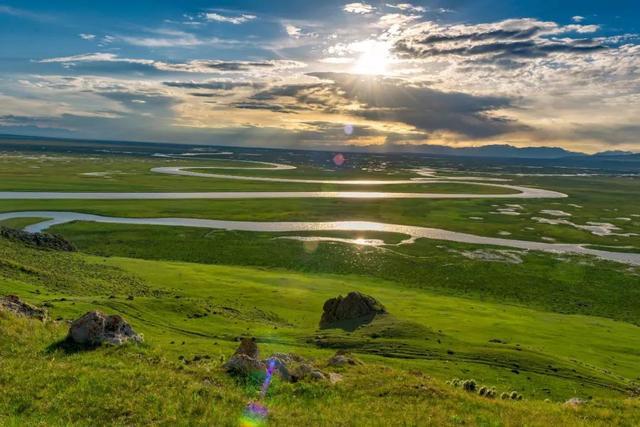
My first real look at the city came from a bench beside the Kongque River, the “Peacock River” that cuts through downtown. It was 9 p.m. in September and still light, this being the far west of China on Beijing time. Families strolled the promenade with bags of pears. A grandfather flew a kite shaped like a hawk. Across the water, apartment towers switched on their lights in slow rows. Nothing about the scene was dramatic, and that was exactly the point. After weeks of long desert drives, an ordinary, comfortable river city felt like a gift.
On my 2024 trip I went out to an orchard in Awati township with a driver named Memtimin, whose uncle grows the famous Korla fragrant pears. The fruit is small, thin-skinned, and absurdly juicy; his uncle told me the local test is that you should be able to eat one without a knife and without wiping your chin fewer than three times. I failed the test twice. A 5 kg box at the orchard cost me 40 CNY. The same box in a Shanghai supermarket runs triple that, when you can find the real thing at all.
Korla attractions worth your time
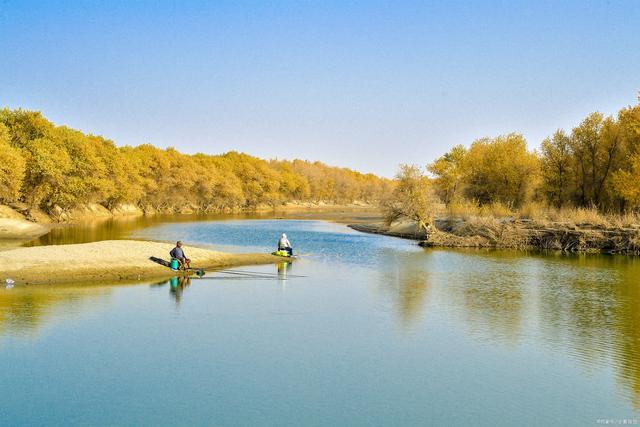
Peacock River promenade. The riverside walk through downtown is where the city lives after dinner. Come at dusk, buy a pear from any fruit stand, and walk north from Renmin Square. From roughly November to February, hundreds of wild swans winter on this stretch of water and locals feed them under the bridges, an odd and lovely sight in a desert city.
Iron Gate Pass (Tiemenguan). About 8 km north of town, this gorge was one of the classic gates of the ancient Silk Road; caravans leaving the Tarim Basin for Turpan had little choice but to squeeze through it. The reconstructed gate tower is modest, but the setting between bare rock walls explains two thousand years of strategy better than any museum panel. Entry was 40 CNY when I visited; a taxi round trip with an hour of waiting cost about 80 CNY.
Bayingolin Prefecture Museum. Free with your passport, closed Mondays. The desert around Korla preserved wooden documents, silk, and mummified burials from the Loulan kingdom era, and this collection gives context for any ruins you plan to visit further south.
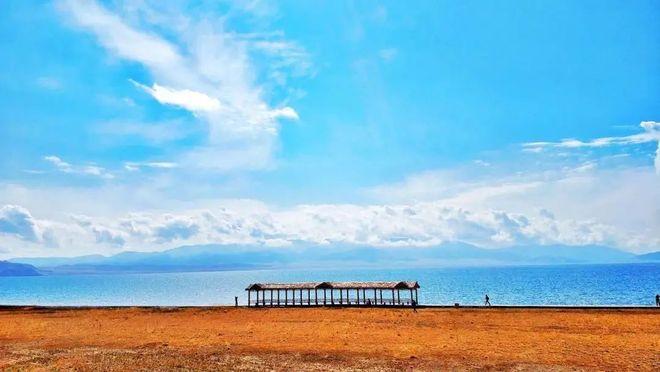
Day trips. Two big ones. Bosten Lake, the largest inland freshwater lake in Xinjiang, sits about an hour east and supplies the grilled fish the whole prefecture eats. In October, the Tarim poplar forest at Luntai, some 110 km southwest, turns gold for about three weeks and is, for my money, the single best reason to base yourself in Korla.
Getting to Korla
By air, Korla Licheng Airport has multiple daily flights to Urumqi (about one hour) plus direct links to several mainland cities; I paid 480 CNY one way from Urumqi in 2024 booking a week ahead. By rail, bullet and conventional trains run from Urumqi via Turpan in roughly 4 to 6 hours depending on the service, and overnight trains continue southwest toward Kuqa, Aksu, and Kashgar, which makes the city a natural first stop on any southern circuit. If you are driving, Korla is where the G218 meets the roads into the Tarim Basin, and it is the last big city before the Desert Highway plunges south. I compared both circuits in my north versus south Xinjiang piece if you are still deciding.
Best time to visit
Late September through late October is the sweet spot: pear harvest, mild days around 20°C, and the poplar gold at Luntai peaking in the second half of October. Summer works if you are heading onward to the mountains, but July afternoons in the basin regularly pass 35°C. Winter is the secret season; the swan flocks on the Peacock River peak from December to February, hotel prices drop by a third, and the dry cold (around -5 to -10°C) is easier to handle than the numbers suggest. Cross-check months against my notes in the Xinjiang weather by month guide before you fix dates.
Where to stay
Stay near the river if you can. The blocks between Renmin Square and the Kongque River bridges put the promenade, the night food streets, and taxis all within a ten-minute walk. In September 2024 I paid 285 CNY for a river-view double in a domestic chain hotel; in November 2025 the same room class cost 195 CNY. Budget guesthouses near the train station run 100–150 CNY but leave you a 15-minute drive from anything pleasant. Book ahead only for the first two weeks of October, when poplar season fills the city with domestic tour groups.
What to eat
Korla’s signature meal is Bosten Lake grilled fish, split, splayed on willow sticks, and roasted beside coals with a chili-cumin rub. A whole fish for two cost me 88 CNY at a courtyard restaurant on the road to Bohu. In town, look for the Mongolian side of the prefecture’s heritage: milk tea and hand-pulled boiled lamb served by Torgut Mongol families, a quieter cousin of the Uyghur grill culture that dominates elsewhere. And eat pears constantly; season runs late August into November from cold storage. The night market stalls east of Renmin Square do decent kebabs and samsa if you arrive late.
Practical tips from my notebook
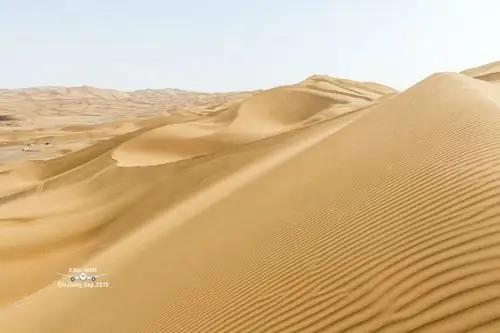
Carry your passport everywhere; hotel check-ins and the museum require it. Alipay and WeChat Pay work in every shop I tried, but keep 200 CNY in small cash for orchard stands and taxi drivers outside town. Didi works well in the city; for Luntai or Bosten Lake, negotiate a private car through your hotel (I paid 450 CNY for a full-day poplar trip, car and driver). The city runs on Beijing time officially, but restaurants keep late “Xinjiang hours,” so do not panic if a place looks dead at 6 p.m. If the Desert Highway or a Taklamakan camel trek is on your list, stock up in Korla; it is the last place with proper supermarkets and pharmacies before the sand.
A sample two-day plan
Day 1: Morning flight or train in. Bayingolin Prefecture Museum after lunch, Iron Gate Pass at 5 p.m. when the gorge is in shade, then the Peacock River promenade and night market for dinner.
Day 2: Full-day trip out: Luntai poplars in October, or Bosten Lake with a grilled-fish lunch the rest of the year. Back by dark for a last riverside walk and a box of pears for the onward train.
Slotting Korla into a longer route? It fits naturally on day 6 or 7 of the loop in my Xinjiang 10-day itinerary.
FAQ
Is Korla worth visiting, or just a transit stop? If you have the time, two nights are genuinely pleasant, and in October or swan season I would call it a highlight. With a packed schedule, an evening on the river between trains still beats sitting in the station.
Do I need a permit for Korla? No special permit beyond normal China entry requirements as of my 2025 visit. Remote areas further south can differ, so ask your hotel about current rules for onward stops.
Can I visit Bosten Lake without a tour? Yes. Shared cars and buses run to Bohu county town, but a negotiated private car (around 300–400 CNY round trip) saves half a day of waiting.
When exactly are the pears in season? Picking starts in late August; orchard stands are busiest through September, and cold-storage fruit stays excellent into winter.
Is English spoken? Rarely. Translation apps handle menus and taxis fine. Hotel front desks at bigger chains manage basic English.
Disclaimer
Prices, opening hours, and transport schedules in this article reflect my visits between 2021 and 2025 and spot checks against official listings at the time of writing. Details change quickly in Xinjiang, especially around holiday periods, so confirm locally before you commit money or plan tight connections. This is an independent guide; no business mentioned paid for inclusion.
About the author: Isabel Moreno is a Madrid-based travel writer who has covered overland routes across western China and Central Asia since 2018. She has visited Korla four times, most recently in November 2025, and researches every guide in person, paying her own way.