Published: July 26, 2026 | Author: Iris Hollander, slow-rail and agriculture travel writer
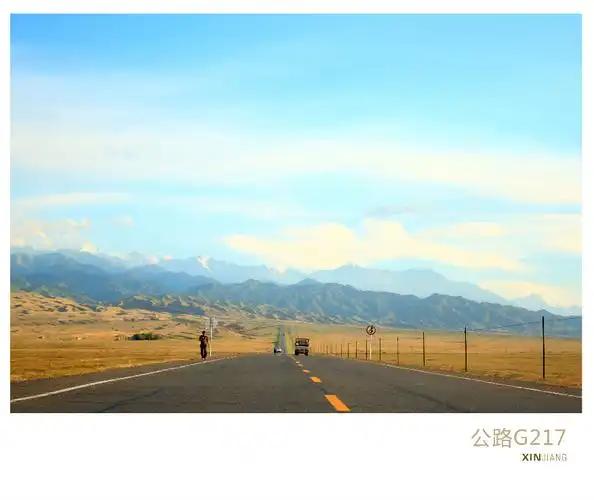
Most people pass through Jinghe without noticing it. The train slows, a name in three scripts slides past the window, and then the desert opens up again toward the Kazakh border. I did exactly that the first time, in the autumn of 2021, on the overnight service from Lanzhou. This Jinghe travel guide is my attempt to make the case for stepping off. Jinghe (精河, Jing County) sits at the point where the main west line splits toward Yining and the Khorgos crossing, which makes it one of the busiest small junctions in the north, and also one of the least visited by outside travelers.
Why trust this Jinghe travel guide
I write about railways and farming landscapes for a living, and I keep coming back to Bortala because the two overlap here in a way I rarely see. I have visited Jinghe three times: that first accidental pass in 2021, a proper goji harvest trip in early August 2024, and a shorter spring stop in May 2025 to check train times and prices. Everything below comes from those visits, from tickets I actually bought and beds I actually slept in. Where I am unsure, I say so. Jinghe is a working county town, not a polished attraction, so please read this as a practical companion rather than a brochure. For the wider prefecture, my notes on Bortala and its quiet border corner give useful background.
Quick reference: Jinghe at a glance
| Detail | What to expect |
|---|---|
| Location | Bortala Mongol Autonomous Prefecture, northwest Xinjiang |
| Known for | Goji berries (wolfberry), cotton, a major rail junction, gateway to Ebinur Lake |
| Getting there | Train on the Lanzhou to Urumqi line; buses from Bole and Jinghe rail hub |
| Best months | Late July to September for harvest and mild weather |
| Nights needed | 1 to 2, or use it as a base for Ebinur Lake |
| Rough budget | 150 to 250 CNY per day, food and a simple room included |
What it felt like on the ground
My clearest memory of Jinghe Xinjiang is the smell. In August the drying yards on the town edge are covered in bright red goji berries laid out on netting, and the whole place carries a faint sweet-sour scent that follows you down the side streets. A grower named Adalet let me help turn a batch one morning, mostly so he could laugh at how slowly I worked. He told me his family has farmed here for four generations and that the salty soil near Ebinur is exactly what the berries like. I had always thought of Bortala agriculture as an abstract statistic. Standing in that yard, sunburned and sticky, it stopped being abstract.
The town itself is small and honest. There is a central square where retired men play chess in the shade, a night market that fills up after nine, and a railway station that feels far too grand for the place until you remember how much freight moves through. Nobody was selling me anything. When I asked directions, one shopkeeper closed her stall for ten minutes to walk me to the bus stand. That kind of thing sticks with you.
Getting to Jinghe
Jinghe is easiest to reach by train. It sits on the main line between Lanzhou, Urumqi, and the Yining branch, so almost every westbound service stops or passes nearby. From Urumqi the ride runs roughly four to five hours depending on the service. I paid about 90 CNY for a hard seat in 2024 and around 160 CNY for a sleeper berth in 2021. Book ahead in harvest season, because agricultural workers fill the trains. My separate Xinjiang train travel guide covers booking apps and passport rules in detail, which matter more here than at big-city stations.
There are two rail stops to be careful about. The high-speed style station and the older junction are not always the same platform, and a couple of times I saw travelers wait at the wrong one. Ask a staff member and show them your ticket rather than trusting the sign alone. From the station into the county center is a short taxi ride, usually 10 to 15 CNY, or a local bus if you are patient. Buses also connect Jinghe with Bole, the prefecture seat, in about an hour.
Best time to visit
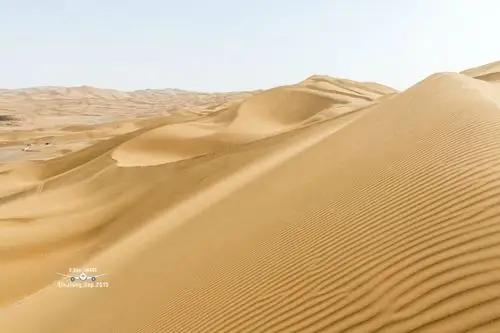
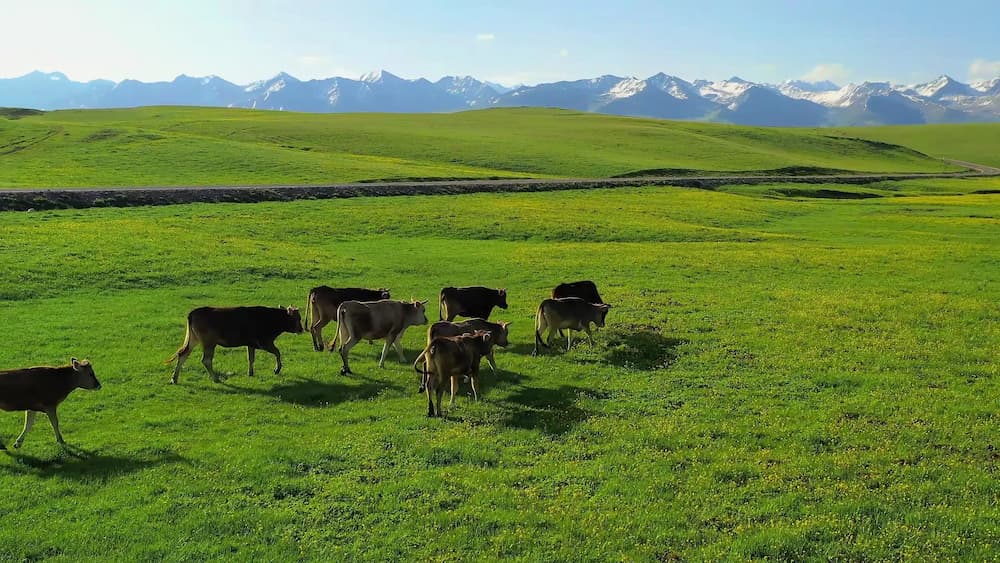
Come between late July and September if you can. That window covers the goji harvest, cotton turning the fields pale, and daytime temperatures that sit in a comfortable range rather than the punishing heat of high summer. I made the mistake of a May visit expecting spring color and found mostly brown fields and a cold wind off the Gobi, so the shoulder season is quieter but less rewarding. Winters are hard and windy, and I would not plan a leisure trip then. For a month by month view of the wider region, the Xinjiang weather guide is worth a read before you commit to dates.
Where to stay
Do not expect resorts. Jinghe has a handful of business hotels and guesthouses aimed at traders and railway staff. In 2024 I paid 168 CNY for a clean twin room with hot water and reliable air conditioning, which was all I needed. Confirm before booking that the property registers foreign guests, because not every small hotel is set up for it, and I have been turned away once. If you strike out in town, Bole has more options and is close enough to use as a base. Booking apps show fewer listings than actually exist, so a phone call the day before often works better than assuming a place is full.
What to eat
Bortala food leans Mongol and Hui as much as Uyghur, which surprised me the first time. The night market is where I ate best. A bowl of hand pulled noodles ran about 22 CNY, lamb skewers were 4 to 5 CNY each, and a plate of stir fried goji leaves, which I had never tried, cost around 18 CNY and tasted faintly bitter and green. Local families brew wolfberry tea by dropping a handful of dried berries into hot water, and vendors sell bags of them for a few yuan. Try the naked oat noodles if you see them, a Mongol touch you will not find much of further south. If you like markets, the food scene here is small but genuine, with none of the tourist markup you meet in bigger towns.
Day trip to Ebinur Lake
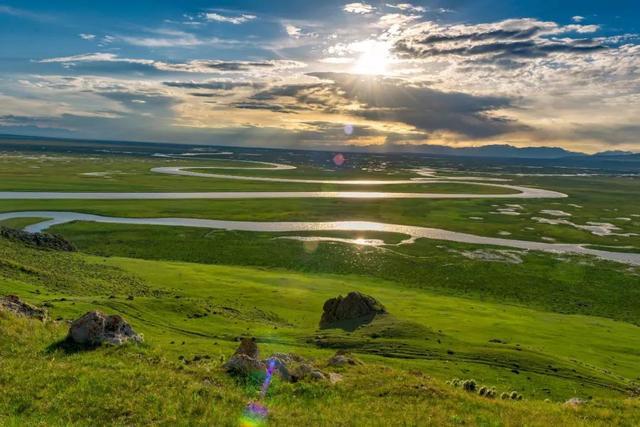
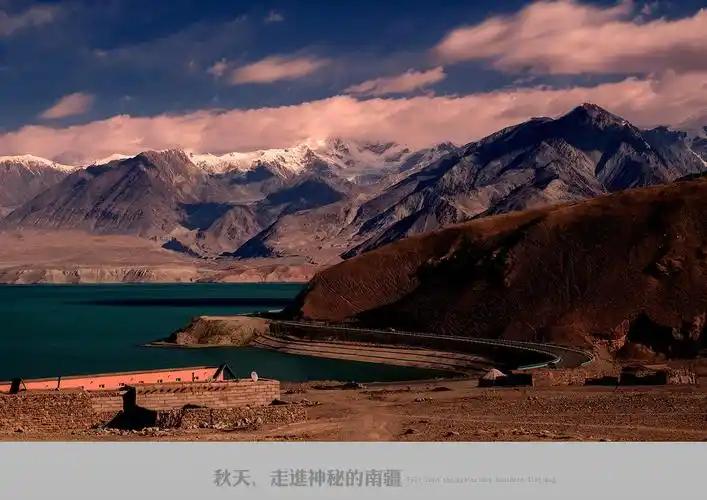
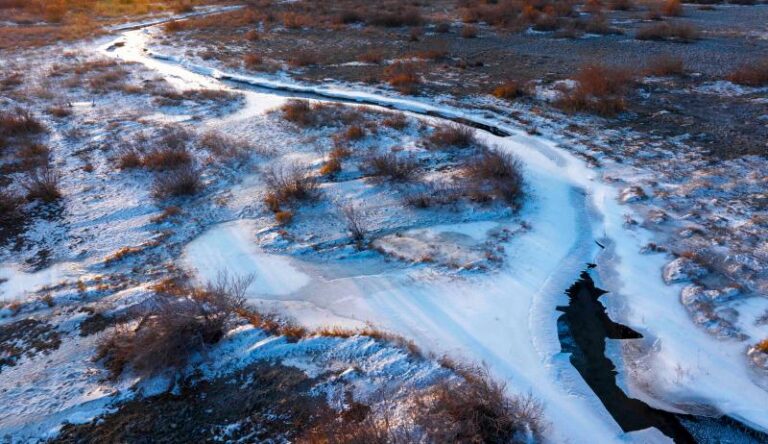
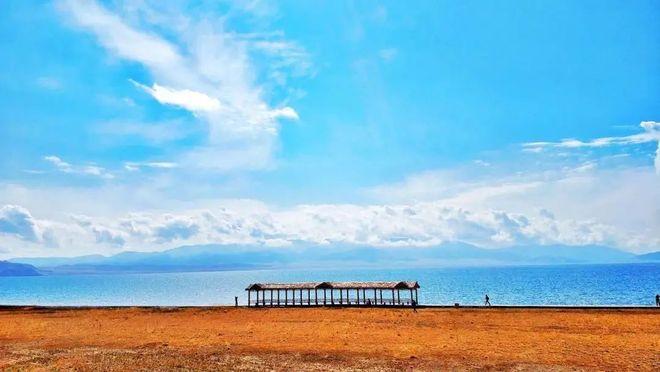
The main reason many travelers use Jinghe is as a launch point for Ebinur Lake, the large salt lake southwest of town. It is a strange, shrinking body of water ringed by salt flats and hardy desert plants, and the light at either end of the day is extraordinary. Access changes with water levels and protection rules, so hire a local driver rather than trying to navigate the tracks yourself. I paid 300 CNY for a half day car in 2024. My full write up on Ebinur Lake and its shrinking shoreline explains the ecology and the practical access points. If you have more time, Sayram Lake to the west and the border town of Alashankou both pair naturally with a Jinghe base.
Practical tips I wish I had known
- Carry cash. Small vendors and taxi drivers sometimes had QR code trouble, and I was glad to have paper yuan for the night market.
- Bring water and sun protection. The Gobi sun is stronger than it feels, and I got burned turning goji trays without noticing.
- Register properly. Keep your passport handy for hotel check in and the occasional roadside stop, which is routine here.
- Learn a few words. English is rare. A translation app and a smile carried most of my conversations.
- Time it with the harvest. A working farm town is far more interesting in August than in a quiet off month.
A simple two day plan
Day one: arrive by train, drop your bags, and walk the county center in the late afternoon. Visit a goji drying yard on the edge of town if it is harvest season, then eat at the night market. Day two: hire a driver early for a half day at Ebinur Lake, return for lunch, and either catch an evening train onward or spend a slower afternoon in Bole. If you are stitching this into a longer route, my seven day Xinjiang itinerary shows how the north fits together, and the north versus south comparison helps you decide whether Bortala belongs on your trip at all.
Frequently asked questions
Is Jinghe worth a dedicated stop? For most travelers, no, not on its own. It earns a night as a base for Ebinur Lake or as a genuine slice of working Bortala agriculture during harvest. If neither appeals, pass through.
Can I visit Ebinur Lake independently? Not easily. Water levels and protection zones make a local driver the sensible choice. Arrange it through your hotel.
Do I need to speak Chinese? It helps a great deal. Outside the station almost no English is spoken, so plan for a translation app and patience.
When exactly is the goji harvest? Roughly late July into early September, with the peak in August. Dates shift a little each year with the weather, so ask locally.
A note on accuracy
Prices, train schedules, and lake access rules in this Jinghe travel guide reflect my visits in 2021, 2024, and 2025 and can change without notice. Treat the figures as a guide, confirm current details locally, and follow any signs and instructions at Ebinur Lake, which sits inside a protected area. I paid my own way on every trip and received no free hospitality.
About the author: Iris Hollander is a slow-rail and agriculture travel writer based in Ghent, Belgium. She has ridden most of the main lines across western China and has a particular soft spot for the farming towns that trains usually skip. She first passed through Jinghe by accident in 2021 and has returned twice since to get it right.