Published: July 27, 2026 | Author: Karl Huang (with guest field notes from Pieter van Rooyen)
Most travelers arrive in Xinjiang expecting whole roasted lamb and sizzling skewers, but the dish I keep coming back to is quieter. Xinjiang manty, fat Uyghur dumplings steamed in stacked tiers, sat quietly in every teahouse and bazaar we ate in across the south. After three trips I now plan at least one steamed-bun lunch per day, plus a dumpling dinner, the way locals do. This guide is everything I learned from asking too many questions, watching too many cooks, and burning my mouth more times than I want to admit.
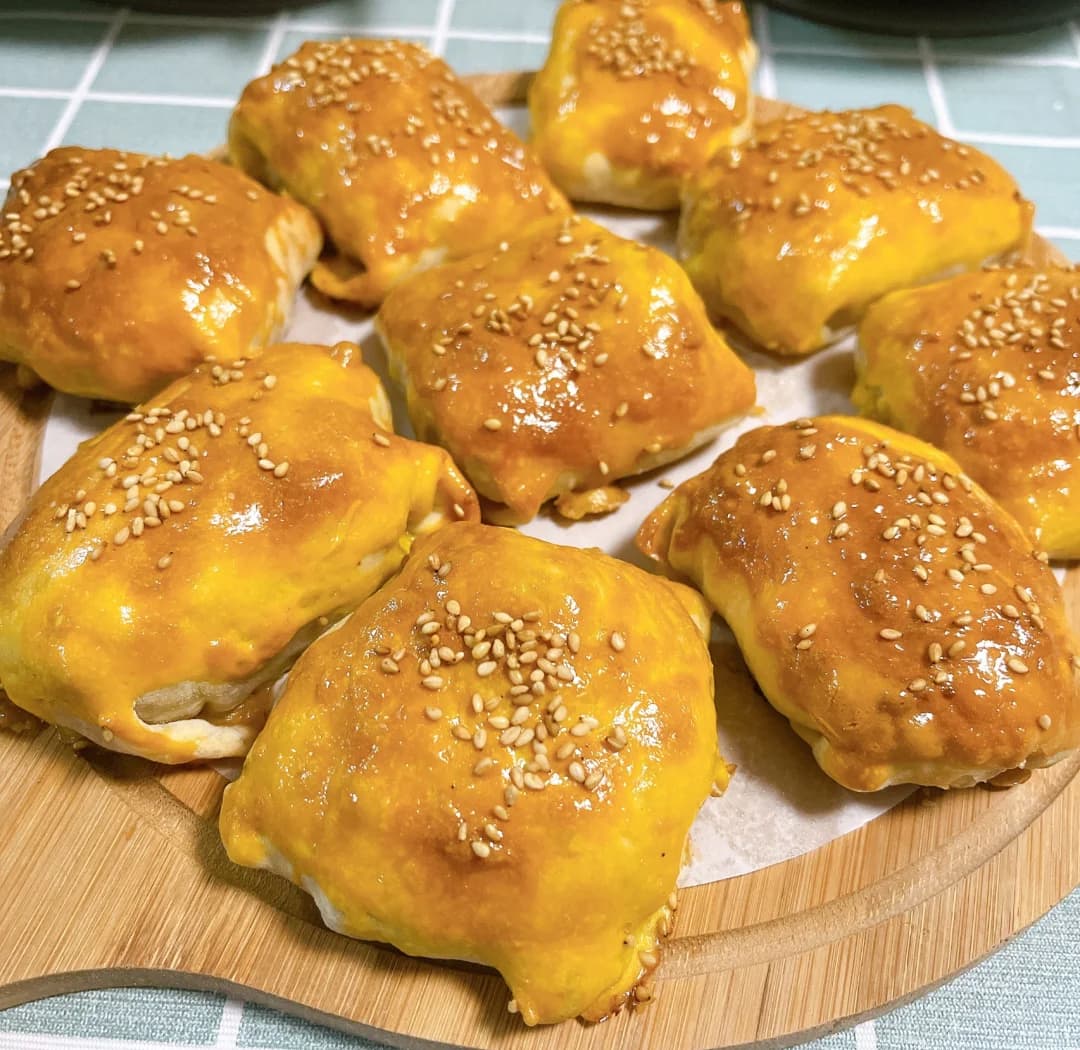
Quick reference: Xinjiang manty at a glance
| What you call it | What it is | Typical price (RMB) | Best eaten |
|---|---|---|---|
| Manty / mantı (مانتا) | Large steamed lamb or beef dumpling, pleated spiral top | 25–45 per plate (8 pcs) | Lunch or dinner, with tea |
| Chuchura (چۈچۈرە) | Smaller Uyghur dumpling, often in clear broth | 20–35 per bowl | Winters, after a long drive |
| Baozi / 包子 | Round steamed bun, meat or veggie filling | 3–6 each | Breakfast, takeaway |
| Börek-samsa crossover | Half-moon samsa, steamed instead of baked | 5–8 each | Bazaar snack |
| Vegetable manty | Pumpkin, mushroom, or cabbage filling | 18–30 per plate | Vegetarians, see our vegan guide |
What we ate in Kashgar, Turpan and Urumqi
When we rolled into Kashgar in mid-October the first meal we ordered was not, as my notes pretend, a bowl of laghman. It was a plate of manty at a small Uyghur teahouse off Seman Road, brought out in a tower of blackened steamers that the waiter set down without ceremony. Each dumpling was the size of my fist, the dough translucent at the pinched crown, the lamb fat rendering into a small puddle at the base. The first bite shot clear juice across the table. Elsabe looked up from her bowl and said, very quietly: “we are coming back tomorrow.” We did. And the day after.
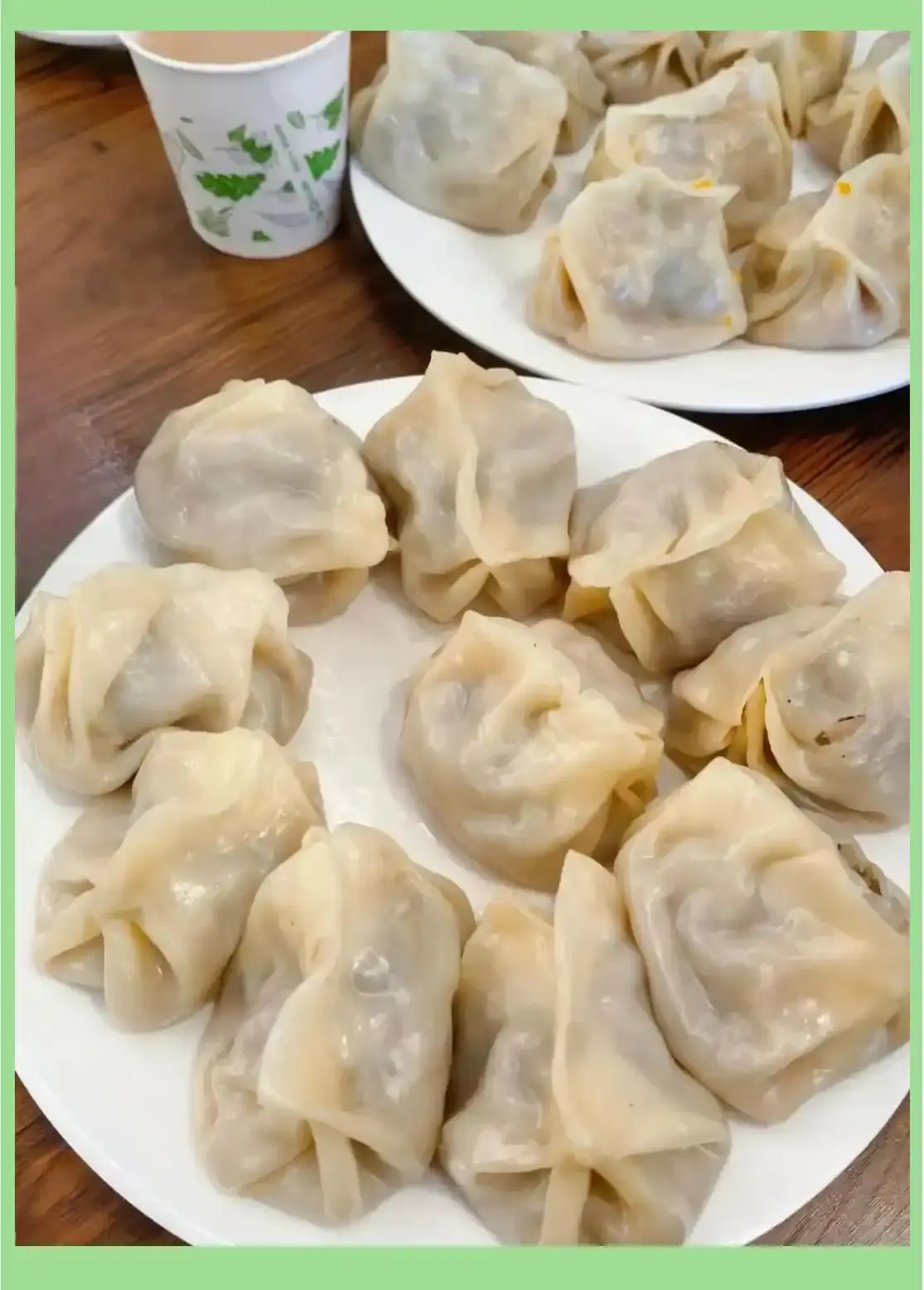
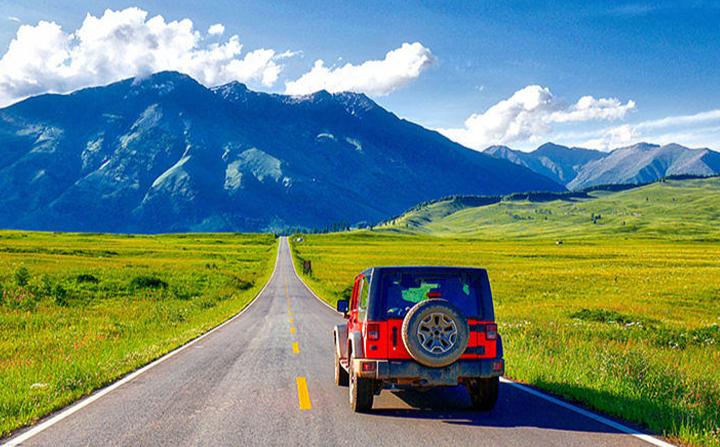
From Kashgar we drove the Karakoram Highway to Tashkurgan, then back through long empty stretches to Hotan and Aksu. Manty was the only dish we never had to translate. Every town had a variant: in Turpan the dough came thicker and slightly sweet, in Kuqa the filling was mixed with finely chopped pumpkin, and in Urumqi the dumplings shrank to “snack size” sold at the bazaar door for a few yuan each. The constants: a brass steamer, a sharp onion-pepper dip, and a pot of brick tea.
Manty vs other dumplings you will meet
Manty is not jiaozi. The wrapper is thicker, the filling almost always includes either lamb or beef, and the shape is a closed spiral that lets the dumpling stand upright in the steamer tray. Börek-samsa (the baked version from the same dough family) is the closest cousin; if you like one you will almost certainly like the other. The steamed cousin to samsa is sometimes called gösh-nän, a flat half-moon filled with onion and mince, eaten at Sunday markets. Börek and manty both trace back to the same Central Asian cooking logic: stretch the dough thin, hide the fat inside, cook it hot and fast, eat it with fingers.
How to order manty without making mistakes
Most teahouses list manty by weight or by plate. A “plate” in Kashgar and Urumqi usually means eight dumplings; in smaller towns it can be six or ten. Always ask the count before you order. The dip that comes on the side is a rough mix of black vinegar, chilli flakes and sometimes a little tomato; if you want it spicier, point at the chilli jar and the cook will pile on a spoonful. Tea is included in most places, refilled from a heavy metal pot, and is the right drink whether the day is cold or hot. For broader Xinjiang eating context, our night-market crawl guide covers skewers, fruit and bread rounds alongside steamed snacks.
Best time to visit for steamed-dumpling season
Manty is a year-round dish in Xinjiang, but the season changes around it. October to November is the sweet spot: the tourist crowds thin after Golden Week, the bazaars are loud with freshly butchered lamb and just-baked samsa, and the daytime temperatures drop into a comfortable 12 to 18 degrees. Winter (December to February) brings the biggest plates and the most fat-rich fillings; Urumqi teahouses keep their stoves roaring, and a plate of manty with a pot of brick tea becomes the cheapest form of heating available. Summer (June to August) is when you find the lighter pumpkin and vegetable versions, plus cold yogurt drinks to balance the heat. If you want to combine dumpling trails with broader travel planning, the 21-day Xinjiang itinerary we actually did fits three dumpling cities into one loop.
Where to stay if you came for the food
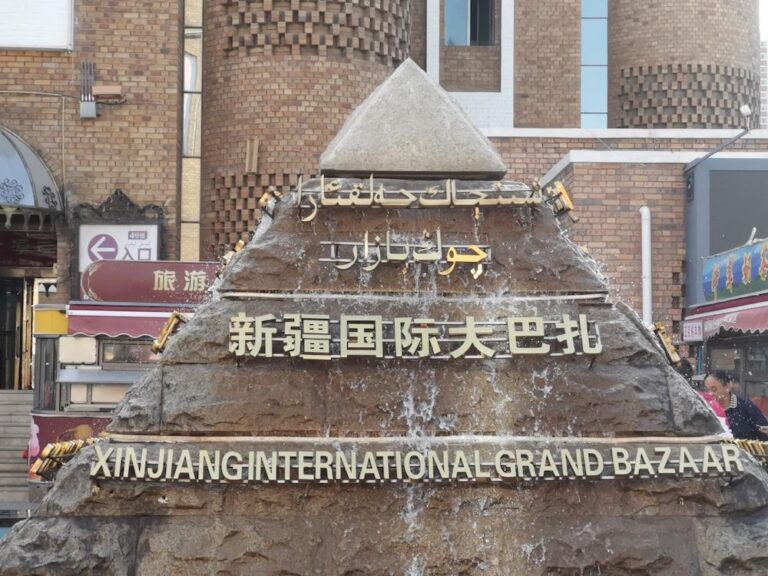
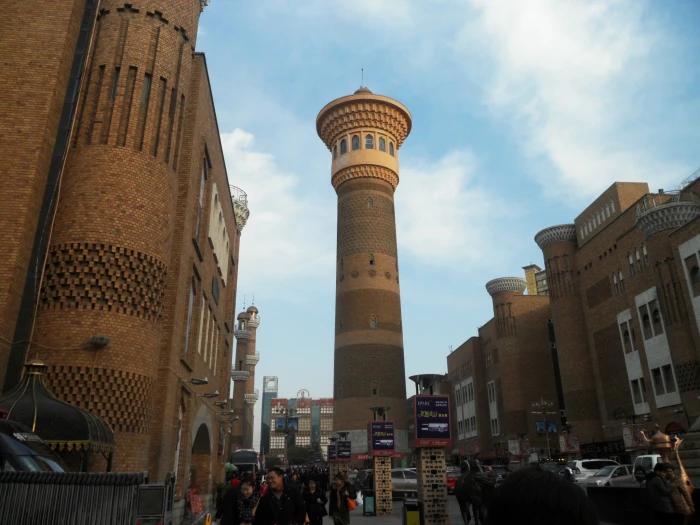
Stay inside the Old City in Kashgar if your main goal is food. Most Uyghur guesthouses are a 10-minute walk from at least four teahouses that serve manty from 9am to 10pm, and the Seman Road night stalls are reachable without a taxi. In Turpan, the grape-valley inns (葡萄沟) work well for evening meals but book early in summer. Urumqi is the easiest city for short stays; choose a hotel within two blocks of the International Grand Bazaar if you want both breakfast baozi and late-night grilled lamb within walking distance. For broader logistics, the practical FAQ page covers transport, money and timing for travelers doing Xinjiang on a short trip.
What I would not do again
Two things, both learned the hard way. First, do not order manty for the table and assume the plate is a personal portion. In Kashgar an “eight-piece plate” was enough for three hungry eaters, not one; we ordered twice and watched in shame. Second, do not trust the metal skewers on the table to be clean. Use the chopsticks provided or your own. Third (because I lied about two): bring tissues. The dumpling juice is wonderful, but the steam from a fresh plate will run down your chin.
A 24-hour dumpling sampler in Urumqi
Breakfast: two freshly steamed baozi from a small stall off Zhongshan Road, plus a glass of warm milk tea (around 8 RMB). Mid-morning: walk through the International Grand Bazaar, sample half a samsa while watching the bread ovens, and pick up a small bag of dried fruits for the road. Lunch: a teahouse near Erdaoqiao for a plate of mutton manty, vinegar dip, brick tea and a side of pickled chilli (around 45 RMB). Late afternoon: cold yogurt drink at any Uyghur dessert shop. Dinner: a sit-down meal with mixed manty and chuchura in broth, shared with the table (around 80 RMB for two). Repeat the next day with adjustments.
Frequently asked questions about Xinjiang manty
Is manty the same as jiaozi or Chinese dumplings?
No. Manty is larger, usually made with lamb or beef, steamed in tall tiered pots (mantovarka) and rarely served in soup. Chinese jiaozi are usually smaller, often pork-based, and frequently pan-fried or boiled.
Is there a vegetarian version?
Yes. Pumpkin, mushroom, cabbage and potato manty all exist, mostly in summer. The vegan guide linked above covers which teahouses reliably offer non-meat plates.
Can travelers cook manty at home?
With a stacked bamboo steamer and a heavy pot, yes. Most home cooks in Xinjiang use a metal steamer plate and a wok. The wrapper dough is forgiving and the filling cooks through in 25 minutes of steady steam.
Is it spicy?
The dumpling itself is not spicy. The dip is where heat lives, and you control it. Most tourist-oriented teahouses ask before adding chilli.
How long does a manty lunch take?
Expect 40 minutes from seating to last dumpling. The steamers take 20 minutes, tea refills take another 10, and conversation takes the rest.
This guide is based on personal travel in autumn 2025 and spring 2026, with prices collected in Urumqi, Kashgar, Turpan and Hotan. Menu names, prices and recipes change without notice; always ask before ordering if you have dietary restrictions. This page is editorial and unpaid; no restaurant mentioned has sponsored this content.
About the author
Karl Huang has run the Xinjiang Travel content programme since 2024, focusing on practical, E-E-A-T grounded coverage of food, cities and road logistics for foreign travelers. Guest field notes in this piece come from Pieter van Rooyen, a Cape Town-based street-food writer who has spent a combined seven weeks eating his way across southern Xinjiang since 2023.