Published: August 4, 2026 | Author: Li Wen, Xinjiang Attractions field team | Reviewed by: Adrian Voss, overland travel editor
Xinjiang bus travel is the part of the region’s transport network that almost nobody writes about, and it is the part we have used most. Trains and planes cover the big dots on the map. The coach network covers everything in between: the county seats, the grassland junctions, the mountain towns where the road simply ends. Between 2019 and 2026 our team has ridden something like forty of these services, from a two-hour hop out of Yining to a full-day grind across the northern rim of the Taklamakan. This guide is what we wish someone had told us before the first one.
We have kept it deliberately practical. Fares and timetables in Xinjiang change with fuel prices, season and road works, so treat every number here as a snapshot of what we paid rather than a quotation. Where a rule involves documents or border areas, we say plainly that you should verify it locally, because those rules do change.
Quick Reference: Xinjiang Bus Travel at a Glance
| Item | What we found |
|---|---|
| Station name to look for | 客运站 (kèyùnzhàn), the intercity coach station. Not the train station. |
| Ticket purchase | Counter with your passport. Most Chinese ticketing apps will not accept a foreign passport for coach seats. |
| How far ahead | Same day works on busy corridors. Buy the day before for mountain and county routes with one or two departures. |
| Arrive before departure | 40–60 minutes. Security screening plus ID registration takes longer than you expect. |
| Typical fare | Roughly ¥0.25–0.45 per kilometre. A six-hour ride generally landed between ¥70 and ¥160. |
| Vehicle | Mostly seated coaches with 39–49 seats. Sleepers are now rare. |
| Onboard toilet | Assume none. Rest stops roughly every two to three hours. |
| Luggage | One large bag in the hold, one small bag with you. Rarely weighed. |
| Best for | County towns, grassland valleys, mountain routes with no rail or airport. |
| Worst for | Long east–west hauls where a train or flight exists and costs little more. |
Why We Still Take the Bus When Faster Options Exist
The honest answer is coverage, not romance. Xinjiang has an expanding rail network and a dense set of regional airports, and we have written about both in our train versus flight comparison. But rail and air link cities to cities. If your destination is a valley, a pass or a county of forty thousand people, the coach is often the only scheduled public transport that reaches it.
There is a second reason, which took us a few trips to appreciate. A coach travels at the same altitude as the landscape it crosses. On the run south from Kashgar you watch the plain turn to gravel, the gravel turn to canyon, and the canyon open onto the Pamir plateau over the course of one afternoon. You cannot get that from seat 14A at nine thousand metres. If you have the time, the slow option gives you a sense of scale that the fast one deletes.
Where the Coaches Go That Nothing Else Does
These were the routes where the bus was clearly the right call for us:
- Kashgar to Tashkurgan. Up the Ghez canyon and onto the Pamirs. Around six to eight hours depending on road works and checkpoint queues. This is the same corridor described in our Karakoram Highway guide, and border-zone paperwork can apply for travel beyond Tashkurgan, so confirm current requirements before you commit.
- Kuqa to Bayanbulak. Seasonal, mountain-dependent, and the cheapest way onto the Bayanbulak grassland if you are not driving.
- Yining to the Ili valley towns. Zhaosu, Tekes, Nilka. Frequent, short, cheap, and the local buses run well into the evening in summer.
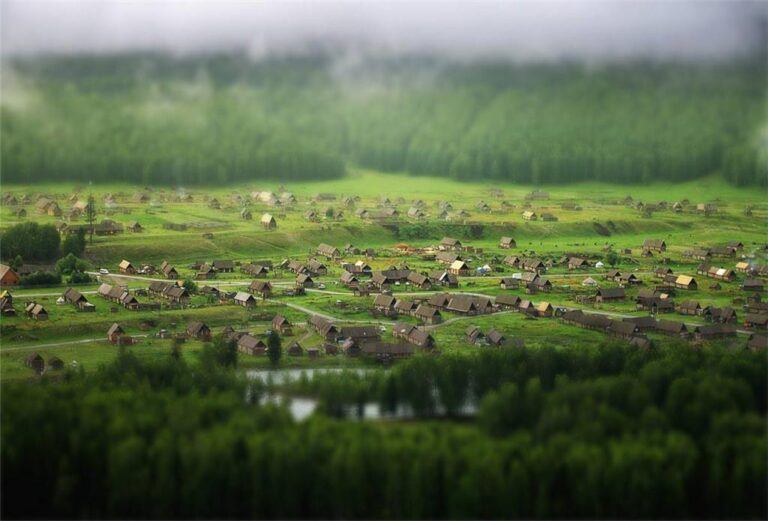
- Altay to the northern villages. Kanas and Hemu are served by a mix of scheduled coaches and park shuttles, with the mix changing between seasons.
- The southern rim towns. Yecheng, Karghilik, Qiemo, Ruoqiang. Long, flat, hot, and genuinely useful if you are working your way around the desert edge.
Where we would not bother: Urumqi to Turpan, Urumqi to Hami, Urumqi to Korla. Rail beats the coach on all three for time and comfort at a similar price.
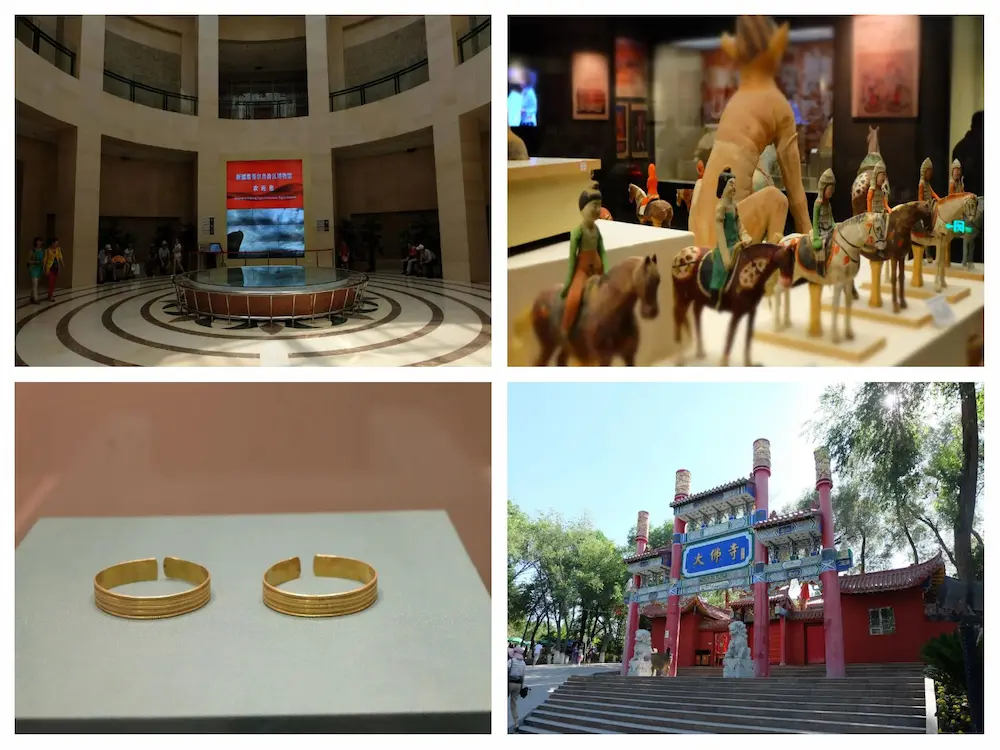
Most of our coach journeys started or ended in Urumqi, which functions as the hub of the regional network.
Buying a Ticket With a Foreign Passport
This is where most visitors get stuck, so here is the process as it worked for us every time.
Go to the coach station counter in person. Hand over your passport. The clerk types the number into the real-name system, and the ticket prints with your name and seat on it. That is the whole transaction. It takes two minutes when there is no queue and twenty when a tour group is ahead of you.
What does not work reliably: the mobile apps. Domestic coach booking runs through platforms that expect a Chinese ID number, and while some accept passports, we have had enough failures at the validation step that we stopped trying. Hotel staff can sometimes book by phone on your behalf, which is worth asking about if you are catching an early departure.
One habit that saved us more than once: when you arrive in a town, walk to the coach station that same afternoon and check the next day’s departures on the board. Frequencies posted online are frequently out of date, particularly for mountain routes that add or cut services with the season.
What Boarding Day Actually Looks Like
Coach stations across the region run security screening similar to a train station. Bags go through a scanner, you walk through a metal detector, and your ticket and passport are checked against each other at the gate. Lighters and large power banks attract attention. Liquids are generally fine, though we have seen staff ask a passenger to drink from a water bottle before boarding.
Give yourself an hour if it is your first time at that station. Boarding usually opens fifteen to twenty minutes before departure, and coaches leave on time far more consistently than the internet suggests. We have watched two departures pull out at the exact posted minute while a passenger was still arguing at the gate.
The Vehicles: What You Will Actually Sit In
Expect a seated coach. Typically a 39 to 49 seat vehicle, air-conditioned, with reclining seats that recline about as far as an economy airline seat. Legroom on the newer fleet is decent. On older vehicles working county routes it is not.
Sleeper coaches, the double-decker bunk buses that used to define long-distance travel in western China, have become uncommon. Regulation tightened across the country years ago and the fleet has aged out. We still encountered one on a very long southern route, but we would not plan around finding one.
The third category is the shared van. These leave from around the station forecourt rather than inside it, fill up when they have enough passengers, and cost somewhat more than the scheduled coach. They are faster and they are how a lot of local people actually move between county towns. The trade-off is that you are trusting a driver you have never met on a mountain road, with no scheduled rest stops. We have used them, but only in daylight and only when we could see the vehicle before paying.
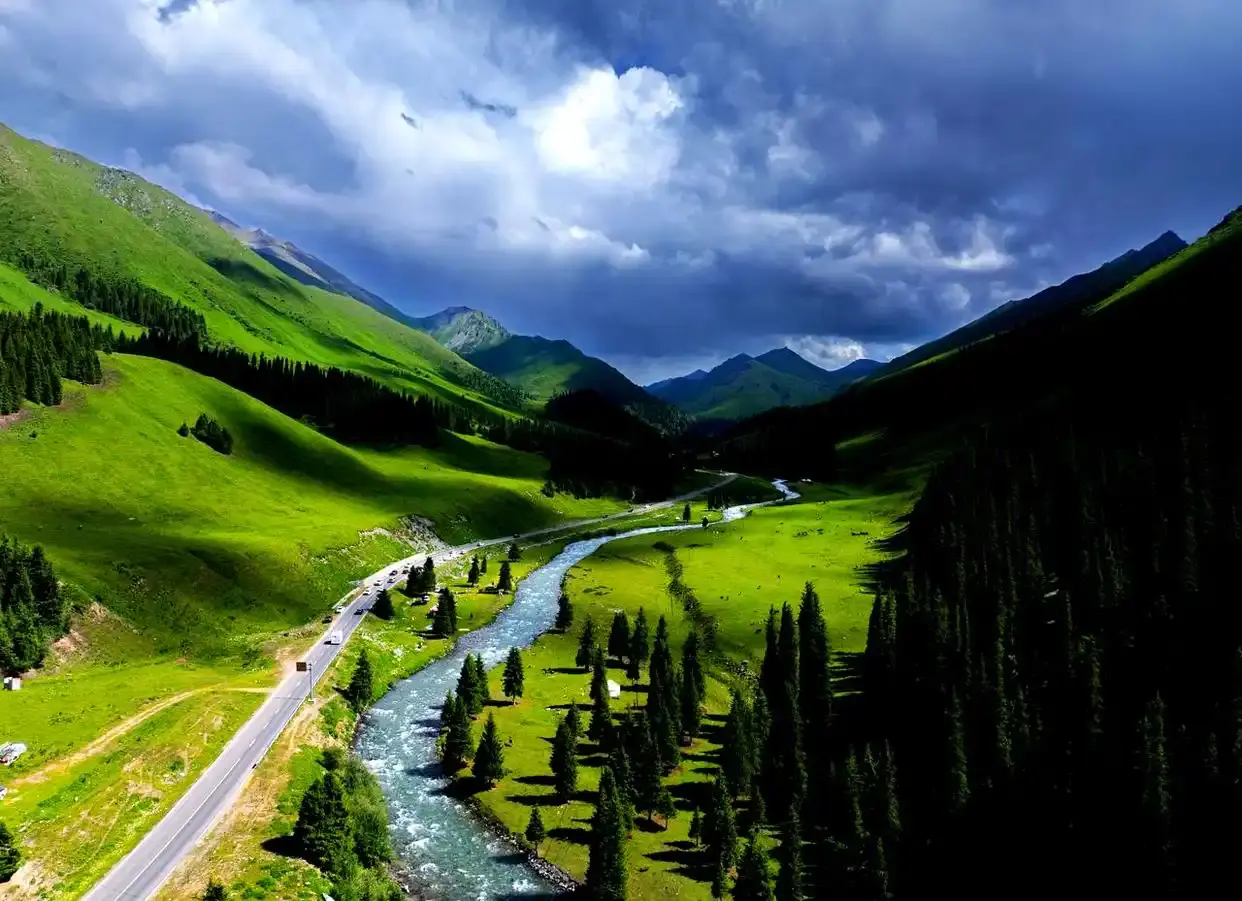
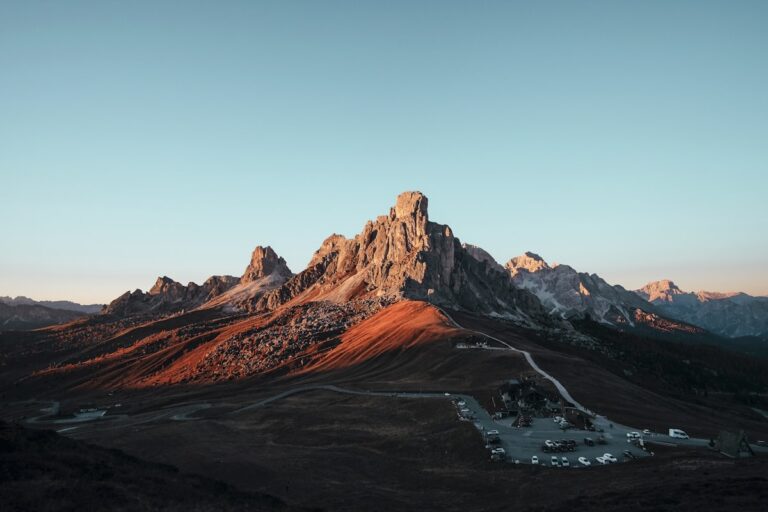
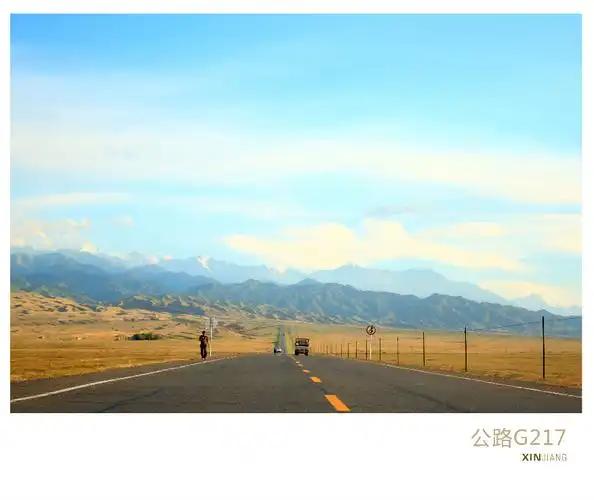
Mountain sections like this one determine your travel time far more than distance does.
Nine Hours in Seat 24: What the Ride Is Like
Our longest single coach day was Kashgar to Yecheng and onward, and the pattern repeated on most long routes. The vehicle leaves, someone opens a bag of sunflower seeds, and within twenty minutes half the passengers are asleep. The driver plays music or a film through the cabin speakers at a volume that no headphone can fully defeat, which is why we now carry foam earplugs rather than relying on noise cancellation.
Rest stops happen every two to three hours at roadside compounds with a toilet block, a shop and usually a noodle counter. They last ten to fifteen minutes and the driver does not do a headcount, so watch which door you came out of and keep your phone on you. We nearly lost a colleague to a badly signed toilet block outside Aksu.
Temperature swings are the other thing to plan for. Air conditioning on Xinjiang coaches is either off or arctic, and a summer route that starts at 35°C in the basin can cross a pass where the outside air is close to freezing. A light layer in your day bag is not optional. Charging sockets exist on newer coaches and are broken on many of them, so arrive with a full power bank.
Checkpoints and Documents
Road checkpoints are a normal part of intercity travel here. The coach pulls in, passengers step off with their documents, IDs are scanned, and everyone reboards. For us it has been routine and unremarkable, adding anywhere from ten minutes to an hour on a busy day. The relevant practical points are simple: keep your passport on your person and not in the hold, keep it accessible rather than buried in a bag, and follow whatever the driver tells the cabin to do. On some routes, foreign passengers are processed at a separate window, which takes a few extra minutes.
Seasons: When the Bus Is a Good Idea and When It Isn’t
Mountain routes are seasonal, and the timing is not negotiable. High passes across the Tianshan generally open in early summer and close once serious snow arrives in autumn, which puts the practical window for routes like the Kuqa–Bayanbulak corridor somewhere between June and September. Local authorities close roads on short notice after heavy weather.
Summer in the basin brings the opposite problem. A coach crossing the Turpan or Tarim lowlands in July is a hot, slow experience even with functioning air conditioning. Winter travel on the plains runs year-round but fog and ice cause delays, and drivers on some routes are restricted from running overnight in poor conditions.
Our own preference is late May to mid-June and the first three weeks of September. Roads are open, the heat has not settled in or has already broken, and coaches are not packed with domestic holiday traffic.
Where to Stay at Either End
Coach stations in Xinjiang tend to sit on the edge of town rather than in the centre, and the hotels immediately around them are cheap, functional and usually licensed for foreign guests only sporadically. Our approach has been to book in the town centre and take a taxi or ride-hail to the station, which costs a few yuan and removes the risk of arriving at a hotel that cannot register you.
For early departures, ask your hotel the night before whether they can arrange a car for the morning. In smaller county towns, ride-hail coverage before 07:00 is thin. In Urumqi it is not an issue, and our Urumqi city guide covers where to base yourself there.
Eating on the Road
Rest-stop food is better than it has any right to be. The standard offering is laghman, hand-pulled noodles with tomato and lamb, made to order and served in about six minutes. Samsa, the baked lamb pastries, hold well in a bag and are our default coach snack. Naan keeps for days and is sold everywhere.
Two things we always carry: more water than seems sensible, because the air is dry and stops are unpredictable, and something salty. What we avoid is heavy food before a mountain section, for reasons that anyone who has taken the switchbacks above Ghez will understand.
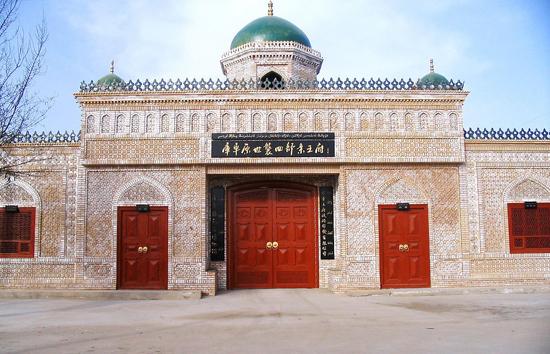
Kuqa is a useful overnight break on the northern Tarim corridor, and the departure point for the seasonal mountain service.
Practical Tips We Learned the Hard Way
- Write your destination in Chinese characters on your phone screen. Station signage is bilingual, but counter staff work faster when they can read the name.
- Choose a seat in the middle of the coach if you can. The rear rides rough on unsealed sections and the front row often has no legroom because of the door well.
- Cash still helps. Mobile payment is universal at counters, but roadside stops sometimes deal in small notes only.
- Do not assume a return service exists. Some county routes run one way in the morning and back in the afternoon, and missing it costs you a day.
- Coaches are not accessible in any formal sense. Steps are steep, aisles are narrow and there are no lifts. Our accessibility field report covers the alternatives.
- Budget realistically. Coach travel is cheap, but the time cost is real, and our cost breakdown shows where the savings actually land.
A Four-Day Bus-Only Route We Have Run
- Day 1. Kashgar to Tashkurgan by morning coach. Afternoon walking the stone fort and the grassland below it. Night in Tashkurgan.
- Day 2. Tashkurgan back to Kashgar on the afternoon service, with a stop at Karakul lake if the driver will drop you there. Night in Kashgar old town.
- Day 3. Kashgar to Yecheng or Karghilik, then onward along the desert rim. This is a long, flat day and the point of it is the towns rather than the road.
- Day 4. Continue east or turn back north depending on how much time you have. Rail picks up again at Hotan and Korla.
If you would rather stitch coaches into a bigger trip, our 21-day loop uses buses for exactly the segments where nothing else runs.
Frequently Asked Questions
Can foreigners take long-distance buses in Xinjiang?
Yes. We have bought tickets at station counters with a passport on every route we tried. The purchase is registered under your passport number in the same real-name system that applies to trains.
How much does a long-distance bus cost?
As a rule of thumb we paid between ¥0.25 and ¥0.45 per kilometre. A three-hour ride is usually under ¥80; a full-day route can reach ¥200 or a little more. Prices change, so check at the counter.
Are sleeper buses still running?
Rarely. Most long routes now use seated coaches. If your journey is longer than about twelve hours, look at whether an overnight train covers the same corridor, as described in our arrival and long-haul guide.
Is there a toilet on board?
Usually not, or it is locked. Plan around the rest stops every two to three hours and moderate your fluid intake accordingly.
Should I book ahead?
On busy city corridors, no. On mountain and county routes with one or two daily departures, buy the day before. Seats on those services do sell out in peak season.
Is the bus better than flying between Xinjiang cities?
Only where no flight or train exists, or where the airport transfer eats the time advantage. For city pairs with regular air service, the plane usually wins, and our airport guide covers what to expect on the ground.
Disclaimer
Fares, schedules, road openings and document requirements in Xinjiang change without much notice, and seasonal closures on mountain routes are decided locally. Everything above reflects conditions our team observed on journeys made between 2019 and 2026, with the most recent rides in the 2026 season. Verify current departures at the station and confirm any border-area requirements with local authorities or your accommodation before you travel. We are an independent travel publication and receive no commission from transport operators.
About the Author
Li Wen has covered overland travel in western China since 2016 and has made eleven research trips to Xinjiang, seven of them relying primarily on public transport. She has ridden coach routes in all four of the region’s prefectural clusters, including the southern desert rim and the Pamir approach. This guide was reviewed by Adrian Voss, our overland travel editor, who cross-checked route descriptions against operator information posted at Urumqi, Kashgar and Yining coach stations. Reader corrections are welcome and are used to update our transport coverage each season.