Published: August 7, 2026 | Author: Ewan Baird, travel writer based in Chengdu | Five trips through northern Xinjiang since 2018, covering both regions in June and in late September
Anyone planning a first trip to the north eventually runs into the Ili vs Altai question, usually late in the planning when the flights are nearly booked and someone points out that you cannot sensibly do both in nine days. Both sit in the same corner of the map, both are grassland and mountain country, and both turn up in the same photo sets. They are still not interchangeable, and picking the wrong one for your dates is the most common way people come home mildly disappointed.
The short version: the Ili valley in the west is a farmed, populated, low-altitude basin that peaks in early summer. The Altai in the far north is thinner, colder, emptier forest and lake country that peaks in autumn. If your dates are fixed, the dates usually decide for you.
I have driven both, in both seasons, and got it wrong the first time in a way that is worth describing in detail, because the mistake is easy to repeat.
Why the Ili vs Altai question is really about your dates
Most comparisons start with taste. This one should start with a calendar, because the seasonal windows barely overlap.
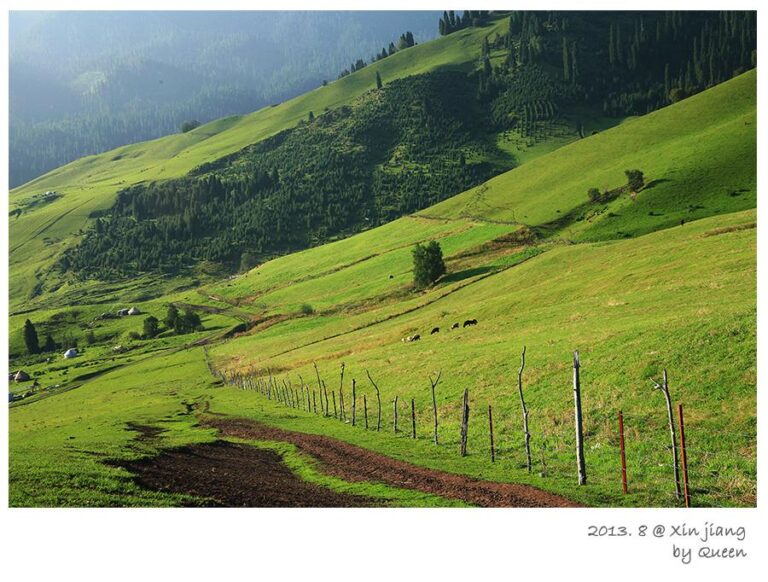
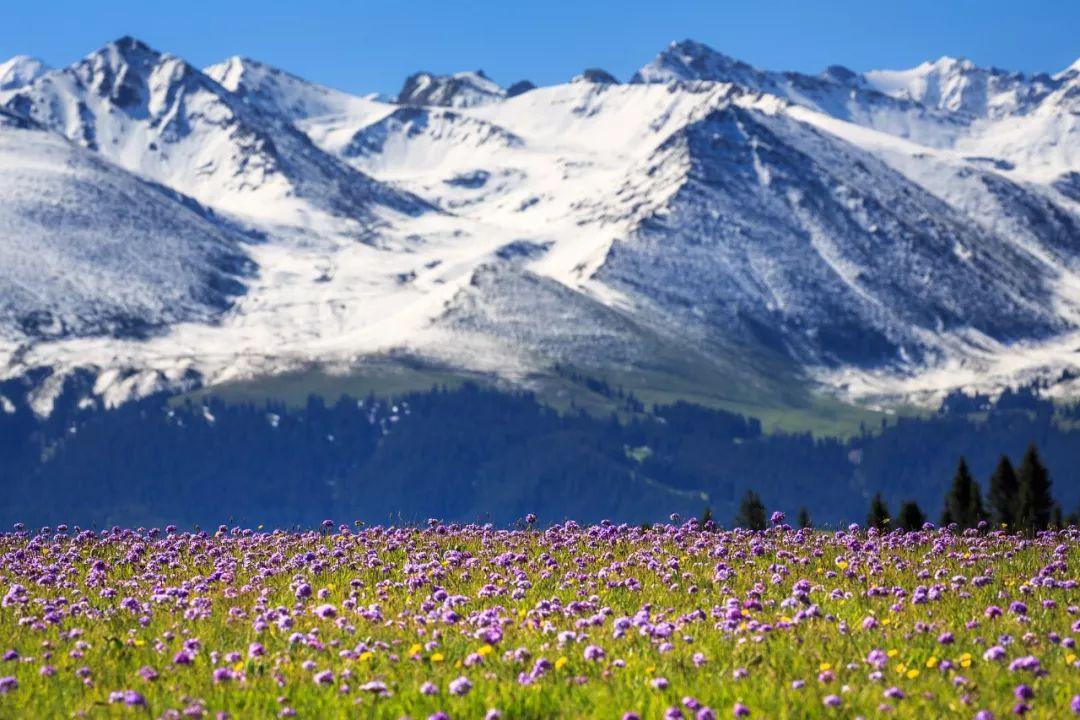
Ili is at its best from roughly mid May to early July. The valley floor sits low, around 600 to 900 metres in places, so it greens up early. Wildflowers on the meadows, the lavender blocks around Huocheng, apricot orchards further east in April, and the grass still deep before the summer heat flattens it. By late August the same slopes look tired and yellow-brown, and not the good kind of yellow.
The Altai runs on a different clock. Its summer is short and pleasant but visually ordinary compared with what it does in the third week of September, when the birch and larch turn and the whole Kanas basin changes colour over about ten days. Come in June and you get green forest, cool air and far fewer people, which is genuinely nice, but it is not the reason anyone puts the Altai on a list.
The two regions, line by line
| Ili (Yining and the valley) | Altai (Burqin, Kanas, Fuyun) | |
|---|---|---|
| Best window | Mid May to early July | Late September to early October |
| Second-best | September, quieter, less colour | Late June to August, green and calm |
| Base town | Yining, a real working city | Burqin or Altay, small and seasonal |
| Shape of the trip | Loops out and back from one base | Long linear run, mostly retraced |
| Typical driving day | Two to four hours | Four to eight hours |
| Main cost driver | Fuel and time | Park tickets and shuttle fares |
| Winter | Cold and mostly dormant | Serious ski season, deep dry snow |
| Border permit | Needed for a few western spots | Needed for Baihaba and similar |
What we got wrong in 2022
Our first attempt at the north was built backwards. A friend’s photographs of Kanas, all gold birch and low mist, sold us on the Altai, so we flew north in the second week of June. The forest was green, the water was the colour it always is, the shuttle queues were short, and it was a perfectly good week. But the images we had come for were about fourteen weeks away.
Then we drove southwest to the Ili valley, arriving on the fifth of July, which we had picked mainly because it fitted the return flight. The lavender blocks around Huocheng had already been cut for harvest. We stood at the edge of a field of stubble while a farmer explained, patiently and with some amusement, that we had missed it by about ten days.
That trip inverted both windows at once. Had we simply swapped the order and the month, going to Ili in mid June and coming back for the Altai in late September, we would have hit both properly. The regions are not in competition for your preferences so much as for your calendar slot.
Two different shapes on the map
This is the practical difference nobody mentions, and it changes how tiring each trip feels.
Ili is a hub. You settle in Yining and radiate outward: two and a half hours east to Sayram Lake, four hours to Nalati, an hour and a half south to Tekes, an hour west to the border town of Khorgos. Almost every day ends back in a bed you already know, and if the weather collapses you swap the plan for a different direction without losing anything.
The Altai is a corridor. From Urumqi you push north for the better part of a day to Burqin, then further north again to Kanas, then back out the same way, with a possible detour east to Koktokay. There is no neat loop. A washed-out afternoon in Kanas cannot be traded for a different valley, because the next valley is four hours away. Budget more days than the map suggests, and expect at least two of them to be mostly windshield.
Gates, tickets and shuttle buses
Both regions run their headline sites as ticketed parks with mandatory shuttle systems, but the density is different and so is the daily rhythm.
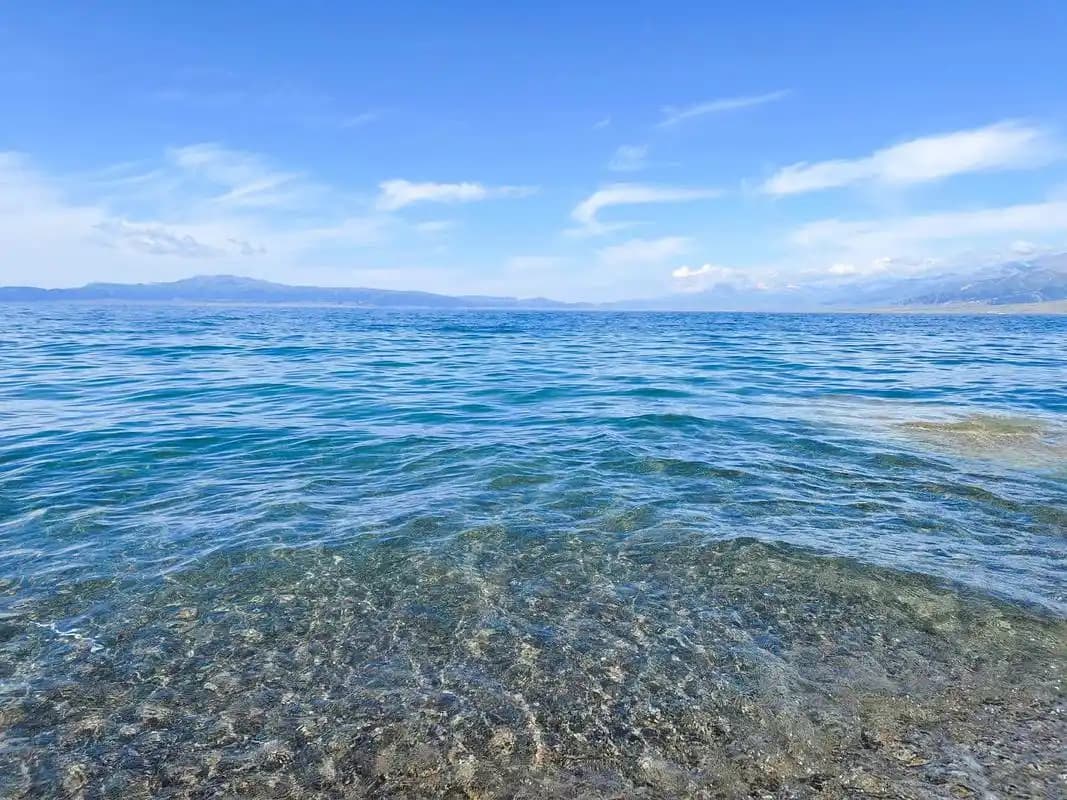
In the Altai, the big sites are gated hard. Kanas Lake is entered through a transfer hub, and Hemu and Baihaba have their own gates and their own fares on top. On our September visit the shuttle queue at the main hub ran about fifty minutes at 09:20 and twelve minutes at 07:40, which is the entire argument for staying inside or immediately outside the gate rather than an hour away.
Ili has ticketed parks too, and the shuttles at Nalati and Kalajun work the same way. The difference is that a good deal of the valley is simply visible from the road. Wheat and sunflower blocks, horses on the shoulder, the Guozigou descent, the villages around Tekes. You can have a strong day in Ili without passing a single ticket window, and that is not really possible in the Altai.
Getting in, and how much of your trip it eats
Yining has the better connections by a clear margin. Flights from Urumqi take around an hour and run several times daily, trains cross the Guozigou on a scenic stretch, and the drive on the expressway is long but straightforward.
For the Altai you are choosing between a seasonal airport near Burqin, the year-round airport at Altay city, a small field at Fuyun for Koktokay, and a rail line that reaches Beitun and Altay but still leaves you a long transfer from the lake. Flying in is worth the money here in a way it is not in Ili, because the alternative costs you two full days of the trip.
Where the money actually goes
The two regions are not far apart on total spend, but the money leaves your pocket differently.
In the Altai, entry and shuttle fares dominate. Stack Kanas, Hemu and Baihaba across a few days, with the inner shuttles each site requires, and admissions become the largest line in the budget. Rooms in the gate villages also price seasonally, and late September is the peak of the peak.
In Ili, fuel, car hire and food take the larger share. Hotel rates in Yining are ordinary city rates rather than resort rates, and outside the two or three big grassland parks the sightseeing is close to free. Neither region is expensive by national-park standards elsewhere, but if you are counting carefully, Ili is the cheaper week.
Who you meet is not the same
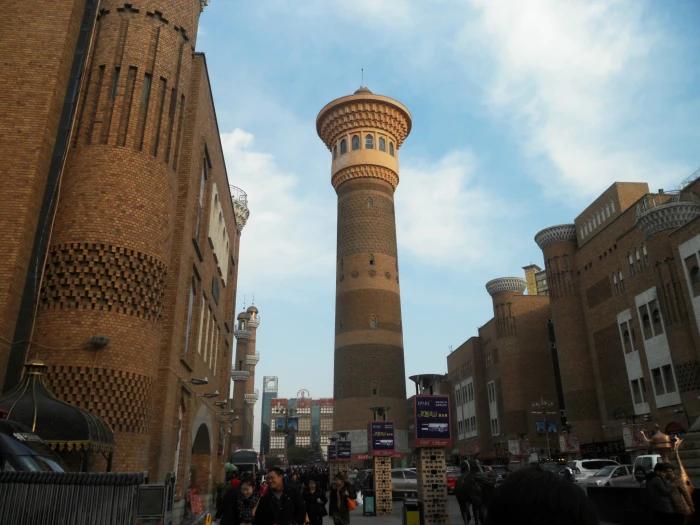
Ili is a settled, mixed place. Kazakh and Uyghur communities, a Xibe county at Qapqal with its own language and garrison history, Hui neighbourhoods, and streets in Yining with Russian-influenced facades from the trading years. It reads as a lived-in region with agriculture, small industry and a border economy.
The Altai is thinner and more pastoral. Kazakh herding families dominate, and the villages around Kanas, particularly Hemu and Baihaba, are associated with Tuvan communities whose log houses are the reason those villages appear on every itinerary. In summer many families are still up at seasonal pastures, so what you see in the village in June and in October are two different things.
Weather, and what we packed differently
The Ili valley in June is warm by afternoon, often above 25C in town, and people underpack for altitude. Sayram sits at roughly 2,070 metres and can be near freezing at dawn in the same week that Yining is in shorts. One fleece and one shell handles the whole trip.
The Altai in late September is a different proposition. Frost most mornings, wind through the valleys, and the possibility of the first snow arriving early. We carried gloves, a proper insulated layer and waterproof boots, and used all three. Winter turns the region into a ski destination with a long season and genuinely dry snow, which is a separate trip and a separate article.
Two different tables
Ili eats richer. Yining is known for horse-meat sausage, naryn, Xibe home cooking out at Qapqal, and the fruit that the valley grows in quantity. Apricots and honey in season are worth planning around.
The Altai leans on dairy and fish. Kazakh milk products appear at every breakfast, and the lakes supply whitefish and perch that show up on menus around Fuhai and Burqin. Portions are generous, variety is narrower, and outside the season a lot of places simply close.
If you only have five days
Fly to Yining and take Ili. Five days is enough for the valley to make sense, because the driving is short and the base never changes. A workable shape is two nights in Yining with day trips west, one night near Sayram, then two nights out towards Nalati or Tekes.
Five days in the Altai is thin. Two of them go to getting in and out even if you fly, which leaves three for a region that wants five. If those five days fall in late September and you have already seen Ili, it is still a fair trade, but do not add Koktokay to it.
Doing both, and in which order
If you have two weeks or more, take both, and go north second. Start in Ili while the meadows are still holding colour, work back through Urumqi, then run up to the Altai. In practice this means an early June start and a September finish, which is not one holiday for most people, so the realistic version is two trips in two different years.
Within a single autumn trip, the order reverses: hit the Altai first while the birch is turning, then come south to Ili, where September is quiet and pleasant even without the flowers. For the wider picture of how the whole region splits, our comparison of north and south Xinjiang covers the other axis of this decision.
Frequently asked questions
Is Kanas worth it if I can only travel in July?
Yes, but manage expectations. July gives you green forest, mild weather and considerable crowds at the same time. The photographs everyone shares are from a two-week window in autumn.
Can I reach both regions without hiring a car?
Ili, mostly yes. Buses and shared cars connect Yining with the main sights over tolerable distances. In the Altai, public transport reaches Burqin and the park gates, but a car saves so much time that most independent travellers hire one or join a transfer.
Do I need a border permit?
For some places, yes. Baihaba in the Altai and a few spots in the far west of Ili sit inside border management zones. Requirements change and are handled locally, so confirm with your accommodation or a local agency shortly before you travel rather than relying on older accounts.
Which region is better for a family with young children?
Ili. Shorter drives, a real city to fall back on, easier food, and lower altitude throughout.
Disclaimer
This comparison reflects personal trips between 2018 and 2026 and is offered as general guidance. Ticket prices, shuttle arrangements, flight schedules, seasonal opening dates and border permit requirements all change, sometimes at short notice and without much public announcement. Bloom and foliage dates shift by a week or more from year to year with the weather. Verify anything time-critical with the relevant scenic area, your carrier and local authorities before you commit money to it.
About the author
Ewan Baird is an independent travel writer based in Chengdu who has been travelling in northern Xinjiang since 2018. He has driven the Ili valley twice and the Altai three times, in early summer, late summer and autumn. He has no commercial relationship with any tour operator, hotel or scenic area mentioned on this page, and pays his own way.