Published: August 9, 2026 | Author: Aydar Tursun, Field Editor
The first time I stood on the cracked bank of the Yurungkash River, I expected to watch people pluck translucent white stones straight from the current. Instead I found a dozen men in rubber boots dragging steel screens through grey gravel, and an older woman on a folded blanket sorting pebbles by the handful. That gap between the postcard and the reality is exactly why I keep returning to write about Yurungkash River jade. This piece comes from three trips to Hotan between 2022 and 2025, two long talks with licensed jade appraisers, and a fair amount of time simply sitting and watching the river do its slow work.
Why you can trust this guide
I am not a geologist, and I have never sold a single piece of jade. What I can give you is time on the ground. Every price, road condition, and seasonal note below is either something I saw myself or something a staff member at the Hotan Jade Culture Expo or the prefecture tourism office told me directly. When I repeat a claim I only heard second-hand, I say so. The point is to show you what hunting for jade on the White Jade River honestly looks like in 2026, not what a brochure wishes it were.
Yurungkash River jade at a glance
Before the stories, here is the bare skeleton of the place. Locals call it Yurungkash, which in Uyghur means “White Jade River”; the Chinese name is 玉龙商昊河. It rises in the Kunlun Mountains and runs roughly 500 kilometers before joining the Karakash, the “Black Jade River,” near Hotan city. This Hotan jade river is one half of the system that feeds the Tarim Basin, and the stones it carries are the reason Hotan has been famous for two thousand years.
| Item | Detail |
|---|---|
| Local name | Yurungkash (Uyghur: “White Jade River”); 玉龙唾昊河 |
| Location | Northern foot of the Kunlun range, Hotan Prefecture, southern Xinjiang |
| Length | About 500 km from glacier source to the Tarim Basin |
| What washes down | Nephrite (Hetian yu); white “mutton-fat” grade is the prize |
| Best riverbed months | September to November, once the summer flow drops |
| How to reach it | Fly or take the train to Hotan; the bed begins a few km from the city |
| Legal status | Random digging is restricted; use the designated public stretches |
What the river actually gave me
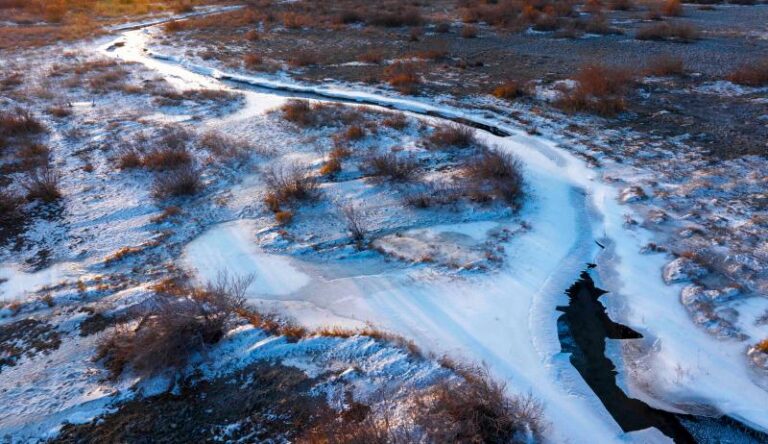
I arrived in late October 2024 with a small folding shovel and no expectations beyond seeing the famous riverbed. The water was low, the color of weak tea, and the “beach” was a wide fan of rounded stones the size of fists. A man named Tursun, who said he had been coming here since he was a boy, let me borrow his sieve. For two hours I scraped and rinsed and came up with exactly nothing anyone would call jade. Tursun shrugged. “The easy ones left twenty years ago,” he said. “Now you walk a full day to maybe find a seed.”
That line stuck with me, because it is the real story the romantic version leaves out. The early-2000s jade rush here was genuine: a boulder weighing tens of tonnes was pulled from the river around 2003, and for a while thousands of people camped on the banks with excavators. The surface jade is mostly gone now. What remains for an ordinary visitor is the experience of the place, plus a small chance, and the much better chance of buying something genuine a few kilometers away in the city.
Getting to the Yurungkash
Hotan is the hub, and it is easier to reach than many travelers expect. There are daily flights into Hotan Ailiyahu Airport from Urumqi and a handful of other cities, and the railway now links Hotan west to Kashgar and east across the Taklamakan to Korla and onward. From the city center, the public riverbed access points are a short taxi or e-bike ride north, roughly 10 to 20 minutes depending on which stretch you aim for. Ask your hotel to point you to the section that is currently open to the public; the rules about where digging is allowed shift from year to year, and wandering onto a closed stretch is the fastest way to meet a ranger who is not in a good mood.
If you want the fuller regional picture, Hotan, the jade city sits at the crossroads of the Tarim and the Kunlun, and most visits to the river are really visits to Hotan first.
When to go
Two windows matter. Autumn, from September through November, is the one most people want: the river drops, the gravel fans widen, and the light on the stones is forgiving for photos. Spring, March to early May, is the second option before the meltwater rises. I would skip high summer. The heat on the open riverbed regularly pushes past 40°C, there is no shade worth the name, and the swollen river closes the best stretches. Winter is cold but clear, and you will have the place almost to yourself, though some access roads ice over.
Where to stay
Hotan city has the full range, from international-chain hotels near the airport to small family guesthouses in the older quarters. I have slept at both ends and the guesthouse was the better call: cheaper, warmer hosts, and the owner walked me to the morning bargaining at the bazaar where the real jade trade happens. Book ahead if you come during the National Day week in early October, when domestic travel peaks and rooms near the river fill first.
Eating in Hotan
You do not come to Hotan for fine dining, and that is the compliment. The night market off the main square turns out lamb skewers, laghman noodles pulled to order, and round naan still hot from the tandir oven. A bowl of saiyok (a local cold noodle salad) after a day of squatting on gravel felt like the best meal of the trip. Fruit is the quiet star: Hotan melons in autumn are sweet enough to make you forget the dust. Carry small cash; a few of the older stalls still do not take phone payments reliably.
Practical tips before you dig
A few things I wish someone had told me on trip one. Wear proper boots, not sandals; the riverbed is sharp and the “sand” cuts. Bring more water than you think, a sun hat, and a basic UV filter for your camera because the glare lies about exposure. Do not dig outside the marked public zone, and do not pay anyone who offers to “show you a secret spot” for a fee, because that almost always ends with nothing but a lighter wallet. Keep your jade expectations honest: plan the day as a walk and a story, not as a payday.
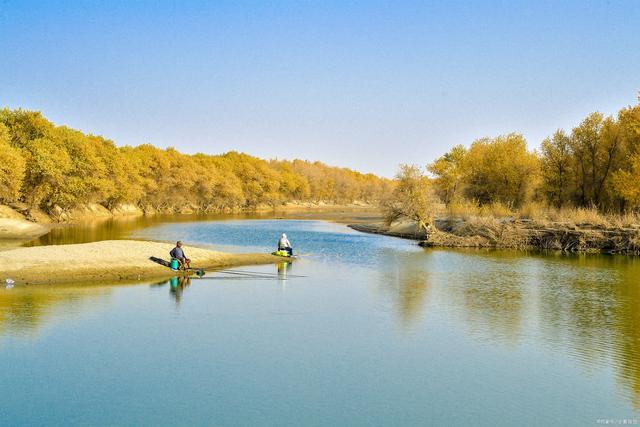
If you do hope to leave with a stone you can be proud of, the smarter move is the jade shopping in Hotan scene in the city, where appraisers sit openly and you can compare pieces side by side. The river is where jade begins; the market is where you learn what you are actually holding.
A two-day sample plan
Day one: fly or train into Hotan, drop your bags at the guesthouse, and walk the old quarter in the afternoon to reset your sense of scale, then hit the night market in the evening. Day two: hire a local e-bike or taxi to the open riverbed stretch first thing, spend two or three hours with a sieve, then head to the jade expo or the Sunday bazaar to see what real Hetian yu looks like in trained hands. If you have a third day, the nearby jade-road town of Pishan makes an easy half-day loop and shows the same geology without the crowds.
Frequently asked questions
Can a tourist really find jade in the Yurungkash?
Yes, but the odds are long. Small, low-grade nephrite turns up in the public stretches, especially after the water drops. A museum-quality stone is essentially a lottery win at this point.
Is it legal to dig?
On the designated public sections, light hand-sifting is generally tolerated. Mechanized digging and closed zones are off-limits, and the boundaries change, so confirm locally before you start.
How do I avoid buying a fake?
Buy from established shops or the expo, ask for an appraisal on the spot, and read our guide to telling genuine Hetian jade from fakes before you open your wallet. Glass and soapstone are common stand-ins.
Do I need a guide?
Not for the public stretch, but a local makes the day safer and far more interesting. Most guesthouses can connect you with someone for a modest fee.
Disclaimer
This article reflects the author’s personal visits and conversations and is meant as travel background, not professional, legal, or investment advice. Jade values, access rules, and local regulations on the Yurungkash change, and permit conditions in southern Xinjiang can shift with little notice. Always confirm current rules with the Hotan Tourism Bureau or a licensed operator before you travel, and verify any purchase with a qualified appraiser. Prices and conditions described here were observed between 2022 and 2025 and may no longer apply.
About the author
Aydar Tursun is a field editor for Xinjiang Attractions who has covered the southern Tarim corridor for four years. He prefers slow trips, local guesthouses, and asking awkward questions at the market. When he is not on the road he edits the site’s destination guides and answers reader mail about permits and prices. His reporting draws on direct observation and on-the-ground interviews; where a fact comes from an official source rather than his own eyes, it is noted in the text.