Published: August 9, 2026 | Author: Aria Chen, Xinjiang field guide
Why you can trust this guide
I have driven the Urumqi-to-Altay corridor more times than I can count, but the Kalamaili Nature Reserve still surprises me. Most visitors picture Xinjiang as snow peaks and turquoise lakes. The reserve is the opposite: a flat, rust-colored stretch of Gobi in the Junggar Basin where the only movement for miles might be a single antelope crossing the road. That emptiness is the point. This guide pulls together what I learned guiding trips through the area between 2017 and 2025, plus the official figures published by the Xinjiang Forestry and Grassland Bureau. I have kept the honest parts in, including the fact that you cannot simply walk in.
Kalamaili Nature Reserve at a glance
| Fact | Detail |
|---|---|
| Where it sits | Junggar Basin, northern Xinjiang, across Fukang, Jimsar, Qitai and Mori counties |
| Protected since | 1982, one of China’s first ungulate reserves |
| Headline animal | Przewalski’s horse (Equus ferus przewalskii), the only true wild horse alive |
| Wild horse numbers | Roughly 400 to 500, depending on the year and the winter |
| Other residents | Mongolian gazelle, goitered gazelle, Siberian ibex, wolf, fox, golden eagle |
| Best windows | April to May and September to October |
| Base town | Fukang, about three hours by car from Urumqi |
| Entry rules | Core area restricted; watch from the G216 corridor or on a permitted tour |
How the wild horses came back
The reserve has a quieter claim to fame than its scenery. The Przewalski’s horse was gone from the wild everywhere by the 1960s, kept alive only in zoos and private collections. Captive-bred horses first reached Xinjiang in the mid-1980s, and after years of acclimation at a breeding center the first group was released into the Kalamaili wilderness in the early 2000s. The population has since grown into the few-hundred range, which makes this one of the very few places on earth where you can watch a genuinely wild horse herd with no zoo between you and it. When rangers talk about the reserve, this is what they mean by success.
What we saw on the ground
When we visited in late September, the morning was cold enough that our breath showed in the car. We had left Fukang before sunrise and followed the G216 north. About 90 kilometers in, the driver slowed without a word and pointed out the window. A small herd of Przewalski’s horses stood maybe 200 meters off the road, eleven of them, manes stiff and upright, the dun coats almost the same color as the earth behind them. They are not tall horses. What hits you is the stillness. No fence, no handler, no performance. Just animals that belong there.
We sat in the car for twenty minutes. A ranger later told us the herd had been released from the center as foals and had never known a stable. That is the whole story of Kalamaili in one sentence. The horses you see were born free on purpose. On the way back we counted three Mongolian gazelles threading between the low hills, and once, far out, the slow wheel of a golden eagle that never seemed to flap.
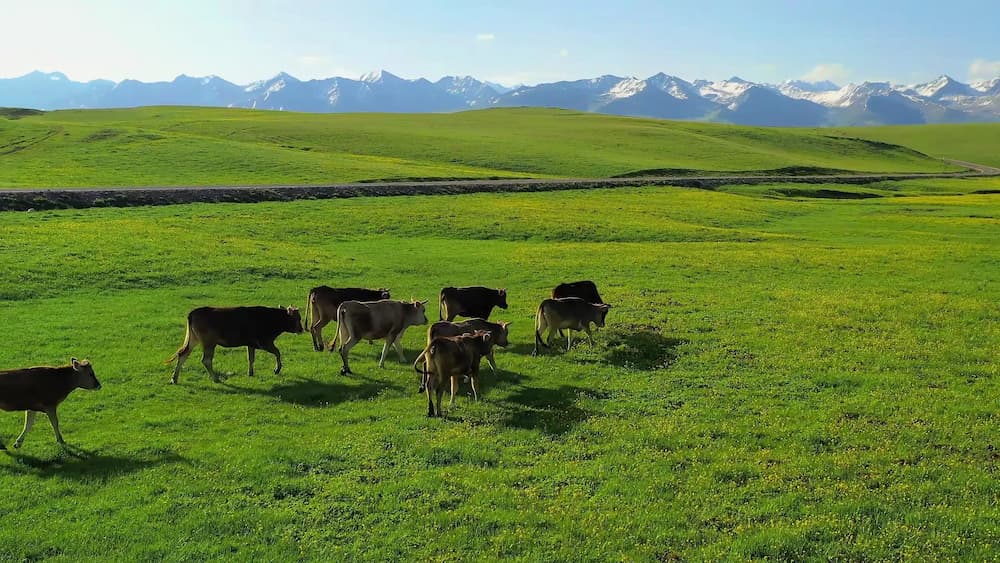
The landscape itself deserves a mention. The Kalamaili range is a band of low, dark mountains that barely clears the plain, and between them the ground is cracked clay, grey-green scrub and the occasional salt flat. It is not pretty in the postcard sense. It is the kind of place that makes you quiet.
Getting to Kalamaili Nature Reserve
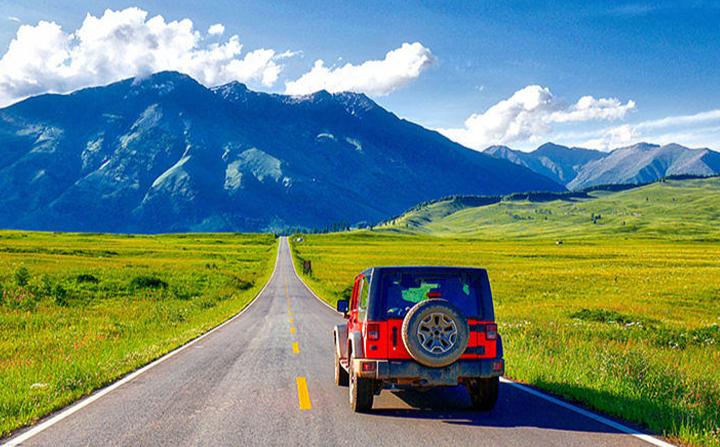
The reserve runs alongside the G216 highway, the same road that links Urumqi with Altay. Most people reach it as a stop on a longer self-drive Xinjiang loop rather than as a standalone trip. From Urumqi you head east to Fukang, stock water and fuel, then push north. There is no train to the gate and no tourist bus that drops you at a viewing platform. You need your own wheels or a driver who knows the corridor.
If you are flying in, read up on how to reach Xinjiang first, then rent from Urumqi. The stretch of G216 that crosses the reserve has dedicated wildlife underpasses and overpasses, built after the road was widened so the herds could keep moving between their winter and summer ranges. Pull over only where it is safe and legal; the rangers are strict about this, and for good reason.
Best time to go
Spring and autumn are the two windows that actually work. In April and May the gazelles drop their young and the steppe greens just enough to support them, so you see more movement and the photography light is soft. September and October are my favorite. The heat is gone, the days run long and gold, and the horses gather near the remaining waterholes, which makes them far easier to find. Summer is brutally hot and the animals spread out and rest through the middle of the day. Winter is clear and you can track hoofprints in the snow, but the wind off the basin will cut through any jacket you own, and some sections close after heavy snow.
For a wider picture of the region’s weather and road conditions, our Junggar Basin travel guide breaks down the seasons in more detail and lists the towns you can use as a base.
Where to stay
There is no lodge inside the reserve, and that is deliberate. Most visitors sleep in Fukang or push on to Karamay or back toward Urumqi. Fukang has clean, mid-range hotels that fill with oil-field workers and road crews, so book ahead in peak season. If you want the early start that wildlife watching demands, staying in Fukang the night before beats a 5 a.m. slog from Urumqi. Karamay works too and puts you closer to the northern end of the reserve, with the added bonus of the nearby Yadan formations if you have a free afternoon after the drive.
What to eat on the road
The dining along this corridor is plain and meat-forward, which is exactly what you want after a cold morning on the basin. Roadside stops serve laghman noodles pulled to order, samsa baked in conical ovens, and the usual lamb skewers. In Fukang you can find a proper hand-pilaf with raisins and carrot, the kind that sticks to the ribs. Carry your own water and a few snacks regardless; between Fukang and the northern reserve exit there are long stretches with nothing open. A thermos of milk tea earns its weight on a windy overlook.
Practical tips before you set off
Bring a real pair of binoculars. The horses are often far from the road and a phone camera will not cut it. Tell someone your route and expected return, because phone signal thins out once you are past the last town. Fill the tank in Fukang; I have watched the gauge drop faster than expected on the open basin, where headwinds are a real thing. Respect the fences and the ranger instructions, and never chase an animal to get a better shot. The reserve’s whole purpose is to let these populations recover, and a stressed herd defeats the visit before it begins.
If spotting wildlife is the point of your trip, our wildlife watching in Xinjiang overview covers the other reserves and what each one is good for, from snow leopard country in the south to the raptors of the west.
A sample two-day route
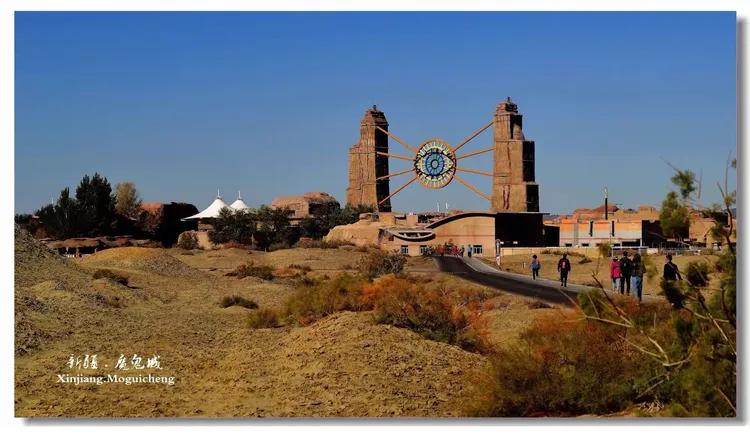
Day one: leave Urumqi after breakfast, reach Fukang by late morning, fuel up and grab lunch, then drive the G216 north through the southern viewing area in the late afternoon when the light is soft. Sleep in Fukang. Day two: start before sunrise, drive the central corridor slowly, stop at the wildlife overpass to scan for gazelle, then either return to Urumqi or continue north toward Karamay and the Ghost City if your schedule allows. Two days keeps the driving sane and gives you two shots at the horses under different light, which matters more than people expect.
Frequently asked questions
Can I just drive in and walk around? No. The core of Kalamaili is a protected area. You view the wildlife from the G216 corridor or through an organized, permitted visit. Independent off-road driving inside the fence is prohibited and is enforced.
Are the horses really wild? They are the descendants of captive Przewalski’s horses that were reintroduced starting in the 1980s. The animals born in the reserve have no history of domestication, which is why scientists consider them genuinely wild rather than feral.
Will I definitely see a horse? Not guaranteed. The reserve is enormous and the animals range widely. Your odds are best in autumn near the waterholes and early or late in the day. Going with a ranger-led group improves them considerably.
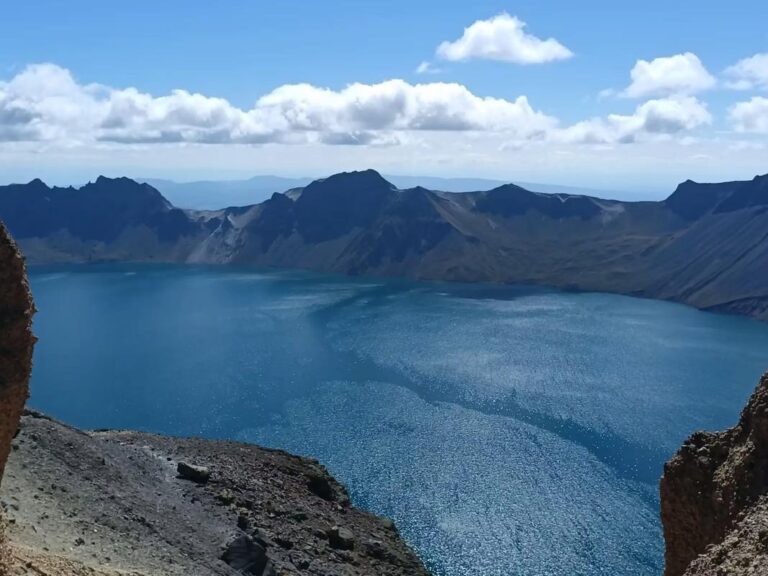
Is it worth it if I only have a day? If your route already follows the G216, a stop is an easy yes. As a dedicated day trip from Urumqi it is a long round drive, so pair it with Karamay or Tianchi to make the distance worthwhile.
Disclaimer
This article is based on the author’s field experience between 2017 and 2025 and on publicly available information from the Xinjiang Forestry and Grassland Bureau. Access rules, animal populations and road conditions change, and the reserve can close sections without notice for conservation or weather reasons. Confirm the current status with a licensed tour operator or the local forestry authority before you travel, and always follow ranger instructions on site. Nothing in this guide is a substitute for official guidance.
About the author
Aria Chen is a Xinjiang-based field guide who has led more than 40 driving trips across the Junggar Basin since 2017 and has volunteered with the Przewalski’s horse monitoring program at Kalamaili. She writes for travelers who want the honest version of a place, not the brochure. This guide was reviewed for accuracy against the reserve’s official public brief.