Published: 24 August 2026 | Author: Karl Huang
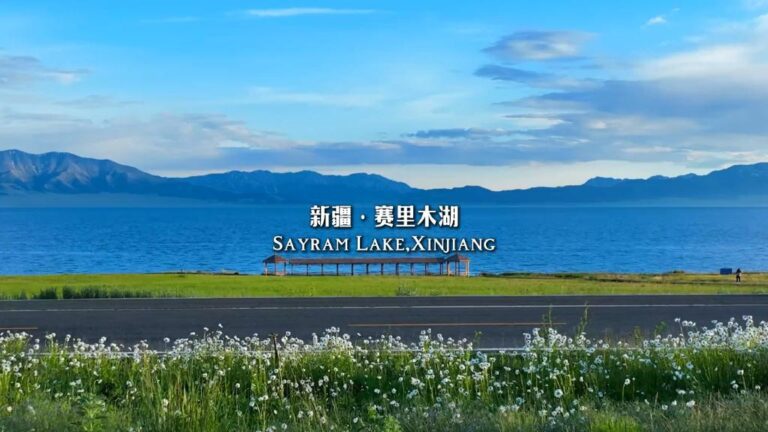
Most people who plan a southern Xinjiang route stop at Hotan or Kashgar and consider the job done. We did exactly that on our first trip, then went back two years later with a rented car and a longer list. The stretch of Pishan Maigaiti southern Xinjiang that sits between those two famous cities turned out to be the part we still bring up. Pishan is a quiet oasis at the foot of the Kunlun mountains. Maigaiti is the desert county that gave the world the Dolan sound. Both are real, both are far from the tour buses, and neither asks for more than a day or two.
This page comes from two actual visits, a couple of wrong turns, and a lot of questions asked in broken Uyghur and Mandarin. It is not a list of sights copied from a brochure. Where I give a distance, a price, or a gate rule, it is what we paid or were told at the spot. Things change, so treat the practical numbers as a starting point and confirm locally.
Why Pishan Maigaiti southern Xinjiang rewards the detour
The southern edge of the Tarim Basin gets skipped because the headline towns soak up the time. That is a mistake. Pishan and Maigaiti sit on the old jade-road line that once moved Hetian jade from the Kunlun mines toward the Silk Road hubs. They are also the kind of places where a traveller can still walk into a courtyard, hear music that is not performed for a ticket, and buy fruit from the person who grew it. If you want Xinjiang without the script, this is where you find it.
Quick reference: Pishan and Maigaiti at a glance
| Item | Pishan | Maigaiti |
|---|---|---|
| Prefecture | Hotan | Kashgar |
| Claim to fame | Sangzhu rock art, Kunlun foothills | Dolan Muqam, peasant paintings |
| Nearest hub | Hotan city, about 180 km | Kashgar, about 175 km |
| Rail | Kashgar-Hotan line, Pishan station | Kashgar-Hotan line, Maigaiti station |
| Best months | April-May, September-October | April-May, September-October |
| Time needed | 1 day | 1 to 2 days |
What we found in Pishan
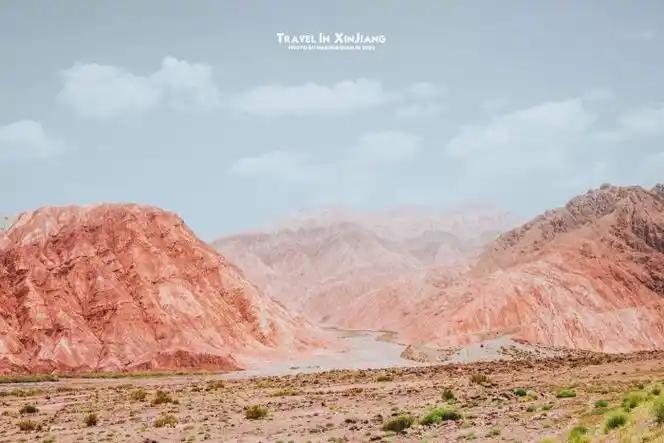
We drove the G315 west out of Hotan on a clear October morning. The road is flat desert for the first hour, then the Kunlun rises to the south in a wall of brown and white. Pishan town itself is unremarkable: a grid of low buildings, a busy evening bazaar, and more pomegranate stalls than we could count. The reason to come is what sits outside it. By dusk the main road filled with skewer smoke and the pomegranate sellers switched on their phone lights, and that was the moment Pishan felt like a place rather than a dot on the map.
Getting to Pishan
Two ways in. The Kashgar-Hotan railway stops at Pishan, and a slow train from Hotan takes around two hours. By road it is roughly 180 km west on the G315, an easy three-hour run if you stop for photos. We came by car because the one sight worth the trip needs a vehicle.
The Sangzhu rock paintings: a half-day that needs a car
This is the stop most guides miss. The Sangzhu rock art (sangzhu yanhua) is carved on a large igneous boulder in the Sangzhu river valley, about 110 km southeast of town in Kangke’er Kirghiz Township. The panels show archers, horsemen, and big-horned sheep, and most scholars read them as Neolithic hunting records. There is no ticket office and no fence. We drove in with a local whose cousin owned a pickup, and the last stretch of track was rough enough that we were glad to have clearance. Carry water and a full tank. If you arrive on your own without transport, you will not reach it, and there is no shuttle.
Pishan food and the Piyaman pomegranate
Pishan’s Piyaman pomegranates (piyaman shiliu) are the local pride, large, sweet, and sold by the roadside in autumn. We paid a few yuan each and ate them leaning on the car. Beyond that, the town eats like the rest of southern Xinjiang: laghman, naan, and kebab at the evening bazaar, plus fresh pomegranate juice when the fruit is in. Nothing fancy, all good. A grandfather by the naan dome waved off our attempt to overpay and pressed a warm loaf into our hands instead.
Maigaiti and the Dolan sound
Maigaiti sits about 175 km east of Kashgar on the same G315, and roughly 90 percent of the county is desert. What makes it matter is the Dolan (daolang) culture. The Dolan are a branch of Uyghur with a hunting past, and their music, the Dolan Muqam, is on the UNESCO intangible heritage list. We caught a performance at the painting-village cultural hall on a Saturday afternoon. The rhythm is built around a hunt: slow call, rising pace, a final burst of drums. The player who led the set was in his seventies and had learned the cycle from his father. Between pieces he told us, through a teenager as translator, that the music was never written down and never quite the same twice. It is nothing like the polished hotel shows elsewhere, and that is the point.
What to do in Maigaiti
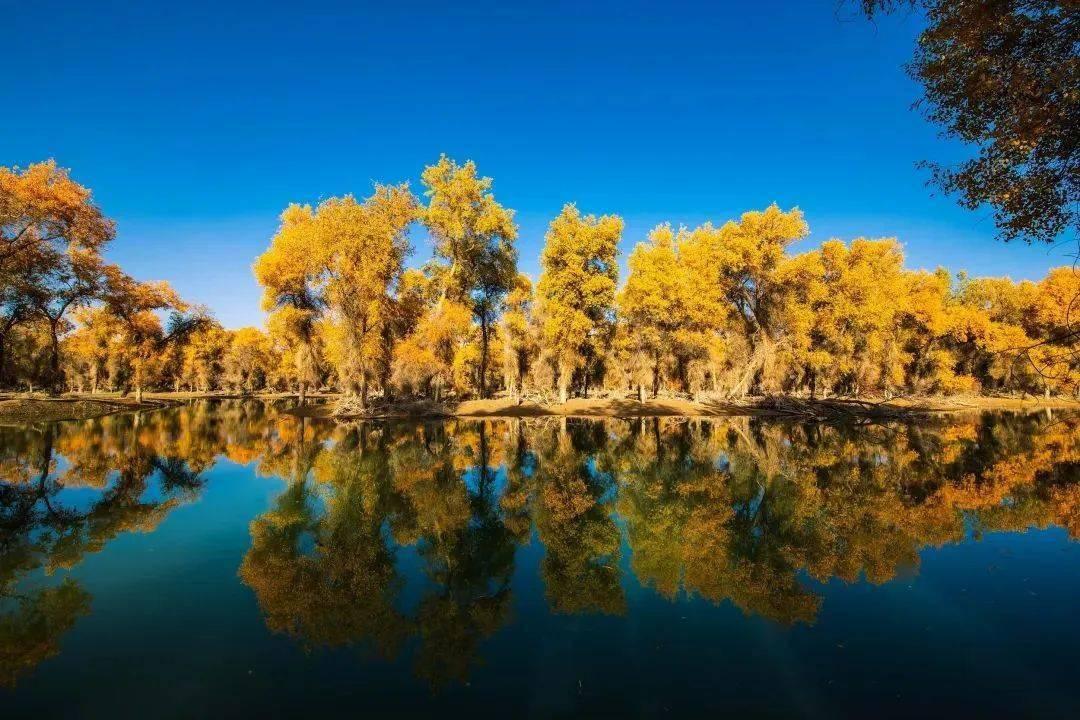
The Dolan Painting Village (kumukusa’er xiang) is the easy win. Local farmers paint in a bright, flat style that has nothing to do with art school, and you can watch them work and buy a small piece for a few hundred yuan. We left with one of a wedding scene that now hangs in our kitchen. The Dolan Lake, a reservoir dotted with islands, is strange and pretty in the middle of the sand. The N39 desert tourism area runs camel rides and dune walks and leans into rally culture; we did a short camel loop for about 50 yuan and watched the light go orange over the dunes. We also stopped at a Dolan sheep farm on the county edge. The breed is a local point of pride, a fat-rumped cross brought in during the last century, and one champion ram was once reported sold for a sum that would buy a flat. We did not see the famous ram, but the lambs in the yard were the roundest, calmest animals we met all trip.
Best time to visit
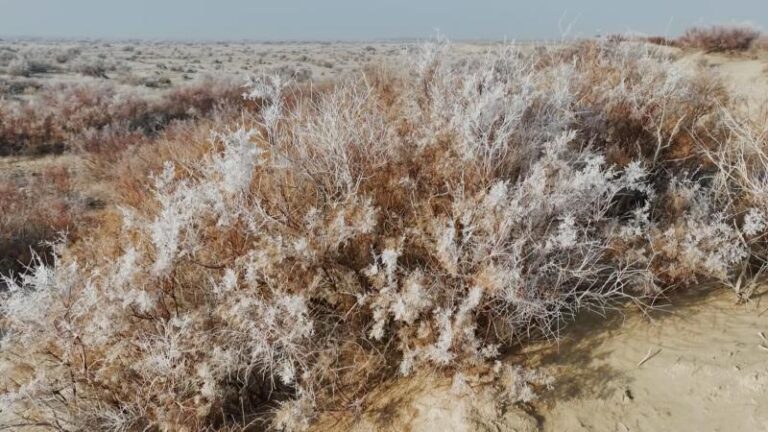
Spring (April to May) brings mild heat and, in wet years, desert flowers along the G315. Autumn (September to October) is the better bet: pomegranates in Pishan, jujubes in Maigaiti, and painting-village festivals. Skip deep summer. June through August runs past 40 C in the shade, and the desert wind picks up grit that gets everywhere. We went once in July and spent the middle of the day indoors.
Where to stay
Pishan has a couple of basic county-town hotels at 150 to 250 yuan a night, clean, with hot water, and no international chains. Maigaiti has more choice, mid-range places at 200 to 350 yuan, plus a few guesthouses near the painting village. Book ahead only in October, when the jujube festival fills rooms. We never had trouble finding a bed in the shoulder months.
Food in Maigaiti
Eat the Dolan version of the regional staples: hand-pulled noodles with a darker broth, grilled fish from the Ye’erqiang River, and jujube snacks sold by the bag. The Maigaiti grey jujube (huizao) is the local dried-fruit claim, smaller and denser than the Ruoqiang version, and worth a bag for the road. The painting-village teahouse does a basic clay-pot tea that is worth the stop. If you want a bigger market sweep, pair this with a day in Kashgar before or after.
A sample three-day plan
Day one: leave Hotan after breakfast, reach Pishan by noon, spend the afternoon at the Sangzhu rock art or the pomegranate orchards, sleep in Pishan. Day two: drive the G315 east to Maigaiti (three to four hours), spend the afternoon in the painting village and catch a muqam session. Day three: do the desert loop at N39 and Dolan Lake, then run on to Kashgar by evening. If your time is short, Maigaiti alone is worth the detour from Kashgar; Pishan pairs best with a Hotan base.
Practical tips before you go
- Bring your own transport for Sangzhu. No public bus reaches the rock face.
- Fill the tank in the county town before any desert side trip. Fuel stops thin out fast.
- Carry some cash. Alipay works in the county seats, but villages and roadside stands often want paper.
- Learn two phrases of Uyghur. A greeting opens more doors here than anywhere on the main route.
- No border permit needed. Both towns are interior, well inside the checkpoint line.
FAQ
Do I need a guide for the Sangzhu rock paintings?
No formal guide exists, but you need your own car and ideally a local contact for the last 110 km, which is rough track.
Is Maigaiti safe for independent travellers?
Yes. It is a normal county town with standard precautions. We walked the bazaar after dark without issue.
Can I do both towns by train only?
Trains reach Pishan and Maigaiti, but the rock art needs a car. If you skip Sangzhu, rail plus a county taxi works.
How does this compare with other southern oases?
Lop County is quieter and craft-focused; Ruoqiang jujubes are the better dried-fruit stop. Pishan and Maigaiti give you rock art and live music, which the others do not.
What about the desert drive itself?
If you want a full dune crossing, the Tarim Desert Highway is the classic route. Pishan and Maigaiti sit on its southern fringe and make a softer introduction.
Disclaimer
Distances, prices, and opening rules in this guide reflect visits in 2023 and 2024 and can change. Trains alter schedules, bazaars move, and desert gates close without notice. Confirm anything you plan to rely on with the county tourism bureau or your hotel before you travel. This is a travel account, not official advice.
About the author
Karl Huang is a Xinjiang-based travel writer who has driven most of the southern Tarim loop more times than he counts. He prefers the towns that are not in the brochures, carries a paper map as backup, and writes from what he actually ate, paid, and walked. His other southern-Xinjiang notes cover Hotan, Kashgar, and the desert highways.