Published: July 23, 2026 | Author: Mara Lindqvist
A Xinjiang motorcycle trip changed how I think about long-distance riding. I went in expecting long, empty highways and came back with frozen fingers, a repaired chain, and a folder of photos I still open on slow afternoons. This guide comes from two rides I actually did: a solo run up the Duku Highway in early June, and a slower group loop down to Tashkurgan the following September. Everything below is what worked, what I would change, and the rules the local traffic police expect you to know before they wave you through a checkpoint.
I am not a tour operator and I am not selling a seat. I am a rider who keeps a paper logbook. The useful part of this article is in the small details: where the fuel runs out, which checkpoints ask for papers, and how cold the top of a 3,400-meter pass gets at seven in the morning. For the wider planning picture, pair this with our self-drive routes in Xinjiang write-up, which covers the same roads from a four-wheel view.
Quick reference: a Xinjiang motorcycle trip at a glance
| Best riding season | June to mid-September. The Duku Highway closes in deep winter because of snow. |
|---|---|
| Signature route | Duku Highway, about 561 km, running north to south through the Tianshan range. |
| Fuel spacing | Fill up in every town you pass. Remote stretches can run 150 to 200 km between pumps. |
| Permits | Standard border passes are only needed south of Kashgar toward Tashkurgan and the Khunjerab road. |
| Road surface | Mostly paved and in good shape. Watch for loose gravel right after rain or near construction. |
| Must-pack gear | Windproof outer layer, neck scarf, tire repair kit, and a small bottle of chain lube. |
| Paperwork | Passport, valid visa, bike registration, and the rental contract if the bike is not yours. |
Why I keep coming back on two wheels
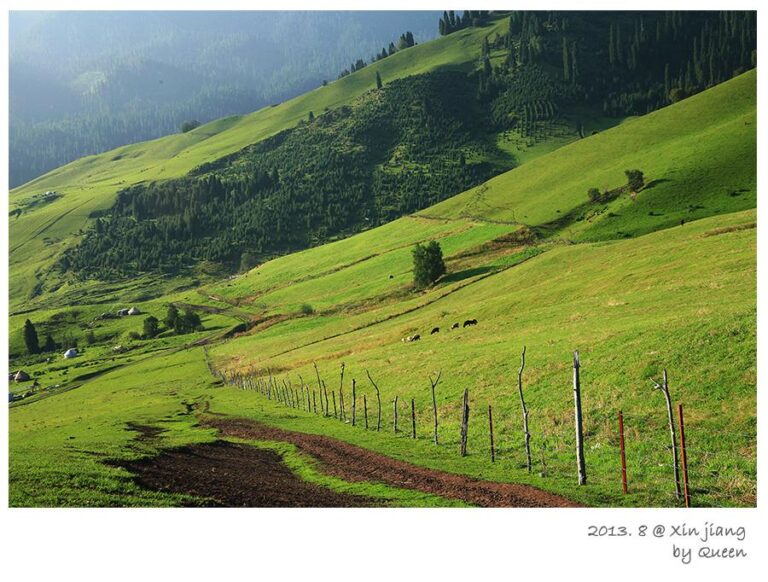
The first time I rode the Duku was June 4. I left Kuqa at dawn with the temperature already at 22°C, and by the time I reached the hashpar, the high pass near the middle of the road, my thermometer read 3°C and a thin sleet was coming sideways. That swing of nearly 20 degrees in a single morning is the real story of riding here. You do not pack for one climate. You pack for four.
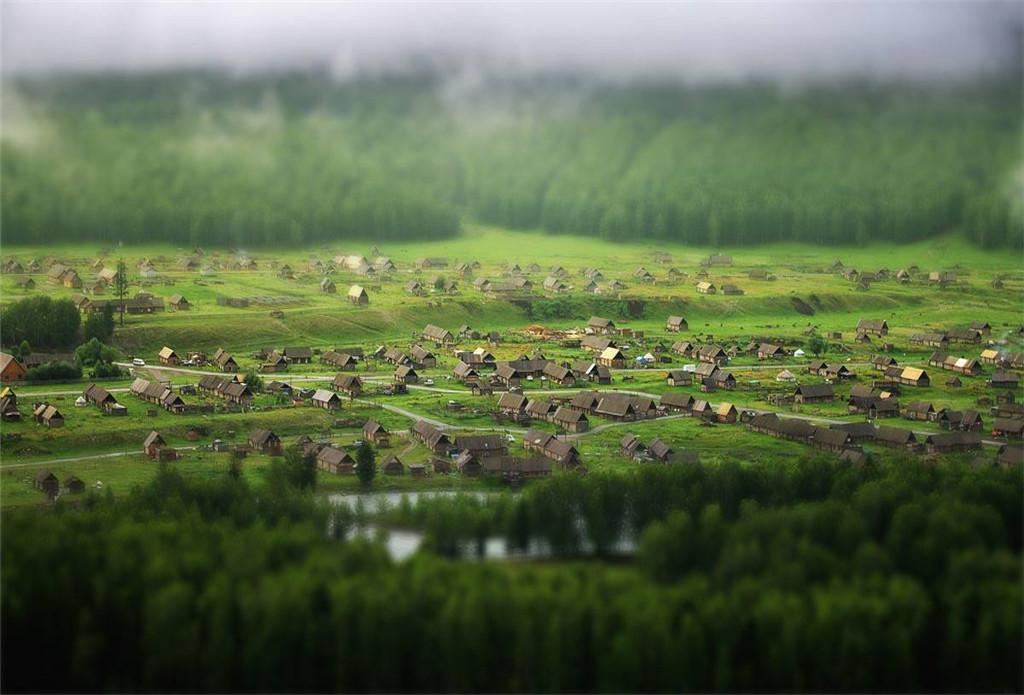
About 80 km past the pass I stopped at a roadside teahouse run by a Kazakh family. The grandfather, who introduced himself as Oraz, fetched a wrench when he noticed my chain had started to rattle, and refused any money. We drank milk tea while his grandson practiced English on me. That half hour did more for my opinion of the place than any brochure. On a motorcycle you stop often enough that these moments actually happen. In a sealed tour bus they do not.
Getting your bike to Xinjiang
Most foreign riders do not arrive with their own machine. The practical options are flying in with a bike (complicated, and customs will want the carnet paperwork) or renting locally. In Urumqi and Kashgar you can find shops that lease adventure bikes by the week, though the selection is narrower than in Europe and the contracts are in Chinese, so have someone translate before you sign. Whatever you ride, photograph the bike from four angles the moment you take delivery.
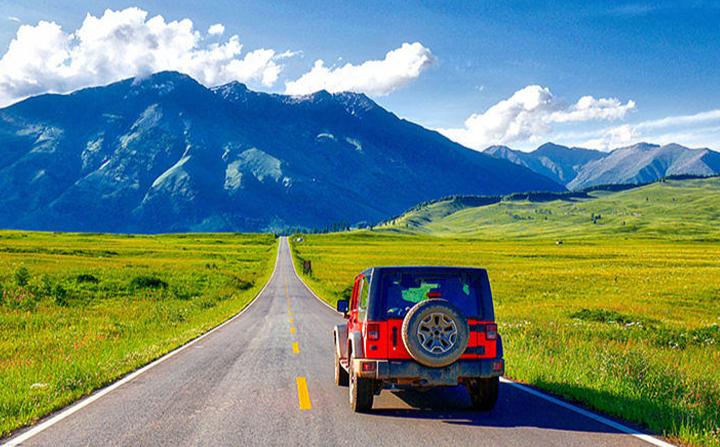
If you would rather not wrestle with rentals, plenty of people still cover the same loops in a car. A four-wheel version of this route lays out the fuel and overnight stops in plainer terms, and it skips the altitude strain on a pillion.
Best time to ride
The Duku Highway typically opens in early June and stays open until late September, weather permitting. July and August are warmest but also busiest, with domestic tour coaches hogging the narrow lanes on weekends. I preferred early June and mid-September: cold mornings, clear roads, and hotels that actually have a free room. The southern Pamir route toward Tashkurgan is rideable from May through October, though the Khunjerab border crossing itself closes on and off for weather and holidays. For the month-by-month detail, our month-by-month weather guide breaks down what each stretch feels like.
Where to sleep on the road
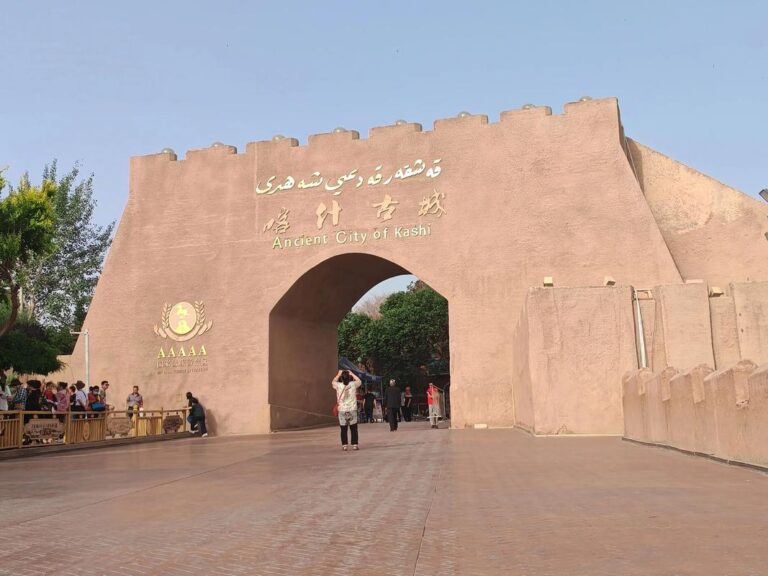
Northern Xinjiang is easy. Urumqi, Yining, Kuqa, and Aksu all have proper hotels from budget to business class, and you can book through the usual Chinese apps. The remote middle of the Duku has a few guesthouses but no guarantees, so I treat the pass as a day ride and sleep at the ends. In the south, Kashgar has the best range of old-town guesthouses, and Tashkurgan has a couple of solid options near the main square. Out on the Pamir, Kyrgyz and Tajik families run yurt stays; agree the price before you roll in, and do not expect heating past midnight in spring.
Food you will actually find
You will eat well on a bike because the stops are frequent. Every town has a naan oven, a laghman puller, and a kebab grill that fires up at dusk. My routine was naan and boiled eggs at the morning fuel stop, a big laghman at lunch, and skewers in the evening. In Kashgar the Sunday market is the place to stock dried fruit for the tank bag. Carry small change and a working payment app; some roadside stalls take only phone scans, not cards.
Practical tips that save the trip
First, altitude. The Duku tops out around 3,400 meters and the Pamir goes higher. Take the first day easy, drink water, and skip the heavy dinner if you feel a headache coming. Second, checkpoints. Police and transport checks are normal on the southern roads; keep your passport and bike papers in the top of your jacket so you are not fumbling in the wind. Third, gear. A neck scarf beats a balaclava for dust, and clear-lens goggles are worth more than tinted ones in a June sleet. For the risk side, read our travel insurance and safety preparation guide before you buy a policy, because not every plan covers two-wheeled travel at altitude.
Clothing layers matter more than the bike. Our what to wear on the road overview covers the temperature swings and the conservative dress expected at southern mosques and villages.
A 7-day Xinjiang motorcycle trip loop
This is the route I rode in June, starting and ending in Urumqi with a rental.
- Day 1: Urumqi to Dabancheng, short shakedown ride to check the bike and the luggage straps.
- Day 2: Dabancheng to Korla, then push on toward Kuqa along the northern foot of the Tianshan.
- Day 3: Kuqa to the Duku midpoint, sleeping near the pass after the morning climb.
- Day 4: Descend the southern Duku to Bayinbulak and its wide grassland, then on to Yining.
- Day 5: Yining loop through the Ili valleys, easy pace, lots of photo stops.
- Day 6: Yining back toward Urumqi with a long highway stretch and a hot spring stop.
- Day 7: Return the bike, fix the logbook, and catch the flight out.
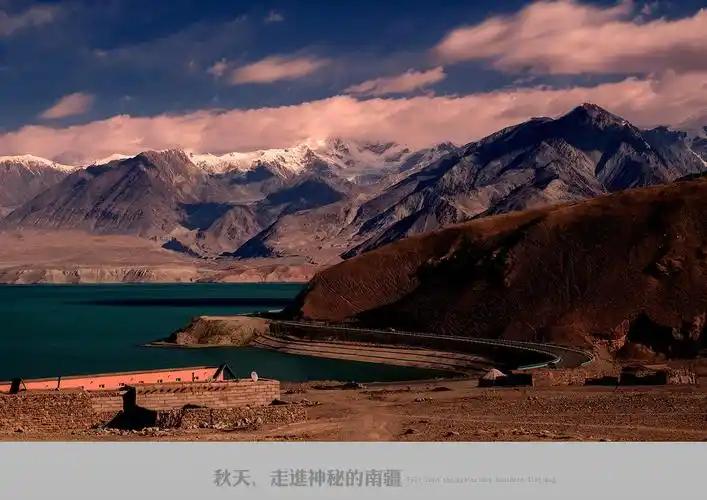
If you want the southern Pamir instead of the northern loop, swap days 3 to 5 for Kashgar, the Karakul lakeside, and an overnight in Tashkurgan. That version needs the border permit sorted in Kashgar first, so build in a buffer day. Riders doing Xinjiang for the first time should also skim our first-time visitors guide for the entry and permit basics.
Frequently asked questions
Do I need a special license to ride in Xinjiang as a foreigner?
A valid home-country motorcycle license plus an International Driving Permit is the baseline, but rental shops in China often require a Chinese license in practice. Many visitors ride as passengers or rent a car instead. Check with the shop before you book a flight.
Is the Duku Highway open all year?
No. Snow closes it from roughly late October to late May. Even in the open season, a late spring storm can shut a section for a day.
Can I cross into Pakistan on my bike?
The Khunjerab crossing exists, but it is not a casual day ride. You need the border permit, a Pakistani visa, and a bike cleared for export. Most riders treat it as a separate expedition, not part of a first Xinjiang trip.
How bad is the altitude?
Manageable if you climb gradually and sleep low. The Duku pass at 3,400 meters gave me a mild headache the first time; the second time, with a slow first day, I felt nothing.
Is it safe to ride alone?
The roads are patrolled and the towns are welcoming, but solo riders should tell someone the daily plan and carry a power bank. Signal drops on the southern Pamir, so do not rely on your phone alone.
Disclaimer
This article reflects the author’s personal riding experience and was written for general travel planning only. Road conditions, permit rules, border openings, and rental requirements in Xinjiang change without notice, and they can differ by nationality. Always confirm the current status with the Xinjiang Culture and Tourism Department, your embassy, and your rental provider before you travel. The author and this website are not liable for any accident, fine, or disruption arising from reliance on the information here. Riding a motorcycle carries inherent risk; ride within your ability and the law.
About the author
Mara Lindqvist is a long-distance motorcycle traveler and freelance contributor to overland riding publications. She has crossed Xinjiang twice by bike, once solo on the Duku Highway and once with a small group along the southern Pamir route. She keeps a paper logbook of every trip and prefers cold mornings to crowded afternoons.